Menu Close

Medications for Hair Loss

10 Medications for Hair Loss: A Comprehensive Guide

Are you struggling with hair loss and looking for effective solutions? Hair loss can be a distressing issue, but the good news is that there are several medications available that can help you combat it. In this article, we’ll explore ten popular medications for hair loss that have been shown to be effective for many individuals:

Minoxidil: A topical solution available over-the-counter (OTC) and as a prescription. It promotes hair growth and slows down hair loss.

Finasteride: An oral medication that blocks the hormone responsible for hair loss in men. It requires a prescription and is not suitable for women.

Ketoconazole: A medicated shampoo that may help reduce hair loss due to its anti-inflammatory and anti-fungal properties.

Dutasteride: A prescription medication similar to Finasteride, but potentially more potent. It’s primarily used to treat enlarged prostate, but it may also promote hair growth.

Spironolactone: A prescription drug initially designed for high blood pressure but sometimes prescribed off-label for hair loss in women due to its anti-androgenic effects.


hair loss


Corticosteroids: Injected directly into the scalp, they can help suppress the immune system’s response and reduce inflammation around hair follicles.

Anthralin: A topical medication that helps with hair regrowth by modifying immune response and slowing down the growth of skin cells.

Biotin: A B-vitamin supplement that may help strengthen hair and promote growth. It’s available over-the-counter.

Platelet-Rich Plasma (PRP) Therapy: A procedure that involves injecting concentrated platelets from your blood into the scalp to stimulate hair growth.

Low-Level Laser Therapy (LLLT): A non-invasive treatment that uses red light to promote hair growth in both men and women.

Keep in mind that individual responses to these medications can vary, and results may take time. It’s essential to consult with a healthcare professional or a dermatologist before starting any hair loss treatment to determine the most suitable option for you.

Remember, hair loss can have various underlying causes, such as genetics, hormonal imbalances, and medical conditions. Finding the right medication is just one aspect of a comprehensive approach to hair loss management. Alongside medication, adopting a healthy lifestyle, managing stress, and using gentle hair care practices can all contribute to better hair health.

Scalp Micropigmentation (SMP)

Scalp Micropigmentation (SMP): 10 Key Points Unveiled

What is SMP:

Scalp Micropigmentation (SMP) is a cutting-edge non-surgical hair restoration technique gaining popularity among men and women alike.
SMP involves depositing natural pigments into the scalp to replicate the appearance of hair follicles, creating the illusion of a full head of hair.

How SMP Works:

SMP practitioners use specialized microneedles and pigments to create tiny, realistic dots on the scalp, mimicking the look of hair follicles.
The process fills in bald spots, adds density, and even covers scars, providing a well-groomed and youthful appearance.

Ideal Candidates:

SMP is suitable for individuals experiencing various degrees of hair loss, including male pattern baldness, receding hairlines, and thinning hair.
It can also benefit those who wish to camouflage scars from hair transplant surgeries or accidents.

Non-Invasive Solution:

Unlike hair transplants, SMP does not require surgery, incisions, or the use of anesthesia.
The procedure is relatively painless, with minimal downtime, making it an attractive option for busy individuals.


scalp


Safe and Effective:

SMP is a safe and FDA-approved procedure, when performed by skilled professionals in a sterile environment.
It offers immediate results, boosting confidence and self-esteem.

Natural-Looking Results:

SMP is tailored to match each individual’s hair color, skin tone, and desired hairline.
The procedure produces realistic, seamless results that are virtually indistinguishable from natural hair growth.

Low Maintenance:

SMP requires minimal maintenance compared to other hair loss treatments.
Regular touch-ups may be necessary to maintain the longevity and vibrancy of the pigments.

Versatility and Style:

SMP allows clients to choose their preferred hairline and hairstyle, providing a customizable and aesthetically pleasing outcome.
Individuals can opt for a clean-shaven look or maintain their hair at any length.

Cost-Effective Solution:

Compared to long-term costs of hair loss medications or invasive procedures, SMP proves to be a cost-effective solution in the long run.

Boost in Confidence:

Beyond the aesthetic benefits, SMP enhances one’s confidence and self-image, positively impacting personal and professional aspects of life.

Alternative Hair Restoration Options – Wigs, Hairpieces, and Hair Systems

Alternative Hair Restoration Options – Wigs, Hairpieces, and Hair Systems

Losing hair can be a distressing experience, impacting self-esteem and confidence. Thankfully, there are several alternative hair restoration options available that can help you regain a full head of hair and feel great again. In this article, we’ll explore three popular choices: wigs, hairpieces, and hair systems. Each option offers unique benefits, allowing you to find the perfect fit for your individual needs.

Wigs:
Wigs are versatile and come in various styles, colors, and lengths, allowing you to change your look effortlessly.
They offer complete coverage for hair loss, making them ideal for those with extensive hair thinning or baldness.
Modern wigs are comfortable, lightweight, and breathable, reducing discomfort during extended wear.
Wig maintenance is relatively easy, requiring simple washing and styling.

Hairpieces:
Hairpieces, also known as hair toppers, are excellent for individuals with localized hair loss or thinning, such as on the crown or top of the head.
They seamlessly blend with your existing hair, providing a natural and undetectable appearance.
Hairpieces are available in synthetic and human hair options, offering a range of price points to fit different budgets.
These solutions are easy to attach and remove, making them convenient for everyday use.

Hair Systems:
Hair systems, commonly referred to as hair replacement systems or hair weaves, are suitable for individuals seeking a semi-permanent solution.
They involve attaching real or synthetic hair to the scalp using adhesive or integration techniques.
Hair systems offer a natural look, allowing you to participate in various activities with confidence.
These options are customizable, enabling you to choose hair texture, color, and style according to your preference.

Cost-Effectiveness:
Wigs and hairpieces generally have a lower upfront cost compared to surgical hair restoration procedures.
Hair systems, while pricier than wigs and hairpieces, provide longer-lasting results, making them cost-effective in the long run.


wigs


Non-Invasive:
Unlike hair transplantation surgery, these alternative options do not require any invasive procedures or incisions, minimizing risks and recovery time.

Reversible:
If you wish to change your hairstyle or take a break from hair restoration, you can easily remove wigs, hairpieces, or hair systems without any permanent impact.

Quick Results:
Alternative hair restoration options offer immediate results, allowing you to achieve the desired look without waiting for hair to grow naturally.

Versatility:
Wigs, hairpieces, and hair systems provide the flexibility to experiment with different hairstyles, colors, and lengths, enhancing your overall appearance.

Suitable for Various Hair Loss Types:
These options are suitable for individuals with various hair loss types, including androgenetic alopecia, alopecia areata, and medical-related hair loss.

Boosting Confidence:
Restoring your hair with wigs, hairpieces, or hair systems can significantly boost self-confidence and improve overall well-being.

Hair Transplant Carrollton Texas

Looking for a solution to your hair loss problems? Look no further than Hair Transplant Carrollton Texas. Our professional team in Carrollton, Texas is dedicated to providing you with the best hair transplant services to restore your confidence and give you the full, luscious hair you’ve always dreamed of. With state-of-the-art techniques and personalized treatment plans, we ensure natural-looking results that will have you feeling like your best self again. Say goodbye to thinning hair and hello to a new, confident you with Hair Transplant Carrollton Texas.

Hair Transplant Carrollton Texas

What is Hair Transplant

Definition of hair transplant

Hair transplant is a surgical procedure that involves extracting hair follicles from one part of the body, known as the donor site, and implanting them into areas where hair loss or thinning has occurred, known as the recipient site. This procedure is primarily used to treat male pattern baldness, but it can also be effective for women with hair loss or thinning.

Hair transplant procedures

There are different techniques used in hair transplant procedures. The two most common methods are Follicular Unit Transplantation (FUT) and Follicular Unit Extraction (FUE).

Follicular Unit Transplantation (FUT)

FUT involves harvesting a strip of scalp from the donor site, usually the back of the head, and dissecting it into individual hair follicles. These follicles are then transplanted into the recipient site, where they will grow new hair. This technique is ideal for individuals with a large area of baldness or thinning.

Follicular Unit Extraction (FUE)

FUE involves extracting individual hair follicles directly from the donor site using a micro-punch tool. These follicles are then transplanted into the recipient site. FUE is a less invasive procedure compared to FUT and requires no stitches. It is suitable for individuals with smaller areas of hair loss or thinning.

Robotic Hair Transplantation

Robotic hair transplantation is a newer technique that uses robotic technology to assist in the extraction and transplantation of hair follicles. This method offers precise and accurate results, minimizing human error. It is an advanced option for individuals seeking a highly precise and efficient procedure.

Platelet-Rich Plasma (PRP) Therapy

PRP therapy involves drawing a small amount of the patient’s blood and separating the platelets using a centrifuge. The platelets are then injected into the scalp, stimulating hair growth. This technique is often used in conjunction with other hair transplant procedures to enhance results.

History of hair transplant

The history of hair transplant dates back to the 1930s when the first successful hair transplant was performed by Dr. Shoji Okuda in Japan. However, it was Dr. Norman Orentreich in the 1950s who popularized hair transplant techniques on the scalp. Over the years, advancements in technology and surgical techniques have made hair transplants more effective and less invasive. Today, hair transplant procedures have become increasingly popular and provide natural-looking results.

Choosing a Hair Transplant Clinic in Carrollton, Texas

Importance of choosing a reputable clinic

When considering a hair transplant, choosing a reputable clinic is crucial to ensure optimal results and patient safety. A reputable clinic will have experienced surgeons, state-of-the-art equipment, and a track record of successful procedures. They will also prioritize patient care and follow ethical standards.

Factors to consider when selecting a clinic

When selecting a hair transplant clinic in Carrollton, Texas, there are several important factors to consider. These include:

  • Experience and expertise of the surgeons: It is essential to choose a clinic with experienced and qualified surgeons who specialize in hair transplant procedures. Their skills and knowledge will significantly impact the outcome of the procedure.

  • Clinic facilities and technology: Look for a clinic equipped with modern and advanced technology to ensure the most effective and efficient procedures. State-of-the-art facilities demonstrate a commitment to providing the best possible care.

  • Patient reviews and testimonials: Reading reviews and testimonials from previous patients can provide valuable insights into the clinic’s reputation and the satisfaction of its patients. Positive reviews and high patient satisfaction are indicators of a reputable clinic.

Researching hair transplant clinics in Carrollton, Texas

When researching hair transplant clinics in Carrollton, Texas, start by compiling a list of potential clinics. Look for clinics with positive patient reviews, experienced surgeons, and advanced technology. Narrow down the list by researching the credentials and experience of each surgeon and reviewing before-and-after photos of previous patients. Consider scheduling consultations with the top clinics to determine which one best meets your needs and expectations.

Types of Hair Transplants

Follicular Unit Transplantation (FUT)

Follicular Unit Transplantation (FUT) is a hair transplant technique that involves harvesting a strip of scalp from the donor site, usually the back of the head. The strip is then dissected into individual follicular units, which contain one to four hair follicles each. These follicular units are then transplanted into the recipient site, where they will grow new hair. FUT is often preferred for individuals with extensive hair loss and is known for producing natural-looking results.

Follicular Unit Extraction (FUE)

Follicular Unit Extraction (FUE) is a minimally invasive hair transplant technique where individual hair follicles are extracted directly from the donor site using a micro-punch tool. The follicles are then transplanted into the recipient site. FUE does not require the extraction of a strip of scalp like FUT, making it a suitable option for individuals with smaller areas of hair loss or thinning. It offers faster healing times and leaves minimal scarring.

Robotic Hair Transplantation

Robotic hair transplantation is an advanced technique that combines robotic technology with hair transplant procedures. In this method, a robotic system assists in the extraction and transplantation of hair follicles. The robot selects the best follicles based on predefined algorithms, ensuring precision and accuracy. Robotic hair transplantation offers a high level of customization and can produce consistent and natural-looking results.

Platelet-Rich Plasma (PRP) Therapy

Platelet-Rich Plasma (PRP) therapy is a non-surgical hair restoration technique. It involves extracting a small amount of the patient’s blood and separating the platelets using a centrifuge. The concentrated platelets, rich in growth factors, are then injected into the scalp, stimulating hair growth. PRP therapy is often used as a complementary treatment alongside hair transplant procedures to enhance results and promote a healthy hair growth environment.

Hair Transplant Carrollton Texas

Factors to Consider Before Getting a Hair Transplant

Hair loss causes and patterns

Before getting a hair transplant, understanding the causes and pattern of your hair loss is essential. Hair loss can occur due to genetic factors, hormonal changes, medications, underlying medical conditions, or lifestyle choices. Identifying the root cause helps determine the most appropriate treatment approach, including the type of hair transplant procedure that will best address your specific condition.

Extent of hair loss

The extent of your hair loss plays a significant role in determining the suitability of a hair transplant. Different procedures are more suitable for varying degrees of hair loss. Individuals with extensive hair loss may benefit from FUT, as it allows for the transplantation of a larger number of hair follicles. Those with smaller areas of hair loss may find FUE or robotic hair transplantation more suitable.

Age and overall health

Age and overall health are important factors to consider when contemplating a hair transplant. Generally, individuals in good overall health and within a certain age range, typically between 25 and 65, are eligible for hair transplant procedures. However, it is important to consult with a qualified surgeon who will assess your individual health status and determine if you are a suitable candidate.

Expectations and goals

Having realistic expectations and clear goals is crucial before undergoing a hair transplant. It is important to understand that a hair transplant can provide significant improvements in the appearance of hair, but it may not restore all lost hair or result in the same density as before. Discuss your expectations with a qualified surgeon during the consultation to ensure they align with the potential outcomes of the procedure.

The Hair Transplant Process

Consultation and assessment

The first step in the hair transplant process is a consultation with a qualified hair transplant surgeon. During this consultation, the surgeon will assess your hair loss pattern, examine the donor and recipient areas, and discuss your goals and expectations. They will also explain the different hair transplant techniques that may be suitable for you and address any concerns or questions you may have.

Preparation for the procedure

Before the hair transplant procedure, you may be advised to make certain preparations. These may include avoiding certain medications or supplements that can increase the risk of bleeding, stopping smoking, and following a healthy diet to promote healing. The surgeon will provide specific instructions tailored to your individual needs.

Hair harvesting techniques

The hair harvesting technique will depend on the chosen procedure, whether it is FUT, FUE, robotic hair transplantation, or a combination of techniques. The surgeon will carefully extract hair follicles from the donor site, ensuring minimal damage. In the case of FUT, a strip of scalp is removed, and the donor area is sutured. In FUE and robotic hair transplantation, individual hair follicles are directly extracted using micro-punch tools or robotic technology.

Recipient site creation

Once the hair follicles have been harvested, the surgeon will create recipient sites in the desired areas of the scalp. These sites are carefully crafted to ensure optimal placement and natural-looking results. The surgeon will consider factors such as hair direction, density, and angle to create a result that mimics natural hair growth.

Transplantation and implantation

After the recipient sites are prepared, the harvested hair follicles are transplanted and implanted into these sites. The surgeon meticulously places each follicle to achieve a dense and natural appearance. This process requires precision and artistry to ensure consistent hair growth and avoid any signs of transplantation.

Post-transplant care

Following the hair transplant procedure, the surgeon will provide instructions for post-transplant care. These instructions may include guidelines on washing, grooming, and protecting the transplanted area. It is important to follow these instructions diligently to promote proper healing and maximize the success of the transplantation.

Benefits of Hair Transplant

Natural-looking results

One of the key benefits of a hair transplant is the ability to achieve natural-looking results. Skilled surgeons can design the hairline and create a result that closely mimics natural hair growth, blending seamlessly with the existing hair. This enables individuals to regain a full head of hair without the appearance of an artificial hairpiece or wig.

Permanent solution to hair loss

Unlike temporary solutions such as the use of hairpieces or medications, a hair transplant offers a permanent solution to hair loss. Once the transplanted hair follicles grow, they will continue to thrive and grow naturally. The transplanted hair is typically resistant to balding patterns.

Improved self-confidence

Hair loss can have a significant impact on one’s self-confidence and overall well-being. Restoring a full head of hair through a hair transplant can boost self-esteem and improve psychological well-being. Individuals often experience increased confidence and a positive self-image, allowing them to fully embrace their appearance.

Ability to style and maintain hair as desired

A hair transplant allows individuals to regain the ability to style and maintain their hair as desired. The transplanted hair can be washed, cut, and styled just like natural hair. This provides the freedom to experiment with different hairstyles, enhance personal style, and regain a sense of control over one’s appearance.

Risks and Complications

Bleeding and infection

As with any surgical procedure, there is a risk of bleeding and infection following a hair transplant. However, these risks are minimal when performed by a qualified and experienced surgeon in a reputable clinic. Following proper post-operative care instructions and maintaining good hygiene can significantly reduce the likelihood of complications.

Scarring

Scarring is an inevitable part of any surgical procedure, including hair transplants. With FUT, a linear scar may be visible at the donor site, although it is usually well-hidden by surrounding hair. FUE and robotic hair transplantation techniques minimize scarring, as the extraction is done using small punches, resulting in tiny dot scars that are easily concealable.

Shock loss

Shock loss refers to the temporary shedding of existing hair in the recipient area following a hair transplant. This is a normal part of the hair growth cycle and typically occurs within the first few weeks after the procedure. However, the transplanted hair follicles remain intact, and new hair growth will emerge in the following months.

Numbness or tingling

Some individuals may experience temporary numbness or tingling in the scalp after a hair transplant. This is usually a result of the surgical trauma and will subside as the healing process progresses. It is important to communicate any persistent or concerning symptoms to your surgeon for appropriate evaluation and guidance.

Unnatural appearance

In rare cases, a hair transplant may result in an unnatural appearance if the transplantation is not performed with meticulous precision. Factors such as incorrect hairline design, improper placement of follicles, or insufficient density can contribute to an unnatural appearance. This emphasizes the importance of choosing a skilled and experienced surgeon who can achieve natural-looking results.

Recovery and Aftercare

Post-operative instructions

Following a hair transplant, you will be provided with detailed post-operative instructions by your surgeon. These instructions typically include guidelines on washing, avoiding strenuous activities, and protecting the scalp. It is crucial to follow these instructions diligently to promote optimal healing and minimize the risk of complications.

Managing pain and discomfort

Some individuals may experience mild pain or discomfort after a hair transplant. This can be managed with over-the-counter pain medications prescribed by the surgeon. It is important to avoid self-medication and follow the recommended dosage and instructions provided by the medical professional.

Caring for the transplanted hair

During the early stages of recovery, it is important to be gentle when caring for the transplanted hair. Your surgeon will provide instructions on washing, using mild shampoos, and avoiding excessive heat or styling products. It is essential to protect the transplanted hair from direct sunlight, wear a hat when outdoors, and follow the surgeon’s recommendations for long-term care.

Expected timeline for healing

The healing timeline after a hair transplant can vary depending on the individual and the chosen technique. Generally, the transplanted hair will start shedding within the first few weeks and enter a resting phase. New hair growth will typically begin within three to six months, with full results visible within 12 to 18 months. Patience is crucial during the recovery period, as the hair follicles need time to establish and grow.

Cost of Hair Transplants in Carrollton, Texas

Factors influencing the cost

The cost of a hair transplant in Carrollton, Texas can vary depending on several factors. The main factors influencing the cost include the chosen technique, the extent of hair loss, the number of hair follicles required, the experience and reputation of the surgeon, and the location of the clinic. Additional factors such as the facility’s overhead costs and any pre-operative or post-operative care provided may also affect the overall cost.

Average cost of different procedures

The average cost of a hair transplant procedure in Carrollton, Texas can range from a few thousand dollars to several thousand dollars. FUT is generally more cost-effective compared to FUE or robotic hair transplantation, as it requires less time and effort to harvest and transplant the hair follicles. It is important to consult with multiple clinics and obtain detailed cost estimates to understand the specific pricing for your individual needs.

Financing options and insurance coverage

While hair transplant procedures are typically not covered by insurance, financing options may be available to help manage the cost. Many reputable clinics offer flexible payment plans or financing options to make the procedure more accessible. It is important to discuss financial considerations with the chosen clinic and explore available options to help plan for the cost of the hair transplant.

Finding a Qualified Hair Transplant Surgeon in Carrollton, Texas

Importance of a qualified surgeon

Finding a qualified hair transplant surgeon is essential to ensure successful outcomes and minimize the risk of complications. A qualified surgeon will have the necessary training, skills, and experience to perform hair transplant procedures effectively. They will also stay updated with the latest advancements in the field, ensuring patients receive the best possible care.

Researching the surgeon’s credentials and experience

When researching hair transplant surgeons in Carrollton, Texas, it is important to consider their credentials and experience. Look for surgeons who are board-certified and affiliated with reputable professional organizations. Review their educational background, training, and years of experience in performing hair transplant procedures. Additionally, consider reviewing before-and-after photos of previous patients to assess the surgeon’s aesthetic skills.

Consultations and patient reviews

Schedule consultations with potential hair transplant surgeons to discuss your goals and expectations. This is an opportunity to ask questions, assess their communication style, and evaluate their level of professionalism and expertise. During the consultations, pay attention to how the surgeon listens to your concerns and offers personalized recommendations. Reading patient reviews and testimonials can also provide valuable insights into the surgeon’s reputation and the satisfaction of their patients.

By understanding the different aspects of a hair transplant procedure, including the various techniques, factors to consider, and the recovery process, individuals can make informed decisions when seeking a hair transplant in Carrollton, Texas. The benefits of a hair transplant, such as natural-looking results and improved self-confidence, make it a viable option for individuals experiencing hair loss or thinning. By choosing a reputable clinic and a qualified surgeon, individuals can begin their journey to restore their hair and regain their confidence.

Hair Transplant Springfield Illinois

Are you tired of dealing with thinning hair and a receding hairline? Look no further than Hair Transplant Springfield Illinois. With our state-of-the-art techniques and skilled team, we can help you restore your hair and boost your confidence. Say goodbye to hats and hiding, and say hello to a full head of hair that you can be proud of. No matter the cause of your hair loss, our experts have the knowledge and experience to provide you with the best solution. Don’t let hair loss hold you back any longer – contact Hair Transplant Springfield Illinois today and feel the difference.

Hair Transplant Springfield Illinois

1. What is Hair Transplantation?

– Definition of Hair Transplantation

Hair transplantation is a surgical procedure that involves transferring healthy hair follicles from one area of the body, known as the donor site, to another area that is experiencing hair loss, called the recipient site. The aim of this procedure is to restore hair growth in areas where baldness or thinning has occurred.

– Brief History of Hair Transplantation

Hair transplantation has come a long way since its inception in the 1950s. The first documented hair transplant surgery was performed by Dr. Norman Orentreich in 1952, where he successfully transplanted hair from the back of the head to the balding area. This technique, known as donor dominance, laid the foundation for modern hair transplant procedures. Throughout the years, advancements in technology and surgical techniques have made hair transplantation more effective and natural-looking.

2. Causes of Hair Loss

– Genetic Factors

Genetics play a significant role in hair loss. If your parents or close relatives have experienced hair loss, there is a higher likelihood that you may also experience it. The most common genetic cause of hair loss is androgenetic alopecia, also known as male or female pattern baldness.

– Hormonal Changes

Hormonal changes, particularly those associated with aging, can contribute to hair loss. For men, an increase in dihydrotestosterone (DHT), a hormone derived from testosterone, can lead to hair follicle shrinkage and eventually hair loss. Women may experience hormonal imbalances during pregnancy or menopause, which can result in temporary or permanent hair loss.

– Medical Conditions

Certain medical conditions can trigger hair loss. Conditions such as alopecia areata, thyroid disorders, lupus, and scalp infections can cause hair to fall out in patches or altogether. Treating the underlying medical condition is crucial in addressing hair loss caused by these conditions.

– Medications

Certain medications, such as chemotherapy drugs, anticoagulants, and antidepressants, can cause temporary hair loss. This type of hair loss is usually reversible once the medication is discontinued. However, it is important to consult with a healthcare professional before halting any medication.

3. Types of Hair Transplant Procedures

– Follicular Unit Transplantation (FUT)

Follicular Unit Transplantation, commonly referred to as FUT, is an older technique that involves removing a strip of scalp from the donor area and dissecting it into individual hair follicles. The donor area is then sutured, leaving a linear scar. The harvested hair follicles are then transplanted into the recipient sites. FUT is known for its ability to yield a high number of grafts in a single session, making it suitable for patients with advanced hair loss.

– Follicular Unit Extraction (FUE)

Follicular Unit Extraction, or FUE, is a minimally invasive hair transplant procedure that involves harvesting individual hair follicles directly from the donor area. Using specialized instruments, the surgeon extracts follicular units one by one, leaving minimal scarring. FUE is known for its versatility and ability to harvest hair from various parts of the body, making it suitable for patients who wish to have hair transplanted to areas other than the scalp.

Hair Transplant Springfield Illinois

4. Finding the Right Hair Transplant Clinic

– Researching Clinic Reputation

When searching for a hair transplant clinic, it is crucial to research the reputation of the clinic and its surgeons. Look for online reviews, testimonials, and before and after photos of previous patients. This will give you an idea of the quality of the clinic’s work and the satisfaction of their patients.

– Evaluating Professional Experience

Experience is an important factor to consider when choosing a hair transplant clinic. Find out how long the clinic has been in operation and the experience level of the surgeons. A clinic with a long-established history and experienced surgeons is more likely to provide successful outcomes.

– Considering Before and After Photos

Before and after photos are a valuable resource in assessing the quality of a clinic’s work. Look for photos of patients with similar hair loss patterns to yours and observe the naturalness and density of the transplanted hair. This will give you a realistic expectation of what to expect from the clinic’s services.

5. Initial Consultation and Assessment

– Meeting with the Hair Transplant Surgeon

During the initial consultation, you will meet with the hair transplant surgeon. This is an opportunity to discuss your concerns, expectations, and any questions you may have. The surgeon will assess your hair loss pattern, donor area, and overall scalp health to determine the best approach for your hair transplant procedure.

– Discussing Expectations and Goals

Clear communication is essential in achieving the desired results. Share your expectations and goals with the surgeon, and ensure that they align with the possibilities offered by the procedure. The surgeon will provide an honest assessment of what can be achieved and discuss any limitations or potential challenges.

– Assessing Donor Area and Hair Density

The donor area is the area from which hair follicles will be harvested for transplantation. During the assessment, the surgeon will evaluate the density and quality of the hair in this area. This assessment helps determine the number of grafts that can be safely extracted without causing significant thinning in the donor area.

6. Preparing for the Hair Transplant Procedure

– Smoking and Alcohol Restrictions

Smoking and alcohol consumption can negatively impact the healing process and the success of the hair transplant procedure. It is important to refrain from smoking and limit alcohol intake for a specified period before and after the surgery as advised by the surgeon.

– Adjustments to Medication Regimen

Certain medications, such as blood thinners or anti-inflammatory drugs, may need to be adjusted or temporarily discontinued before the hair transplant procedure. It is important to inform the surgeon about any medications you are currently taking to ensure a safe and successful procedure.

– Following Pre-Transplant Guidelines

The surgeon will provide specific pre-transplant guidelines to follow in the days leading up to the procedure. These guidelines may include washing your hair with a special shampoo, avoiding hair styling products, or not consuming food or drink for a certain period of time before the surgery. Following these guidelines diligently will help ensure optimal conditions for the procedure.

7. Hair Transplant Procedure

– Administration of Local Anesthesia

Before the hair transplant procedure begins, a local anesthesia is administered to minimize any discomfort. The surgeon will ensure that you are comfortable throughout the procedure and may provide additional sedation if necessary.

– Donor Area Extraction

For FUT, the surgeon will remove a strip of scalp from the donor area, typically from the back of the head. The incision is then closed with sutures. In the case of FUE, individual hair follicles are harvested directly from the donor area using specialized instruments, leaving small puncture marks that heal quickly on their own.

– Recipient Site Preparation

The recipient site, where the hair follicles will be transplanted, is prepared by creating tiny incisions or slits. The surgeon strategically places these incisions to mimic the natural hair growth pattern, ensuring a natural and aesthetically pleasing result.

– Graft Placement

The harvested hair follicles are carefully placed into the recipient site by the surgeon or a trained team. The direction, angle, and density of the grafts are meticulously considered to achieve a natural-looking hairline and overall result.

8. Recovery and Post-Transplant Care

– Dressing and Bandaging

After the hair transplant procedure, the donor and recipient areas are typically dressed with bandages or dressings to protect them and aid in healing. These dressings are usually removed within a day or two, depending on the surgeon’s instructions.

– Medication Instructions

You may be prescribed medication to take after the procedure to promote healing and prevent infection. It is important to follow the medication instructions provided by the surgeon and to notify them of any adverse reactions or concerns.

– Avoiding Physical Activities

To ensure optimal healing, it is important to refrain from strenuous activities and exercise for a specified period after the procedure. Sweating and excessive physical exertion can disrupt the healing process and potentially affect the success of the hair transplant.

– Post-Procedure Check-ups

The surgeon will schedule follow-up appointments to monitor your progress and ensure that the healing process is progressing as expected. These check-ups are an opportunity to address any concerns or questions you may have and to make any necessary adjustments to your post-operative care routine.

9. Potential Risks and Complications

– Infection

Like any surgical procedure, there is a risk of infection after a hair transplant. It is important to carefully follow the surgeon’s post-operative care instructions and maintain good hygiene to minimize the risk of infection.

– Bleeding

Some bleeding is normal immediately after the procedure, but excessive or prolonged bleeding should be reported to the surgeon. They will provide guidance on how to manage any bleeding and ensure your safety and comfort.

– Scarring

Scarring is an inherent risk of any surgical procedure, including hair transplantation. With FUT, scarring is more pronounced, as it leaves a linear scar in the donor area. FUE, on the other hand, minimizes visible scarring due to the individual extraction of follicles.

– Risk of Poor Growth

While hair transplantation is generally successful, there is a small risk of poor growth or graft failure. Factors such as inadequate blood supply to the transplanted hair follicles, improper handling during the procedure, or underlying medical conditions may contribute to poor growth. However, with proper pre-operative assessment and experienced surgeons, the risk is minimized.

11. Cost of Hair Transplantation

– Factors Affecting Cost

The cost of hair transplantation can vary depending on several factors, including the extent of hair loss, the technique used, the number of grafts required, and the geographic location of the clinic. Generally, more extensive procedures and clinics located in major cities may have higher costs.

– Financing Options

Hair transplant clinics may offer financing options to help make the procedure more affordable. These options can include monthly payment plans or financing through third-party institutions. It is important to discuss the available financing options with the clinic to determine the best approach for your financial situation.

– Insurance Coverage

Hair transplantation is typically considered a cosmetic procedure and is therefore not covered by insurance. However, some insurance policies may provide coverage if the hair loss is due to a medical condition or injury. It is advisable to check with your insurance provider to determine if any coverage is available.

Hair Transplant Peoria Illinois

Are you tired of dealing with hair loss and desperately seeking a solution? Look no further than Hair Transplant Peoria Illinois! Our dedicated team of experts is here to provide you with the best hair transplant services in the area. Whether you’re experiencing male pattern baldness or simply want a fuller head of hair, we’ve got you covered. With advanced techniques and state-of-the-art equipment, we’ll help you regain your confidence and achieve natural-looking results. Say goodbye to thinning hair and hello to a renewed sense of self. Choose Hair Transplant Peoria Illinois and let us help you restore your hair and your happiness.

Hair Transplant Peoria Illinois

What is Hair Transplant?

Hair transplant is a surgical procedure that involves transferring hair follicles from one part of the body, called the donor site, to another part of the body, known as the recipient site. The most common type of hair transplant is done on the scalp to treat male pattern baldness or other forms of hair loss. This procedure helps restore hair growth in areas that have thinning or no hair, resulting in a fuller and more natural-looking head of hair.

Causes of Hair Loss

Hair loss can be caused by various factors, including genetics, hormonal changes, medical conditions, and certain medications. Male pattern baldness, also known as androgenetic alopecia, is the most common cause of hair loss in men, while women may experience hair loss due to hormonal imbalances, pregnancy, or menopause. Other factors that can contribute to hair loss include stress, poor nutrition, and certain hairstyles or hair treatments that cause damage to the hair follicles.

Types of Hair Transplants

There are several types of hair transplant techniques available, including follicular unit transplantation (FUT), follicular unit extraction (FUE), and robotic hair transplants. FUT involves removing a strip of scalp from the donor site and dissecting it into individual hair follicles for transplantation. FUE, on the other hand, involves harvesting individual hair follicles directly from the scalp using a small punch tool. Robotic hair transplants make use of advanced technology to assist in the extraction and transplantation of hair follicles, providing precise and efficient results. Each technique has its own advantages and considerations, so it is important to consult with a qualified surgeon to determine the most suitable option for you.

Choosing a Hair Transplant Clinic

When it comes to choosing a hair transplant clinic, thorough research is essential to ensure you receive the best possible care and results. Here are some key factors to consider:

Researching Hair Transplant Clinics

Take the time to research and compare different hair transplant clinics in your area. Look for clinics that specialize in hair restoration and have a proven track record of successful procedures. Read reviews and testimonials from past patients to get a sense of their experiences. It is also important to check if the clinic and its surgeons are certified by recognized professional organizations, such as the International Society of Hair Restoration Surgery (ISHRS), as this indicates their commitment to meeting industry standards and best practices.

Considering the Surgeon’s Experience

The experience and expertise of the surgeon performing your hair transplant can greatly influence the outcome of the procedure. Look for a surgeon who specializes in hair restoration and has extensive experience in performing hair transplants. Ask about their training, qualifications, and the number of procedures they have performed. A skilled and experienced surgeon will be able to assess your unique needs and goals, recommend the most suitable technique, and provide you with realistic expectations for the results.

Preparing for a Hair Transplant

Before undergoing a hair transplant, it is important to have a consultation with the surgeon to discuss your goals, expectations, and any concerns you may have. During this consultation, the surgeon will evaluate your scalp, hair quality, and the extent of hair loss to determine the best approach for your specific situation. They will also explain the procedure in detail and answer any questions you may have. It is crucial to follow all pre-operative instructions provided by the surgeon, such as avoiding certain medications, alcohol, and smoking, as well as arranging for someone to drive you home after the procedure.

Understanding the Procedure

To have a better understanding of the hair transplant procedure, it is important to know the basic steps involved. The procedure typically starts with the administration of local anesthesia to numb the donor and recipient areas. Then, the surgeon will harvest the donor hair follicles, either by extracting a strip of scalp (FUT) or individual follicles (FUE). These donor follicles are then prepared for transplantation. The surgeon will create tiny incisions, also known as recipient sites, in the recipient area where the hair will be transplanted. Finally, the donor hair follicles are carefully implanted into the recipient sites, ensuring proper angulation and positioning to achieve a natural-looking result.

Hair Transplant Peoria Illinois

Hair Transplant Techniques

There are different techniques used in hair transplant procedures, each with its own advantages and considerations. Here are some of the most common techniques:

Follicular Unit Transplantation (FUT)

Follicular Unit Transplantation, also known as strip harvesting, involves removing a strip of scalp from the donor area, typically the back or sides of the head. The strip is then dissected into smaller grafts containing individual hair follicles, which are transplanted into the recipient area. FUT allows for the transplantation of a larger number of grafts in a single session, making it ideal for patients requiring a significant amount of hair restoration. However, it does leave a linear scar at the donor site, which can be concealed by surrounding hair.

Follicular Unit Extraction (FUE)

Follicular Unit Extraction is a minimally invasive technique that involves the extraction of individual hair follicles directly from the donor area using a small punch tool or robotic assistance. This technique avoids the need for a strip of scalp to be removed, resulting in a less noticeable scar and a quicker recovery time. FUE is suitable for patients who prefer to wear their hair short, as it does not leave a linear scar like FUT. However, it may require multiple sessions to achieve the desired coverage, especially for patients with extensive hair loss.

Robotic Hair Transplants

Robotic hair transplants make use of artificial intelligence and robotics to assist in the harvesting and transplantation of hair follicles. The robotic system enhances the precision and speed of the procedure, ensuring accurate extraction and placement of the grafts. This technology can be particularly beneficial for patients with limited donor hair or complex cases that require meticulous attention to detail. However, it is important to note that the robotic system is a tool used by the surgeon and does not replace the need for a skilled and experienced surgeon to oversee the entire process.

The Hair Transplant Process

The hair transplant process involves several key steps to ensure successful transplantation and optimal results. Here is an overview of the process:

Harvesting the Donor Hair

The first step in the hair transplant process is harvesting the donor hair. This involves extracting the hair follicles from the donor area, which is typically the back or sides of the head where the hair is resistant to balding. The surgeon will carefully remove the donor follicles using the chosen technique (FUT or FUE), ensuring minimal trauma to the surrounding tissues. The harvested hair follicles are then prepared for transplantation.

Creating Recipient Sites

Once the donor hair has been harvested, the surgeon will create recipient sites in the recipient area where the hair will be transplanted. The recipient sites are small incisions that are made at specific angles and densities to ensure natural-looking results. The surgeon will take into consideration the direction and pattern of hair growth to create a seamless integration with the existing hair. The precise placement of recipient sites is crucial for achieving a balanced and aesthetically pleasing result.

Implanting Donor Hair

After the recipient sites have been created, the surgeon will carefully implant the harvested donor hair follicles into the recipient area. This involves placing the follicles in the recipient sites, ensuring proper angulation and alignment with the existing hair. The surgeon will pay attention to the density and distribution of the transplanted hair to ensure a natural-looking appearance. The implantation process requires skill and precision to achieve optimal results and a high graft survival rate.

Recovery and Aftercare

After the hair transplant procedure, it is important to follow the post-transplant care instructions provided by your surgeon to promote proper healing and maximize the success of the transplant. Here are some key aspects of recovery and aftercare:

Post-Transplant Care Instructions

Following the transplant, you may experience some swelling, discomfort, or minor scabbing in the recipient and donor areas. Your surgeon will provide instructions on how to care for the transplant site, which may include washing your scalp with a gentle shampoo, applying prescribed medications or ointments, and avoiding activities that may cause trauma to the scalp. It is important to attend follow-up appointments with your surgeon to monitor your progress and address any concerns or questions you may have.

Managing Potential Side Effects

While hair transplant procedures are generally safe and well-tolerated, there are some potential side effects and risks to be aware of. These may include temporary hair shedding, redness or inflammation of the scalp, itching, and numbness. These side effects are typically temporary and resolve on their own within a few days or weeks. In rare cases, more significant complications may occur, such as infection, excessive bleeding, or scarring. It is important to contact your surgeon if you experience any unusual or persistent symptoms after the procedure.

Hair Transplant Results

The results of a hair transplant procedure are not immediately noticeable. It takes time for the transplanted hair follicles to settle and for new hair to grow. Here is a general timeline of hair growth after a hair transplant:

Timeline of Hair Growth

In the first few weeks following the transplant, the transplanted hair follicles will enter a resting phase and shed the hair shafts. This is a normal part of the process, and it should not cause concern as the hair follicles will continue to grow new hair. Around three to four months after the procedure, new hair growth will start to become visible, typically as fine, thin hairs. Over the following months, the hair will gradually increase in thickness and length. By the one-year mark, the majority of the transplanted hair should have grown in, and you will be able to see the final results of the transplant. It is important to note that results may vary depending on individual factors, such as hair quality, transplant technique, and post-transplant care.

Expectations for Hair Density

While a hair transplant can significantly improve the appearance of thinning hair or balding areas, it is important to have realistic expectations for the outcome. The density and coverage achieved with a hair transplant may not be the same as the density of your original hair before experiencing hair loss. However, a skilled surgeon will aim to provide a natural-looking result that enhances your overall appearance and boosts your confidence. It is important to discuss your expectations with your surgeon during the consultation to ensure that they align with the potential outcomes of the procedure.

Cost of Hair Transplants

The cost of a hair transplant can vary depending on several factors, including the extent of hair loss, the number of grafts required, the chosen technique (FUT or FUE), and the reputation and location of the clinic. Here are some factors that can affect the cost of a hair transplant:

Factors Affecting Hair Transplant Cost

The number of grafts needed: The more grafts required for transplantation, the higher the overall cost of the procedure. This is influenced by the extent of hair loss and the desired coverage.

Technique used: FUT and FUE have different costs associated with them. FUT typically costs less since it involves removing a strip of scalp, while FUE is generally more expensive due to the individual extraction of follicles.

Location of the clinic: The cost of a hair transplant can vary depending on the region and city where the clinic is located. Generally, clinics in larger cities or more affluent areas tend to have higher prices.

Reputation and experience of the surgeon: A renowned surgeon with extensive experience and a successful track record may charge higher fees for their services.

Financing Options

Hair transplant procedures can be a significant investment, but many clinics offer financing options to help make the cost more manageable. These options may include payment plans, installment options, or working with specialized medical finance companies. It is important to discuss your financial considerations with the clinic and explore the available options to determine what works best for you.

Hair Transplant Risks and Limitations

While hair transplant procedures are generally safe and effective, it is important to be aware of the potential risks and limitations. Here are some factors to consider:

Possible Complications

Hair transplant procedures are minimally invasive and have a low risk of complications when performed by a skilled surgeon. However, there are potential risks, including infection, bleeding, scarring, and numbness. These complications are rare but may occur. It is important to carefully follow your surgeon’s instructions for aftercare and report any unusual symptoms or concerns promptly.

Suitability for Hair Transplant

Not everyone is a suitable candidate for a hair transplant. The success of the procedure depends on factors such as the individual’s hair quality, the availability of sufficient donor hair, the extent of hair loss, and overall health. It is important to have a thorough consultation with a qualified surgeon who will evaluate your specific case and determine if you are a suitable candidate for a hair transplant. They may recommend alternative treatments or therapies if a hair transplant is not appropriate for you.

Hair Transplant FAQs

Here are some commonly asked questions about hair transplants:

Who is a Suitable Candidate?

Suitability for a hair transplant depends on several factors, including the extent of hair loss, the quality and availability of donor hair, overall health, and expectations. It is best to schedule a consultation with a qualified hair transplant surgeon who can assess your specific case and determine if you are a suitable candidate for the procedure.

Is the Procedure Painful?

Hair transplant procedures are typically performed under local anesthesia, so you should not experience any pain during the procedure. However, you may feel some discomfort or mild sensitivity during the administration of the anesthesia or the extraction of hair follicles. Your surgeon will take measures to ensure your comfort throughout the procedure.

How long do the results last?

Hair transplant results are considered permanent because the transplanted hair follicles are resistant to the hormone responsible for hair loss. However, it is important to note that natural hair loss can still occur in areas not affected by the transplant. Therefore, it is important to maintain a healthy lifestyle and follow your surgeon’s recommendations for aftercare to ensure the longevity of your results.

Questions to Ask During Consultation

Hair Transplant Clinic – Questions to Ask During Consultation

When considering a hair transplant, it’s essential to choose the right clinic and surgeon to ensure successful and satisfying results. During your initial consultation, don’t hesitate to ask pertinent questions to gain a clear understanding of the procedure and the clinic’s capabilities. Here are ten important questions to ask:

What is the Surgeon’s Experience? Inquire about the surgeon’s credentials, experience in performing hair transplants, and specific expertise in the procedure you’re interested in.

Can I See Before-and-After Photos? Request to see before-and-after pictures of previous patients who have undergone similar procedures. This will help you assess the quality of their work.

Is the Clinic Accredited and Licensed? Ensure that the clinic meets all the necessary standards, accreditations, and licensing requirements.

What Technique Is Suitable for Me? Learn about the different hair transplant techniques available and which one is the best fit for your specific hair loss condition.

What Are the Risks and Complications? Understand the potential risks and complications associated with the procedure, as well as how the clinic handles such situations.


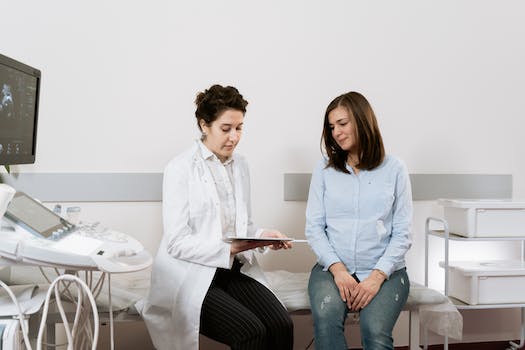
consult


What Can I Expect During Recovery? Ask about the expected recovery timeline, post-operative care, and any restrictions during the healing process.

What Results Can I Realistically Expect? Discuss your hair restoration goals and get a realistic expectation of the results you can achieve from the procedure.

Are There Any Non-Surgical Alternatives? Inquire about non-surgical options that may be suitable for your hair loss condition, in case a hair transplant isn’t the best choice.

What Is the Total Cost? Get a comprehensive breakdown of the total cost, including the procedure, anesthesia, follow-up visits, and any additional charges.

Are There Any References I Can Contact? Request contact information for previous patients who are willing to share their experiences with you.

Remember, a reputable hair transplant clinic will be more than happy to address your concerns and provide transparent answers during the consultation. Feel free to take notes, compare different clinics, and make an informed decision to achieve the best results.

Reviews and Patient Feedback

Hair Transplant Clinic – Reviews and Patient Feedback

If you’re considering a hair transplant, you’re probably aware that choosing the right clinic is crucial for achieving the best results. With so many options out there, it can be overwhelming to find a trustworthy and reputable hair transplant clinic. One effective way to assess a clinic’s reliability is by checking out its reviews and patient feedback. Here, we’ve compiled a concise list of ten essential points to consider when evaluating hair transplant clinic reviews:

Reputable Platforms: Look for reviews on reputable websites, such as Google, Yelp, or RealSelf. These platforms ensure that reviews are genuine and unbiased.

Quantity and Recency: Check if the clinic has a substantial number of recent reviews. This indicates the clinic’s current performance and consistency.

Overall Rating: Pay attention to the overall rating. A high rating is a positive sign, but also read individual reviews to get a complete picture.

Detailed Experiences: Seek reviews that provide detailed experiences. These give valuable insights into the clinic’s procedures and patient satisfaction.

Before-and-After Photos: Look for reviews with before-and-after photos of patients. These visual references showcase the clinic’s capabilities.


hair transplant surgery


Surgeon’s Expertise: Assess whether the reviews mention the surgeon’s expertise and qualifications. This ensures you’re in capable hands.

Post-Procedure Support: Reviews discussing the clinic’s post-procedure support are essential. A reputable clinic will guide and assist patients throughout the recovery process.

Natural Results: Positive reviews emphasizing natural-looking results are encouraging. It shows the clinic’s commitment to delivering aesthetically pleasing outcomes.

State-of-the-Art Technology: Look for reviews mentioning the clinic’s use of advanced technology. Cutting-edge equipment can enhance the success of the transplant.

Overall Satisfaction: Lastly, check for reviews where patients express overall satisfaction with their hair transplant experience.

Remember that reviews should only be one factor in your decision-making process. Consultations with the clinic and the surgeon, as well as checking their credentials, are equally important steps to take.

Understanding Credentials and Experience

Hair Transplant Clinic – Understanding Credentials and Experience

When considering a hair transplant, it’s crucial to choose a reputable clinic with experienced professionals to ensure the best results. Hair transplant procedures require skill, precision, and a keen understanding of the latest techniques. To help you make an informed decision, we’ve compiled a list of essential factors to consider when evaluating a hair transplant clinic’s credentials and experience:

Board-Certified Surgeons: Ensure the clinic has board-certified surgeons with specialized training in hair transplantation.

Experience and Track Record: Look for clinics with a proven track record of successful hair transplant procedures. Years of experience matter.

Before-and-After Photos: Check for before-and-after photos of previous patients to assess the clinic’s ability to deliver natural-looking results.

Patient Testimonials: Read testimonials or reviews from previous patients to gauge their satisfaction with the clinic’s services.

Technology and Techniques: Inquire about the clinic’s use of advanced technology and the latest hair transplant techniques.

Accreditation: Confirm if the clinic is accredited by reputable medical organizations, ensuring adherence to industry standards.


consult


Consultation Process: A reliable clinic will offer a comprehensive consultation to assess your needs and provide personalized recommendations.

Transparent Pricing: Make sure the clinic provides clear and transparent pricing details without hidden costs.

Safety and Hygiene: Check that the clinic follows strict safety and hygiene protocols to minimize the risk of complications.

Post-Procedure Care: Inquire about the post-transplant care the clinic provides to support your recovery and ensure optimal results.

By considering these crucial factors, you’ll be better equipped to choose a hair transplant clinic that meets your expectations and delivers outstanding results.

Factors to Consider When Choosing a Hair Transplant Surgeon

Factors to Consider When Choosing a Hair Transplant Surgeon

When it comes to undergoing a hair transplant, choosing the right surgeon is crucial for a successful and satisfying outcome. With so many options available, it can be overwhelming to find the best fit for your needs. To help you make an informed decision, we’ve compiled a list of essential factors to consider when selecting a hair transplant surgeon.

Experience and Credentials: Look for a surgeon with extensive experience in performing hair transplants. Check their credentials, certifications, and affiliations with reputable medical organizations.

Specialization in Hair Transplantation: Ensure that the surgeon specializes specifically in hair transplant procedures and has a track record of successful surgeries.

Before-and-After Photos: Review the surgeon’s portfolio of before-and-after photos from previous patients to assess the quality of their work.

Patient Reviews and Testimonials: Read reviews and testimonials from previous patients to get insights into their experiences and satisfaction with the results.

Personal Consultation: Schedule a consultation with the surgeon to discuss your concerns, assess your candidacy, and understand the recommended treatment plan.


Technology and Techniques: Inquire about the latest technology and techniques used by the surgeon, as advanced methods often lead to better outcomes.

Safety Measures: Ensure that the surgical facility adheres to strict safety standards and guidelines to minimize the risk of complications.

Transparent Pricing: Request a clear and detailed breakdown of the costs involved in the procedure, including any potential additional expenses.

Communication and Rapport: Choose a surgeon who communicates openly, listens to your expectations, and establishes a good rapport with you.

Post-Operative Care: Inquire about the post-operative care and support provided by the surgeon and their team to facilitate a smooth recovery process.

Remember, your choice of a hair transplant surgeon can significantly impact the final results, so take your time to research and select someone you feel confident in entrusting with your hair restoration journey.