Menu Close

Hair Styling Tips and Techniques

Hair Styling Tips and Techniques: 10 Proven Ways to Achieve Gorgeous Hair

Whether you’re getting ready for a special occasion or just want to look fabulous every day, having great hair can make a world of difference. The good news is that you don’t need to be a professional hairstylist to achieve beautiful locks. With the right tips and techniques, you can easily elevate your hair game and turn heads wherever you go. Here are ten tried-and-true hair styling tips to help you achieve stunning results:

Know Your Hair Type: Understand your hair type (straight, wavy, curly) and its unique characteristics. This knowledge will guide you in choosing the right products and techniques.

Use Quality Hair Care Products: Invest in high-quality shampoos, conditioners, and styling products suitable for your hair type. They nourish and protect your hair, giving it a healthy shine.

Towel Dry with Care: After washing your hair, gently pat it dry with a soft towel. Avoid rubbing vigorously, as it can lead to frizz and breakage.

Protect from Heat Damage: Before using heat styling tools like curling irons or straighteners, apply a heat protectant spray to shield your hair from damage.

Choose the Right Brush: Use the appropriate brush for your hair type. Paddle brushes are ideal for straight hair, while round brushes work well for adding volume and curls.


hairstyle1


Section Your Hair: When styling, divide your hair into sections. This makes the process easier, especially for complex hairstyles like updos.

Master the Basics: Learn basic hairstyles like ponytails, braids, and buns. They form the foundation for more intricate styles.

Embrace Hair Accessories: Hair accessories like headbands, clips, and scarves can effortlessly elevate your look and add flair to your hairstyle.

Experiment with Products: Don’t be afraid to try different hair products to achieve various looks. Texturizing sprays, hair serums, and volumizing mousses can transform your hair game.

Regular Trims are Vital: Schedule regular trims to maintain healthy hair and prevent split ends. This ensures your hair looks fresh and vibrant.

Remember, practice makes perfect! Don’t get discouraged if your first attempts aren’t flawless. With time and patience, you’ll master these hair styling tips and techniques, and your hair will thank you with a dazzling display of beauty.

Protecting Hair from Damage

10 Tips for Protecting Your Hair from Damage

Gentle Shampooing: Use a sulfate-free shampoo to avoid stripping natural oils and wash your hair no more than three times a week.

Conditioning Routine: Apply a nourishing conditioner to hydrate and strengthen your hair after every shampoo.

Heat Styling Caution: Minimize the use of heat-styling tools like flat irons and curling wands. When necessary, use a heat protectant spray before styling.

Towel Drying: Pat your hair gently with a microfiber towel to reduce friction and prevent breakage.

Avoid Tight Hairstyles: Give your hair a break from tight ponytails and braids that can cause stress on the strands.


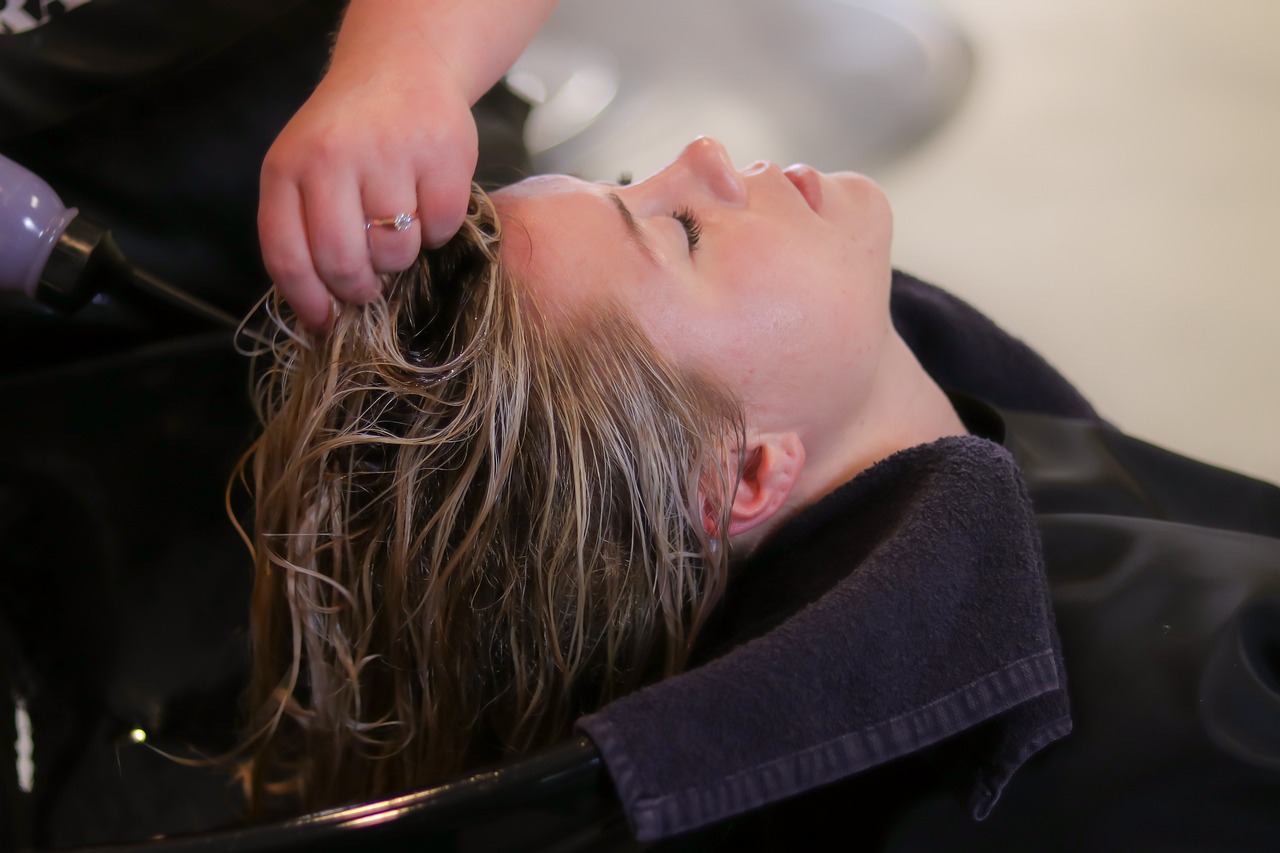
shampooing


Regular Trims: Schedule regular trims every 6 to 8 weeks to remove split ends and maintain healthy hair.

Protective Styles: Embrace protective hairstyles like buns or twists to shield your hair from environmental damage.

Satin Pillowcase: Sleep on a satin pillowcase to minimize friction and prevent hair tangles while you rest.

UV Protection: Wear a hat or use hair products with UV protection when exposed to sunlight for extended periods.

Balanced Diet: Maintain a healthy diet with plenty of protein, vitamins, and minerals to promote strong and vibrant hair.

Hair Transplant Concord California

Are you tired of dealing with hair loss and looking for a solution? Look no further! In the bustling city of Concord, California, a revolutionary hair transplant procedure has been making waves. Hair Transplant Concord California offers state-of-the-art treatments that can restore your confidence and give you a full head of hair. Say goodbye to wigs, hats, and insecurities, and say hello to natural-looking, permanent results. Whether you’re a man or woman, this article will explore the benefits of hair transplant procedures in Concord, California, and why it’s the perfect solution for your hair loss concerns.

Hair Transplant Concord California

History of Hair Transplants

Hair transplantation is a surgical procedure that aims to restore hair growth in areas of the scalp where hair loss or thinning has occurred. The technique has evolved significantly over the years, with advancements in technology and a better understanding of hair loss. Let’s delve into the history of hair transplants and explore the origins, early techniques, and the remarkable advancements made in this field.

The origins of hair transplantation

The concept of hair transplantation dates back to the 18th century when Dr. John Peter Mettauer performed the first recorded experimental hair transplant on a patient in 1822. However, it was not until the early 20th century that the procedure gained traction. In 1939, Dr. Okuda, a Japanese dermatologist, developed a groundbreaking technique known as the “punch grafting” method. This technique involved transplanting small round grafts from hair-bearing areas of the scalp to bald areas.

Early techniques and limitations

The early techniques of hair transplantation were limited by the type and size of grafts that could be harvested. These techniques often resulted in a “doll’s hair” appearance and could not effectively address extensive hair loss. Additionally, surgeons faced challenges in ensuring graft survival and achieving natural-looking results due to limitations in surgical instruments and techniques.

Advancements in hair transplant technology

In the 1990s, the introduction of follicular unit transplantation (FUT) revolutionized the field of hair transplantation. FUT involves harvesting a strip of hair-bearing scalp from the back or sides of the head and dissecting it into individual follicular units. These units contain one to four hairs, mimicking the natural hair growth pattern. This technique allowed for more precise placement of grafts and improved aesthetic outcomes. Further advancements in technology, such as the development of robotic hair transplant systems, have made the procedure more efficient and precise.

Understanding Hair Loss

Before diving into the details of the hair transplant procedure, it is crucial to understand the common causes, types, and patterns of hair loss. Moreover, familiarizing yourself with hair loss prevention and alternative treatment options can help you make informed decisions about your hair health.

Common causes of hair loss

Hair loss can be attributed to various factors, including genetics, hormonal changes, certain medical conditions, and lifestyle choices. Male pattern baldness, also known as androgenetic alopecia, is the most common cause of hair loss in men. Women may experience hair loss due to hormonal imbalances, pregnancy, thyroid disorders, or menopause. Other factors, such as stress, poor nutrition, and harsh hair treatments, can also contribute to hair loss.

Types and patterns of hair loss

Hair loss can manifest in different ways, depending on the underlying cause. Male pattern baldness typically begins with a receding hairline and thinning at the crown, gradually progressing to complete baldness. Female pattern hair loss often results in overall thinning of the hair, particularly at the crown and temples. Other types of hair loss include alopecia areata (patchy hair loss), telogen effluvium (temporary hair shedding), and traction alopecia (hair loss due to excessive pulling or tension on the hair).

Hair loss prevention and treatment options

While hair loss is a common concern for many individuals, several preventive measures and treatment options are available. Maintaining a healthy lifestyle, including a balanced diet, regular exercise, and stress management, can promote overall hair health. Additionally, topical medications, such as minoxidil (Rogaine), and oral medications, like finasteride (Propecia), can help slow down hair loss and promote regrowth. Laser therapy, platelet-rich plasma (PRP) treatments, and hair growth supplements are among the alternative treatment options to consider.

Hair Transplant Concord California

Hair Transplant Procedure

A successful hair transplant procedure involves several crucial steps, from the initial consultation and evaluation to the post-operative care and recovery process. Understanding the various stages of the procedure can help you prepare physically and mentally for the transformative experience.

Consultation and evaluation

The first step in the hair transplant process is a consultation with a qualified hair transplant surgeon. During this consultation, the surgeon will assess your hair loss pattern, evaluate the donor area’s quality and availability, and discuss your goals and expectations. They will also explain the surgical techniques suitable for your individual case and address any concerns or questions you may have.

Preparation for the surgery

Once you have decided to proceed with the hair transplant, the surgeon will provide you with pre-operative instructions. These instructions may include avoiding certain medications, ceasing smoking, and refraining from alcohol consumption for a specified period before the surgery. Additionally, you may be advised to trim your hair short for easier access to the donor and recipient sites during the procedure.

Different techniques of hair transplant

There are two primary techniques for hair transplantation: follicular unit transplantation (FUT) and follicular unit extraction (FUE). FUT involves removing a strip of hair-bearing scalp from the donor area and dissecting it into individual grafts for transplantation. FUE, on the other hand, involves extracting individual follicular units directly from the donor area using a specialized punch tool. The choice of technique depends on various factors, such as the extent of hair loss, the quality of donor hair, and the surgeon’s expertise.

Graft harvesting and transplantation

After administering local anesthesia, the surgeon will begin the graft harvesting process. In FUT, a strip of scalp is removed from the donor area, while in FUE, individual follicular units are extracted one by one using a micro-punch tool. The grafts are then carefully prepared under a microscope before being transplanted into tiny incisions made in the recipient area. The surgeon’s skill and experience play a significant role in ensuring the precise placement, direction, and density of the transplanted grafts.

Recovery and post-operative care

Following the hair transplant procedure, you will be provided with post-operative instructions for proper care and to enhance the healing process. It is normal to experience some swelling, redness, and scabbing in the donor and recipient areas. You may be prescribed pain medication and antibiotics to manage discomfort and reduce the risk of infection. It is crucial to follow the surgeon’s instructions diligently, including avoiding excessive sun exposure, strenuous activities, and certain hair care products during the recovery period.

Choosing a Hair Transplant Clinic in Concord, California

The success of your hair transplant largely relies on choosing a reputable and experienced clinic that can provide exceptional care and deliver optimal results. When selecting a hair transplant clinic in Concord, California, consider the following factors:

Researching reputable clinics

Begin your search by researching and listing down reputable hair transplant clinics in Concord, California. Look for clinics with a strong reputation, positive patient reviews, and a track record of successful hair transplants. Online resources, such as websites, forums, and social media platforms, can provide valuable insights into the clinics and their surgeons’ expertise.

Considerations for selecting a clinic

Evaluate each clinic based on factors such as the surgeon’s experience and qualifications, the clinic’s accreditation and certifications, the quality of patient care, and the advanced technology and techniques utilized. It is essential to choose a clinic that prioritizes patient safety, follows ethical practices, and maintains a high standard of professionalism.

Patient reviews and testimonials

Reading patient reviews and testimonials can offer valuable firsthand experiences from individuals who have undergone hair transplant procedures at different clinics. Pay attention to reviews that highlight the patients’ overall satisfaction, the naturalness of the results, and the level of post-operative care provided by the clinic and its staff.

Costs and insurance coverage

While cost should not be the sole determining factor, it is important to consider the financial implications of a hair transplant procedure. Consultation with different clinics to obtain a comprehensive breakdown of costs, including the surgical fees, anesthesia charges, and any additional medications or post-operative care required. Additionally, check whether your health insurance provides coverage for hair transplant procedures.

Hair Transplant Concord California

Benefits of Hair Transplant

A hair transplant can offer numerous benefits beyond just restoring a full head of hair. Let’s explore some of the notable advantages of undergoing a hair transplant:

Restoration of a full head of hair

The primary benefit of a hair transplant is the restoration of a natural-looking, full head of hair. By transplanting healthy hair follicles to the areas affected by hair loss or thinning, the procedure can significantly improve density, coverage, and overall aesthetic appearance.

Improved self-confidence and self-esteem

Hair loss can have a profound impact on an individual’s self-confidence and self-esteem. By restoring a youthful and fuller head of hair, a hair transplant can help individuals feel more confident in their appearance, improving their overall quality of life and social interactions.

Natural and permanent results

One of the remarkable aspects of a hair transplant is the ability to achieve natural-looking results. Skilled surgeons can strategically place the transplanted grafts to match the natural hairline, direction, and density, ensuring a seamless integration with the existing hair. Furthermore, the transplanted hair follicles are typically resistant to the hormone responsible for hair loss, making the results permanent.

Risks and Side Effects of Hair Transplant

As with any surgical procedure, hair transplants carry certain risks and potential side effects. Understanding these risks can help you make an informed decision and ensure proper post-operative care.

Scarring and potential for infection

In FUT hair transplants, a linear scar may be left at the donor site where the strip of scalp was removed. However, this scar can typically be concealed by surrounding hair. Additionally, there is a slight risk of infection at the surgical sites, which can typically be prevented with proper hygiene and post-operative care.

Bleeding and swelling

Some degree of bleeding and swelling is expected following a hair transplant procedure. This is usually temporary and subsides within a few days. The surgeon may prescribe medications or recommend cold compresses to minimize these side effects.

Temporary shock loss

After a hair transplant, it is common for the transplanted hair to undergo a temporary shedding phase known as shock loss. This is a normal part of the healing process, and the transplanted hair typically regrows after a few months. It is important to be patient and understand that the final results may take several months to become evident.

Numbness or lack of sensation in the scalp

Temporary numbness or lack of sensation in the scalp is another potential side effect of a hair transplant. This typically resolves within a few weeks or months as the nerves regenerate. In rare cases, some individuals may experience permanent numbness or altered sensation.

Factors Affecting Hair Transplant Success

Several factors can influence the success and overall outcome of a hair transplant procedure. Understanding these factors can help manage expectations and contribute to a more successful result.

Patient’s age and hair loss pattern

The age of the patient and the pattern of hair loss can play a role in determining the success of a hair transplant. Younger individuals with minimal hair loss may experience better outcomes due to better donor hair quality and a longer timeline for potential future hair loss. However, hair transplants can be successful for individuals of all ages and hair loss patterns when performed by an experienced surgeon.

Quality and availability of donor hair

The success of a hair transplant heavily relies on the quality and availability of donor hair. The donor area, usually located at the back or sides of the head, is where healthy hair follicles are harvested. The density, texture, and overall quality of the donor hair influence the outcome of the transplant. Individuals with a good supply of healthy donor hair can generally achieve better results.

Experience and skill of the surgeon

Choosing a highly skilled and experienced hair transplant surgeon is crucial for a successful outcome. Surgeons with extensive experience in performing hair transplants are more likely to have honed their skills in graft extraction, placement, and creating natural-looking hairlines. Research the qualifications, certifications, and track record of potential surgeons to ensure they have the necessary expertise.

Proper post-operative care

Post-operative care plays a vital role in the success of a hair transplant. Following the surgeon’s instructions regarding washing, moisturizing, and protecting the transplanted area is crucial. Additionally, avoiding activities that could put excessive strain on the scalp, such as strenuous exercise or wearing hats, can promote optimal healing.

Alternatives to Hair Transplant

While hair transplant procedures can yield highly effective and natural results, they may not be the right choice for everyone. Fortunately, several alternatives exist for individuals seeking non-surgical options to address hair loss.

Topical hair growth products

Topical hair growth products, such as minoxidil (Rogaine), can help slow down hair loss and promote hair regrowth. These products are typically applied directly to the scalp and are available over-the-counter. It is important to note that topical products may not produce the same significant results as a hair transplant, particularly for individuals with advanced hair loss.

Scalp micropigmentation

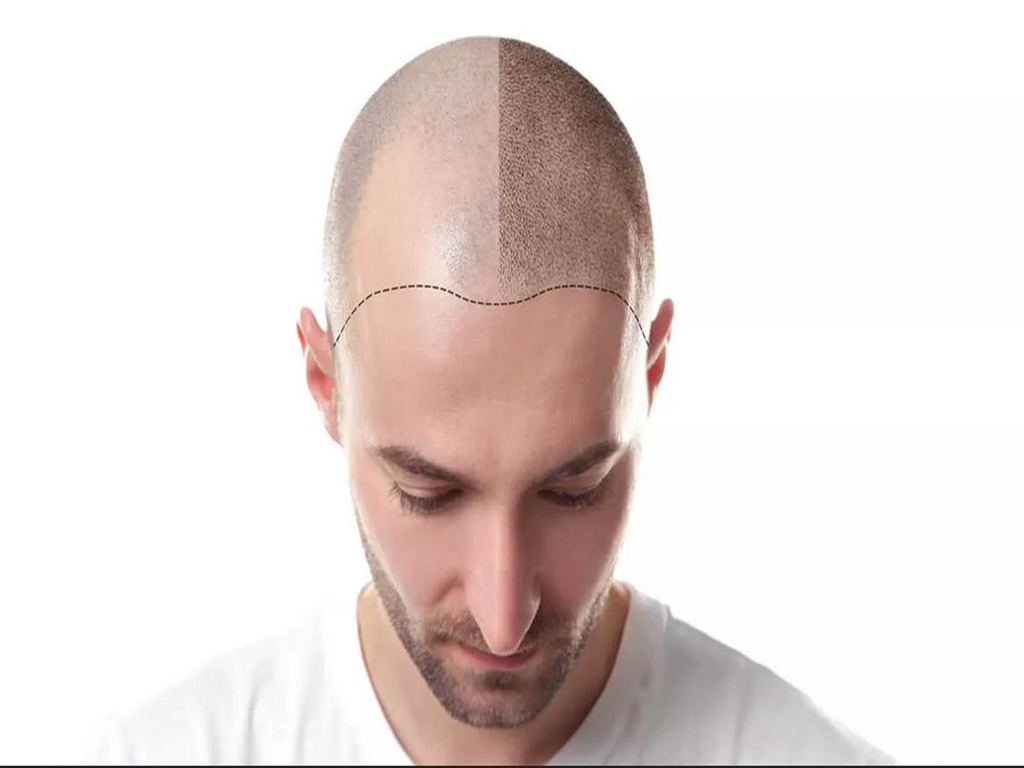
Scalp micropigmentation (SMP) is a non-surgical cosmetic procedure that uses specialized tattoo techniques to create the appearance of a closely shaved head or denser hair. This technique involves depositing pigments in the scalp to mimic the look of hair follicles. SMP can be a suitable option for individuals who prefer a shorter hairstyle or want to add the appearance of density to thinning areas.

Wigs and hairpieces

Wearing wigs or hairpieces is a non-invasive and reversible solution for individuals experiencing hair loss. Modern wigs and hairpieces are designed to look natural and can be customized to match your desired hairstyle, color, and texture. They provide an immediate cosmetic solution but require regular maintenance and adjustments to maintain a natural appearance.

Hair loss concealers

Hair loss concealers are cosmetic products, such as powders, sprays, or fibers, that adhere to the existing hair and provide the appearance of thicker, fuller hair. These products can be effective in camouflaging thinning areas or bald patches, but they are not a permanent solution. They require regular application and need to be used in conjunction with proper hair care and grooming practices.

Frequently Asked Questions

Am I a suitable candidate for a hair transplant?

Determining if you are a suitable candidate for a hair transplant requires an evaluation by a qualified hair transplant surgeon. Factors such as the extent of hair loss, the quality and availability of donor hair, and your overall health will be considered during the assessment. Consulting with a hair transplant specialist will help determine the best course of action for your specific case.

Is hair transplant surgery painful?

During a hair transplant procedure, local anesthesia is administered to ensure that you are comfortable and pain-free. You may experience minimal discomfort during the injection of anesthesia, but the procedure itself should be largely painless. After the surgery, you may experience some soreness or discomfort, which can be managed with prescribed pain medication.

How long does the procedure take?

The duration of a hair transplant procedure depends on various factors, including the number of grafts being transplanted and the technique employed. On average, a hair transplant procedure can take anywhere from several hours to a full day. During your consultation, the surgeon can provide you with a more accurate estimate based on your specific case.

How much does a hair transplant cost?

The cost of a hair transplant can vary depending on factors such as the extent of hair loss, the number of grafts required, the chosen technique, the surgeon’s expertise, and the location of the clinic. It is recommended to consult with different clinics and obtain a comprehensive breakdown of costs, including pre-operative and post-operative expenses, before making a decision. Additionally, check if your health insurance provides coverage for hair transplant procedures.

Celebrity Hair Transplants

Hair loss can affect individuals from all walks of life, including celebrities. Many famous individuals have openly discussed their hair transplant experiences and the transformations they have undergone. These individuals serve as great examples that hair transplants can effectively restore confidence and impact one’s public image. Some notable celebrities who have undergone hair transplants include Wayne Rooney, Elton John, Matthew McConaughey, and Gordon Ramsay.

Hair transplantation has come a long way since its early beginnings. With advancements in technology and surgical techniques, individuals experiencing hair loss now have more options than ever before. Whether you choose a hair transplant, explore alternative treatments, or opt for non-surgical solutions, there is hope for regaining a fuller head of hair and boosting your self-confidence. Take the time to research reputable clinics, consult with qualified surgeons, and consider your individual needs and preferences to make an informed decision about your hair health.

Hair Transplants for Ethnic Hair Types

Hair Transplants for Ethnic Hair Types

Hair transplants are an effective solution for hair loss, but when it comes to different ethnic hair types, certain considerations are crucial to achieve the best results. If you’re considering a hair transplant and have ethnic hair, here are ten essential points you need to know:

Understanding Ethnic Hair: Ethnic hair types vary significantly in texture, curl pattern, and thickness. It is essential to have a hair transplant specialist who is experienced in dealing with diverse hair types.

Consultation is Key: Schedule a consultation with a qualified hair transplant surgeon who has experience with ethnic hair. They can assess your unique hair characteristics and tailor a treatment plan accordingly.

Follicular Unit Extraction (FUE): FUE is a popular hair transplant technique suitable for various hair types, including ethnic hair. It involves extracting individual hair follicles from the donor area and transplanting them to the recipient area.

Follicular Unit Transplantation (FUT): FUT is another technique that can be effective for ethnic hair. It involves removing a strip of tissue from the donor area and dissecting it into individual follicular units for transplantation.

Natural Hairline Design: Ethnic hairlines tend to differ from those of other ethnicities. A skilled surgeon will consider your facial features and hairline pattern to create a natural-looking hairline that complements your appearance.


Hair Transplant


Donor Hair Density: Ethnic hair can have varying densities, which may affect the number of grafts available for transplantation. The surgeon will assess your donor area’s capacity to ensure sufficient grafts for the transplant.

Curly Hair Challenges: Transplanting curly hair requires special attention as it can create a different appearance when compared to straight hair. Expertise in handling curly hair is vital to achieve optimal results.

Careful Graft Placement: Implanting grafts at the correct angle and direction is crucial for a seamless and natural look. Skillful placement ensures that the transplanted hair grows in the desired direction.

Post-Transplant Care: Following your surgeon’s post-operative care instructions is essential for successful healing and hair growth. Proper care minimizes the risk of complications and promotes healthy hair growth.

Patience for Results: Hair transplant results take time, especially for ethnic hair types. It may take several months for the transplanted hair to grow and blend in naturally with your existing hair.

Hair Transplants for Men

10 Key Points About Hair Transplants for Men

What is a Hair Transplant?

A hair transplant is a surgical procedure to address male pattern baldness.
It involves moving hair follicles from one part of the body (usually the back or sides of the head) to the balding or thinning areas.

Suitable Candidates

Men experiencing male pattern baldness with healthy hair follicles are ideal candidates.
Adequate donor hair availability is essential for a successful transplant.

Types of Hair Transplants

Follicular Unit Transplantation (FUT): Involves harvesting a strip of scalp for grafts.

Follicular Unit Extraction (FUE): Involves extracting individual hair follicles for transplantation.

Natural-Looking Results

Skilled surgeons can create natural-looking hairlines that match facial features.
Transplanted hair grows and behaves like natural hair over time.


Hair Transplant


Minimal Scarring

FUT leaves a linear scar, but it’s easily concealed with longer hair.
FUE causes tiny, scattered scars that are less noticeable.

Recovery and Downtime

Recovery usually takes a few days, with minimal discomfort.
Most patients can resume normal activities within a week.

Long-Term Benefits

The transplanted hair is permanent and requires no special maintenance.
Results can be seen within a few months and improve over a year.

Cost Considerations

Hair transplants can be an investment, but they offer long-term benefits.
The cost varies based on the extent of baldness and the technique used.

Risks and Complications

Hair transplants are generally safe, but complications like infection or scarring can occur.
Choosing an experienced surgeon reduces the risks significantly.

Boost in Confidence

Restoring a fuller head of hair can enhance self-esteem and confidence.
Many men report improved social interactions and emotional well-being after the procedure.

Hair Growth Cycle

The Hair Growth Cycle: 10 Key Facts You Should Know

The hair growth cycle is a fascinating process that determines the growth, rest, and shedding phases of our hair. Understanding this cycle is essential for maintaining healthy, luscious locks. Here are ten key facts to shed some light on this natural wonder:

Anagen Phase:
The anagen phase is the growth phase of the hair cycle. During this time, hair follicles actively produce new hair cells, resulting in noticeable hair growth. This phase typically lasts two to seven years, and the longer the anagen phase, the longer your hair can grow.

Catagen Phase:
Following the anagen phase, hair follicles enter the catagen phase, a transitional stage that lasts about two weeks. In this phase, the hair stops growing, and the hair follicle shrinks, preparing for the next phase.

Telogen Phase:
The telogen phase is the resting phase of the hair growth cycle, lasting around three months. During this period, the hair is fully developed but not actively growing. Approximately 10-15% of your hair is in this phase at any given time.

Shedding:
After the telogen phase, hair sheds to make room for new hair growth. On average, individuals lose 50-100 hairs daily. This shedding is a natural and healthy part of the hair growth cycle.

Factors Affecting Hair Growth:
Various factors can influence the hair growth cycle, such as age, genetics, diet, hormonal changes, and overall health. Taking care of your body and maintaining a balanced lifestyle can positively impact hair growth.


Hair Transplant


Hair Growth Rate:
Hair growth rate varies among individuals. On average, hair grows about half an inch (1.27 cm) per month. However, this rate may fluctuate depending on genetics and other factors.

Hair Growth and Seasons:
Believe it or not, the hair growth cycle can be influenced by the seasons. Some studies suggest that hair tends to grow faster during the warmer months and slower during the colder ones.

Hair Products and Growth:
While there’s no magical potion for instant hair growth, using hair care products that nourish and protect your hair can enhance its appearance and maintain its health during the growth cycle.

Hair Growth Disorders:
Sometimes, disruptions in the hair growth cycle can lead to conditions like alopecia areata, telogen effluvium, or androgenetic alopecia. If you notice excessive hair loss or bald patches, it’s crucial to consult a healthcare professional or dermatologist.

Scalp and Hair Anatomy

Scalp and Hair Anatomy: Understanding the Foundations of Your Hair

The scalp and hair are vital components of our appearance, contributing to our confidence and individuality. Understanding the basics of their anatomy can help us maintain healthy, luscious locks. In this article, we’ll delve into the key aspects of scalp and hair anatomy, giving you comprehensive insight in a concise and engaging manner.

The Scalp’s Structure:

The scalp is the skin covering the head, comprising several layers.
The epidermis is the outermost layer responsible for protecting the scalp.
Beneath the epidermis lies the dermis, containing hair follicles, sebaceous glands, and blood vessels.
The subcutaneous tissue lies beneath the dermis, acting as insulation for the scalp.

Hair Follicles:

Hair follicles are tiny cavities within the scalp where hair grows.
Each hair follicle has a sebaceous gland that produces sebum, a natural hair conditioner.
The number of hair follicles is genetically determined and remains constant throughout life.

Hair Shaft:

The visible part of the hair is the hair shaft.
It consists of three layers: the cuticle, cortex, and medulla.
The cuticle is the protective outer layer, and the cortex determines hair strength and color.

Hair Growth Phases:

Hair growth occurs in three phases: anagen (active growth), catagen (transitional), and telogen (resting).
Anagen lasts for several years and determines hair length.
Catagen and telogen phases are shorter, leading to hair shedding and renewal.

Hair Pigmentation:

Hair color results from melanin, a pigment produced by specialized cells called melanocytes.
Decreased melanin production leads to gray hair, while absent melanin results in white hair.


Hair Transplant


Blood Supply:

The scalp receives a rich blood supply through arteries and veins, providing essential nutrients to hair follicles.

Nerve Endings:

The scalp contains nerve endings that make it sensitive to touch, pain, and temperature.

Hair’s Function:

Hair serves as protection against sunlight and minor injuries on the scalp.

Hair Growth Patterns:

Hair growth patterns vary among individuals and may change over time.

Factors Affecting Scalp and Hair Health:

Proper nutrition, hydration, and scalp care are essential for healthy hair.
External factors like sun exposure and harsh hair treatments can impact hair health.

Understanding the scalp and hair’s anatomy empowers us to make informed decisions about hair care, leading to healthier and more vibrant locks. By nurturing our hair’s foundation, we can embrace our uniqueness and radiate confidence every day.

Different Types of Hair Loss (Androgenetic Alopecia, Alopecia Areata, etc.)

Understanding Different Types of Hair Loss

Hair loss is a common concern that affects both men and women, impacting self-esteem and confidence. There are various types of hair loss, each with its unique causes and characteristics. In this article, we will explore the most common types of hair loss and shed some light on their key features.

Androgenetic Alopecia

Also known as male or female pattern baldness.
Caused by a combination of genetic and hormonal factors.
Characterized by gradual thinning of hair on the crown and temples in men and diffuse thinning in women.

Alopecia Areata

An autoimmune disorder that leads to patchy hair loss.
The immune system mistakenly attacks hair follicles, causing hair to fall out in small, round patches.
Can occur on the scalp and other areas with hair, like eyebrows and beard.

Telogen Effluvium

Triggered by significant physiological or emotional stress.
Hair prematurely enters the resting phase (telogen) and sheds more than usual.
Often temporary and reversible once the underlying cause is addressed.

Traction Alopecia

Caused by excessive tension on the hair due to tight hairstyles (e.g., ponytails, braids).
Hair loss occurs in areas where constant pulling is experienced.
Can be prevented by avoiding tight hairstyles and allowing hair to rest.

Anagen Effluvium

Usually drug-induced, such as chemotherapy or radiation treatment.
Rapid loss of hair during the anagen (growth) phase.
Hair follicles are affected, leading to severe hair loss.


alopecia


Trichotillomania

A psychological disorder where individuals have an irresistible urge to pull out their hair.
Results in patchy hair loss due to self-inflicted pulling.
Behavioral therapy can be helpful in managing this condition.

Scarring Alopecia

Hair loss caused by permanent damage to hair follicles and replaced by scar tissue.
Often associated with conditions like lichen planopilaris and folliculitis.
Hair cannot regrow in affected areas.

Age-Related Hair Loss

As people age, hair growth slows down, and hair becomes thinner and more fragile.
Common in both men and women but more pronounced in men (male pattern baldness).

Nutritional Deficiency-Induced Hair Loss

Lack of essential nutrients like iron, zinc, and biotin can contribute to hair loss.
A balanced diet and supplementation can help improve hair health.

Hormonal Hair Loss (Postpartum Hair Loss)

Occurs after childbirth due to hormonal changes.
A temporary condition and hair usually regrows after a few months.
Understanding the various types of hair loss can help individuals identify the underlying causes and seek appropriate treatments or solutions. Consulting a dermatologist or hair specialist can provide personalized guidance for addressing hair loss concerns effectively.

Causes of Hair Loss

Top 10 Causes of Hair Loss: Understanding the Root of the Problem

Hair loss is a common concern for both men and women and understanding its underlying causes is crucial for effective treatment and prevention. Whether you’re experiencing a receding hairline, thinning strands, or significant hair shedding, knowing what’s causing it can help you take the right steps toward maintaining a healthy mane. In this article, we’ll explore the top 10 causes of hair loss in a concise and engaging manner.

Genetics: Family history plays a significant role in determining if you’re predisposed to hair loss, as certain genes can make you more susceptible to pattern baldness.

Hormonal Imbalance: Fluctuations in hormone levels, such as during pregnancy, menopause, or thyroid disorders, can disrupt the hair growth cycle and lead to hair loss.

Stress: Chronic stress can trigger a condition called Telogen Effluvium, causing a large number of hair follicles to enter the resting phase simultaneously, resulting in excessive shedding.

Nutritional Deficiencies: Inadequate intake of essential nutrients like iron, biotin, zinc, and vitamins can weaken hair strands and cause them to fall out prematurely.

Medical Conditions: Certain health conditions, such as alopecia areata (autoimmune disorder), scalp infections, and skin disorders, can lead to hair loss.


Hairstyles and Treatments: Tight hairstyles, frequent use of heat styling tools, chemical treatments, and extensions can damage hair follicles and cause breakage.

Medications: Some drugs, like chemotherapy, antidepressants, and blood thinners, have hair loss as a side effect due to their impact on the hair growth cycle.

Age: As we age, the rate of hair growth slows down, and hair follicles may shrink, leading to thinner hair.

Overactive Immune System: Autoimmune diseases may mistakenly attack hair follicles, leading to hair loss in patches or all over the scalp.

Environmental Factors: Exposure to pollutants, UV radiation, and harsh chemicals can damage the hair shaft and weaken the roots, causing hair loss.

Understanding the causes of hair loss is the first step toward finding an appropriate solution. If you’re concerned about your hair loss, consult a dermatologist or hair specialist to identify the specific cause and explore the best treatment options for your unique situation.

Non-surgical Hair Restoration Techniques

10 Non-Surgical Hair Restoration Techniques for a Fuller Mane


Having a lush and voluminous head of hair is a desire shared by many. Hair loss or thinning can be distressing, but not everyone is willing to undergo surgical procedures to restore their hair. Luckily, non-surgical hair restoration techniques offer effective solutions without the need for scalpels and stitches. In this article, we’ll explore ten of these non-invasive methods that can help you regain your crowning glory.

Topical Hair Growth Products:
Using over-the-counter or prescription topical treatments like minoxidil can stimulate hair growth and slow down hair loss. These solutions are easy to apply and require no medical intervention.

Laser Hair Therapy:
Low-level laser therapy (LLLT) is a safe and painless procedure that utilizes light energy to stimulate hair follicles, promoting hair growth and enhancing hair thickness.

Platelet-Rich Plasma (PRP) Therapy:
PRP therapy involves drawing a small amount of the patient’s blood, processing it to extract platelet-rich plasma, and then injecting it into the scalp to encourage hair regrowth.

Scalp Micropigmentation (SMP):
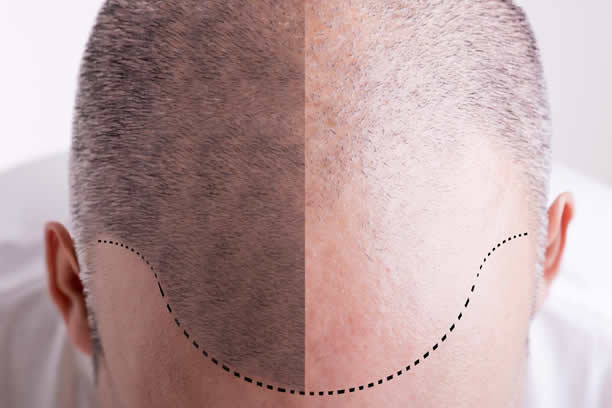
SMP is a cosmetic tattooing technique that creates the illusion of thicker hair by depositing tiny pigment dots on the scalp.


hairwashing


Hair Thickening Fibers:
These micro-sized fibers, usually made of keratin, adhere to existing hair, instantly adding volume and fullness to the thinning areas.

Hair Growth Supplements:
Taking supplements with essential vitamins, minerals, and nutrients can improve hair health and encourage stronger hair growth.

Low-Level Light Therapy (LLLT) Devices:
Handheld LLLT devices emit therapeutic light to the scalp, promoting hair growth and reducing shedding when used regularly.

Hair Loss Concealers:
Concealer products, like sprays or powders, camouflage thinning areas by blending the existing hair with colored fibers, giving the appearance of fuller hair.

Regular scalp massages increase blood circulation to the hair follicles, delivering more nutrients and oxygen, which can support healthier hair growth.