
Menu Close

Factors to Consider Before Choosing Hair Transplantation

10 Key Factors to Consider Before Choosing Hair Transplantation

Are you experiencing hair loss and considering hair transplantation as a solution? Hair transplant procedures have gained popularity over the years as a viable option for restoring hair and confidence. However, before you embark on this journey, it’s crucial to consider several factors to ensure the best possible outcome. Here are ten key factors you should take into account:

Candidate Assessment: Make sure you are a suitable candidate for hair transplantation. Ideal candidates typically have stable hair loss, good general health, and adequate donor hair at the back or sides of the head.

Type of Hair Loss: Determine the type and extent of your hair loss. Different hair loss patterns might require different approaches, such as FUE (Follicular Unit Extraction) or FUT (Follicular Unit Transplantation).

Consultation with a Qualified Specialist: Consult with a reputable hair transplant surgeon to evaluate your condition properly. Ask about their experience, and qualifications, and check patient testimonials or before-and-after photos.

Realistic Expectations: Set realistic expectations about the results. Hair transplantation can improve your appearance, but it may not fully restore your hair to its original density.

Cost and Financing: Consider the cost of the procedure and inquire about financing options if necessary. Remember that a high price doesn’t always guarantee the best results.

Recovery Time: Understand the recovery process and time required post-surgery. Factor in any potential downtime from work or other activities.
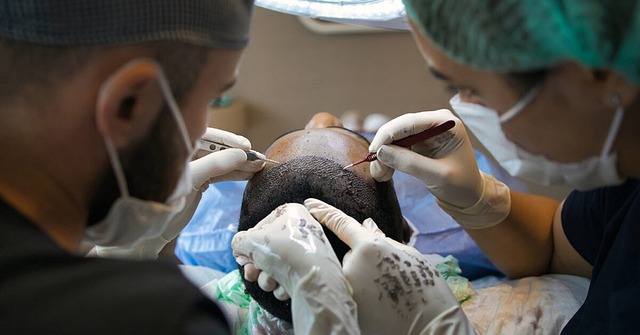
hair transplant

Potential Risks and Side Effects: Be aware of the potential risks and side effects associated with hair transplantation. Although uncommon, complications like infection or scarring may occur.

Maintenance and Follow-up: Hair transplantation is a lifelong commitment. Inquire about post-surgery care and maintenance to ensure the longevity of the transplanted hair.

Alternatives to Transplantation: Explore non-surgical alternatives like medications or laser therapies before deciding on surgery.

Clinic Reputation and Facility: Choose a reputable hair transplant clinic with a sterile and well-equipped facility. Do thorough research and read reviews to ensure you’re making the right choice.

Remember, hair transplantation is a significant decision that can positively impact your self-esteem and appearance. By considering these ten factors before choosing hair transplantation, you’ll be better equipped to make an informed and confident choice.

Follicular Unit Transplantation (FUT)

The Ultimate Guide to Follicular Unit Transplantation (FUT)

  1. What is FUT?
    • FUT stands for Follicular Unit Transplantation, a surgical hair restoration procedure that involves harvesting hair from the donor area and transplanting it into areas of thinning or balding on the scalp.
  2. How does it work?
    • A strip of hair-bearing skin is removed from the donor area (usually the back of the head).
    • The strip is dissected into individual follicular units containing 1 to 4 hairs each.
    • Tiny incisions are made in the recipient area where the follicular units will be transplanted.
    • The follicular units are carefully placed into the incisions, creating a natural-looking hairline and density.
  3. Suitable candidates for FUT
    • Individuals with significant hair loss or balding.
    • Those with adequate donor hair on the back or sides of the scalp.
    • Patients with realistic expectations about the results.
  4. Advantages of FUT
    • Can transplant a large number of grafts in a single session.
    • Highly effective for advanced hair loss cases.
    • Provides natural and permanent results.
  5. What to expect during the procedure
    • The procedure is performed under local anesthesia, minimizing discomfort.
    • Depending on the extent of hair loss, the surgery may take several hours to complete.
    • Most patients can resume regular activities within a week.
  6. Post-operative care
    • Follow the surgeon’s instructions for cleaning and caring for the transplanted area.
    • Avoid strenuous activities that may put pressure on the scalp.
    • Medications may be prescribed to prevent infection and promote healing.
  7. Potential risks and complications
    • Like any surgery, FUT carries risks, such as infection or scarring.
    • Temporary shock loss may occur, where transplanted hairs fall out before regrowing.
  8. Recovery and results
    • The transplanted hair will shed within a few weeks, but new hair growth typically begins within a few months.
    • Final results can take 6 to 12 months to fully mature.
  9. FUT vs. FUE (Follicular Unit Extraction)
    • FUT involves removing a strip of skin, while FUE involves extracting individual follicular units one by one.
    • FUT leaves a linear scar, while FUE leaves small, scattered scars.
    • FUT may be more suitable for those needing a large number of grafts, while FUE is ideal for individuals who prefer a less invasive procedure
  • FUT is a reliable and effective hair restoration method for individuals struggling with hair loss.
  • Consulting with a qualified hair transplant surgeon will help determine if FUT is the right choice for your specific needs.

Follicular Unit Extraction (FUE)

Follicular Unit Extraction (FUE): The Modern Solution to Hair Transplant

Are you struggling with hair loss and looking for a reliable, effective, and minimally invasive hair transplant procedure? Look no further! Follicular Unit Extraction (FUE) is here to rescue your receding hairline and restore your confidence. This innovative technique has gained immense popularity in recent years for its natural-looking results and quick recovery time. Let’s dive into what FUE is all about and why it’s the go-to solution for hair restoration:

  1. What is FUE? FUE is a cutting-edge hair transplant technique that involves extracting individual hair follicles from the donor area (usually the back of the head) and transplanting them to the thinning or balding areas.
  2. No More Strip Cutting: Unlike the traditional strip method, FUE leaves no linear scars. Instead, it employs tiny, circular incisions that heal quickly and become virtually undetectable.
  3. Precision Harvesting: FUE allows for precise extraction of individual follicular units, ensuring the natural growth pattern is maintained for a seamless and realistic outcome.
  4. Minimally Invasive: FUE is minimally invasive, meaning it involves less discomfort and a faster recovery compared to older methods. You can expect to return to your regular activities within a few days.
  5. The Art of Transplantation: The skilled surgeon carefully places each harvested graft into the target area, ensuring a natural hairline and optimal coverage.
  6. No More Plug Look: With FUE, you can bid farewell to the “doll’s hair” or “pluggy” appearance that sometimes occurred with older transplant methods. The results are discrete and natural.
  7. Versatility: FUE is not limited to scalp hair restoration. It can also be used for eyebrows, beard, and mustache transplants, providing solutions for various aesthetic needs.
  8. Long-Lasting Results: The transplanted hair follicles are resistant to hair loss, providing a long-term solution for hair restoration.
  9. Quick Healing: FUE’s small incisions promote faster healing, reducing the risk of complications and infections.
  10. Boosted Confidence: As your hair begins to grow naturally, so will your confidence. Say hello to a revitalized appearance and a happier you!

In conclusion, Follicular Unit Extraction (FUE) is a modern and revolutionary hair transplant technique that has transformed the hair restoration industry. Its precision, minimal invasiveness, natural results, and quick recovery make it an appealing choice for those seeking to regain their hairline and self-assurance.

Direct Hair Implantation (DHI)

Direct Hair Implantation (DHI): The Innovative Solution to Hair Loss

Losing hair can be a distressing experience for both men and women. Thankfully, advances in medical technology have given rise to various hair restoration techniques, with Direct Hair Implantation (DHI) standing out as a cutting-edge solution. If you’re curious about DHI and its benefits, read on to discover how this innovative procedure can help you regain your confidence and a fuller head of hair!

1. What is Direct Hair Implantation (DHI)?

  • DHI is an advanced hair transplantation technique that involves extracting hair follicles from the donor area and implanting them directly into the recipient area.
  • Unlike traditional hair transplant methods, DHI does not require any incisions or stitches, resulting in minimal scarring and a faster recovery.

2. How Does DHI Work?

  • Trained specialists use a specialized tool called a Choi pen to extract and implant individual hair follicles.
  • The Choi pen’s precise design ensures the accurate placement of hair follicles, creating a natural and seamless hairline.

3. What Makes DHI Unique?

  • DHI ensures maximum viability of hair follicles as they are kept outside the body for the shortest possible time during the procedure.
  • The technique allows for a higher density of hair to be implanted in a single session, providing more comprehensive coverage.

4. Advantages of DHI:

  • Natural Results: DHI delivers natural-looking results, as hair is implanted following the natural growth direction and angle.
  • Minimally Invasive: No incisions or stitches are needed, reducing discomfort and healing time.
  • Fast Recovery: Patients can resume their normal activities within a few days, with minimal downtime.
  • No Visible Scarring: DHI leaves behind no visible scars, making it an excellent option for those who prefer shorter hairstyles.

5. Who is a Suitable Candidate for DHI?

  • Individuals with receding hairlines or thinning hair.
  • Those seeking a permanent and natural-looking solution to hair loss.
  • Patients with sufficient donor hair for transplantation.

6. The DHI Procedure: Step-by-Step

  • Hair follicles are extracted from the donor area using the Choi pen.
  • The harvested follicles are sorted and prepared for implantation.
  • Specialists implant the hair follicles directly into the recipient area with precision.

7. Preparing for DHI

  • Before the procedure, patients may need to follow specific guidelines provided by their DHI specialist.
  • It’s essential to discuss medical history and expectations with the DHI expert during the initial consultation.

8. Post-Procedure Care

  • Patients may be given specific aftercare instructions to promote healing and ensure the best results.
  • The transplanted hair will typically shed within a few weeks, but new hair growth will begin within a few months.

9. DHI vs. Other Hair Transplant Techniques

  • DHI vs. FUE: DHI involves direct implantation, while FUE requires making small incisions before implantation.
  • DHI vs. FUT: Unlike FUT, DHI does not involve strip harvesting, reducing the risk of scarring.

10. Is DHI Right for You?

  • If you desire a safe, effective, and minimally invasive hair restoration procedure, DHI could be the ideal choice.
  • Schedule a consultation with a qualified DHI specialist to determine if this innovative technique can help you regain your hair and confidence.

Robotic Hair Transplantation

The Future of Hair Restoration: Robotic Hair Transplantation

Are you tired of dealing with hair loss and seeking a long-lasting solution? Robotic hair transplantation might be the answer you’ve been looking for. This cutting-edge technology offers a more efficient, precise, and natural way to restore your hairline. Let’s dive into the world of robotic hair transplantation and explore its benefits.

What is Robotic Hair Transplantation?: Robotic hair transplantation is an advanced medical procedure that uses artificial intelligence and robotic technology to perform hair transplant surgeries. This innovative approach enhances the precision and accuracy of the procedure, leading to better results for patients.

How Does It Work?: The process begins with a thorough evaluation of your scalp and hair. The robotic system then identifies the best donor hairs for transplantation. The selected hair follicles are carefully harvested and transplanted into the thinning or balding areas of the scalp.

Benefits of Robotic Hair Transplantation:

  • Minimally Invasive: The use of robotic technology reduces the need for large incisions, resulting in minimal scarring and faster recovery times.
  • Natural Results: The precision of the robotic system ensures that the transplanted hair aligns with your natural hair growth pattern, creating a seamless and natural look.
  • Consistent Outcomes: Unlike traditional hair transplant methods, robotic hair transplantation provides consistent and predictable results for patients.

Reduced Risk of Complications: The automated nature of the procedure lowers the risk of human error, making it a safer option for hair restoration.

Shorter Procedure Time: The robotic system can significantly reduce the duration of the hair transplantation procedure compared to manual methods. This means less time spent in the operating room and a more comfortable experience for patients.

Faster Recovery: Thanks to its minimally invasive nature, robotic hair transplantation allows for quicker healing and less downtime. Patients can resume their normal activities sooner than with traditional techniques.

Ideal Candidates:

  • Men and women experiencing male pattern baldness or female pattern hair loss.
  • Individuals with adequate donor hair on the back and sides of the scalp for harvesting.
  • Those seeking a permanent solution to hair loss without the need for ongoing maintenance.

Post-Operative Care: After the procedure, it’s essential to follow the surgeon’s instructions for optimal healing. This may include avoiding strenuous activities, keeping the scalp clean, and taking prescribed medications.

Cost Considerations: Robotic hair transplantation is an investment in your appearance and confidence. While it may have a higher upfront cost than traditional methods, the long-term benefits often outweigh the expense.

Robotic hair transplantation represents a leap forward in hair restoration technology. With its precision, efficiency, and natural results, it offers a promising solution for those seeking to regain their hairline and confidence.

Preparing for Hair Transplant Surgery – Consultation and Evaluation Process

Preparing for Hair Transplant Surgery – Consultation and Evaluation Process

Hair transplant surgery is a life-changing decision that requires thorough preparation and consideration. Before undergoing the procedure, it’s essential to go through a comprehensive consultation and evaluation process to ensure the best possible results. Let’s take a closer look at the steps involved in preparing for hair transplant surgery:

1. Research and Choose a Reputable Clinic:

  • Look for clinics with experienced surgeons and positive patient reviews.
  • Check for certifications and accreditations to ensure the clinic meets quality standards.

2. Schedule an Initial Consultation:

  • Book a consultation with a qualified hair transplant specialist to discuss your concerns and expectations.
  • Be open about your medical history, medications, and any previous hair loss treatments.

3. Discuss Hair Transplant Techniques:

  • Learn about different hair transplant methods, such as FUT, FUE, DHI, etc.
  • Understand the pros and cons of each technique and determine which one suits your needs best.

4. Evaluate Donor Area and Hair Loss Pattern:

  • The surgeon will assess your donor area’s health and hair density to determine the availability of grafts.
  • Analyze your hair loss pattern to design a natural-looking hairline for the transplant.

5. Set Realistic Expectations:

  • Understand the achievable results and set realistic expectations for the outcome of the surgery.
  • Keep in mind that hair transplant is not a cure for hair loss, but a restoration procedure.

6. Address Concerns and Questions:

  • Don’t hesitate to ask questions or express concerns during the consultation.
  • A good surgeon will provide clear answers and alleviate any doubts you may have.

7. Discuss Post-Operative Care:

  • Understand the post-operative care instructions to ensure a smooth recovery.
  • Follow the guidelines for washing, avoiding strenuous activities, and protecting the grafts.

8. Review the Cost and Financing Options:

  • Discuss the cost of the procedure and any available financing options.
  • Be transparent about your budget to avoid unexpected expenses.

9. Plan for Downtime:

  • Hair transplant surgery may require a few days of downtime for healing.
  • Plan your schedule accordingly to give yourself time to rest and recover.

10. Finalize the Surgery Date:

  • Once you’re ready, schedule the surgery date that works best for you and the clinic.

Preparing for hair transplant surgery is a collaborative process between you and the hair transplant specialist. By following these steps and carefully considering your options, you can pave the way for a successful and satisfying hair restoration journey.

Comparison and Pros/Cons of Different Hair Transplant Techniques

Comparison and Pros/Cons of Different Hair Transplant Techniques

Hair loss can be a significant concern for many individuals, affecting their self-esteem and confidence. Fortunately, advancements in hair transplant techniques offer effective solutions to combat this issue. However, with various options available, understanding the pros and cons of each technique is essential to make an informed decision. Let’s explore the different hair transplant methods:

1. Follicular Unit Transplantation (FUT):

  • Pros:
    • High success rate
    • Cost-effective option
    • Suitable for extensive hair loss
  • Cons:
    • Linear scar on the donor area
    • Longer recovery period

2. Follicular Unit Extraction (FUE):

  • Pros:
    • No linear scar, minimal scarring
    • Faster healing time
    • Ideal for individuals with a tight scalp
  • Cons:
    • Higher cost compared to FUT
    • Limited grafts per session

3. Direct Hair Implantation (DHI):

  • Pros:
    • No incisions, no scarring
    • Short procedure time
    • Natural-looking results
  • Cons:
    • Expensive compared to other techniques
    • Not suitable for extensive hair loss

4. Robotic Hair Transplantation:

  • Pros:
    • Precise graft extraction
    • Reduced risk of human error
    • Suitable for all hair types
  • Cons:
    • High initial cost
    • Limited availability in some regions

5. Platelet-Rich Plasma (PRP) Therapy:

  • Pros:
    • Non-surgical option for hair loss
    • Stimulates natural hair growth
    • Minimally invasive
  • Cons:
    • Results may vary from person to person
    • Requires multiple sessions

6. Stem Cell Hair Transplantation:

  • Pros:
    • Stimulates hair follicle regeneration
    • Improves hair thickness and density
    • Minimally invasive procedure
  • Cons:
    • Limited long-term evidence of effectiveness
    • Higher cost compared to traditional methods

7. Scalp Micropigmentation (SMP):

  • Pros:
    • Suitable for all hair loss stages
    • Immediate results
    • Non-invasive and painless
  • Cons:
    • Requires periodic touch-ups
    • Not suitable for all skin types

8. Laser Hair Transplantation:

  • Pros:
    • Stimulates hair growth
    • Non-invasive and painless
    • Quick recovery
  • Cons:
    • May not be effective for advanced hair loss
    • Results may take time to show

Choosing the right hair transplant technique depends on individual factors, such as hair loss severity, budget, and personal preferences. Consult with a qualified hair transplant specialist to determine the most suitable method for achieving natural-looking, long-lasting results.

Understanding the Hair Transplantation Procedure

Understanding the Hair Transplantation Procedure

Are you considering a hair transplantation procedure to regain your crowning glory? A hair transplant is an effective solution for those experiencing hair loss or thinning hair. Here’s a concise and engaging guide to help you understand the process better.

1. Consultation:

  • Meet with a qualified hair transplant specialist to assess your hair loss, discuss expectations, and determine if you are a suitable candidate.

2. Preparation:

  • Before the procedure, the doctor will advise you on pre-operative preparations, which may include avoiding certain medications or habits.

3. Harvesting Method:

  • There are two primary techniques: Follicular Unit Transplantation (FUT) and Follicular Unit Extraction (FUE). The doctor will help you decide the best method for your needs.

4. Anesthesia:

  • Local anesthesia will be administered to ensure a comfortable and painless experience during the procedure.

5. Graft Extraction (FUT):

  • In FUT, a strip of hair-bearing skin is removed from the donor area, and individual hair follicles are extracted.

6. Graft Extraction (FUE):

  • In FUE, individual hair follicles are extracted directly from the donor area using a specialized tool.

7. Graft Implantation:

  • The extracted hair follicles are carefully implanted into the recipient area with precision to achieve natural results.

8. Recovery:

  • After the procedure, you may experience mild discomfort and scabbing in the recipient area, which should subside within a few days.

9. Post-Operative Care:

  • Follow your doctor’s instructions for optimal results, including medication, gentle washing, and avoiding strenuous activities.

10. Results:

  • New hair growth usually begins within a few months, gradually improving over the following months. Full results may take up to a year.

Remember, every individual’s hair loss pattern is unique, so results may vary. However, hair transplantation can provide a long-lasting solution for a fuller head of hair and increased confidence.

Preparing for Hair Transplant Surgery – Pre-operative Instructions and Guidelines

Preparing for Hair Transplant Surgery – Preoperative Instructions and Guidelines

Hair transplant surgery is an effective solution for restoring hair and boosting confidence. If you’ve decided to undergo this procedure, it’s essential to prepare yourself adequately to ensure a smooth and successful experience. Here are the preoperative instructions and guidelines to follow:

1. Consultation with a Specialist

  • Schedule a consultation with a qualified hair transplant surgeon to discuss your goals and expectations.
  • Obtain a comprehensive evaluation of your hair loss and the suitability of the procedure for your case.

2. Stop Smoking and Avoid Alcohol

  • Refrain from smoking at least two weeks before the surgery as it can interfere with the healing process.
  • Avoid alcohol consumption for a few days before the procedure to minimize bleeding risks.

3. Review Medications

  • Inform your surgeon about all medications and supplements you’re taking.
  • Follow the guidance provided by the doctor regarding specific medications to stop or continue before the surgery.

4. Blood Tests

  • Undergo necessary blood tests as prescribed by the surgeon to assess your overall health.

5. Avoid Blood-Thinning Substances

  • Avoid aspirin, ibuprofen, and other blood-thinning medications for a week prior to the surgery, as they can increase bleeding during the procedure.

6. Arrange Transportation

  • Plan for transportation to and from the clinic on the day of the surgery, as you may not be able to drive yourself after the procedure.

7. Arrange Post-Operative Care

  • Have someone available to assist you during the first day or two of recovery, as you may need help with basic tasks.

8. Wash Your Hair

  • Wash your hair thoroughly on the morning of the surgery using a gentle shampoo recommended by your surgeon.

9. Dress Comfortably

  • Wear loose, comfortable clothing on the day of the surgery to avoid any pressure on the transplanted area.

10. Follow Fasting Instructions

  • Follow the fasting instructions provided by your surgeon before the surgery to avoid complications during anesthesia.

By adhering to these preoperative instructions, you’ll be better prepared for your hair transplant surgery and increase the likelihood of successful results.

Preparing for Hair Transplant Surgery – Medications and Supplements to Avoid

Preparing for Hair Transplant Surgery: Medications and Supplements to Avoid

Hair transplant surgery can be an effective solution for those looking to restore their hairline and regain confidence. However, proper preparation is crucial for the procedure’s success. One essential aspect to consider is the medications and supplements you take, as some may interfere with the surgery and recovery process. Here is a concise list of medications and supplements to avoid before undergoing a hair transplant:


1. Non-Steroidal Anti-Inflammatory Drugs (NSAIDs): Common over-the-counter pain relievers like ibuprofen and aspirin can increase bleeding during surgery, so avoid them for at least one week before the procedure.


2. Blood-Thinning Medications: Prescription blood thinners, including warfarin and clopidogrel, should be avoided to minimize bleeding risks. Consult your doctor before discontinuing any prescribed medications.


3. Herbal Supplements: Some herbal supplements, such as ginkgo biloba, garlic, and ginseng, can also increase bleeding. Cease their use two weeks before the surgery.


4. Vitamin E: High doses of vitamin E might interfere with blood clotting, so avoid vitamin E supplements or multivitamins containing vitamin E for two weeks prior.


5. Fish Oil and Omega-3 Fatty Acids: These supplements have blood-thinning properties. Stop taking them at least one week before the procedure.


6. Finasteride and Dutasteride: Discontinue the use of these medications, which are commonly prescribed for hair loss, as they may affect the grafting process. Consult your doctor before stopping any prescribed medications.


7. Minoxidil: Topical minoxidil should be stopped two days before the surgery and can be resumed a week after the procedure.

8. Antidepressants: Some antidepressant medications, particularly those in the SSRI class, might increase bleeding risks. Discuss this with your doctor and follow their advice.

9. Alcohol and Smoking: Avoid alcohol consumption for at least three days before the surgery. Smoking should be stopped for at least two weeks before and after the procedure, as it can impair healing.

10. High-Dose Vitamin Supplements: Megadoses of certain vitamins, such as vitamin C, may cause complications during the procedure. Stick to recommended daily doses.

Remember, always consult your surgeon and primary care physician before making any changes to your medication or supplement routine. They will provide personalized guidance and ensure a safe and successful hair transplant journey.