Menu Close

Platelet-Rich Plasma (PRP) Therapy

Advanced Hair Transplant Techniques and Platelet-Rich Plasma (PRP) Therapy: Restoring Your Confidence with Cutting-Edge Solutions

Are you struggling with hair loss and looking for effective solutions to regain a full head of hair? Advanced hair transplant techniques, coupled with Platelet-Rich Plasma (PRP) Therapy, offer promising results in restoring your hair and confidence. In this article, we’ll explore these groundbreaking treatments and how they can help you achieve natural-looking, long-lasting results.

Understanding Advanced Hair Transplant Techniques

Follicular Unit Transplantation (FUT): Involves harvesting a strip of hair-bearing skin from the donor area and transplanting individual hair follicles into the recipient site.

Follicular Unit Extraction (FUE): Involves harvesting individual hair follicles directly from the donor area and transplanting them into the balding areas.

Benefits of Advanced Hair Transplant Techniques

Natural results: The transplanted hair blends seamlessly with your existing hair, creating a natural appearance.

Permanent solution: The transplanted hair is resistant to balding hormones, providing a long-lasting solution to hair loss.

Minimal scarring: Advanced techniques leave minimal scarring, making the procedure virtually undetectable.

The Platelet-Rich Plasma (PRP) Therapy
PRP Therapy involves drawing a small amount of blood from the patient.

The blood is then processed to isolate the platelets and plasma, which contain growth factors and healing agents.
The concentrated PRP is injected into the scalp, promoting hair growth and improving the overall health of hair follicles.

How PRP Therapy Complements Hair Transplantation
PRP Therapy enhances the success of hair transplantation by improving the survival and growth of transplanted hair follicles.

It accelerates the healing process and reduces the risk of infection after hair transplantation.

Advantages of Combining PRP Therapy with Hair Transplantation

Improved hair density: PRP stimulates dormant hair follicles, resulting in thicker and denser hair growth.

Faster recovery: PRP promotes tissue repair, leading to a quicker recovery after the hair transplant procedure.

The PRP Therapy Procedure

Blood sample collection: A small amount of blood is drawn from the patient.

Centrifugation: The blood sample is spun in a centrifuge to isolate the platelet-rich plasma.

Injection: The concentrated PRP is injected into the scalp, targeting areas of hair loss.


Hair Transplant

What to Expect from PRP Therapy

PRP Therapy is a relatively quick and minimally invasive procedure.

Some patients may experience mild discomfort or temporary swelling at the injection sites.

Who Can Benefit from These Treatments?
Individuals experiencing male or female pattern baldness.
Those with thinning hair or hair loss due to various factors.
Patients seeking a safe and effective hair restoration solution.

The Long-Term Results

Both advanced hair transplant techniques and PRP Therapy offer long-lasting results.
The transplanted hair continues to grow naturally, requiring no special maintenance.

Choosing the Right Provider

Research and choose a reputable clinic with experienced hair restoration specialists.
Schedule a consultation to discuss your specific needs and determine the most suitable treatment plan.

Stem Cell Therapy for Hair Restoration

Stem Cell Therapy for Hair Restoration: Reviving Your Crowning Glory


Hair loss is a common concern for many individuals, impacting their self-confidence and overall well-being.
Stem cell therapy offers a promising solution for hair restoration, harnessing the body’s natural healing abilities to stimulate hair growth.

What are Stem Cells?

Stem cells are unique cells with the remarkable ability to transform into different cell types.
They can be found in various tissues of the body, including the scalp.

How Does Stem Cell Therapy Work for Hair Restoration?

Stem cell therapy for hair restoration involves isolating and harvesting stem cells from the patient’s own body, often from adipose tissue or bone marrow.

These stem cells are then injected into the scalp to target areas experiencing hair loss.

Stimulating Hair Follicles:

Once injected, stem cells work to stimulate dormant hair follicles, prompting them to enter the active growth phase.

This process leads to thicker, fuller, and healthier hair over time.

Reducing Inflammation:

Stem cells possess anti-inflammatory properties, which can be beneficial in treating conditions that cause hair loss, such as alopecia.

Accelerating Healing:

Stem cell therapy accelerates the healing process of damaged hair follicles, promoting faster hair growth and restoration.


Hair Transplant


Non-Invasive Procedure:

Stem cell therapy for hair restoration is a non-invasive procedure, reducing the risk of complications and minimizing downtime.

Natural Results:

Since stem cell therapy uses the patient’s cells, the results are natural-looking and safe, avoiding the need for artificial hair implants.

Long-lasting Effects:

Stem cell therapy offers long-lasting results, with many patients experiencing continuous hair growth for an extended period.

Conclusion:

Stem cell therapy for hair restoration is a cutting-edge approach that taps into the body’s regenerative potential to revive thinning hair and boost confidence.

Laser Hair Therapy in conjunction with Transplants

Laser Hair Therapy in Conjunction with Transplants: A Powerful Combination for Hair Restoration

Hair loss can be a distressing experience for both men and women. While hair transplants have been a go-to solution for hair restoration, a new and promising technique is emerging: Laser Hair Therapy in conjunction with transplants. This powerful combination offers a comprehensive approach to combat hair loss and promote natural hair regrowth. Let’s delve into the benefits of this cutting-edge treatment duo.

Understanding Laser Hair Therapy:

Laser Hair Therapy, also known as Low-Level Laser Therapy (LLLT), employs low-intensity lasers or light-emitting diodes (LEDs) to stimulate hair follicles. The non-invasive treatment helps improve blood circulation to the scalp, reduce inflammation, and encourage cellular activity within hair follicles.

The Science Behind Hair Transplants:

Hair transplants involve the surgical transfer of healthy hair follicles from donor areas to areas with thinning or no hair. This procedure ensures a permanent and natural-looking solution to hair loss.

How They Work Together:

When Laser Hair Therapy is combined with hair transplants, it creates a dynamic synergy. Laser therapy applied to the scalp before and after the transplant procedure can improve the condition of the existing hair, enhance blood flow to the transplanted follicles, and accelerate the healing process.

Faster Recovery:

The application of laser therapy post-transplant can promote tissue repair, reduce inflammation, and speed up the recovery period. This results in quicker hair growth and more seamless integration of transplanted hair with existing hair.

Increased Graft Survival:

Laser Hair Therapy aids in better graft survival by promoting cell proliferation and minimizing trauma to the transplant site. This ensures a higher percentage of transplanted hair follicles successfully take root and grow.


Hair transplant


Enhanced Hair Density:

By combining both treatments, patients can achieve improved hair density as the existing hair becomes healthier and thicker while the transplanted hair grows and establishes itself.

Minimal Discomfort:

Laser Hair Therapy is a painless and non-invasive procedure, complementing the minimally invasive nature of modern hair transplant techniques. Patients can enjoy a comfortable experience throughout the entire hair restoration journey.

Suitable for Various Hair Loss Stages:

Whether you’re in the early stages of hair loss or have more advanced thinning, the combination of Laser Hair Therapy and transplants can be tailored to your specific needs and desired outcomes.

Long-Term Results:

By harnessing the strengths of both Laser Hair Therapy and hair transplants, patients can enjoy long-lasting and natural-looking results, boosting their confidence and restoring a youthful appearance.

Combination Procedures for Enhanced Results

Advanced Hair Transplant Techniques – Combination Procedures for Enhanced Results

Hair loss can be distressing and impact self-confidence, but thanks to advancements in hair transplant techniques, individuals now have more effective solutions to restore their natural hairline. Combination hair transplant procedures have emerged as a powerful tool in achieving enhanced and long-lasting results. This article will explore ten innovative combination procedures that blend various hair transplant techniques, delivering remarkable outcomes for those seeking a fuller head of hair.

FUT and FUE Combination:

By combining Follicular Unit Transplantation (FUT) and Follicular Unit Extraction (FUE), surgeons can maximize the donor area while ensuring minimal scarring. FUT provides a high yield of grafts, while FUE allows for precision and minimal downtime.

Robotic Hair Transplantation:

Utilizing robotic technology, hair transplant procedures become more precise and efficient. Robots can assist in graft extraction, leading to improved graft survival rates and reduced procedure time.

PRP Therapy:

Platelet-Rich Plasma (PRP) therapy is a popular add-on to hair transplant procedures. Injecting PRP into the scalp enhances graft survival, stimulates hair growth, and accelerates the healing process.

Microneedling with Hair Transplant:

Combining microneedling with hair transplant encourages better absorption of nutrients, reduces scarring, and promotes healthier hair growth.

Laser Therapy Integration:

Integrating low-level laser therapy with hair transplant procedures enhances graft survival, reduces inflammation, and stimulates the growth of existing hair follicles.


Hair Transplant


Scalp Micropigmentation (SMP) Fusion:

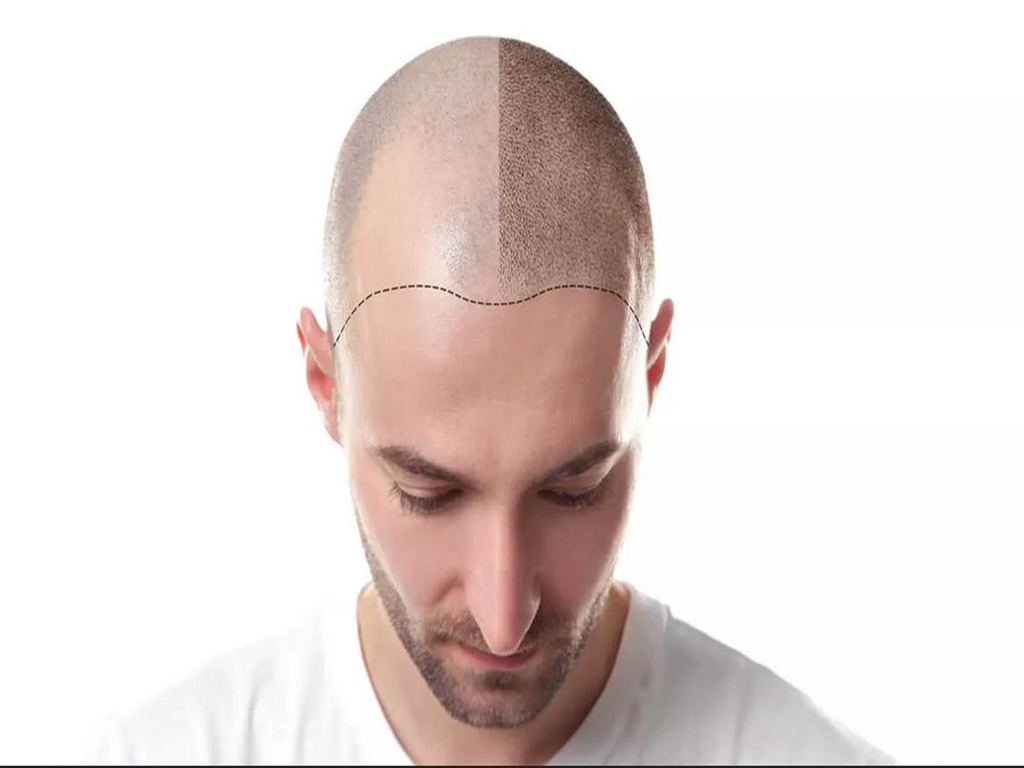
Adding SMP to the transplant process creates the illusion of denser hair by replicating hair follicles, resulting in a more natural and fuller appearance.

Stem Cell Therapy:

Stem cell therapy promotes hair regeneration, increases the density of transplanted hair, and improves the overall quality of existing hair.

ACell Therapy:

Combining ACell therapy with hair transplants boosts tissue regeneration, accelerates healing, and encourages the growth of thicker and healthier hair.

Hairline Refinement with DHI Technique:

Direct Hair Implantation (DHI) is used to refine the hairline, ensuring a natural and aesthetically pleasing outcome.

Beard and Body Hair Transplantation:

For individuals with limited donor hair on their scalp, combining beard and body hair transplant techniques can provide an additional source of grafts, leading to fuller results.

With these advanced combination hair transplant techniques, individuals experiencing hair loss can look forward to natural, fuller, and longer-lasting results. These innovative procedures have revolutionized the field of hair restoration, offering hope to those seeking a permanent solution to their hair loss concerns.

Understanding Hair Transplantation Results

Understanding Hair Transplantation Results: Achieving Natural-Looking Hair

The Decision to Get a Hair Transplant: Hair loss can be a distressing experience for many individuals, leading them to consider hair transplantation as a viable solution.

Pre-Transplant Evaluation: Before undergoing a hair transplant procedure, a thorough evaluation by a qualified hair restoration specialist is crucial. This assessment helps determine the extent of hair loss, the donor hair availability, and the most suitable technique.

Hair Transplant Techniques: Two primary hair transplant techniques are Follicular Unit Transplantation (FUT) and Follicular Unit Extraction (FUE). FUT involves removing a strip of hair from the donor area, while FUE involves extracting individual hair follicles.

The Importance of a Skilled Surgeon: The success of a hair transplant heavily relies on the skill and expertise of the surgeon. Choosing an experienced professional with a proven track record is essential for achieving satisfactory results.

Post-Transplant Healing: After the procedure, the transplanted hair follicles go through a healing process. It is normal for the transplanted hair to shed within a few weeks, but new hair will start to grow gradually.


Hair Transplant


Patience is Key: Hair transplantation results take time to become evident. Patients need to be patient and understand that the full results may not be visible until several months after the procedure.

Natural-Looking Results: Modern hair transplant techniques focus on achieving natural-looking results. Skilled surgeons artfully place the transplanted hair to mimic the natural hair growth pattern, ensuring a seamless blend with existing hair.

Gradual Hair Growth: Hair growth following a transplant is not immediate; it occurs gradually over time. New hair may appear thinner initially but will thicken as it matures.

Follow-Up Care: After the procedure, follow-up visits with the surgeon are essential to monitor progress and address any concerns. These visits also allow the surgeon to assess the need for any additional sessions for maximum results.

Realistic Expectations: While hair transplantation can significantly improve the appearance and boost confidence, it is essential to have realistic expectations. Each individual’s results may vary, and some may require multiple sessions to achieve the desired density.

Hair Transplant – Factors Influencing the Outcome

Hair Transplant – Factors Influencing the Outcome

The expertise of the Surgeon: The skills and experience of the surgeon performing the hair transplant procedure significantly impact the outcome.

Donor Hair Quality: The quality and density of the donor’s hair play a crucial role in achieving a natural-looking result.

Recipient Area Condition: The condition of the recipient area, including scalp health and hair loss pattern, can influence how well the transplanted hair grafts take hold.

Surgical Technique: Different hair transplant techniques, such as FUE (Follicular Unit Extraction) and FUT (Follicular Unit Transplantation), can yield varying outcomes.

Graft Placement: The precise placement of grafts at the correct angle and direction is essential for a natural appearance.


Hair Transplant


Post-Transplant Care: Following proper post-operative care instructions can affect the healing process and final results.

Patient’s Health: Overall health and lifestyle choices can impact the success of the hair transplant.

Age and Hair Loss Progression: The age of the patient and the stage of hair loss can influence the outcome, with early intervention often producing better results.

Expectations and Realistic Goals: Setting realistic expectations and understanding the limitations of a hair transplant is crucial for patient satisfaction.

Follow-up and Maintenance: Regular follow-up appointments and long-term hair care maintenance can ensure the longevity of the hair transplant’s positive outcome.

Hair Transplant – Hair Density and Coverage

Hair Transplant – Hair Density and Coverage: The Key to a Fuller Head of Hair

Understanding Hair Density: Hair density refers to the number of hair follicles per square centimeter of the scalp. It plays a crucial role in determining the overall thickness and volume of your hair.

Factors Affecting Hair Density: Genetics, age, hormonal imbalances, and certain medical conditions can impact your hair density. Hair loss or thinning might occur due to these factors, leading many individuals to consider hair transplant procedures.

The Hair Transplant Solution: A hair transplant is a surgical procedure that involves moving hair follicles from the donor area (usually the back or sides of the scalp) to the recipient area (the areas with thinning or balding hair).

Natural-Looking Results: The success of a hair transplant lies in achieving natural-looking results. This depends on the skill of the surgeon and the careful consideration of the recipient area’s existing hair pattern and density.

Individual Hair Characteristics: Each person’s hair has unique characteristics, such as thickness, texture, and curliness. Considering these individual traits during a hair transplant ensures seamless integration with the existing hair.


Hair Transplant


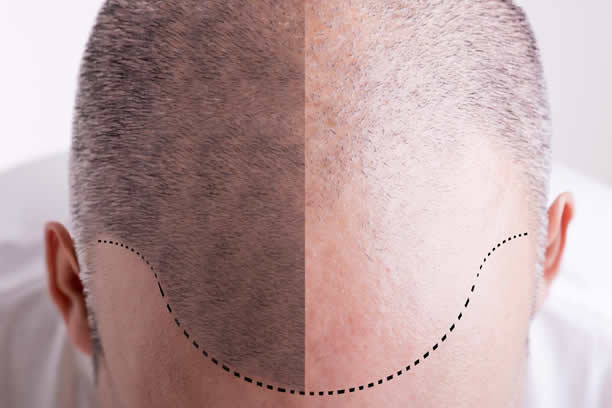
Frontal Hairline Design: Creating a natural-looking frontal hairline is crucial for an aesthetically pleasing result. Proper density and coverage in this area contribute significantly to a balanced and youthful appearance.

Optimal Graft Placement: The strategic placement of hair grafts with varying densities is essential to achieve a uniform and natural hair growth pattern. Properly spaced grafts ensure a seamless blend between transplanted and existing hair.

Coverage for Crown Baldness: Those with crown baldness require special attention during a hair transplant. The surgeon must ensure adequate coverage and density to provide a harmonious transition between the transplanted and native hair.

Post-Transplant Care: Following the hair transplant procedure, proper care is essential to support graft survival and encourage healthy hair growth. Adhering to the surgeon’s instructions and attending follow-up appointments is crucial.

Patience and Results: Hair transplant results take time to fully manifest. New hair growth usually begins within a few months, and significant improvements in density and coverage become apparent within 6 to 12 months.

Assessing Hair Transplantation Success

Assessing Hair Transplantation Success: 10 Key Indicators

Hair transplantation has become a popular solution for individuals seeking to restore their hairline and regain lost confidence. However, how can one determine if their hair transplant was truly successful? To evaluate the outcome effectively, consider these ten key indicators:

Natural Hairline: A successful hair transplant should create a natural-looking hairline that complements the patient’s facial features, rather than an artificial or overly dense appearance.

Even Density: Assess whether the transplanted hair has an even distribution across the scalp, avoiding any patches or clusters that could indicate poor technique.

Minimal Scarring: Skillful surgical techniques should leave minimal scarring, particularly in the donor area, which is essential for future haircuts and styles.

No Signs of Infection: A successful procedure should not result in any signs of infection or complications in the treated area.

Healthy Hair Growth: Within a few months after the procedure, new hair should start growing healthily and progressively thickening over time.


Hair Transplant


Proper Angle and Direction: The transplanted hair should follow the natural angle and direction of hair growth to ensure seamless integration with existing hair.

Natural Hair Texture: Successfully transplanted hair should match the texture of the patient’s original hair, whether straight, wavy, or curly.

Satisfactory Coverage: Adequate coverage in the recipient area is crucial, ensuring that there are no noticeable gaps or areas left untreated.

Post-Transplant Support: A reliable hair transplant clinic will provide post-operative support and guidance to ensure proper healing and successful results.

Patient Satisfaction: Ultimately, the most critical indicator of success is patient satisfaction. A successful hair transplant should boost the patient’s confidence and overall well-being.

Remember, each person’s hair transplant journey may vary, and patience is essential for optimal results. Always consult with a reputable and experienced hair transplant surgeon to maximize the chances of success.

Hair Care Routine for Transplanted Hair

Hair Care Routine for Transplanted Hair

If you’ve undergone a hair transplant, congratulations on your new look! To ensure the success and longevity of your transplanted hair, it’s essential to follow a proper hair care routine. Here’s a concise and easy-to-read guide to help you maintain your transplanted hair and keep it looking fantastic.

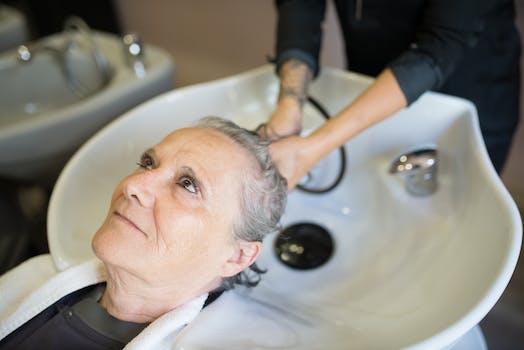
Gentle Shampooing: Use a mild, sulfate-free shampoo to cleanse your hair and scalp gently. Avoid harsh chemicals that can irritate the scalp or strip away essential oils.

Mindful Washing: Be cautious when washing your hair, especially during the initial weeks after the transplant. Pat your hair dry gently and avoid rubbing or aggressive towel-drying.

Avoid Hot Water: Use lukewarm or cool water while washing your hair to prevent scalp irritation and minimize damage to the newly transplanted hair follicles.

Moisturize Regularly: Apply a nourishing conditioner after each shampoo to keep your hair soft, manageable, and well-hydrated.

Avoid Styling Stress: Refrain from using heating tools or tight hairstyles that might strain the transplanted hair or pull on the scalp.


hairwashing


Sun Protection: Shield your head from direct sunlight, especially in the first few months post-transplant, to avoid sunburn on the scalp.

Avoid Smoking and Alcohol: These substances can hinder hair growth and affect the overall health of your hair.

Balanced Diet: Eat a well-balanced diet rich in vitamins, minerals, and proteins to promote hair growth and overall hair health.

Regular Follow-ups: Stay in touch with your hair transplant specialist for periodic check-ups to ensure proper healing and address any concerns.

Stay Patient: Remember, hair growth takes time. Be patient and follow your hair care routine consistently to see the best results.

Diet and Nutrition for Hair Growth

10 Tips for Healthy Hair Growth Through Diet and Nutrition

Balanced Diet: Ensure you consume a well-rounded diet with a good mix of protein, vitamins, and minerals to support healthy hair growth.

Protein Power: Include protein-rich foods like eggs, lean meats, fish, and legumes to provide essential building blocks for strong hair strands.

Omega-3 Fatty Acids: Incorporate foods like flaxseeds, chia seeds, and fatty fish to nourish the scalp and promote hair growth.

Vitamin C Boost: Citrus fruits, strawberries, and bell peppers are excellent sources of vitamin C, which aids collagen production and strengthens hair.

Iron-Rich Foods: Leafy greens, beans, and fortified cereals supply iron, preventing hair loss due to iron deficiency.


veggies


Biotin Brilliance: Nuts, seeds, and sweet potatoes offer biotin, a B-vitamin that enhances hair growth and reduces brittleness.

Antioxidant Protection: Consume colorful fruits and vegetables like berries, spinach, and carrots, which are packed with antioxidants to protect hair follicles from damage.

Hydration is Key: Drink plenty of water daily to maintain optimal hair health and prevent dryness.

Ditch the Crash Diets: Avoid extreme diets that lack essential nutrients, as they can weaken hair and lead to excessive shedding.

If necessary, consult a healthcare professional for advice on hair growth supplements, but remember that a balanced diet should be your primary source of nutrition.