Menu Close

Author: admin8735

How to Minimize Risks and Promote Healing

Hair Transplant Surgery – Minimizing Risks and Promoting Healing

Choose a Skilled Surgeon: Ensure your hair transplant is performed by a qualified and experienced surgeon to reduce the risk of complications.

Understand the Procedure: Educate yourself about the hair transplant process, the techniques involved, and what to expect during recovery.

Evaluate Your Candidacy: Consult with the surgeon to determine if you are a suitable candidate for the procedure based on your hair loss pattern and overall health.

Follow Pre-Operative Instructions: Adhere to any pre-operative guidelines provided by your surgeon to prepare your scalp and body for surgery.
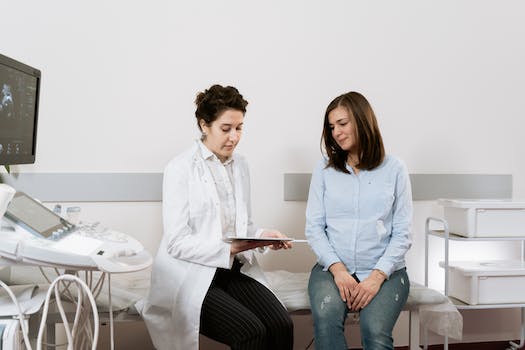
 

consult


Opt for a Suitable Technique: Discuss with your surgeon the different transplant methods available (FUE, FUT) to choose the one best suited to your needs.

Post-Operative Care: Strictly follow the post-operative care instructions, including medications, scalp care, and avoiding certain activities that may hinder healing.

Be Patient with Results: Understand that hair growth takes time. Be patient and avoid panicking if the results are not immediate.

Avoid Sun Exposure: Protect your scalp from direct sun exposure, especially during the initial healing phase, to prevent complications.

Manage Stress: Minimize stress during the recovery period, as stress can hinder the healing process and hair growth.

Attend Follow-Up Appointments: Regularly visit your surgeon for follow-up appointments to monitor progress and address any concerns promptly.

Risks and Complications of Hair Transplant Surgery

10 Risks and Complications of Hair Transplant Surgery

Infection: Although rare, there is a risk of infection at the donor or recipient site, which can lead to complications if left untreated.

Bleeding: Some patients may experience excessive bleeding during or after the procedure, requiring medical attention.

Scarring: The formation of noticeable scars at the donor and recipient areas is possible, though modern techniques aim to minimize their appearance.

Shock Loss: Transplanted hair and existing hair surrounding the grafts may temporarily fall out due to the shock of the surgery, but they usually regrow within a few months.

Numbness or Tingling: Some patients may experience temporary numbness or tingling sensations in the scalp following the surgery, which typically resolves over time.


doctor appointment


Unnatural-looking Hair: In some cases, the transplanted hair may not blend seamlessly with the natural hair, resulting in an unnatural appearance.

Cysts: Small, benign cysts may form at the transplantation site, requiring drainage or medical treatment if they persist.

Allergic Reactions: Rarely, individuals may experience an allergic reaction to anesthesia, medications, or other substances used during the procedure.

Poor Hair Growth: Despite the surgeon’s best efforts, there is a possibility that the transplanted hair may not grow as expected, leading to dissatisfaction.

Costly Procedure: Hair transplant surgery can be expensive, and patients should carefully consider their budget and explore other hair restoration options before committing.

Common Side Effects and Temporary Issues

Hair Transplant Surgery – Common Side Effects and Temporary Issues

Hair transplant surgery is a popular and effective solution for individuals seeking to restore their hairline and regain confidence. Like any medical procedure, hair transplantation may come with some temporary side effects and issues. It’s essential to be aware of these potential challenges before undergoing the procedure. In this article, we’ll outline ten common side effects and temporary problems associated with hair transplant surgery.

Swelling: After the surgery, it’s normal to experience some swelling around the forehead and eyes. This is temporary and typically subsides within a few days.

Sensitivity: The newly transplanted area might be sensitive to touch for a while. This sensitivity will gradually decrease as the healing process continues.

Scab Formation: Scabs can develop around the transplanted hair follicles. Patients should avoid picking or scratching them, as it may damage the grafts and affect the overall outcome.

Itching: Itching is a common complaint during the healing process. Patients should resist scratching the affected area and follow the post-operative care instructions provided by their surgeon.


hair transplant surgery


Shock Loss: Some patients may experience shock loss, where existing hair falls out due to the trauma of the surgery. However, this is temporary, and the hair will regrow in the following months.

Redness: The transplanted area may appear red or pink for a few weeks. This is a natural part of the healing process and will gradually fade away.

Numbness: Temporary numbness or lack of sensation in the donor or recipient area may occur, but it usually resolves within a few weeks or months.

Cysts: In some cases, small cysts may develop around the transplanted hair follicles. These are usually harmless and can be treated by the surgeon if necessary.

Ingrown Hairs: As the transplanted hair starts to grow, some individuals may experience ingrown hairs. This can be managed with proper grooming and care.

Temporary Shedding: Don’t be alarmed if some of the newly transplanted hair sheds within the first few weeks. This is a normal part of the hair growth cycle, and new hair will begin to grow in its place.

Remember that every individual’s healing process is unique, and these side effects and issues are usually temporary. It’s crucial to follow your surgeon’s post-operative instructions diligently to promote proper healing and ensure the best possible results from your hair transplant surgery.

Postoperative Care and Recovery – Expected Recovery Timeline and Results

Postoperative Care and Recovery: Your Guide to a Smooth Healing Process

Follow Your Doctor’s Instructions: Adhering to your surgeon’s advice is crucial for a successful recovery. This may include taking medications, keeping the incision clean, and attending follow-up appointments.

Rest and Allow Time for Healing: Give your body the rest it needs to recover fully. Avoid strenuous activities during the initial healing phase.

Manage Pain and Discomfort: Pain is normal after surgery. Take prescribed pain medications as directed, and inform your doctor if the pain becomes unmanageable.

Watch for Signs of Infection: Keep a close eye on the surgical site for any signs of infection, such as redness, swelling, or pus. If you notice any concerning symptoms, notify your healthcare provider promptly.

Elevate the Affected Area: To reduce swelling and promote healing, elevate the operated area whenever possible.


doctor appointment


Stick to a Nutritious Diet: Eating a balanced diet rich in vitamins and minerals helps support the healing process. Stay hydrated and avoid excessive caffeine and alcohol consumption.

Be Mindful of Wound Care: Keep the incision clean and dry, following your doctor’s instructions for dressing changes.

Gradually Resume Activities: As you recover, slowly reintroduce light activities into your routine, but avoid heavy lifting or intense exercises until cleared by your doctor.

Manage Emotions: It’s natural to experience a mix of emotions during recovery. Reach out to friends, family, or a counselor if needed.

Attend Follow-Up Appointments: Regularly scheduled follow-ups allow your doctor to monitor your progress and address any concerns.

Extraction and Transplantation Process

Hair Transplant Extraction and Transplantation Process: Restoring Your Crowning Glory

Introduction:
Hair loss can be a disheartening experience, but with advancements in medical science, hair transplant procedures offer a glimmer of hope. Let’s explore the hair transplant extraction and transplantation process and how it can help you regain your confidence and crowning glory.

Understanding Hair Loss:
Before delving into the transplant process, it’s essential to understand the underlying causes of hair loss, which can range from genetics and hormonal changes to lifestyle factors.

Initial Consultation:
The journey begins with a consultation with a hair transplant specialist. During this meeting, your hair loss pattern will be assessed, and the best course of action will be determined.

Harvesting Hair Grafts:
In the extraction process, hair grafts are harvested from the donor area, typically at the back of the head, where hair is genetically resistant to balding.

Two Main Extraction Techniques:
a) Follicular Unit Transplantation (FUT): A strip of tissue with hair follicles is removed and dissected into grafts.
b) Follicular Unit Extraction (FUE): Individual hair follicles are extracted one by one using micro punches.


hair transplant surgery


Precision and Artistry:
The transplantation process requires a skilled hand and an artistic eye to ensure that the hairline appears natural and complements your facial features.

Creating the Recipient Sites:
Tiny incisions are made in the balding areas where the hair grafts will be transplanted. Careful planning is essential to achieve a balanced and aesthetically pleasing result.

Implanting the Hair Grafts:
Each harvested graft is meticulously placed into the recipient sites, paying attention to the angle and direction for seamless integration with existing hair.

Post-Transplant Care:
After the procedure, proper care is crucial for optimal results. The recovery period is generally short, and your specialist will provide instructions on post-transplant care.

Embracing Your New Look:
As the transplanted hair starts to grow, you’ll witness the transformation and regain the confidence that comes with a fuller head of hair.

Hair Transplant Procedure – Graft Placement Techniques

Hair Transplant Procedure – Graft Placement Techniques

Introduction
Hair transplant procedures have evolved significantly over the years, offering innovative techniques for restoring natural-looking hairlines. One crucial aspect of a successful hair transplant is graft placement. In this article, we’ll explore the top 10 graft placement techniques used by hair transplant surgeons to achieve remarkable results.

Follicular Unit Transplantation (FUT)
FUT, also known as the strip method, involves removing a thin strip of hair-bearing skin from the donor area. The strip is then dissected into individual follicular units, which are carefully placed in the recipient site.

Follicular Unit Extraction (FUE)
FUE is a minimally invasive technique where individual hair follicles are extracted directly from the donor area using tiny punches. These follicles are then implanted into the recipient site one by one.

Robotic Hair Transplantation
Robotic hair transplantation utilizes advanced robotic systems to assist the surgeon in harvesting and placing follicular units precisely. This technique enhances the accuracy and speed of the procedure.

Direct Hair Implantation (DHI)
DHI is a modified FUE technique where the harvested follicles are immediately implanted into the recipient site without the need for creating incisions beforehand. This results in reduced procedure time and faster recovery.


hair transplant surgery


Sapphire FUE
In Sapphire FUE, the surgeon uses sapphire blades instead of traditional steel punches to create incisions in the recipient area. The use of sapphire offers better control, precision, and potentially faster healing.

Percutaneous FUE (PFUE)
PFUE is a hybrid technique that combines FUT and FUE principles. The surgeon creates small incisions using a needle before extracting and implanting the follicles, reducing trauma to the scalp.

Micro-grafts and Mini-grafts
Micro-grafts and mini-grafts contain a smaller number of hair follicles per graft, making them ideal for refining the hairline and adding density to specific areas.

Lateral Slit Technique
The lateral slit technique involves creating tiny horizontal incisions in the recipient site, allowing the surgeon to angle the hair grafts for a more natural appearance.

Stick-and-Place Technique
The stick-and-place technique involves using a specially designed implanter pen to make incisions and simultaneously place the grafts directly into the scalp, streamlining the process and reducing tissue trauma.

In conclusion, the success of a hair transplant heavily relies on precision and skill in graft placement. With various techniques available, patients now have more options than ever to achieve their desired results.

Hair Transplant Procedure – Duration and Recovery Time

Title: Hair Transplant Procedure: Duration and Recovery Time

Are you considering a hair transplant procedure to regain your luscious locks? Understanding the duration and recovery time involved is essential for making an informed decision. In this article, we’ll walk you through the key aspects of a hair transplant, from the procedure’s duration to the recovery period.

Pre-Procedure Preparation
Before the hair transplant, you’ll have a consultation with a qualified surgeon who will assess your hair loss condition and discuss your expectations. You may be advised to stop taking certain medications or alter your routine to optimize the procedure’s success.

Procedure Duration
The duration of a hair transplant procedure can vary based on factors such as the technique used and the extent of hair loss. On average, it can take anywhere from 4 to 8 hours to complete the process. Factors such as the number of grafts required, the surgeon’s experience, and the technology used can influence the duration.

Local Anesthesia
During the procedure, local anesthesia will be administered to ensure you don’t experience any discomfort. This allows you to remain awake while feeling little to no pain.

FUT vs. FUE
There are two primary techniques for hair transplantation: Follicular Unit Transplantation (FUT) and Follicular Unit Extraction (FUE). FUT involves removing a strip of hair-bearing skin from the donor area, while FUE involves extracting individual hair follicles. FUT may take slightly longer due to the suturing process, whereas FUE may be more time-consuming as each follicle is individually extracted.


hair transplant surgery


Post-Procedure Care
After the transplant, you’ll receive detailed instructions on how to care for your newly transplanted hair. This may include guidelines on washing, sleeping positions, and avoiding certain activities during the initial recovery period.

Recovery Time
The initial recovery period typically lasts about 7 to 10 days. During this time, you may experience mild discomfort and scabbing in the donor and recipient areas. Most people can return to work within a week after the procedure.

Shedding and Growth
Don’t be alarmed if your transplanted hair sheds within the first few weeks; this is a normal part of the process. New hair growth usually starts within 2 to 3 months after the transplant, and you’ll notice significant improvement within 6 to 9 months.

Long-Term Results
A successful hair transplant can provide natural-looking, permanent results. The transplanted hair behaves like your natural hair, and with proper care, it should last a lifetime.

Now that you have a better understanding of the duration and recovery time involved in a hair transplant procedure, you can confidently decide whether it’s the right option for you. Remember to consult a qualified hair transplant surgeon for personalized advice and a successful outcome.

Postoperative Care and Recovery After the Hair Transplant Surgery

Postoperative Care and Recovery After Hair Transplant Surgery

Congratulations on completing your hair transplant surgery! You’ve taken a significant step towards regaining your confidence and restoring your hairline. To ensure a successful and smooth recovery, follow these essential postoperative care guidelines:

Rest is Key:

Allow your body to recover by getting plenty of rest in the first few days after surgery.
Avoid any strenuous activities or exercises during this time.

Keep Your Head Elevated:

Use extra pillows while sleeping to keep your head elevated, reducing swelling and discomfort.

Gentle Hair Washing:

Follow your surgeon’s instructions on when and how to wash your hair after the procedure.
Gently clean the transplanted area without rubbing or scrubbing.

Medication Adherence:

Take prescribed medications as directed by your surgeon to prevent infection and promote healing.


medicine


Avoid Alcohol and Smoking:

Steer clear of alcohol and smoking, as they can hinder the healing process and affect hair growth.

Be Cautious with Sun Exposure:

Protect your scalp from direct sunlight and wear a hat when going outside.
Sunscreen application is necessary if you can’t avoid sun exposure.

Avoid Touching and Scratching:

Refrain from touching, scratching, or picking at the transplanted area to prevent complications.

Nutrition and Hydration:

Follow a well-balanced diet and stay hydrated to support healing and hair growth.

Be Patient:

Hair transplant results take time. Be patient and understand that it may take several months for noticeable growth.

Follow Up with Your Surgeon:

Attend all scheduled follow-up appointments to monitor your progress and address any concerns.

Remember, each person’s recovery may vary, so don’t hesitate to reach out to your surgeon if you have any questions or concerns during your healing journey. Soon, you’ll be enjoying the full results of your hair transplant and feeling confident in your new look!

Postoperative Care and Recovery – Managing Discomfort and Swelling

Postoperative Care and Recovery – Managing Discomfort and Swelling

Congratulations on successfully undergoing surgery! As you embark on your journey to recovery, it’s essential to prioritize postoperative care to ensure a smooth healing process. Managing discomfort and swelling is a crucial aspect of your recovery, and we’re here to guide you through it. Follow these ten tips to ease your postoperative experience and get back on your feet quickly:

Follow Medical Advice: Listen to your healthcare provider’s instructions and adhere to their recommendations for a safe and speedy recovery.

Take Prescribed Medications: Don’t skip any prescribed medications, especially painkillers and anti-inflammatory drugs, to manage discomfort and swelling effectively.

Rest and Sleep: Allow your body ample time to rest and recuperate, ensuring a minimum of 7-8 hours of quality sleep each night.

Elevate the Affected Area: Elevate the surgical site above the heart level to reduce swelling and promote proper blood circulation.

Ice Packs: Apply ice packs (wrapped in a thin cloth) to the swollen area for 15-20 minutes several times a day, especially during the first 48 hours post-surgery.


sleep


Compression Garments: If advised by your surgeon, wear compression garments to control swelling and support the surgical area.

Stay Hydrated: Drink plenty of water to keep your body hydrated and facilitate the elimination of toxins, aiding in the healing process.

Light Physical Activity: Engage in gentle movements or exercises as recommended by your healthcare provider, helping to prevent stiffness and promote healing.

Balanced Diet: Eat a nutritious, well-balanced diet rich in fruits, vegetables, lean proteins, and whole grains to support your body’s healing process.

Avoid Alcohol and Smoking: Refrain from consuming alcohol and avoid smoking as they can hinder the healing process and increase the risk of complications.

Remember that every person’s recovery is unique, and it’s essential to be patient with yourself during this period. Don’t hesitate to reach out to your healthcare provider if you have any concerns or questions about your postoperative care.

Postoperative Care and Recovery – Medications and Topical Solutions

Postoperative Care and Recovery: Medications and Topical Solutions

After undergoing surgery, proper postoperative care is essential for a smooth and speedy recovery. Medications and topical solutions play a vital role in managing pain, preventing infections, and promoting healing. In this article, we’ll explore the key points you need to know to ensure a successful recovery.

Follow Your Doctor’s Instructions: Always adhere to the prescribed dosage and frequency of medications and topical solutions. Your doctor knows what’s best for your specific condition.

Pain Management: Pain after surgery is common. Your doctor may prescribe pain-relieving medications, such as acetaminophen or ibuprofen. Take them as directed to alleviate discomfort.

Antibiotics: If your surgeon prescribes antibiotics, make sure to complete the full course. Antibiotics help prevent infections and ensure your incisions heal properly.

Topical Solutions for Wound Care: Some surgeries require topical solutions to keep the incisions clean and aid in healing. Follow your doctor’s instructions on how to apply them correctly.

Anti-Inflammatory Medications: Inflammation can impede the healing process. Your doctor may recommend anti-inflammatory medications to reduce swelling and promote faster recovery.


medication


Sterile Dressings: Keep your incisions covered with sterile dressings as advised. Regularly change them to maintain a clean environment and reduce the risk of infection.

Avoid Certain Medications: Inform your doctor about any other medications you are taking, including over-the-counter drugs and supplements. Some medications can interfere with the healing process or interact with your postoperative medications.

Hydration and Nutrition: Staying hydrated and eating a balanced diet are crucial for healing. Proper nutrition supports your body’s ability to recover effectively.

Monitor for Signs of Complications: Keep an eye out for any abnormal symptoms, such as excessive swelling, redness, pus, or fever. If you notice anything unusual, contact your doctor immediately.

Attend Follow-Up Appointments: Regularly visit your surgeon for follow-up appointments. These visits allow your doctor to assess your progress and make any necessary adjustments to your postoperative care plan.

In conclusion, postoperative care involves diligently following your doctor’s instructions, taking prescribed medications and applying topical solutions, and closely monitoring your recovery process. By being proactive and attentive to your postoperative care, you can optimize your healing and get back to your normal life sooner.