Menu Close

Author: admin8735

Hair Transplants for Men

10 Key Points About Hair Transplants for Men

What is a Hair Transplant?

A hair transplant is a surgical procedure to address male pattern baldness.
It involves moving hair follicles from one part of the body (usually the back or sides of the head) to the balding or thinning areas.

Suitable Candidates

Men experiencing male pattern baldness with healthy hair follicles are ideal candidates.
Adequate donor hair availability is essential for a successful transplant.

Types of Hair Transplants

Follicular Unit Transplantation (FUT): Involves harvesting a strip of scalp for grafts.

Follicular Unit Extraction (FUE): Involves extracting individual hair follicles for transplantation.

Natural-Looking Results

Skilled surgeons can create natural-looking hairlines that match facial features.
Transplanted hair grows and behaves like natural hair over time.


Hair Transplant


Minimal Scarring

FUT leaves a linear scar, but it’s easily concealed with longer hair.
FUE causes tiny, scattered scars that are less noticeable.

Recovery and Downtime

Recovery usually takes a few days, with minimal discomfort.
Most patients can resume normal activities within a week.

Long-Term Benefits

The transplanted hair is permanent and requires no special maintenance.
Results can be seen within a few months and improve over a year.

Cost Considerations

Hair transplants can be an investment, but they offer long-term benefits.
The cost varies based on the extent of baldness and the technique used.

Risks and Complications

Hair transplants are generally safe, but complications like infection or scarring can occur.
Choosing an experienced surgeon reduces the risks significantly.

Boost in Confidence

Restoring a fuller head of hair can enhance self-esteem and confidence.
Many men report improved social interactions and emotional well-being after the procedure.
Hair Growth Cycle

The Hair Growth Cycle: 10 Key Facts You Should Know

The hair growth cycle is a fascinating process that determines the growth, rest, and shedding phases of our hair. Understanding this cycle is essential for maintaining healthy, luscious locks. Here are ten key facts to shed some light on this natural wonder:

Anagen Phase:
The anagen phase is the growth phase of the hair cycle. During this time, hair follicles actively produce new hair cells, resulting in noticeable hair growth. This phase typically lasts two to seven years, and the longer the anagen phase, the longer your hair can grow.

Catagen Phase:
Following the anagen phase, hair follicles enter the catagen phase, a transitional stage that lasts about two weeks. In this phase, the hair stops growing, and the hair follicle shrinks, preparing for the next phase.

Telogen Phase:
The telogen phase is the resting phase of the hair growth cycle, lasting around three months. During this period, the hair is fully developed but not actively growing. Approximately 10-15% of your hair is in this phase at any given time.

Shedding:
After the telogen phase, hair sheds to make room for new hair growth. On average, individuals lose 50-100 hairs daily. This shedding is a natural and healthy part of the hair growth cycle.

Factors Affecting Hair Growth:
Various factors can influence the hair growth cycle, such as age, genetics, diet, hormonal changes, and overall health. Taking care of your body and maintaining a balanced lifestyle can positively impact hair growth.


Hair Transplant


Hair Growth Rate:
Hair growth rate varies among individuals. On average, hair grows about half an inch (1.27 cm) per month. However, this rate may fluctuate depending on genetics and other factors.

Hair Growth and Seasons:
Believe it or not, the hair growth cycle can be influenced by the seasons. Some studies suggest that hair tends to grow faster during the warmer months and slower during the colder ones.

Hair Products and Growth:
While there’s no magical potion for instant hair growth, using hair care products that nourish and protect your hair can enhance its appearance and maintain its health during the growth cycle.

Hair Growth Disorders:
Sometimes, disruptions in the hair growth cycle can lead to conditions like alopecia areata, telogen effluvium, or androgenetic alopecia. If you notice excessive hair loss or bald patches, it’s crucial to consult a healthcare professional or dermatologist.

Scalp and Hair Anatomy

Scalp and Hair Anatomy: Understanding the Foundations of Your Hair

The scalp and hair are vital components of our appearance, contributing to our confidence and individuality. Understanding the basics of their anatomy can help us maintain healthy, luscious locks. In this article, we’ll delve into the key aspects of scalp and hair anatomy, giving you comprehensive insight in a concise and engaging manner.

The Scalp’s Structure:

The scalp is the skin covering the head, comprising several layers.
The epidermis is the outermost layer responsible for protecting the scalp.
Beneath the epidermis lies the dermis, containing hair follicles, sebaceous glands, and blood vessels.
The subcutaneous tissue lies beneath the dermis, acting as insulation for the scalp.

Hair Follicles:

Hair follicles are tiny cavities within the scalp where hair grows.
Each hair follicle has a sebaceous gland that produces sebum, a natural hair conditioner.
The number of hair follicles is genetically determined and remains constant throughout life.

Hair Shaft:

The visible part of the hair is the hair shaft.
It consists of three layers: the cuticle, cortex, and medulla.
The cuticle is the protective outer layer, and the cortex determines hair strength and color.

Hair Growth Phases:

Hair growth occurs in three phases: anagen (active growth), catagen (transitional), and telogen (resting).
Anagen lasts for several years and determines hair length.
Catagen and telogen phases are shorter, leading to hair shedding and renewal.

Hair Pigmentation:

Hair color results from melanin, a pigment produced by specialized cells called melanocytes.
Decreased melanin production leads to gray hair, while absent melanin results in white hair.


Hair Transplant


Blood Supply:

The scalp receives a rich blood supply through arteries and veins, providing essential nutrients to hair follicles.

Nerve Endings:

The scalp contains nerve endings that make it sensitive to touch, pain, and temperature.

Hair’s Function:

Hair serves as protection against sunlight and minor injuries on the scalp.

Hair Growth Patterns:

Hair growth patterns vary among individuals and may change over time.

Factors Affecting Scalp and Hair Health:

Proper nutrition, hydration, and scalp care are essential for healthy hair.
External factors like sun exposure and harsh hair treatments can impact hair health.

Understanding the scalp and hair’s anatomy empowers us to make informed decisions about hair care, leading to healthier and more vibrant locks. By nurturing our hair’s foundation, we can embrace our uniqueness and radiate confidence every day.

Different Types of Hair Loss (Androgenetic Alopecia, Alopecia Areata, etc.)

Understanding Different Types of Hair Loss

Hair loss is a common concern that affects both men and women, impacting self-esteem and confidence. There are various types of hair loss, each with its unique causes and characteristics. In this article, we will explore the most common types of hair loss and shed some light on their key features.

Androgenetic Alopecia

Also known as male or female pattern baldness.
Caused by a combination of genetic and hormonal factors.
Characterized by gradual thinning of hair on the crown and temples in men and diffuse thinning in women.

Alopecia Areata

An autoimmune disorder that leads to patchy hair loss.
The immune system mistakenly attacks hair follicles, causing hair to fall out in small, round patches.
Can occur on the scalp and other areas with hair, like eyebrows and beard.

Telogen Effluvium

Triggered by significant physiological or emotional stress.
Hair prematurely enters the resting phase (telogen) and sheds more than usual.
Often temporary and reversible once the underlying cause is addressed.

Traction Alopecia

Caused by excessive tension on the hair due to tight hairstyles (e.g., ponytails, braids).
Hair loss occurs in areas where constant pulling is experienced.
Can be prevented by avoiding tight hairstyles and allowing hair to rest.

Anagen Effluvium

Usually drug-induced, such as chemotherapy or radiation treatment.
Rapid loss of hair during the anagen (growth) phase.
Hair follicles are affected, leading to severe hair loss.


alopecia


Trichotillomania

A psychological disorder where individuals have an irresistible urge to pull out their hair.
Results in patchy hair loss due to self-inflicted pulling.
Behavioral therapy can be helpful in managing this condition.

Scarring Alopecia

Hair loss caused by permanent damage to hair follicles and replaced by scar tissue.
Often associated with conditions like lichen planopilaris and folliculitis.
Hair cannot regrow in affected areas.

Age-Related Hair Loss

As people age, hair growth slows down, and hair becomes thinner and more fragile.
Common in both men and women but more pronounced in men (male pattern baldness).

Nutritional Deficiency-Induced Hair Loss

Lack of essential nutrients like iron, zinc, and biotin can contribute to hair loss.
A balanced diet and supplementation can help improve hair health.

Hormonal Hair Loss (Postpartum Hair Loss)

Occurs after childbirth due to hormonal changes.
A temporary condition and hair usually regrows after a few months.
Understanding the various types of hair loss can help individuals identify the underlying causes and seek appropriate treatments or solutions. Consulting a dermatologist or hair specialist can provide personalized guidance for addressing hair loss concerns effectively.

Causes of Hair Loss

Top 10 Causes of Hair Loss: Understanding the Root of the Problem

Hair loss is a common concern for both men and women and understanding its underlying causes is crucial for effective treatment and prevention. Whether you’re experiencing a receding hairline, thinning strands, or significant hair shedding, knowing what’s causing it can help you take the right steps toward maintaining a healthy mane. In this article, we’ll explore the top 10 causes of hair loss in a concise and engaging manner.

Genetics: Family history plays a significant role in determining if you’re predisposed to hair loss, as certain genes can make you more susceptible to pattern baldness.

Hormonal Imbalance: Fluctuations in hormone levels, such as during pregnancy, menopause, or thyroid disorders, can disrupt the hair growth cycle and lead to hair loss.

Stress: Chronic stress can trigger a condition called Telogen Effluvium, causing a large number of hair follicles to enter the resting phase simultaneously, resulting in excessive shedding.

Nutritional Deficiencies: Inadequate intake of essential nutrients like iron, biotin, zinc, and vitamins can weaken hair strands and cause them to fall out prematurely.

Medical Conditions: Certain health conditions, such as alopecia areata (autoimmune disorder), scalp infections, and skin disorders, can lead to hair loss.


Hairstyles and Treatments: Tight hairstyles, frequent use of heat styling tools, chemical treatments, and extensions can damage hair follicles and cause breakage.

Medications: Some drugs, like chemotherapy, antidepressants, and blood thinners, have hair loss as a side effect due to their impact on the hair growth cycle.

Age: As we age, the rate of hair growth slows down, and hair follicles may shrink, leading to thinner hair.

Overactive Immune System: Autoimmune diseases may mistakenly attack hair follicles, leading to hair loss in patches or all over the scalp.

Environmental Factors: Exposure to pollutants, UV radiation, and harsh chemicals can damage the hair shaft and weaken the roots, causing hair loss.

Understanding the causes of hair loss is the first step toward finding an appropriate solution. If you’re concerned about your hair loss, consult a dermatologist or hair specialist to identify the specific cause and explore the best treatment options for your unique situation.

Non-surgical Hair Restoration Techniques

10 Non-Surgical Hair Restoration Techniques for a Fuller Mane


Having a lush and voluminous head of hair is a desire shared by many. Hair loss or thinning can be distressing, but not everyone is willing to undergo surgical procedures to restore their hair. Luckily, non-surgical hair restoration techniques offer effective solutions without the need for scalpels and stitches. In this article, we’ll explore ten of these non-invasive methods that can help you regain your crowning glory.

Topical Hair Growth Products:
Using over-the-counter or prescription topical treatments like minoxidil can stimulate hair growth and slow down hair loss. These solutions are easy to apply and require no medical intervention.

Laser Hair Therapy:
Low-level laser therapy (LLLT) is a safe and painless procedure that utilizes light energy to stimulate hair follicles, promoting hair growth and enhancing hair thickness.

Platelet-Rich Plasma (PRP) Therapy:
PRP therapy involves drawing a small amount of the patient’s blood, processing it to extract platelet-rich plasma, and then injecting it into the scalp to encourage hair regrowth.

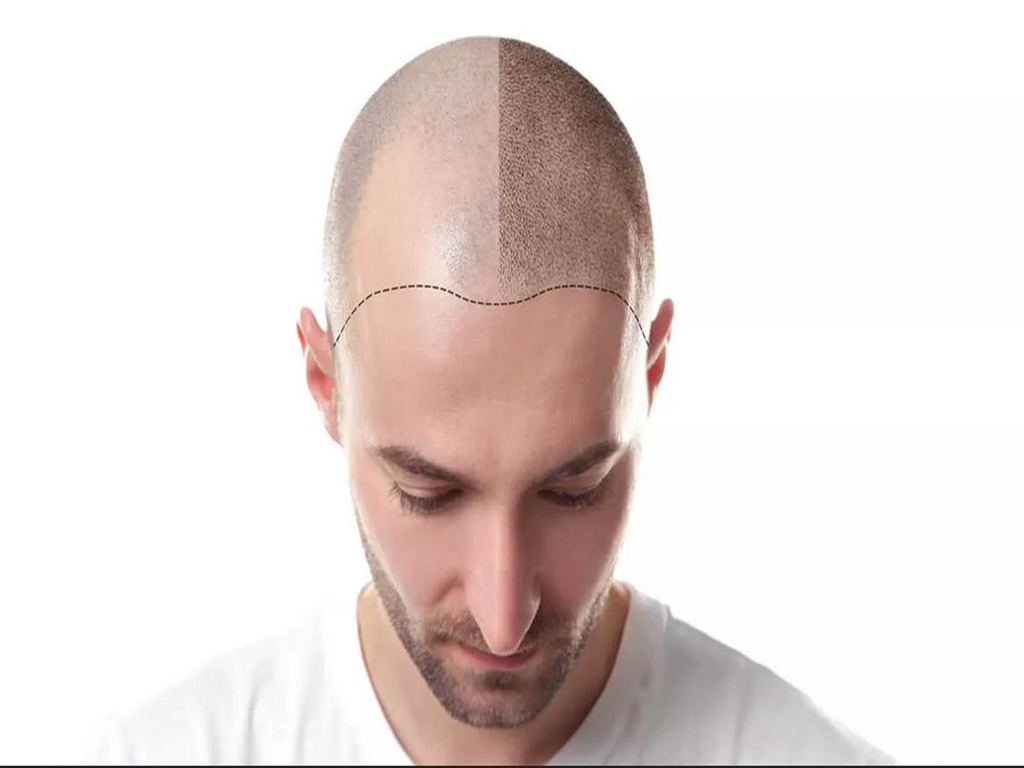
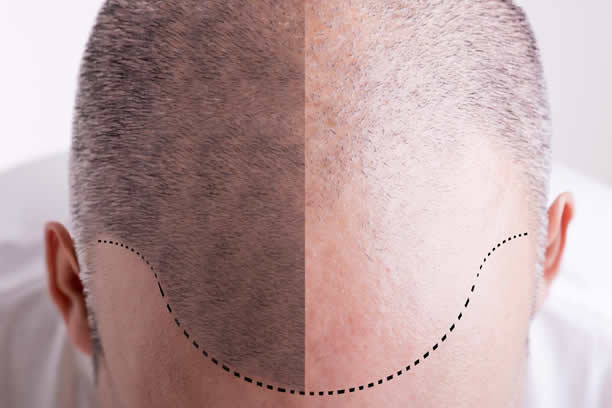
Scalp Micropigmentation (SMP):
SMP is a cosmetic tattooing technique that creates the illusion of thicker hair by depositing tiny pigment dots on the scalp.


hairwashing


Hair Thickening Fibers:
These micro-sized fibers, usually made of keratin, adhere to existing hair, instantly adding volume and fullness to the thinning areas.

Hair Growth Supplements:
Taking supplements with essential vitamins, minerals, and nutrients can improve hair health and encourage stronger hair growth.

Low-Level Light Therapy (LLLT) Devices:
Handheld LLLT devices emit therapeutic light to the scalp, promoting hair growth and reducing shedding when used regularly.

Hair Loss Concealers:
Concealer products, like sprays or powders, camouflage thinning areas by blending the existing hair with colored fibers, giving the appearance of fuller hair.

Regular scalp massages increase blood circulation to the hair follicles, delivering more nutrients and oxygen, which can support healthier hair growth.

Medications for Hair Loss

10 Medications for Hair Loss: A Comprehensive Guide

Are you struggling with hair loss and looking for effective solutions? Hair loss can be a distressing issue, but the good news is that there are several medications available that can help you combat it. In this article, we’ll explore ten popular medications for hair loss that have been shown to be effective for many individuals:

Minoxidil: A topical solution available over-the-counter (OTC) and as a prescription. It promotes hair growth and slows down hair loss.

Finasteride: An oral medication that blocks the hormone responsible for hair loss in men. It requires a prescription and is not suitable for women.

Ketoconazole: A medicated shampoo that may help reduce hair loss due to its anti-inflammatory and anti-fungal properties.

Dutasteride: A prescription medication similar to Finasteride, but potentially more potent. It’s primarily used to treat enlarged prostate, but it may also promote hair growth.

Spironolactone: A prescription drug initially designed for high blood pressure but sometimes prescribed off-label for hair loss in women due to its anti-androgenic effects.


hair loss


Corticosteroids: Injected directly into the scalp, they can help suppress the immune system’s response and reduce inflammation around hair follicles.

Anthralin: A topical medication that helps with hair regrowth by modifying immune response and slowing down the growth of skin cells.

Biotin: A B-vitamin supplement that may help strengthen hair and promote growth. It’s available over-the-counter.

Platelet-Rich Plasma (PRP) Therapy: A procedure that involves injecting concentrated platelets from your blood into the scalp to stimulate hair growth.

Low-Level Laser Therapy (LLLT): A non-invasive treatment that uses red light to promote hair growth in both men and women.

Keep in mind that individual responses to these medications can vary, and results may take time. It’s essential to consult with a healthcare professional or a dermatologist before starting any hair loss treatment to determine the most suitable option for you.

Remember, hair loss can have various underlying causes, such as genetics, hormonal imbalances, and medical conditions. Finding the right medication is just one aspect of a comprehensive approach to hair loss management. Alongside medication, adopting a healthy lifestyle, managing stress, and using gentle hair care practices can all contribute to better hair health.

Scalp Micropigmentation (SMP)

Scalp Micropigmentation (SMP): 10 Key Points Unveiled

What is SMP:

Scalp Micropigmentation (SMP) is a cutting-edge non-surgical hair restoration technique gaining popularity among men and women alike.
SMP involves depositing natural pigments into the scalp to replicate the appearance of hair follicles, creating the illusion of a full head of hair.

How SMP Works:

SMP practitioners use specialized microneedles and pigments to create tiny, realistic dots on the scalp, mimicking the look of hair follicles.
The process fills in bald spots, adds density, and even covers scars, providing a well-groomed and youthful appearance.

Ideal Candidates:

SMP is suitable for individuals experiencing various degrees of hair loss, including male pattern baldness, receding hairlines, and thinning hair.
It can also benefit those who wish to camouflage scars from hair transplant surgeries or accidents.

Non-Invasive Solution:

Unlike hair transplants, SMP does not require surgery, incisions, or the use of anesthesia.
The procedure is relatively painless, with minimal downtime, making it an attractive option for busy individuals.


scalp


Safe and Effective:

SMP is a safe and FDA-approved procedure, when performed by skilled professionals in a sterile environment.
It offers immediate results, boosting confidence and self-esteem.

Natural-Looking Results:

SMP is tailored to match each individual’s hair color, skin tone, and desired hairline.
The procedure produces realistic, seamless results that are virtually indistinguishable from natural hair growth.

Low Maintenance:

SMP requires minimal maintenance compared to other hair loss treatments.
Regular touch-ups may be necessary to maintain the longevity and vibrancy of the pigments.

Versatility and Style:

SMP allows clients to choose their preferred hairline and hairstyle, providing a customizable and aesthetically pleasing outcome.
Individuals can opt for a clean-shaven look or maintain their hair at any length.

Cost-Effective Solution:

Compared to long-term costs of hair loss medications or invasive procedures, SMP proves to be a cost-effective solution in the long run.

Boost in Confidence:

Beyond the aesthetic benefits, SMP enhances one’s confidence and self-image, positively impacting personal and professional aspects of life.

Alternative Hair Restoration Options – Wigs, Hairpieces, and Hair Systems

Alternative Hair Restoration Options – Wigs, Hairpieces, and Hair Systems

Losing hair can be a distressing experience, impacting self-esteem and confidence. Thankfully, there are several alternative hair restoration options available that can help you regain a full head of hair and feel great again. In this article, we’ll explore three popular choices: wigs, hairpieces, and hair systems. Each option offers unique benefits, allowing you to find the perfect fit for your individual needs.

Wigs:
Wigs are versatile and come in various styles, colors, and lengths, allowing you to change your look effortlessly.
They offer complete coverage for hair loss, making them ideal for those with extensive hair thinning or baldness.
Modern wigs are comfortable, lightweight, and breathable, reducing discomfort during extended wear.
Wig maintenance is relatively easy, requiring simple washing and styling.

Hairpieces:
Hairpieces, also known as hair toppers, are excellent for individuals with localized hair loss or thinning, such as on the crown or top of the head.
They seamlessly blend with your existing hair, providing a natural and undetectable appearance.
Hairpieces are available in synthetic and human hair options, offering a range of price points to fit different budgets.
These solutions are easy to attach and remove, making them convenient for everyday use.

Hair Systems:
Hair systems, commonly referred to as hair replacement systems or hair weaves, are suitable for individuals seeking a semi-permanent solution.
They involve attaching real or synthetic hair to the scalp using adhesive or integration techniques.
Hair systems offer a natural look, allowing you to participate in various activities with confidence.
These options are customizable, enabling you to choose hair texture, color, and style according to your preference.

Cost-Effectiveness:
Wigs and hairpieces generally have a lower upfront cost compared to surgical hair restoration procedures.
Hair systems, while pricier than wigs and hairpieces, provide longer-lasting results, making them cost-effective in the long run.


wigs


Non-Invasive:
Unlike hair transplantation surgery, these alternative options do not require any invasive procedures or incisions, minimizing risks and recovery time.

Reversible:
If you wish to change your hairstyle or take a break from hair restoration, you can easily remove wigs, hairpieces, or hair systems without any permanent impact.

Quick Results:
Alternative hair restoration options offer immediate results, allowing you to achieve the desired look without waiting for hair to grow naturally.

Versatility:
Wigs, hairpieces, and hair systems provide the flexibility to experiment with different hairstyles, colors, and lengths, enhancing your overall appearance.

Suitable for Various Hair Loss Types:
These options are suitable for individuals with various hair loss types, including androgenetic alopecia, alopecia areata, and medical-related hair loss.

Boosting Confidence:
Restoring your hair with wigs, hairpieces, or hair systems can significantly boost self-confidence and improve overall well-being.

Questions to Ask During Consultation

Hair Transplant Clinic – Questions to Ask During Consultation

When considering a hair transplant, it’s essential to choose the right clinic and surgeon to ensure successful and satisfying results. During your initial consultation, don’t hesitate to ask pertinent questions to gain a clear understanding of the procedure and the clinic’s capabilities. Here are ten important questions to ask:

What is the Surgeon’s Experience? Inquire about the surgeon’s credentials, experience in performing hair transplants, and specific expertise in the procedure you’re interested in.

Can I See Before-and-After Photos? Request to see before-and-after pictures of previous patients who have undergone similar procedures. This will help you assess the quality of their work.

Is the Clinic Accredited and Licensed? Ensure that the clinic meets all the necessary standards, accreditations, and licensing requirements.

What Technique Is Suitable for Me? Learn about the different hair transplant techniques available and which one is the best fit for your specific hair loss condition.

What Are the Risks and Complications? Understand the potential risks and complications associated with the procedure, as well as how the clinic handles such situations.


consult


What Can I Expect During Recovery? Ask about the expected recovery timeline, post-operative care, and any restrictions during the healing process.

What Results Can I Realistically Expect? Discuss your hair restoration goals and get a realistic expectation of the results you can achieve from the procedure.

Are There Any Non-Surgical Alternatives? Inquire about non-surgical options that may be suitable for your hair loss condition, in case a hair transplant isn’t the best choice.

What Is the Total Cost? Get a comprehensive breakdown of the total cost, including the procedure, anesthesia, follow-up visits, and any additional charges.

Are There Any References I Can Contact? Request contact information for previous patients who are willing to share their experiences with you.

Remember, a reputable hair transplant clinic will be more than happy to address your concerns and provide transparent answers during the consultation. Feel free to take notes, compare different clinics, and make an informed decision to achieve the best results.