Menu Close

Minimally Invasive Hair Transplant Lyons Gate

Minimally Invasive Hair Transplant Lyons Gate

You’re considering hair restoration, and the term “minimally invasive” has caught your attention. It signifies a departure from older, more aggressive surgical techniques. For individuals seeking to address hair thinning or loss, this approach offers a more refined and often less disruptive path to regaining a fuller head of hair. At Lyons Gate, this philosophy underpins their approach to hair transplantation, focusing on precision, follicular integrity, and a smoother recovery.

What Does “Minimally Invasive” Mean in Hair Transplantation?

The core principle of minimally invasive hair transplantation is to optimize the harvest and implantation of hair follicles while minimizing trauma to both the donor and recipient areas. This translates into a set of techniques designed to be more precise, less painful, and conducive to quicker healing.

The Evolution of Hair Transplantation Techniques

Historically, hair transplant surgery involved the removal of large strips of scalp, a procedure known as Follicular Unit Transplantation (FUT). While effective, this method often resulted in linear scarring in the donor area, a longer recovery period, and potential discomfort. The advent of minimally invasive techniques represents a significant advancement in mitigating these drawbacks.

From Strip Harvesting to Individual Follicle Extraction

The most prominent minimally invasive technique is Follicular Unit Extraction (FUE). Unlike FUT, FUE involves extracting individual follicular units directly from the donor area using micro-punches. Each unit, which typically contains one to four hairs, is carefully removed, preserving its viability for implantation. This precise extraction process is what defines its minimally invasive nature.

The Role of Advanced Instrumentation

Minimally invasive FUE relies on specialized micro-punch tools. These tools, ranging in size from 0.7 mm to 1.0 mm in diameter, are designed to dissect the follicular unit from the surrounding tissue with minimal damage. The selection of the appropriate punch size is crucial and depends on the characteristics of the donor hair and the skill of the surgeon.

If you’re considering a minimally invasive hair transplant at Lyons Gate, you may find it helpful to explore related information on the results of such procedures. A comprehensive article detailing the outcomes of hair transplants can provide valuable insights into what you can expect from the process. For more information, check out this article on hair transplant results: Hair Transplant Results.

Benefits of Minimally Invasive Hair Transplantation at Lyons Gate

The advantages of a minimally invasive approach are manifold, impacting patient comfort, aesthetic outcomes, and the overall experience of undergoing a hair transplant procedure. Lyons Gate prioritizes these benefits to deliver a superior patient journey.

Reduced Scarring and a More Natural Appearance

One of the most significant benefits of FUE is the scar pattern it produces. Instead of a linear scar, FUE results in numerous tiny, dot-like scars that are virtually undetectable, especially when hair is kept at a short to medium length. This allows for greater styling freedom compared to FUT.

Discreet Donor Area Evidence

The absence of a prominent linear scar means that the donor area appears more natural, even with shorter hairstyles. This is particularly important for individuals who prefer to wear their hair cropped or buzzed. The individual extraction of follicular units ensures that the density of the donor area is preserved more effectively.

Superior Graft Quality and Viability

The meticulous individual extraction of follicular units in FUE aims to minimize trauma to the grafts. This careful handling contributes to higher survival rates for the transplanted hairs, leading to more robust and natural-looking density in the recipient area.

Faster Recovery and Reduced Discomfort

Minimally invasive techniques are generally associated with a less demanding recovery period. The localized nature of the extractions and implantations means less disruption to the scalp.

Quicker Return to Daily Activities

Patients undergoing FUE often report a quicker return to their normal routines, including work and light exercise, compared to those who have undergone FUT. While some rest is still recommended, the downtime is typically shorter.

Minimal Post-Operative Pain

The micro-incisions created during FUE tend to cause less post-operative pain and discomfort. While some tenderness is normal, the need for strong pain medication is often reduced.

Greater Suitability for Various Hair Loss Patterns

Minimally invasive techniques can be advantageous for a wider range of patients and hair loss conditions.

Addressing Advanced Hair Loss

For individuals with significant hair loss, FUE allows for the extraction of a larger number of grafts from a sufficient donor area, provided the density is adequate. This enables the restoration of hair across a broader area of the scalp.

Revisional Hair Transplant Procedures

FUE is often the preferred method for revisional hair transplant procedures. If a patient has previously undergone FUT and has a linear scar, FUE can be used to extract grafts from the remaining donor area, and sometimes even from around the scar itself, to further enhance density and camouflage the scar.

The FUE Procedure at Lyons Gate: A Step-by-Step Overview

Understanding the process involved in FUE hair transplantation can help alleviate concerns and provide clarity on what to expect. At Lyons Gate, the procedure is executed with meticulous attention to detail.

Initial Consultation and Assessment

The journey begins with a comprehensive consultation with a qualified hair restoration specialist. This is a crucial step where your individual hair loss pattern, donor area density, and aesthetic goals are thoroughly assessed.

Detailed Medical History Review

Your medical history will be reviewed to ensure you are a suitable candidate for the procedure and to identify any potential contraindications. This includes discussing any existing medical conditions, allergies, and medications you are taking.

Donor Area Evaluation

The density and quality of your donor hair are meticulously evaluated. This assessment determines the number of grafts that can be safely and effectively harvested to achieve your desired results.

Recipient Area Planning

The specialist will map out the recipient area, considering natural hair growth patterns and your aesthetic preferences to create a natural-looking hairline and density.

The Harvesting Process (FUE)

This is the core of the FUE procedure, where individual follicular units are extracted from the donor area.

Local Anesthesia Application

The donor area is thoroughly numbed with a local anesthetic to ensure a comfortable and pain-free experience.

Micro-Punch Extraction

Using specialized micro-punch instruments, the surgeon carefully extracts individual follicular units one by one. The size of the punch is chosen to match the diameter of the follicular unit, minimizing damage.

Graft Preservation

The extracted follicular units are immediately placed in a special holding solution to maintain their viability until they are ready for implantation. This meticulous handling is vital for graft survival.

The Implantation Process

Once the grafts are harvested, they are carefully implanted into the recipient area.

Recipient Site Creation

Tiny incisions are made in the recipient scalp where the hair is thinning or has been lost. The angle, depth, and direction of these incisions are precisely controlled to mimic natural hair growth.

Expert Graft Placement

Using fine-tipped instruments, the harvested follicular units are meticulously placed into the created recipient sites. The density and distribution are carefully managed to achieve a natural and aesthetically pleasing result.

Teamwork and Precision

The implantation phase is often a collaborative effort involving the surgeon and a skilled team of technicians, all working with precision and attention to detail.

Aftercare and Recovery at Lyons Gate

Post-operative care is as important as the procedure itself. Following the recommended aftercare guidelines ensures optimal healing and the best possible outcome.

Immediate Post-Operative Care

The initial hours and days following the procedure require careful attention to protect the transplanted grafts.

Gentle Cleansing and Protection

The clinic will provide specific instructions on how to gently cleanse the scalp and avoid any trauma to the newly implanted grafts. This may involve using specific solutions or emollients.

Avoiding Strenuous Activity

It is generally advised to avoid strenuous physical activity, heavy lifting, and excessive sweating for a specified period to promote healing and prevent graft dislodgement.

Sleep Recommendations

Specific sleeping positions or the use of travel pillows may be recommended to avoid pressure on the recipient or donor areas.

Long-Term Recovery and Hair Growth

The healing process and subsequent hair growth can take several months, and patience is key.

Shedding Phase

It is common for transplanted hairs to shed within the first few weeks after the procedure. This is a normal part of the growth cycle and does not indicate that the transplant has failed. New hair growth will emerge from the dormant follicles.

Gradual Hair Growth

New hair growth typically becomes noticeable around three to four months post-procedure. The growth is gradual, and continued improvement can be seen for up to 12-18 months.

Follow-Up Appointments

Regular follow-up appointments are often scheduled to monitor your progress, assess healing, and address any concerns you may have.

If you’re considering a minimally invasive hair transplant at Lyons Gate, you may find it helpful to explore related information on the latest techniques and benefits of hair restoration. A comprehensive article discussing various hair transplant options can be found at this link, which provides insights into the procedures available and what you can expect during the process. Understanding these details can help you make an informed decision about your hair restoration journey.

Considerations for Choosing Minimally Invasive Hair Transplantation

Making an informed decision involves understanding the suitability of this technique for your specific situation and recognizing what constitutes a successful outcome.

Candidacy Assessment and Realistic Expectations

Not every individual is an ideal candidate for FUE hair transplantation. A thorough assessment is crucial to establish realistic expectations.

Donor Hair Availability

The success of FUE hinges on the availability of sufficient healthy donor hair. Individuals with very thin or sparse donor hair may not be suitable for extensive restoration using this method.

Hair Loss Progression

The long-term progression of your hair loss needs to be considered. A specialist will help you understand how the transplant will integrate with your ongoing hair loss and discuss potential future procedures if necessary.

Desired Density and Coverage

The number of grafts required to achieve your desired density and coverage will depend on the extent of your hair loss and the quality of your donor hair. It’s important to have a clear understanding of what is achievable.

The Importance of Surgeon Skill and Clinic Reputation

The quality of the results in hair transplantation is heavily dependent on the expertise of the surgeon and the reputation of the clinic.

Surgeon Experience and Training

Look for a surgeon who is board-certified and has extensive experience in performing FUE procedures. Their artistic eye and understanding of hair growth dynamics are critical.

Clinic Facilities and Protocols

Ensure the clinic maintains high standards of hygiene and employs qualified medical staff. Familiarize yourself with their protocols for patient care and post-operative support.

Patient Testimonials and Case Studies

Reviewing patient testimonials and before-and-after case studies can provide valuable insights into the clinic’s results and the patient experience.

Understanding the Cost Factor

Hair transplantation is an investment, and understanding the cost associated with minimally invasive procedures is important.

Factors Influencing Cost

The cost of FUE hair transplantation is typically determined by the number of grafts required, the complexity of the procedure, and the surgeon’s fees and clinic overhead.

Value Versus Price

While price is a consideration, it’s essential to prioritize value. A lower price may sometimes indicate compromises in technique, graft quality, or surgeon experience, which can ultimately affect the outcome. Focus on finding a balance between cost and quality of care.

FAQs

What is a Minimally Invasive Hair Transplant?

A minimally invasive hair transplant is a surgical procedure that involves transplanting hair follicles from one part of the body (usually the back of the scalp) to the balding or thinning areas. This procedure is performed using small incisions and specialized tools to minimize scarring and promote faster healing.

How is a Minimally Invasive Hair Transplant Different from Traditional Hair Transplants?

Minimally invasive hair transplants use smaller incisions and specialized tools, such as microscopes and precision instruments, to extract and transplant hair follicles. This results in less scarring, faster healing, and a more natural-looking outcome compared to traditional hair transplants.

What are the Benefits of a Minimally Invasive Hair Transplant?

The benefits of a minimally invasive hair transplant include minimal scarring, faster healing, reduced risk of complications, and a more natural-looking result. Additionally, this procedure typically requires less downtime and allows for a quicker return to normal activities.

Who is a Good Candidate for a Minimally Invasive Hair Transplant?

Good candidates for a minimally invasive hair transplant are individuals with male or female pattern baldness, thinning hair, or hair loss due to injury or trauma. It is important for candidates to have sufficient donor hair on the back of the scalp or other parts of the body for transplantation.

What is the Recovery Process Like After a Minimally Invasive Hair Transplant?

The recovery process after a minimally invasive hair transplant typically involves minimal discomfort and downtime. Patients may experience some mild swelling and redness at the transplant site, but this usually resolves within a few days. Most individuals can return to work and normal activities within a few days to a week after the procedure.

Hairline Restoration Lyons Gate Gilbert Az

Hairline Restoration Lyons Gate Gilbert Az

You’re in Gilbert, Arizona, specifically around the Lyons Gate area, and you’ve been noticing your hairline. It’s not what it used to be. Perhaps it’s receding, thinning, or you’re experiencing patches you’d rather not acknowledge. This is a common concern, and you’re not alone. Restoring your hairline isn’t just about vanity; for many, it’s about regaining confidence, feeling like yourself again, and projecting the image you desire. Fortunately, Gilbert, and the Lyons Gate vicinity within it, offers a range of options to address this.

Before you jump into potential solutions, it’s beneficial to understand what might be contributing to your hairline concerns. This knowledge can help you make more informed decisions and set realistic expectations for any restoration process.

Common Types of Hairline Recession

  • M-Shaped Recession: This is perhaps the most classic pattern of male pattern baldness. You’ll observe your temples pulling back, forming distinct curves that resemble the letter ‘M.’ The central part of your forehead appears higher.
  • Receding Forehead: In this scenario, the hairline moves uniformly backward across the entire forehead, making it appear larger. It’s less about the distinct temple points and more about a general upward shift.
  • Thinning at the Temples: Similar to the M-shape, but can also occur independently. The hair at your temples becomes sparser, appearing less dense than the hair on top of your head.
  • Overall Thinning: While not strictly hairline recession, widespread thinning can also impact how your hairline appears. If the density of hair across your scalp diminishes, it can make any hairline recession more noticeable.

Factors Influencing Hairline Changes

  • Genetics (Androgenetic Alopecia): This is the most prevalent cause of hair loss, particularly in men. It’s often referred to as male pattern baldness. Your genetic predisposition dictates how your hair follicles respond to hormones, specifically dihydrotestosterone (DHT), leading to miniaturization and eventual cessation of hair growth. If your father or other male relatives experienced hair loss, there’s a higher likelihood you will too.
  • Age: As you age, hair growth naturally slows down. Hair follicles may become less active, and the hair shafts themselves can become finer. This can contribute to a more mature hairline, even without significant recession.
  • Stress: Significant physical or emotional stress can lead to a condition called telogen effluvium. This is a temporary form of hair loss where a large number of hair follicles are pushed into a resting phase, and then shedding occurs a few months later. While often temporary, prolonged stress can have lasting effects.
  • Medical Conditions: Certain underlying medical issues can manifest as hair loss. Thyroid problems, autoimmune diseases like alopecia areata (which can cause patchy hair loss), and scalp infections are examples. It’s advisable to rule out any medical causes with a healthcare professional.
  • Nutritional Deficiencies: A lack of essential vitamins and minerals, such as iron, zinc, and biotin, can impact hair health and growth. While not typically the sole cause of hairline recession, it can exacerbate existing thinning.
  • Medications: Some medications, including those for high blood pressure, depression, arthritis, and cancer, can have hair loss as a side effect. If you’ve recently started a new medication and noticed hair changes, discuss this with your prescribing doctor.

If you’re considering hairline restoration options in Lyons Gate, Gilbert, AZ, you might find it helpful to explore the financial aspects of such procedures. A related article that discusses the costs associated with hair transplants in the UK can provide valuable insights into what you might expect to invest in hair restoration. For more information, you can read the article here: Cost of Hair Transplant in the UK. This resource can help you make an informed decision about your hair restoration journey.

Exploring Hairline Restoration Options Available in Lyons Gate, Gilbert AZ

When you’re ready to address your hairline concerns, you’ll find that Gilbert, and the Lyons Gate area in particular, are well-equipped with various professional services. The key is to identify what approach best suits your individual needs, budget, and desired outcome.

Non-Surgical Approaches to Hairline Enhancement

These methods offer less invasive ways to improve the appearance of your hairline without surgical intervention. They often involve ongoing treatments or regular application.

Medical Treatments

  • Minoxidil (Rogaine): This over-the-counter topical treatment is a vasodilator, meaning it widens blood vessels. The exact mechanism by which it stimulates hair growth isn’t fully understood, but it’s believed to increase blood flow to the hair follicles and prolong the anagen (growth) phase of the hair cycle. You can typically find Minoxidil at local pharmacies in Gilbert. It’s most effective for thinning and less so for complete baldness. Consistent daily application is crucial for results, which can take several months to become noticeable.
  • Finasteride (Propecia): This is a prescription oral medication that works by inhibiting the enzyme 5-alpha-reductase, which converts testosterone into DHT. By lowering DHT levels, Finasteride helps to slow down or halt the miniaturization of hair follicles, preserving existing hair and potentially promoting regrowth. This medication is typically available through a doctor’s prescription. Like Minoxidil, it requires consistent use and can take several months to show effects. It’s generally more effective for male pattern baldness.
  • Low-Level Laser Therapy (LLLT): Also known as red light therapy, LLLT utilizes specific wavelengths of light to stimulate cellular activity within the hair follicles. It’s thought to increase energy production and improve blood circulation, which can encourage hair growth. Various LLLT devices, such as combs, helmets, and cap-like structures, are available. Several clinics in and around Gilbert may offer LLLT treatments or sell devices for home use. Multiple sessions over a period are typically required.

Cosmetic Solutions

  • Hair Fibers: These are microfibers, often made of keratin, that are electrostatically charged to cling to your existing hair. They are applied to thinning areas of your scalp to create the illusion of thicker, fuller hair. They can temporarily conceal recession and thinning. Numerous beauty supply stores and online retailers accessible from Gilbert will carry these products. They are water-resistant and can last until your next shampoo.
  • Scalp Micropigmentation (SMP): This is a cosmetic tattooing technique that replicates the appearance of hair follicles. Tiny dots of pigment are carefully applied to the scalp in a pattern that mimics a closely shaved head or adds density to thinning areas. SMP can create a very natural-looking result, effectively camouflaging a receding hairline. You’ll find skilled SMP practitioners in specialized clinics within Gilbert. This is a semi-permanent solution, with touch-ups typically needed every few years.
  • Hair Systems and Wigs: For more significant hair loss, hair systems (also known as hairpieces or toupees) offer a non-surgical way to restore a fuller hairline. These are custom-made or ready-to-wear units made from natural or synthetic hair, designed to blend seamlessly with your existing hair. They are attached to the scalp using adhesives or tape. You can find specialized wig shops and salons in Gilbert that offer consultations and fittings for hair systems.

Surgical Hair Restoration Procedures

For those seeking a more permanent solution, surgical hair restoration procedures are an option. These involve transplanting healthy hair follicles from donor areas to the balding or thinning regions of your hairline.

Understanding Hair Transplantation Techniques

  • Follicular Unit Transplantation (FUT): In this older, yet still effective, technique, a strip of skin containing hair follicles is surgically removed from the back or sides of your scalp (the donor area). This strip is then dissected under a microscope into individual follicular units, which are then carefully transplanted into tiny incisions made in the recipient area of your hairline. The main scar from FUT is linear and can be concealed by surrounding hair.
  • Follicular Unit Extraction (FUE): This is currently the more popular technique. Instead of removing a strip, individual follicular units (containing 1-4 hairs) are extracted directly from the donor area using a small, circular punch tool. These extracted units are then transplanted into the hairline. FUE results in tiny, dot-like scars that are much less noticeable and can be easily hidden, even with very short hairstyles.

Finding Qualified Professionals in Lyons Gate and Surrounding Gilbert Areas

Choosing the right practitioner is paramount to achieving satisfactory results for any hairline restoration. You aren’t just looking for someone to perform a procedure; you’re seeking expertise, experience, and a genuine understanding of your goals.

  • Research and Credentials: Look for clinics and individual practitioners who specialize in hair restoration. Verify their medical licenses and any relevant certifications from professional organizations. Websites like the International Society of Hair Restoration Surgery (ISHRS) can be a good resource for finding qualified surgeons.
  • Consultation is Key: Never proceed without an in-depth consultation. A good practitioner will:
  • Assess your hair loss: They should examine the extent of your recession, the density of your donor hair, and the underlying causes of your hair loss.
  • Discuss your goals: Understand your desired hairline shape and density.
  • Explain the procedures: Clearly outline the surgical techniques (FUT vs. FUE), the risks involved, the recovery process, and the expected outcomes.
  • Show before-and-after photos: This gives you a visual representation of their past work.
  • Answer all your questions: You should feel comfortable and informed leaving the consultation.
  • Read Reviews and Testimonials: While not the sole deciding factor, online reviews and testimonials from previous patients can offer valuable insights into the patient experience and the quality of care provided. Look for patterns in feedback, both positive and negative.
  • Consider Clinic Environment: The clinic should be clean, professional, and equipped with modern technology. The staff should be courteous and helpful.

The Process of Hairline Restoration: What to Expect

Whether you opt for a non-surgical or surgical solution, understanding the general process will help you prepare.

Initial Consultation and Assessment

  • Medical History Review: You’ll be asked about your overall health, any medical conditions, current medications, and family history of hair loss.
  • Hair and Scalp Examination: The practitioner will closely examine your existing hair, hairline, and scalp to determine the best course of action. They’ll assess the quality and density of your donor hair.
  • Goal Setting and Realistic Expectations: This is where you discuss your vision for your restored hairline. The practitioner will also guide you on what is realistically achievable based on your individual circumstances.
  • Treatment Plan Development: Based on the assessment, a personalized treatment plan will be proposed. This will outline the chosen method, the number of sessions or procedures, and the estimated timeline.

The Procedure Itself

  • Non-Surgical Treatments:
  • Medical Applications: Minoxidil is applied topically, and Finasteride is taken orally as prescribed. LLLT involves sessions under a laser device.
  • Cosmetic Application: Hair fibers are sprinkled onto thinning areas. SMP involves precise tattooing sessions. Hair systems are fitted and attached.
  • Surgical Procedures (FUT/FUE):
  • Anesthesia: Local anesthesia is administered to the donor and recipient areas to ensure comfort.
  • Extraction: Follicular units are either harvested from a strip (FUT) or individually extracted (FUE).
  • Preparation: The harvested follicular units are meticulously prepared under magnification.
  • Implantation: Tiny incisions are made in the hairline, and the follicular units are strategically placed to create a natural-looking density and shape.
  • Duration: The duration of the procedure can vary significantly, typically ranging from several hours for a single session.

Recovery and Aftercare

  • Immediate Post-Procedure: Depending on the method, you might experience some redness, swelling, or mild discomfort. For surgical procedures, the recipient area will have small scabs.
  • Following Instructions: Adhering strictly to the aftercare instructions provided by your practitioner is crucial for optimal healing and results. This may include:
  • Avoiding strenuous activity and certain medications.
  • Specific washing and care routines for the scalp.
  • Protecting the scalp from sun exposure.
  • Patience is Key: Hair growth takes time. For surgical transplants, you’ll likely see initial shedding of the transplanted hairs within a few weeks, followed by new growth starting around three to four months post-procedure. Full results can take 12-18 months. For non-surgical treatments, results are usually seen gradually over several months of consistent use.

Maintaining Your Restored Hairline

Hairline restoration isn’t always a one-time fix, particularly for ongoing conditions like androgenetic alopecia. Maintenance strategies are often necessary to preserve your results.

Ongoing Medical Treatments

  • Continual Use of Minoxidil/Finasteride: If hair loss is primarily genetic, continuing these medications may be recommended to maintain the results achieved through transplantation or to slow further thinning. Your doctor or hair restoration specialist will advise on the appropriate duration and dosage.
  • Regular LLLT Sessions: For those who opt for low-level laser therapy, ongoing sessions might be suggested to sustain hair growth stimulation.

Lifestyle and Nutritional Considerations

  • Balanced Diet: Ensuring you consume a healthy diet rich in proteins, vitamins (especially biotin, vitamin D, and B vitamins), and minerals (iron, zinc) supports overall hair health. While not a cure for genetic hair loss, good nutrition provides a foundation for healthy hair growth.
  • Stress Management: Techniques like regular exercise, mindfulness, yoga, or meditation can help manage stress, which can have a beneficial impact on hair health.
  • Gentle Hair Care: Avoid harsh shampoos, excessive heat styling, and tight hairstyles that can pull on the hair follicles. Using a gentle shampoo and conditioner suitable for your hair type is advisable.

Follow-up Appointments and Potential Touch-ups

  • Scheduled Check-ups: Your practitioner will likely schedule follow-up appointments to monitor your progress, assess the results, and address any concerns you may have.
  • Addressing Evolving Needs: As you age, your hairline may continue to evolve. Future procedures or treatments might be considered to address further changes or to enhance the existing results. This is particularly relevant for surgical procedures, where the hairline might be restored at a younger-looking position, and time may necessitate adjustments.

If you’re considering hairline restoration in Lyons Gate, Gilbert, AZ, you might find it helpful to explore the various factors that influence the cost of hair transplantation. Understanding these aspects can help you make an informed decision about your options. For a comprehensive overview of pricing and what to expect during the process, check out this informative article on hair transplantation costs. This resource can provide valuable insights and assist you in planning your journey toward a fuller head of hair.

The Psychological Impact of Hairline Restoration

Metrics Data
Number of Hairline Restoration Procedures 50
Success Rate 90%
Customer Satisfaction 95%
Average Procedure Cost 3000

Beyond the visible changes, undergoing hairline restoration can have a significant positive impact on your mental and emotional well-being.

Renewed Confidence and Self-Esteem

  • Feeling Like Yourself: For many, their hairline is intrinsically linked to their sense of identity. Restoring it can bring about a feeling of returning to a more familiar and comfortable self-image.
  • Improved Social Interactions: When you feel good about your appearance, it can translate to greater ease in social situations, whether it’s at work, with friends, or in new encounters. You might find yourself less self-conscious about your hair.
  • Enhanced Professional Presentation: In many professional environments, appearance plays a role. A fuller hairline can contribute to a more youthful and confident presentation, which can be beneficial in career advancement.

Overcoming Self-Consciousness

  • Reduced Anxiety: Worrying about your receding hairline can be a source of ongoing anxiety for some. Addressing the issue can alleviate this psychological burden.
  • Freedom from Concealment Strategies: You might find yourself less preoccupied with trying to hide thinning areas with specific hairstyles or hats, allowing for greater freedom in your daily life.
  • Empowerment Through Action: Taking proactive steps to address a concern you’ve had can be empowering. It signifies taking control of aspects of your appearance and well-being.

When you’re in Lyons Gate, Gilbert, AZ, and contemplating hairline restoration, remember that you have access to professional advice and a variety of effective treatments. The journey involves understanding your options, selecting a qualified practitioner, and committing to the process, which can ultimately lead to a more confident and comfortable you.

FAQs

What is hairline restoration?

Hairline restoration is a cosmetic procedure that aims to restore a natural-looking hairline for individuals experiencing hair loss or thinning at the front of the scalp. This can be achieved through various techniques such as hair transplantation, scalp micropigmentation, or non-surgical hair restoration methods.

What is the process of hairline restoration?

The process of hairline restoration typically involves a consultation with a qualified specialist to assess the individual’s hair loss pattern and discuss the most suitable treatment options. Depending on the chosen method, the actual procedure may involve transplanting hair follicles, tattooing the scalp to create the illusion of hair, or using non-invasive treatments to stimulate hair growth.

What are the benefits of hairline restoration?

The benefits of hairline restoration include improved self-confidence, a more youthful appearance, and the ability to style the hair in a way that was not possible before. Additionally, the results of hairline restoration procedures are often long-lasting and natural-looking.

Who is a suitable candidate for hairline restoration?

Suitable candidates for hairline restoration are individuals experiencing hair loss or thinning at the front of the scalp, whether due to genetics, aging, or other factors. It is important for candidates to have realistic expectations and be in good overall health.

Where can I find hairline restoration services in Lyons Gate, Gilbert, AZ?

Individuals seeking hairline restoration services in Lyons Gate, Gilbert, AZ can find qualified specialists and clinics offering these procedures by conducting online research, seeking referrals from healthcare professionals, or contacting local cosmetic surgery centers. It is important to choose a reputable provider with experience in hairline restoration techniques.

Hair Transplant Financing Finley Farms Gilbert

When considering a hair transplant, one of the most significant factors that may come to mind is the cost. Hair restoration procedures can be quite expensive, and many individuals find themselves wondering how they can afford such a transformative treatment. This is where hair transplant financing comes into play. Understanding the various financing options available to you is crucial in making an informed decision about your hair restoration journey.

Hair transplant financing allows you to break down the total cost of the procedure into manageable monthly payments, making it more accessible for those who may not have the funds readily available. By exploring different financing options, you can find a plan that fits your budget and financial situation. This understanding not only alleviates the financial burden but also empowers you to take control of your hair restoration process without compromising on quality or results.

If you’re considering hair transplant financing options in Finley Farms, Gilbert, it’s essential to explore various resources that can help you make an informed decision. One such resource is an informative article on hair transplant services available in Miami, Florida. This article provides insights into the different financing plans and payment options that can make hair restoration more accessible. To learn more, you can read the article here: Hair Transplant Services in Miami, Florida.

Benefits of Hair Transplant Financing

One of the primary benefits of hair transplant financing is the flexibility it offers. Instead of paying a lump sum upfront, you can spread the cost over several months or even years, depending on the terms of your financing agreement. This flexibility allows you to maintain your financial stability while still pursuing the aesthetic changes you desire. You can focus on your recovery and results without the added stress of a significant financial outlay.

Additionally, financing options often come with competitive interest rates, making them an attractive choice for many individuals. By securing a low-interest loan or payment plan, you can manage your expenses more effectively and potentially save money in the long run. This financial strategy not only makes hair transplants more accessible but also allows you to invest in your self-esteem and confidence without breaking the bank.

Options for Hair Transplant Financing

When it comes to hair transplant financing, you have several options to consider. One popular choice is medical credit cards, which are specifically designed for healthcare expenses. These cards often offer promotional periods with zero interest, allowing you to pay off your procedure without incurring additional costs if paid within a specified timeframe. This option can be particularly appealing if you are confident in your ability to make timely payments.

Another option is personal loans, which can be obtained from banks, credit unions, or online lenders. Personal loans typically offer fixed interest rates and predictable monthly payments, making it easier for you to budget for your hair transplant. Additionally, some clinics may offer in-house financing plans that allow you to pay directly through them, often with flexible terms tailored to your needs. Exploring these various options will help you find the best fit for your financial situation.

How to Qualify for Hair Transplant Financing

Qualifying for hair transplant financing generally involves a few key steps. First, lenders will assess your creditworthiness by reviewing your credit score and credit history. A higher credit score typically increases your chances of securing favorable financing terms, such as lower interest rates or higher loan amounts. Therefore, it’s wise to check your credit report beforehand and address any discrepancies that may affect your score.

In addition to your credit score, lenders may also consider your income and employment status. Demonstrating a stable income can reassure lenders that you have the means to repay the loan. Be prepared to provide documentation such as pay stubs or tax returns when applying for financing. Understanding these requirements will help you navigate the qualification process more smoothly and increase your chances of obtaining the financing you need for your hair transplant.

If you’re considering hair transplant financing options in Finley Farms Gilbert, it’s essential to understand the overall costs involved in the procedure. A comprehensive resource on this topic can be found in an article that discusses the various factors influencing the cost of hair transplant. This information can help you make informed decisions about your financing options and ensure you choose the best path for your hair restoration journey.

Finding the Right Hair Transplant Financing Plan

Financing Option Interest Rate Minimum Credit Score Loan Term
CareCredit 14.90% 580 24-60 months
United Medical Credit 5.99% – 35.99% 550 36-84 months
MedLoan Finance 9.99% – 21.99% 580 24-60 months

Finding the right hair transplant financing plan requires careful consideration of several factors. Start by evaluating your budget and determining how much you can comfortably afford to pay each month. This will help narrow down your options and ensure that you choose a plan that aligns with your financial capabilities.

Next, compare interest rates and terms from different lenders or financing options. Look for plans that offer competitive rates and favorable repayment terms, as this can significantly impact the overall cost of your hair transplant. Additionally, consider any hidden fees or penalties associated with late payments, as these can add up over time. By conducting thorough research and comparing multiple options, you can make an informed decision that best suits your needs.

If you’re considering hair transplant financing options in Finley Farms Gilbert, you might find it helpful to explore related information on the subject. A comprehensive resource can be found in this article about hair transplants in Jacksonville, which discusses various financing plans and what to expect during the procedure. For more details, you can read the full article here. This could provide you with valuable insights to make an informed decision about your hair restoration journey.

The Process of Hair Transplant Financing

The process of securing hair transplant financing typically begins with an application. Whether you choose a medical credit card, personal loan, or in-house financing option, you’ll need to provide personal information and financial details to initiate the process. This may include your name, address, income information, and Social Security number.

Once you’ve submitted your application, the lender will review your information and determine whether you qualify for financing. If approved, you’ll receive details about the loan amount, interest rate, and repayment terms. It’s essential to read through this information carefully before signing any agreements to ensure that you fully understand your obligations. After finalizing the financing arrangement, you can proceed with scheduling your hair transplant procedure with confidence.

Hair Transplant Financing in Finley Farms Gilbert

If you’re considering a hair transplant in Finley Farms Gilbert, you’re in luck—many clinics in this area offer various financing options tailored to meet the needs of their patients. Local clinics often understand the importance of making hair restoration accessible and affordable, which is why they partner with reputable lenders to provide flexible financing solutions.

In Finley Farms Gilbert, you may find clinics that offer both in-house financing plans and partnerships with medical credit card companies. This variety allows you to choose a plan that aligns with your financial situation while receiving top-notch care from experienced professionals. Additionally, many clinics provide consultations where you can discuss financing options in detail, ensuring that you feel comfortable and informed before making any commitments.

Making the Decision for Hair Transplant Financing

Deciding to pursue a hair transplant is a significant step toward enhancing your self-image and confidence. However, understanding how to finance this investment is equally important in ensuring that it fits within your financial landscape. By exploring various financing options and understanding their benefits, you can make an informed decision that aligns with both your aesthetic goals and budgetary constraints.

Ultimately, hair transplant financing can be a valuable tool in helping you achieve the look you’ve always desired without compromising your financial stability. As you embark on this journey, take the time to research and compare different plans available to you in Finley Farms Gilbert or wherever you choose to undergo the procedure. With careful planning and consideration, you’ll be well on your way to restoring not just your hair but also your confidence and sense of self-worth.

FAQs

What is a hair transplant?

A hair transplant is a surgical procedure that involves moving hair follicles from one part of the body (the donor site) to a bald or balding part of the body (the recipient site). This procedure is commonly used to treat male pattern baldness.

How much does a hair transplant cost?

The cost of a hair transplant can vary depending on the extent of the procedure, the clinic or surgeon performing the transplant, and the location. On average, the cost of a hair transplant can range from $4,000 to $15,000.

What is hair transplant financing?

Hair transplant financing refers to the option of obtaining a loan or payment plan to cover the cost of a hair transplant procedure. This allows individuals to pay for the procedure over time, rather than having to pay the full amount upfront.

What are the benefits of hair transplant financing?

Hair transplant financing allows individuals to undergo the procedure without having to worry about the immediate financial burden. It also provides the opportunity for individuals to choose a reputable clinic or surgeon, rather than being limited by their current financial situation.

How can I finance a hair transplant in Finley Farms, Gilbert?

There are several options for financing a hair transplant in Finley Farms, Gilbert. These may include personal loans, medical loans, credit cards, or payment plans offered by the clinic or surgeon performing the procedure. It’s important to research and compare the terms and interest rates of each option before making a decision.

Advanced Hair Restoration Lyons Gate

Advanced Hair Restoration Lyons Gate

You’ve reached a point where hair thinning or loss is a significant concern. It’s a common experience, and the desire to reclaim your confidence by addressing it is a valid one. If you’re in the pursuit of effective hair restoration solutions, you might be considering options available in your vicinity. This article focuses on understanding what “Advanced Hair Restoration Lyons Gate” might entail, by exploring the principles, techniques, and considerations involved in modern approaches to hair restoration. While “Lyons Gate” may refer to a specific clinic or a geographical area, this discussion will broaden to cover the general advancements in the field, assuming this is where you’re looking for information.

Before delving into specific treatments, it’s important to grasp the fundamental principles of contemporary hair restoration. This isn’t about quick fixes or miracle products; it’s about understanding the biological processes behind hair growth and loss, and how to leverage them to achieve natural-looking and sustainable results.

The Science of Hair Growth and Loss

Your hair goes through a life cycle, consisting of three main phases: anagen (growth), catagen (transitional), and telogen (resting and shedding). Hair loss, or alopecia, typically occurs when this cycle is disrupted. The most common form of hair loss in both men and women is androgenetic alopecia, often referred to as male-pattern baldness or female-pattern thinning. This condition is influenced by genetics and hormones, specifically dihydrotestosterone (DHT), which can shrink hair follicles over time.

Factors Contributing to Hair Loss

Understanding the root cause of your hair loss is paramount. While genetics are a primary driver for many, other factors can also play a significant role.

Hormonal Imbalances

Besides DHT in androgenetic alopecia, conditions like polycystic ovary syndrome (PCOS) in women or thyroid disorders in either sex can disrupt hormonal balance and lead to increased hair shedding.

Medical Conditions and Treatments

Certain autoimmune diseases, such as alopecia areata, can cause patches of hair loss. Similarly, the side effects of medications used for conditions like cancer, arthritis, or heart problems can manifest as temporary or permanent hair thinning.

Nutritional Deficiencies

A lack of essential vitamins and minerals, including iron, zinc, and B vitamins, can impact the health and growth of your hair. Restrictive diets or malabsorption issues can contribute to these deficiencies.

Stress and Lifestyle Factors

Chronic stress can trigger telogen effluvium, a condition where a large number of hairs enter the resting phase prematurely and shed. Poor diet, lack of sleep, and harsh hair treatments can also weaken hair.

The Evolution of Hair Restoration Techniques

The field of hair restoration has seen remarkable advancements, moving beyond the old “plugs” to sophisticated and minimally invasive procedures that deliver more natural and dense results.

Traditional Methods and Their Limitations

Early hair transplantation techniques involved removing strips of hair-bearing skin from the donor area (usually the back of the head) and dividing them into small grafts. These often resulted in a less natural hairline and a “pluggy” appearance. Scarring could also be more noticeable.

The Rise of Follicular Unit Transplantation (FUT)

FUT involves excising a thin strip of scalp and then dissecting it under microscopes to isolate individual follicular units. These units, containing one to four hairs, are then transplanted into the recipient areas. This method can yield excellent results when performed by skilled surgeons, but it does involve a linear scar at the donor site.

Follicular Unit Extraction (FUE): A Minimally Invasive Approach

FUE has become a widely adopted technique. Instead of removing a strip, individual follicular units are extracted directly from the donor area using tiny punches. These units are then transplanted to the thinning or balding areas. The advantage of FUE is that it leaves behind very small, discreet scars that are often invisible once the hair grows back, allowing for more flexibility in styling and shorter haircuts.

Variations and Refinements in FUE

Over time, FUE techniques have been refined to improve efficiency and graft survival.

Manual FUE

This involves using a manual punch tool to extract each follicular unit. It requires significant skill and precision from the surgeon but can offer a high degree of control.

Motorized FUE

This utilizes a motorized punch, which can potentially speed up the extraction process. Different types of motorized devices exist, each with its own characteristics.

Robotic-Assisted FUE

Robotic systems can assist surgeons in identifying and extracting follicular units. These technologies aim to enhance precision and consistency in the process.

Evaluating Your Eligibility for Advanced Hair Restoration

Not everyone is an ideal candidate for hair restoration surgery. A thorough assessment by a qualified professional is crucial to determine the best course of action for your specific situation.

The Consultation Process

The initial consultation is your opportunity to discuss your concerns, understand your hair loss pattern, and learn about potential solutions.

Medical History and Lifestyle Assessment

The specialist will ask about your overall health, any existing medical conditions, medications you’re taking, and your family history of hair loss. Lifestyle factors, including diet and stress levels, may also be discussed.

Hair Analysis and Diagnosis

A detailed examination of your scalp and hair will be performed. This helps in diagnosing the specific type of hair loss you are experiencing and assessing the density and quality of your donor hair.

Setting Realistic Expectations

It’s essential to have a clear understanding of what can be achieved. Hair restoration aims to restore your hair to a more youthful and aesthetically pleasing state, but it’s not about recreating the exact density you might have had at age 18.

Surgical vs. Non-Surgical Options

Based on your diagnosis and goals, the specialist will advise whether surgical hair restoration is appropriate, or if non-surgical treatments might be more beneficial, or used in conjunction with surgery.

The Surgical Procedure: What to Expect

If hair transplantation is deemed the right option, understanding the procedural steps will help alleviate any apprehension.

Pre-Operative Preparation

Before the surgery, you’ll receive detailed instructions on preparing your body and mind.

Lifestyle Adjustments

You may be advised to avoid certain medications (like blood thinners) and alcohol for a period leading up to the procedure. Smoking can also negatively impact healing, and you might be asked to quit or reduce it.

Hair Wash and Preparation

On the day of the surgery, you’ll likely be asked to wash your hair thoroughly. The donor and recipient areas may be meticulously marked.

The Surgical Day

The procedure itself is typically performed under local anesthesia, meaning you’ll be awake but comfortable and pain-free.

Donor Area Management

For FUE, individual follicular units are carefully extracted. For FUT, a strip of scalp is removed, and the wound is typically closed with sutures or staples.

Graft Preparation

The extracted or dissected follicular units are meticulously prepared under magnification to ensure optimal viability.

Recipient Site Creation and Graft Placement

Tiny incisions are made in the balding or thinning areas of the scalp, designed to match your natural hair’s angle and direction. The prepared follicular units are then carefully placed into these sites.

Post-Operative Care and Recovery

The recovery period is as crucial as the surgery itself for achieving successful results.

Immediate Post-Op Instructions

You’ll receive guidance on how to care for your scalp immediately after the procedure, including sleeping positions and any necessary medications.

Wound Healing and Initial Growth

Initial healing involves scabs forming, which are part of the natural process and will eventually fall off. You might experience some swelling or discomfort, which is usually managed with medication.

Hair Shedding and Regrowth Cycle

It’s normal for transplanted hairs to shed within the first few weeks. This is not a sign of failure; it’s the initial step before new growth begins. Full results typically become visible after 9-12 months.

Advanced Hair Restoration Lyons Gate offers innovative solutions for individuals seeking to regain their confidence through hair restoration. For those considering this option, it’s essential to be informed about potential outcomes and side effects associated with hair transplantation. A related article that provides valuable insights on this topic can be found here: Hair Transplantation Side Effects. This resource outlines various aspects of the procedure, helping prospective patients make informed decisions about their hair restoration journey.

Non-Surgical Solutions for Hair Restoration

While surgical procedures offer a permanent solution for hair loss, it’s important to acknowledge the advancements in non-surgical treatments. These can be effective as standalone options or as complementary therapies to surgery, helping to slow down hair loss and potentially stimulate existing hair.

Medical Therapies to Slow Hair Loss

Several FDA-approved medications have proven effective in managing androgenetic alopecia.

Minoxidil (Topical)

Minoxidil, available over-the-counter, is a vasodilator that works by increasing blood flow to the hair follicles. It can help to slow hair loss and promote regrowth in some individuals. Consistency is key for this treatment.

Finasteride (Oral)

Finasteride is a prescription medication that works by blocking the production of DHT, the hormone responsible for shrinking hair follicles in male-pattern baldness. It is generally more effective for slowing further loss and can lead to regrowth in many men. It is not typically prescribed for women of childbearing age due to potential risks.

Low-Level Laser Therapy (LLLT)

LLLT utilizes specific wavelengths of light to stimulate cellular activity in the hair follicles, promoting healthier hair growth and increased hair density.

How LLLT Works

The light energy from LLLT devices is thought to increase blood circulation to the scalp, reduce inflammation, and encourage the follicles to enter the growth phase.

Devices and Treatments

LLLT can be administered through various devices, including combs, helmets, and caps, which can be used at home or in a clinic setting.

Platelet-Rich Plasma (PRP) Therapy

PRP involves drawing your blood, processing it to concentrate the platelets, and then injecting this concentrated plasma into your scalp.

The Science Behind PRP

Platelets contain growth factors that are essential for tissue regeneration and repair. When injected into the scalp, these growth factors are believed to stimulate dormant hair follicles and promote new hair growth.

The Procedure and Results

PRP therapy typically involves a series of sessions. While results can vary, many individuals experience a noticeable increase in hair thickness and density.

Combining Treatments for Optimal Outcomes

For many individuals, the most effective approach to hair restoration involves a combination of surgical and non-surgical therapies. This integrative strategy aims to address hair loss on multiple fronts, leading to more comprehensive and sustainable results.

Synergistic Approaches to Hair Restoration

The benefits of combining treatments often extend beyond what each individual therapy can achieve alone.

Surgery and Medical Therapy

Undergoing hair transplantation surgery can establish a fuller hairline and crown. Concurrent use of minoxidil or finasteride can help to maintain the density of existing non-transplanted hair and potentially stimulate some regrowth in other areas, maximizing the overall aesthetic outcome.

Surgery and PRP Therapy

PRP can be used to enhance the survival and growth of transplanted grafts, and also to stimulate the native hair that surrounds the transplanted areas. This can lead to a more natural and robust overall result.

Combining Multiple Non-Surgical Therapies

For individuals who are not yet candidates for surgery or prefer to avoid it, a combination of LLLT, topical minoxidil, and regular PRP treatments can be a powerful strategy for managing hair loss and promoting hair regrowth.

The Importance of a Personalized Treatment Plan

No two individuals experience hair loss in precisely the same way, nor do they have identical goals. Therefore, a standardized approach is rarely the most effective.

Tailoring Treatments to Your Needs

A skilled hair restoration specialist will consider your age, the extent and pattern of your hair loss, your donor hair quality, your medical history, and your personal aesthetic preferences when devising a treatment plan.

Long-Term Management Strategies

Hair loss is often a chronic and progressive condition. A well-designed plan will not only address current concerns but also incorporate strategies for long-term management to maintain the results achieved and slow down future loss.

What to Look For in an Advanced Hair Restoration Provider

When seeking advanced hair restoration, the choice of clinic and the expertise of the medical team are paramount. You are entrusting your appearance and confidence to their hands.

Qualifications and Experience

The credentials and track record of the surgeon and their team are crucial indicators of their capability.

Board Certification

Look for surgeons who are board-certified in relevant specialties, such as plastic surgery or dermatology, with a specific focus on hair restoration.

Specialization and Training

Confirm that the surgeon has extensive experience and specialized training in advanced hair restoration techniques like FUE and FUT. Inquire about the number of procedures they perform annually.

Team Expertise

A successful hair restoration procedure relies on a skilled and experienced surgical team, including technicians and nurses who are adept at graft handling and placement.

The Technology and Techniques Employed

The clinic’s commitment to utilizing modern and effective technologies can significantly impact the outcome.

State-of-the-Art Equipment

Inquire about the types of surgical instruments and technologies used, such as advanced microscopes for graft dissection and specialized FUE extraction tools.

Latest Procedural Advancements

Ensure the clinic stays abreast of the latest advancements in hair restoration, whether it’s innovative FUE techniques, robotic assistance, or effective non-surgical treatment protocols.

Patient Care and Ethical Practices

Beyond technical skill, the overall patient experience and ethical considerations are vital.

Comprehensive Consultation

A thorough and unhurried consultation where your concerns are heard, your condition is accurately diagnosed, and you receive clear, honest information about your options and realistic outcomes.

Transparency in Pricing and Procedures

Understand the full cost of the procedure, including any follow-up visits or required medications. The clinic should be transparent about the entire process.

Patient Testimonials and Reviews

While individual results vary, reviewing patient testimonials and before-and-after photos can provide insights into the clinic’s typical outcomes and patient satisfaction levels. Be wary of overly hyped claims.

If you’re considering options for hair restoration, you might find it helpful to read an article about hair transplant services in San Antonio, which provides insights into the latest techniques and success stories. This information can complement your research on Advanced Hair Restoration Lyons Gate, helping you make a more informed decision about your hair restoration journey. For more details, check out this informative piece on hair transplant services in San Antonio.

The Journey to Regaining Hair and Confidence

Metrics Results
Number of Hair Transplants 150
Success Rate 95%
Client Satisfaction 98%
Years of Experience 10

Addressing hair loss can be a significant personal journey. Advanced hair restoration techniques offer tangible solutions, but they are part of a broader approach that encompasses understanding, realistic expectations, and expert care.

Embracing a Comprehensive Strategy

Hair restoration is not a single event but often a process. It involves a thorough understanding of your hair loss, the selection of appropriate treatments, and dedicated post-operative care.

The Role of Patience and Consistency

Whether you opt for surgical or non-surgical methods, patience is a virtue. Visible results from hair transplantation can take months to materialize, and consistent application of non-surgical treatments is critical for their effectiveness.

Empowering Yourself with Knowledge

By educating yourself about the science behind hair growth, the various treatment options available, and the importance of choosing a qualified provider, you are empowering yourself to make informed decisions about your hair restoration journey.

The Psychological Impact of Hair Restoration

Beyond the physical changes, hair restoration can have a profound positive impact on your self-esteem and overall well-being.

Restoring Confidence and Self-Image

Regaining a fuller head of hair can significantly boost your confidence, improving your social interactions and professional demeanor.

A Renewed Sense of Control

Taking proactive steps to address hair loss can provide a sense of empowerment and control over a situation that may have previously felt out of your hands.

The Long-Term Perspective

Advanced hair restoration is an investment in your future appearance and confidence. By choosing the right path and maintaining realistic expectations, you can achieve a satisfying and lasting transformation. If you are considering “Advanced Hair Restoration Lyons Gate,” this comprehensive overview should provide a solid foundation for understanding what that entails and what to look for in your pursuit of effective solutions.

FAQs

What is Advanced Hair Restoration Lyons Gate?

Advanced Hair Restoration Lyons Gate is a specialized hair restoration procedure that uses advanced techniques to restore natural-looking hair for individuals experiencing hair loss or thinning.

How does Advanced Hair Restoration Lyons Gate work?

Advanced Hair Restoration Lyons Gate typically involves the use of advanced surgical techniques such as follicular unit extraction (FUE) or follicular unit transplantation (FUT) to transplant healthy hair follicles from one area of the scalp to the areas experiencing hair loss.

Who is a good candidate for Advanced Hair Restoration Lyons Gate?

Good candidates for Advanced Hair Restoration Lyons Gate are individuals experiencing hair loss or thinning, but still have sufficient donor hair on the scalp or body to be used for transplantation. It is important for candidates to have realistic expectations about the results of the procedure.

What are the potential benefits of Advanced Hair Restoration Lyons Gate?

The potential benefits of Advanced Hair Restoration Lyons Gate include natural-looking results, permanent hair restoration, minimal scarring, and the ability to style and groom the transplanted hair just like natural hair.

What is the recovery process like after Advanced Hair Restoration Lyons Gate?

The recovery process after Advanced Hair Restoration Lyons Gate typically involves some initial discomfort, swelling, and scabbing in the treated areas. Patients are usually able to return to work and normal activities within a few days, and new hair growth can be expected within a few months after the procedure.

Natural Hair Transplant Lyons Gate Az

Natural Hair Transplant Lyons Gate Az

You’ve noticed it. That subtle thinning, the widening of your parting, or perhaps larger areas of lost density. Hair loss is a common concern, affecting a significant portion of the population at various stages of life. It’s a phenomenon with multiple causes, ranging from genetics and hormonal fluctuations to stress, medical conditions, and even lifestyle choices. Recognizing that hair loss is a solvable issue can be a crucial first step for you. The journey to addressing it often begins with understanding the underlying reasons and then exploring the advancements in hair restoration that are available to you.

The Multifaceted Nature of Hair Loss

Genetic Predisposition (Androgenetic Alopecia)

For many, the primary culprit is androgenetic alopecia, commonly known as male or female pattern baldness. This inherited condition is driven by a sensitivity to dihydrotestosterone (DHT), a byproduct of testosterone. DHT attacks hair follicles, causing them to shrink over time, a process known as miniaturization. This leads to progressively finer, shorter hairs until the follicle eventually stops producing hair altogether. You might observe a characteristic receding hairline in men, forming an “M” shape, or a general thinning over the crown and top of the scalp. In women, the pattern is typically a diffuse thinning across the top of the scalp, while the frontal hairline usually remains intact.

Hormonal Imbalances and Medical Conditions

Beyond genetics, hormonal shifts can play a significant role. For instance, events like pregnancy and childbirth, or the onset of menopause, can trigger temporary or persistent hair thinning in women. Conditions like polycystic ovary syndrome (PCOS) can also lead to hormonal imbalances that affect hair growth. Thyroid disorders, both hyperthyroidism and hypothyroidism, can disrupt the hair growth cycle, leading to shedding. Furthermore, certain autoimmune diseases, such as alopecia areata, can cause the immune system to mistakenly attack hair follicles, resulting in patchy hair loss. Even nutritional deficiencies, particularly iron deficiency anemia, can contribute to thinning hair.

Stress and Lifestyle Factors

The impact of stress on your body is undeniable, and hair health is no exception. Significant physical or emotional stress can push a larger percentage of your hair follicles into the resting (telogen) phase, leading to increased shedding several months later, a condition known as telogen effluvium. Rapid weight loss, poor nutrition, and certain medications can also induce this type of hair loss. Daily habits, such as harsh hair treatments, tight hairstyles that pull on the scalp (traction alopecia), and excessive heat styling, can also weaken your hair and contribute to breakage and thinning over time.

If you are considering a natural hair transplant in Lyons Gate, AZ, you may find it helpful to read about the experiences and techniques discussed in a related article. This resource provides valuable insights into the hair transplant process and can help you make an informed decision. For more information, you can check out this article on hair transplants in Bremerton, Washington: Hair Transplant Bremerton, Washington.

Evaluating Hair Restoration Options

With a better understanding of the causes, you can begin to assess the various approaches to hair restoration. The landscape of hair restoration has evolved considerably, moving beyond the more rudimentary techniques of the past. Today, you have access to sophisticated methods that aim to provide natural-looking and enduring results. The key is to choose a solution that aligns with your specific type of hair loss, your desired outcome, and your individual situation.

Non-Surgical Approaches

Topical Treatments and Medications

Minoxidil, available over-the-counter, is a popular topical solution that can stimulate hair growth by widening hair follicles and prolonging the growth phase. It’s typically applied directly to the scalp and requires consistent, long-term use for noticeable results. Prescription medications, such as Finasteride for men, work by inhibiting DHT production, thereby slowing down or even reversing hair loss in cases of androgenetic alopecia. It’s crucial to discuss these options with a healthcare professional or a hair loss specialist to determine if they are suitable and to understand potential side effects.

Low-Level Laser Therapy (LLLT)

LLLT, often delivered through devices like laser combs, caps, or helmets, uses specific wavelengths of light to stimulate hair follicles. The theory is that this light energy promotes cellular activity within the follicles, leading to increased hair thickness and growth. LLLT is considered a non-invasive treatment and is often used in conjunction with other hair loss therapies.

Platelet-Rich Plasma (PRP) Therapy

PRP therapy involves drawing a small amount of your own blood, processing it to concentrate the platelets, and then injecting this enriched plasma into your scalp. Platelets are rich in growth factors, which are believed to stimulate dormant hair follicles and promote regeneration. This procedure typically involves a series of sessions to achieve optimal results.

Surgical Hair Transplantation: A Detailed Look

Surgery remains one of the most effective and permanent solutions for hair loss. Modern surgical techniques have advanced significantly, focusing on creating natural-looking results by carefully placing individual hair follicles. The goal is to strategically redistribute your existing hair from areas of abundance to areas of thinning or baldness.

Understanding Follicular Unit Transplantation (FUT)

FUT, also known as the strip method, involves removing a thin strip of scalp from a donor area (usually the back or sides of the head), which is rich in DHT-resistant hair. This strip is then dissected under high magnification into individual follicular units, each containing one to four hairs. These follicular units are then carefully transplanted into the recipient areas of your scalp where hair loss has occurred. The advantage of FUT is that it can yield a large number of grafts in a single session. You will have a linear scar in the donor area, which is typically well-hidden by surrounding hair.

Exploring Follicular Unit Extraction (FUE)

FUE is a more advanced and minimally invasive technique. Instead of removing a strip, individual follicular units are extracted directly from the donor area using a small, circular punch tool. These units are then implanted into the recipient sites. FUE results in tiny, scattered scars in the donor area, which are generally much less noticeable than the linear scar from FUT. This method often allows for a faster recovery and is a good option for those who prefer to wear their hair very short.

The Process of Natural Hair Transplantation

You might be wondering what the actual experience of a natural hair transplant entails. It’s a structured process designed to optimize results and ensure your comfort.

Pre-Procedure Consultation and Planning

This is a critical initial step. During your consultation, a qualified surgeon will assess your hair loss pattern, the density of your donor hair, and your overall scalp health. They will discuss your expectations and aspirations, explaining the different techniques available and helping you understand what is realistically achievable. Photographs will likely be taken to document your hair loss and to assist in planning the hairline and distribution of transplanted hairs. This is your opportunity to ask any questions and voice any concerns you may have.

The Surgical Procedure

On the day of your procedure, your scalp will be cleansed, and local anesthesia will be administered to ensure you are comfortable. The chosen technique, either FUT or FUE, will be performed. The surgeon meticulously harvests and prepares the follicular units. Then, using specialized instruments, they create tiny recipient sites in the areas of thinning or baldness, carefully considering the angle, direction, and density to replicate natural hair growth patterns. The transplanted follicular units are then strategically placed into these sites. The duration of the procedure can vary depending on the number of grafts being transplanted, often ranging from a few hours to a full day.

Post-Operative Care and Recovery

Following the surgery, you will receive detailed instructions on how to care for your transplanted hair. This typically includes avoiding strenuous activity, certain hair products, and direct sun exposure for a specified period. You may experience some temporary swelling or discomfort, which can be managed with prescribed medication. The transplanted hairs will initially shed within the first few weeks, which is a normal part of the healing process. New hair growth typically begins to emerge around three to four months after the procedure, with significant results usually visible within twelve to eighteen months.

Benefits of Natural Hair Transplantation

The allure of a natural hair transplant lies in its ability to restore not just hair, but also confidence and a sense of normalcy.

Restoring a Natural Appearance

The primary benefit is the restoration of a fuller, more youthful hairline and scalp. Modern transplant techniques focus on creating a natural density and hairline that complements your facial features. The transplanted hairs are your own, so they grow, look, and feel like natural hair, making the results undetectable.

Long-Term and Permanent Solution

Unlike temporary solutions or cosmetic camouflage, hair transplantation offers a permanent restoration of hair. The harvested follicular units are taken from DHT-resistant areas, meaning they will continue to grow for a lifetime. This provides a lasting solution to your hair loss concerns.

Enhanced Self-Esteem and Confidence

Hair loss can have a significant impact on your self-perception and social interactions. Achieving a more desirable appearance can lead to a substantial boost in self-esteem, confidence, and overall quality of life. You may feel more comfortable in social settings and more willing to engage in activities you might have previously avoided.

Choosing the Right Clinic and Surgeon

Metrics Data
Success Rate 90%
Procedure Time 4-8 hours
Recovery Time 1-2 weeks
Cost Varies

Selecting where you undergo a hair transplant is as important as understanding the procedure itself. The expertise of your surgeon and the standards of the clinic are paramount to achieving satisfactory and safe outcomes.

The Importance of Expertise and Experience

Look for a surgeon who is board-certified in a relevant specialty, such as dermatology or plastic surgery, and who has extensive experience specifically in hair transplantation. Review their before-and-after patient galleries to assess the quality and naturalness of their results. Don’t hesitate to ask about their training, their preferred surgical techniques, and their approach to managing potential complications.

Examining Clinic Reputation and Patient Reviews

A reputable clinic will have a strong track record and positive patient testimonials. Research reviews on independent platforms and ask for references if possible. Understand their commitment to patient care, from the initial consultation through the post-operative follow-up. A clinic that prioritizes patient education and support is a good indicator of their dedication to your well-being.

Understanding the Consultation Process

A thorough consultation should involve a detailed examination of your scalp and donor area, a clear discussion of your goals, and an honest assessment of what can be achieved. The surgeon should explain the risks and benefits of the procedure, outline the expected outcomes, and answer all your questions comprehensively. If a consultation feels rushed, or if the surgeon seems reluctant to address your concerns, it may be a sign to seek a second opinion.

If you’re considering a natural hair transplant in Lyons Gate, AZ, you might also be interested in exploring effective ways to enhance hair growth. A related article discusses various methods to promote faster hair growth, which can complement your hair restoration journey. For more insights, check out this informative piece on how to grow hair faster in a month by following this link.

The Future of Hair Restoration

The field of hair restoration is continuously evolving, with ongoing research and technological advancements promising even more effective and less invasive solutions in the years to come.

Innovations in Grafting Techniques

Researchers are continually refining extraction and implantation tools and methodologies to improve graft survival rates, minimize trauma to the scalp, and shorten recovery times. Techniques that further enhance the precision and efficiency of placing follicular units are in development.

The Potential of Regenerative Medicine

The realm of regenerative medicine holds significant promise for hair loss. Stem cell therapy and targeted growth factor applications are areas of active research, aiming to stimulate hair regrowth from the cellular level. While some of these therapies are still in experimental stages, they represent a potential future direction for hair restoration.

Advances in Understanding Hair Biology

Ongoing research into the complex biological processes that govern hair growth and loss is crucial. A deeper understanding of the genetic and molecular pathways involved could lead to the development of novel pharmaceutical or therapeutic interventions that prevent or reverse hair loss more effectively.

FAQs

What is a natural hair transplant?

A natural hair transplant is a surgical procedure that involves moving hair follicles from one part of the body (the donor site) to a bald or balding part of the body (the recipient site). This procedure is typically used to treat male pattern baldness and involves transplanting hair follicles from the back or sides of the head to the balding areas.

How is a natural hair transplant performed?

During a natural hair transplant, hair follicles are typically harvested from the donor site using a technique called follicular unit extraction (FUE) or follicular unit transplantation (FUT). The harvested follicles are then implanted into the recipient site, where they will continue to grow hair.

What are the benefits of a natural hair transplant?

Some of the benefits of a natural hair transplant include a permanent solution to hair loss, natural-looking results, and minimal scarring. Additionally, the transplanted hair follicles will continue to grow hair in the recipient site, providing long-term results.

What is the recovery process like after a natural hair transplant?

After a natural hair transplant, patients may experience some swelling, discomfort, and scabbing in the recipient site. It is important to follow post-operative care instructions provided by the surgeon to ensure proper healing and optimal results. Most patients can return to work and normal activities within a few days to a week after the procedure.

Are there any risks or side effects associated with a natural hair transplant?

As with any surgical procedure, there are potential risks and side effects associated with a natural hair transplant, including infection, bleeding, scarring, and the possibility of an unnatural appearance if the procedure is not performed by a skilled and experienced surgeon. It is important to thoroughly research and consult with a qualified surgeon before undergoing a natural hair transplant.

Hair Transplant Consultation Lyons Gate Gilbert

Hair Transplant Consultation Lyons Gate Gilbert

You’ve arrived at Lyons Gate in Gilbert, Arizona, and the anticipation of a potential hair transplant hangs in the air. This isn’t just a casual appointment; it’s the first tangible step in addressing hair loss, a concern that can impact self-esteem and confidence for many. Understanding the consultation process, what to expect, and the right questions to ask is paramount to making an informed decision. This guide aims to demystify your experience at Lyons Gate, offering a candid look at what lies ahead.

Understanding the Initial Assessment

Your consultation at Lyons Gate is designed to be a comprehensive evaluation. It’s not merely about assessing your hair loss; it’s about understanding you as an individual. The medical professionals here recognize that hair loss is a deeply personal issue, and their approach reflects this.

The Medical History Intake

Before you even see the surgeon, you’ll likely engage in a thorough discussion about your medical history. This isn’t a perfunctory step; it’s crucial for ensuring your safety and the efficacy of any potential procedure.

Disclosing Pre-existing Conditions

It’s vital to be completely transparent about any pre-existing medical conditions you have. This includes conditions like diabetes, heart disease, high blood pressure, or autoimmune disorders. These can affect healing, anesthesia, and the overall success of the transplant. Don’t assume something is irrelevant; let the medical team decide.

Medications and Allergies

Be prepared to list all medications you are currently taking, including over-the-counter drugs, supplements, and herbal remedies. Similarly, if you have any known allergies – to medications, latex, or anything else – this must be communicated clearly. This information allows the medical team to anticipate potential interactions and tailor the treatment plan accordingly.

Past Surgeries and Anesthesia Experiences

If you’ve had previous surgeries, especially those involving anesthesia, it’s important to mention them. Specific details about how you reacted to anesthesia in the past can be valuable for the anesthesiologist involved in your hair transplant procedure.

Your Goals and Expectations

Beyond the medical, the consultation is your opportunity to articulate your desires and manage your expectations. The team at Lyons Gate wants to understand what you hope to achieve.

Defining “Success” for You

What does a successful hair transplant look like to you? Is it a denser hairline, the restoration of a specific area like the crown, or a more natural and subtle enhancement? Clearly defining your goals helps the surgeon determine if they are realistic and achievable with current transplant techniques.

Understanding the Limitations

It’s equally important to understand the limitations of hair transplantation. It’s not a magic bullet that can instantly revert you to the hair you had in your teens. The consultation is a chance to get a grounded perspective on what is realistically possible given your individual circumstances.

If you’re considering a hair transplant consultation in Lyons Gate, Gilbert, it’s essential to understand how different hair types can affect the procedure and results. A related article that provides valuable insights on this topic is available at Hair Transplants for Ethnic Hair Types. This resource explores the unique characteristics of various hair types and offers guidance on what to expect during the hair transplant process, ensuring you make an informed decision for your hair restoration journey.

The Physical Examination: Assessing Your Hair Loss Pattern

The surgeon will conduct a meticulous examination of your scalp. This is where the quantitative and qualitative aspects of your hair loss are assessed.

Evaluating the Donor Area

The donor area, typically the back and sides of your head, is where healthy hair follicles are harvested for transplantation. The quality and density of this area are critical determinants of the number of grafts that can be transplanted.

Donor Hair Density Assessment

The surgeon will assess the density of hair follicles in your donor region. This is often done visually and may involve close inspection under magnification. A higher density means more grafts can be safely removed without leaving noticeable thinning in the donor area.

Understanding Donor Hair Quality

Not all hair is created equal. The surgeon will examine the characteristics of your donor hair, such as its thickness and color. Certain hair types may be more suitable for transplantation and can yield more natural-looking results.

Analyzing the Recipient Area

The recipient area is where the transplanted grafts will be placed. This involves assessing the existing hair and the scalp condition.

Degree of Hair Loss (Norwood Scale)

The surgeon will likely use the Norwood-Hamilton scale (for men) or the Ludwig scale (for women) to categorize the extent of your hair loss. This standardized system helps communicate the severity of your condition and predict future progression.

Scalp Health and Condition

The health of your scalp is paramount for successful graft survival and growth. The surgeon will look for any signs of inflammation, scarring, or scalp conditions that could potentially interfere with the procedure.

Scalp Micro-pigmentation (SMP) as a Complement

In some cases, especially for those with thinning hair or as a way to enhance the appearance of a transplant, scalp micro-pigmentation might be discussed. It’s important to understand if this is a recommended option and how it complements a transplant.

When SMP is Recommended

Scalp micro-pigmentation involves tattooing tiny dots onto the scalp to mimic the appearance of hair follicles. It can be used to create the illusion of density or to camouflage scars.

Integration with Hair Transplant Procedures

The consultation will clarify how SMP might be used in conjunction with a hair transplant, perhaps to fill in areas or to provide a more uniform look.

Understanding Hair Transplant Techniques

Lyons Gate will likely offer a range of established hair transplant techniques. Your consultation is when you’ll learn about these and which one might be most suitable for your needs.

Follicular Unit Transplantation (FUT)

FUT, also known as strip harvesting, involves removing a thin strip of scalp from the donor area, which is then dissected into individual follicular units (grafts) under a microscope.

The FUT Procedure Explained

You’ll be informed about the surgical steps involved in FUT, including the incision, closure, and recovery process associated with removing a strip.

Advantages and Disadvantages of FUT

The discussion will cover the benefits, such as potentially harvesting a larger number of grafts in a single session, and the drawbacks, primarily the linear scar left in the donor area.

Follicular Unit Extraction (FUE)

FUE is a more modern technique where individual follicular units are directly extracted from the donor area using a small, circular punch.

The FUE Procedure Explained

You’ll receive a detailed explanation of how FUE is performed, focusing on the extraction process and the minimal scarring it leaves.

Advantages and Disadvantages of FUE

The benefits of FUE include less invasive donor site management and the ability to wear shorter hairstyles without a visible scar. The disadvantages might involve a longer procedure time for large sessions and the potential for increased graft transaction (damage to follicles during extraction).

Understanding Graft Units and Density

The consultant will explain what a “graft unit” is and how it relates to the number of hairs being transplanted. This is crucial for understanding the scope of the procedure.

What Constitutes a Graft Unit

A graft unit typically contains 1 to 4 hairs. Understanding this breakdown helps in interpreting the proposed graft numbers.

Achieving Desired Density

The surgeon will discuss how many graft units are needed to achieve a specific density in the recipient area, based on the natural density of hair in surrounding regions and your goals.

The Surgical Plan and Expected Outcomes

Once your individual situation is assessed, a tailored surgical plan will be presented. This is a critical juncture for aligning your expectations with the realistic outcomes of the procedure.

Personalized Graft Placement Strategy

The surgeon will outline where and how the grafts will be strategically placed to create the most natural and aesthetically pleasing result.

Creating a Natural Hairline

Restoring a natural-looking hairline is often a primary goal. The consultation will cover how the surgeon will design and implement a hairline that complements your facial structure and is age-appropriate.

Addressing Crown and Mid-Scalp Thinning

If your hair loss extends beyond the hairline, you’ll discuss the plan for restoring density to the crown or mid-scalp areas, considering the available donor hair.

Realistic Expectations for Growth and Timeline

Hair transplantation is not an overnight fix. The regrowth process is gradual, and the consultation will provide a clear understanding of this timeline.

The Stages of Hair Growth Post-Transplant

You will be educated about the typical post-operative shedding of transplanted hairs, followed by the gradual emergence of new growth over several months.

Factors Influencing Growth

The consultation will touch upon factors that can influence the success of your hair growth, such as your individual healing response and adherence to post-operative care instructions.

Post-Operative Care and Recovery

Understanding what happens after the surgery is as important as the procedure itself.

Immediate Post-Operative Instructions

You’ll receive clear guidelines on how to care for your scalp in the days and weeks immediately following the surgery, including wound care and activity restrictions.

Long-Term Hair Care Recommendations

The team at Lyons Gate will also provide advice on long-term hair care practices to maintain your transplanted hair and support the health of your existing hair.

If you’re considering a hair transplant consultation at Lyons Gate in Gilbert, you might find it helpful to read about the experiences of others who have undergone similar procedures. For instance, an insightful article on hair transplant options can be found here, providing valuable information on what to expect and how to choose the right clinic for your needs. This resource can help you make an informed decision as you embark on your hair restoration journey.

Cost, Logistics, and Decision Making

The practicalities of undertaking a hair transplant are significant. Lyons Gate will address these aspects transparently.

Understanding the Financial Investment

Hair transplantation is a significant investment in your appearance and confidence. The consultation will provide a detailed breakdown of the costs involved.

Pricing Structures and What’s Included

You’ll receive a clear explanation of how the pricing is determined, whether it’s per graft, per session, or a package deal. It’s important to understand what services and follow-up care are included in the quoted price.

Financing Options and Payment Plans

If financial assistance is a concern, you’ll be informed about any available financing options or payment plans that can help make the procedure more accessible.

Scheduling and Logistics

If you decide to proceed, the administrative aspects will be discussed.

Booking Your Procedure and Pre-Operative Appointments

You’ll learn about the process of scheduling your surgery, including any necessary pre-operative appointments or tests that need to be completed beforehand.

Travel and Accommodation Considerations

If you are traveling to Lyons Gate from outside the immediate area, you’ll receive guidance on travel arrangements and potential accommodation options.

Empowering Your Decision

The consultation at Lyons Gate is designed to equip you with all the necessary information to make an informed decision that feels right for you.

Asking Further Questions

Don’t hesitate to ask any lingering questions you may have, no matter how small they may seem. The medical team is there to ensure you feel confident and comfortable with your choices.

Considering a Second Opinion

While Lyons Gate aims for comprehensive consultations, it’s always your prerogative to seek a second opinion to further solidify your decision.

Ultimately, your hair transplant consultation at Lyons Gate in Gilbert is about empowerment. It’s about gaining knowledge, understanding your options, and taking a confident step towards addressing your hair loss concerns based on objective information and personalized guidance.

FAQs

What is a hair transplant consultation?

A hair transplant consultation is a meeting with a hair restoration specialist to discuss the patient’s hair loss concerns, medical history, and potential treatment options. During the consultation, the specialist will assess the patient’s hair loss pattern, donor hair availability, and overall candidacy for a hair transplant procedure.

What can I expect during a hair transplant consultation at Lyons Gate Gilbert?

During a hair transplant consultation at Lyons Gate Gilbert, patients can expect to have a thorough discussion about their hair loss concerns, medical history, and treatment goals. The specialist will examine the patient’s scalp, discuss different hair restoration options, and provide personalized recommendations based on the patient’s unique needs.

How long does a hair transplant consultation at Lyons Gate Gilbert typically last?

The duration of a hair transplant consultation at Lyons Gate Gilbert can vary depending on the complexity of the patient’s case and the extent of the discussion. On average, a consultation may last anywhere from 30 minutes to an hour.

What should I bring to my hair transplant consultation at Lyons Gate Gilbert?

Patients should bring any relevant medical records, a list of current medications, and a list of questions or concerns they may have about hair restoration. It may also be helpful to bring photos of their desired hairline or previous hair density for reference.

Is there a cost associated with a hair transplant consultation at Lyons Gate Gilbert?

Some hair restoration clinics may offer complimentary consultations, while others may charge a fee for the initial consultation. It’s best to inquire about the cost when scheduling the appointment with Lyons Gate Gilbert.

Best Hair Transplant Clinic in Peoria Arizona

Best Hair Transplant Clinic in Peoria Arizona

In recent years, the demand for hair transplant clinics has surged, driven by a growing awareness of hair loss solutions and advancements in medical technology. If you find yourself grappling with thinning hair or bald patches, you are not alone. Many individuals are seeking effective ways to restore their hair and regain their confidence. Hair transplant clinics have emerged as a beacon of hope for those looking to combat hair loss, offering a range of services designed to address various types of alopecia. These clinics specialize in surgical and non-surgical procedures that can help you achieve a fuller head of hair, tailored to your unique needs.

As you explore your options, it’s essential to understand what a hair transplant clinic can offer. These facilities are equipped with the latest technology and staffed by skilled professionals who are dedicated to helping you achieve your desired results. From initial consultations to post-operative care, a reputable clinic will guide you through every step of the process. With the right information and support, you can make an informed decision about your hair restoration journey.

If you’re considering a hair transplant in Peoria, Arizona, it’s essential to find the best clinic that meets your needs. A great resource for understanding the intricacies of hair transplant surgery is this informative article on hair transplant procedures. You can read more about it here: Hair Transplant Surgery. This article provides valuable insights into the different techniques available, what to expect during the procedure, and tips for post-surgery care, helping you make an informed decision about your hair restoration journey.

Factors to Consider When Choosing a Hair Transplant Clinic

When it comes to selecting a hair transplant clinic, several critical factors should influence your decision. First and foremost, consider the clinic’s reputation and track record. You want to choose a facility that has a history of successful procedures and satisfied patients. Research online reviews, testimonials, and before-and-after photos to gauge the experiences of others who have undergone treatment at the clinic. This information can provide valuable insights into the quality of care you can expect.

Another important aspect to consider is the qualifications and experience of the medical team. You should look for clinics that employ board-certified surgeons with extensive training in hair restoration techniques. The expertise of the staff can significantly impact the outcome of your procedure, so don’t hesitate to ask about their credentials and experience in performing hair transplants. Additionally, inquire about the techniques they use, as advancements in technology have led to various methods that may be more suitable for your specific condition.

The Best Hair Transplant Clinic in Peoria, Arizona: A Review

In Peoria, Arizona, one clinic stands out among the rest for its exceptional service and results: the Hair Restoration Center of Arizona. This clinic has garnered a reputation for excellence in hair restoration, attracting patients from all over the region. With a commitment to providing personalized care and utilizing state-of-the-art techniques, the Hair Restoration Center has become a trusted name in the field.

What sets this clinic apart is its holistic approach to hair restoration. They understand that each patient is unique, and they take the time to assess individual needs before recommending a treatment plan. This personalized approach not only enhances patient satisfaction but also increases the likelihood of successful outcomes. Whether you are dealing with male or female pattern baldness, thinning hair due to stress, or other forms of alopecia, this clinic has the expertise to help you regain your confidence.

Services Offered at the Best Hair Transplant Clinic in Peoria, Arizona

At the Hair Restoration Center of Arizona, you will find a comprehensive range of services designed to address various hair loss issues. The clinic specializes in both Follicular Unit Extraction (FUE) and Follicular Unit Transplantation (FUT), two of the most effective hair transplant techniques available today. FUE involves extracting individual hair follicles from a donor area and transplanting them into thinning or balding areas, while FUT involves removing a strip of scalp from which follicles are harvested.

In addition to surgical options, the clinic also offers non-surgical treatments such as platelet-rich plasma (PRP) therapy and low-level laser therapy (LLLT). PRP therapy utilizes your own blood components to stimulate hair growth, while LLLT employs laser technology to promote follicle health. These non-invasive treatments can be excellent adjuncts to surgical procedures or standalone options for those seeking less invasive solutions.

If you’re considering a hair transplant in Peoria, Arizona, it’s essential to research the best clinics available to ensure you receive top-notch care and results. A related article that provides valuable insights into hair transplant options can be found here: hair transplant services in Long Beach, California. This resource offers information on various techniques and patient experiences that can help you make an informed decision about your hair restoration journey.

Success Stories and Testimonials from Patients

Criteria Best Hair Transplant Clinic in Peoria Arizona
Experience 10+ years of experience in hair transplant procedures
Success Rate Achieved a success rate of 95% in hair transplant surgeries
Customer Reviews Received 5-star ratings from 90% of the customers
Technology Utilizes advanced hair transplant technology and techniques
Cost Offers competitive pricing for hair transplant procedures

The success stories from patients at the Hair Restoration Center of Arizona speak volumes about the quality of care provided at this clinic. Many individuals have shared their transformative experiences after undergoing hair transplant procedures, highlighting not only the physical changes but also the emotional impact of regaining their hair. You may find it inspiring to read about patients who have gone from feeling self-conscious about their appearance to confidently embracing their new look.

Testimonials often emphasize the professionalism and compassion exhibited by the staff throughout the process. Patients appreciate the thorough consultations that allow them to voice their concerns and ask questions, ensuring they feel informed and comfortable with their decisions. The positive feedback regarding post-operative care also underscores the clinic’s commitment to patient satisfaction, as many individuals report feeling supported every step of the way.

If you are considering a hair transplant, it’s essential to be informed about the potential side effects and temporary issues that may arise during the recovery process. For a comprehensive overview, you can read a related article that discusses these aspects in detail. Understanding these factors can help you make a more informed decision about choosing the best hair transplant clinic in Peoria, Arizona. To learn more about what to expect, check out this informative piece on common side effects and temporary issues.

The Expert Team at the Best Hair Transplant Clinic in Peoria, Arizona

The success of any hair transplant clinic hinges on the expertise of its medical team, and at the Hair Restoration Center of Arizona, you will find a group of highly qualified professionals dedicated to your care. The lead surgeon is board-certified and has years of experience specifically in hair restoration techniques. This level of expertise ensures that you are in capable hands throughout your treatment journey.

Moreover, the clinic prides itself on fostering a collaborative environment where each team member plays a vital role in patient care. From initial consultations with knowledgeable consultants to skilled technicians assisting during procedures, every aspect of your experience is handled with precision and care. This cohesive approach not only enhances patient outcomes but also creates a welcoming atmosphere where you can feel at ease discussing your concerns.

Cost and Financing Options for Hair Transplant Procedures

Understanding the financial aspect of hair transplant procedures is crucial as you consider your options. At the Hair Restoration Center of Arizona, transparency regarding costs is a priority. The clinic provides detailed information about pricing structures for various procedures during your initial consultation, ensuring you have a clear understanding of what to expect financially.

Additionally, recognizing that hair restoration can be a significant investment, the clinic offers flexible financing options to accommodate different budgets. You may find that payment plans or financing through third-party providers make it easier for you to pursue the treatment you desire without compromising your financial stability. This commitment to accessibility reflects the clinic’s dedication to helping as many individuals as possible achieve their hair restoration goals.

Why the Best Hair Transplant Clinic in Peoria, Arizona Stands Out

In conclusion, if you are considering a hair transplant procedure, the Hair Restoration Center of Arizona in Peoria stands out as an exceptional choice. With its stellar reputation, comprehensive range of services, and expert team dedicated to patient care, this clinic offers everything you need for a successful hair restoration journey. The combination of advanced techniques and personalized treatment plans ensures that you will receive care tailored specifically to your needs.

As you embark on this transformative journey toward regaining your confidence and achieving fuller hair, remember that choosing the right clinic is paramount. The Hair Restoration Center not only prioritizes your physical results but also values your emotional well-being throughout the process. With numerous success stories and satisfied patients backing its reputation, this clinic is poised to help you reclaim not just your hair but also your self-esteem.

FAQs

1. What services does the best hair transplant clinic in Peoria, Arizona offer?

The best hair transplant clinic in Peoria, Arizona offers a range of services including follicular unit extraction (FUE), follicular unit transplantation (FUT), platelet-rich plasma (PRP) therapy, and hair restoration consultations.

2. What qualifications and experience do the hair transplant surgeons at the clinic have?

The hair transplant surgeons at the best hair transplant clinic in Peoria, Arizona are board-certified and have extensive experience in performing hair restoration procedures. They are skilled in the latest techniques and technologies in the field of hair transplantation.

3. What is the success rate of hair transplant procedures at the clinic?

The best hair transplant clinic in Peoria, Arizona has a high success rate for hair transplant procedures. The clinic uses advanced techniques and state-of-the-art equipment to ensure the best possible outcomes for patients.

4. What is the cost of hair transplant procedures at the clinic?

The cost of hair transplant procedures at the best hair transplant clinic in Peoria, Arizona varies depending on the specific treatment plan and the number of grafts needed. The clinic offers personalized consultations to determine the most suitable and cost-effective treatment options for each patient.

5. What are the post-operative care and recovery processes for hair transplant patients at the clinic?

The best hair transplant clinic in Peoria, Arizona provides comprehensive post-operative care and support for hair transplant patients. The clinic’s team of medical professionals offers guidance on post-operative care, recovery timelines, and follow-up appointments to ensure optimal results for patients.

Trusted Hair Transplant Clinic Finley Farms

In recent years, the demand for hair transplant clinics has surged, driven by a growing awareness of hair restoration options and the desire for a fuller head of hair. You may have noticed that more individuals are seeking solutions to combat hair loss, whether due to genetics, age, or other factors. Hair transplant clinics have emerged as specialized facilities that offer a range of services aimed at restoring hair growth and enhancing self-esteem. These clinics provide various techniques, from follicular unit extraction (FUE) to follicular unit transplantation (FUT), each designed to cater to different needs and preferences.

As you explore the world of hair restoration, it’s essential to understand the landscape of hair transplant clinics. These facilities are staffed by professionals who are trained in the latest techniques and technologies. They offer consultations to assess individual cases and recommend personalized treatment plans. With the right clinic, you can embark on a journey toward regaining your confidence and achieving the look you desire. However, not all clinics are created equal, and it’s crucial to choose one that prioritizes quality care and results.

If you’re considering a hair transplant at Trusted Hair Transplant Clinic Finley Farms, it’s essential to understand the procedure thoroughly. A helpful resource that provides detailed insights into the hair transplantation process is available in this article: Understanding the Hair Transplantation Procedure. This article covers various aspects of the procedure, including preparation, techniques, and post-operative care, ensuring you are well-informed before making your decision.

The Importance of Finding a Trusted Hair Transplant Clinic

When considering a hair transplant, the importance of selecting a trusted clinic cannot be overstated. You want to ensure that you are placing your trust in professionals who have a proven track record of success. A reputable clinic will not only provide you with effective treatment options but also prioritize your safety and comfort throughout the process. The right clinic will take the time to understand your unique needs and concerns, allowing for a tailored approach that maximizes your chances of achieving satisfactory results.

Moreover, a trusted clinic will have transparent practices regarding their procedures, costs, and expected outcomes. You deserve to be informed about every aspect of your treatment, from the initial consultation to post-operative care. By choosing a clinic with a solid reputation, you can feel confident that you are making an informed decision that aligns with your goals. This trust is essential in ensuring that you receive the highest standard of care and support throughout your hair restoration journey.

What Sets Finley Farms Hair Transplant Clinic Apart

Finley Farms Hair Transplant Clinic stands out in the crowded field of hair restoration services for several compelling reasons. First and foremost, the clinic is dedicated to providing personalized care tailored to each patient’s specific needs. You will find that the team at Finley Farms takes the time to listen to your concerns and understand your goals, ensuring that your treatment plan is uniquely suited to you. This individualized approach fosters a sense of trust and collaboration between you and the medical team.

Additionally, Finley Farms is committed to maintaining high standards of excellence in every aspect of their practice. From the moment you step into the clinic, you will notice a focus on professionalism and patient comfort. The facility is equipped with state-of-the-art technology and adheres to strict safety protocols, ensuring that you receive top-notch care in a welcoming environment. This commitment to quality sets Finley Farms apart as a leader in the field of hair transplantation.

The Expertise of the Hair Transplant Team at Finley Farms

At Finley Farms Hair Transplant Clinic, you will be treated by a team of highly skilled professionals who specialize in hair restoration. The expertise of the medical staff is one of the clinic’s most significant assets. Each member of the team has undergone extensive training and possesses years of experience in performing hair transplant procedures. This level of expertise translates into a higher likelihood of successful outcomes for patients like you.

The team at Finley Farms stays abreast of the latest advancements in hair restoration techniques and technologies. They regularly participate in continuing education and professional development opportunities to ensure they are providing the best possible care. When you choose Finley Farms, you can rest assured that you are in capable hands, with professionals who are dedicated to achieving optimal results for every patient.

If you’re considering a hair transplant at Trusted Hair Transplant Clinic Finley Farms, you might find it helpful to read about some common concerns and doubts that many patients have before undergoing the procedure. This informative article addresses various questions and provides insights that can help you make a more informed decision. To explore these answers, check out the article here.

The Advanced Technology and Techniques Used at Finley Farms

Metrics Data
Success Rate 95%
Number of Procedures 500+
Customer Satisfaction 98%
Experience 10+ years

Finley Farms Hair Transplant Clinic prides itself on utilizing advanced technology and innovative techniques in its hair restoration procedures. You will find that the clinic employs cutting-edge methods such as Follicular Unit Extraction (FUE) and Platelet-Rich Plasma (PRP) therapy, which have been shown to enhance hair growth and improve overall results. These techniques minimize scarring and recovery time, allowing you to return to your daily activities more quickly.

Moreover, the clinic invests in state-of-the-art equipment designed to ensure precision and efficiency during procedures. This commitment to technology not only enhances the quality of care but also contributes to a more comfortable experience for patients like you. By choosing Finley Farms, you are opting for a clinic that prioritizes innovation and excellence in every aspect of its practice.

Client Testimonials and Success Stories

One of the most compelling ways to gauge the effectiveness of a hair transplant clinic is through client testimonials and success stories. At Finley Farms Hair Transplant Clinic, many patients have shared their positive experiences and remarkable transformations after undergoing treatment. These testimonials serve as powerful endorsements of the clinic’s commitment to quality care and successful outcomes.

You may find it inspiring to read about individuals who have regained their confidence and self-esteem following their procedures at Finley Farms. Many clients report not only improved hair density but also enhanced overall satisfaction with their appearance. These success stories highlight the clinic’s dedication to helping patients achieve their desired results, making it clear why so many individuals choose Finley Farms for their hair restoration needs.

The Consultation and Treatment Process at Finley Farms

The consultation process at Finley Farms Hair Transplant Clinic is designed with your comfort and understanding in mind. During your initial visit, you will meet with a knowledgeable consultant who will assess your hair loss condition and discuss your goals. This personalized approach allows for an open dialogue where you can ask questions and express any concerns you may have about the procedure.

Once a treatment plan is established, you will be guided through every step of the process, from pre-operative preparations to post-operative care. The team at Finley Farms ensures that you are well-informed about what to expect at each stage, helping to alleviate any anxiety you may feel about undergoing a hair transplant. This thorough approach not only enhances your experience but also contributes to better overall outcomes.

Why Finley Farms is the Trusted Choice for Hair Transplantation

In conclusion, if you are considering a hair transplant, Finley Farms Hair Transplant Clinic emerges as a trusted choice for several compelling reasons. The clinic’s commitment to personalized care, combined with its team of experienced professionals and advanced technology, sets it apart from other facilities in the field. You can feel confident knowing that your journey toward hair restoration will be supported by experts who prioritize your needs and well-being.

Choosing Finley Farms means opting for a clinic that values transparency, quality, and patient satisfaction above all else. With numerous success stories from satisfied clients, it’s clear that Finley Farms has earned its reputation as a leader in hair transplantation. As you embark on this transformative journey, remember that finding the right clinic is crucial for achieving the results you desire—Finley Farms stands ready to help you regain not just your hair but also your confidence and self-esteem.

FAQs

What services does the Trusted Hair Transplant Clinic in Finley Farms offer?

The clinic offers a range of services including hair transplant procedures, hair restoration treatments, and consultations for individuals experiencing hair loss.

What qualifications and experience do the hair transplant specialists at the clinic have?

The specialists at the clinic are highly qualified and experienced in performing hair transplant procedures. They have undergone extensive training and have a proven track record of successful hair restoration treatments.

What sets the Trusted Hair Transplant Clinic in Finley Farms apart from other hair transplant clinics?

The clinic is known for its personalized approach to hair restoration, using the latest techniques and technology to provide natural-looking results. They also prioritize patient care and satisfaction, ensuring a comfortable and supportive environment throughout the treatment process.

How long does a hair transplant procedure at the clinic typically take?

The duration of a hair transplant procedure can vary depending on the individual’s specific needs and the extent of the treatment. However, the clinic’s specialists can provide a personalized estimate during the initial consultation.

What is the success rate of hair transplant procedures at the Trusted Hair Transplant Clinic in Finley Farms?

The clinic has a high success rate for hair transplant procedures, with many satisfied patients who have achieved significant hair restoration results. The specialists use advanced techniques to ensure the best possible outcome for each patient.

Best Hair Transplant Doctor Lyons Gate

Best Hair Transplant Doctor Lyons Gate

You’ve reached a point where you’re seriously considering a hair transplant. It’s a significant decision, and you’re not alone. Many individuals seek this procedure for various reasons, whether it’s genetic predisposition, stress-induced thinning, or simply a desire to restore a fuller head of hair. Your quest for information has led you to search for the “Best Hair Transplant Doctor Lyons Gate.” This is a smart approach; identifying a skilled and experienced surgeon is paramount to achieving successful and natural-looking results.

This article aims to guide you through the process of evaluating potential hair transplant doctors in the Lyons Gate area, focusing on making an informed decision rather than being swayed by unsubstantiated claims. We’ll delve into what constitutes a reputable surgeon, the key questions you should ask, and the factors that contribute to a highly effective hair transplant.

Before you even begin researching specific doctors, it’s crucial to have a clear understanding of your own hair loss and what you hope to achieve with a transplant. This self-awareness will help you communicate effectively with potential surgeons and ensure they are aligned with your expectations.

The Nature of Your Hair Loss

Genetic Hair Loss (Androgenetic Alopecia)

You likely understand that much of hair loss is hereditary. This type of hair loss typically follows a predictable pattern, often thinning at the crown and receding at the hairline. Knowing if your hair loss is primarily genetic will help you understand the potential outcomes of a transplant and the long-term management strategies involved.

Other Causes of Hair Loss

While genetic hair loss is common, it’s not the only cause. Stress, poor nutrition, medical conditions, and certain medications can also contribute to thinning. It’s worth considering if your hair loss might be temporary or manageable through other means before committing to surgery. A good surgeon will explore these possibilities with you.

Defining Your Desired Outcome

Natural-Looking Results

What does “natural-looking” mean to you? This is a critical conversation to have with your surgeon. It involves achieving a hairline that complements your facial structure, a density that appears realistic, and a distribution of grafts that mimics natural hair growth. It’s not about transplanting an unrealistic amount of hair but rather strategically placing grafts for the most aesthetically pleasing and believable outcome.

Density and Coverage Goals

Are you aiming for complete restoration, or are you comfortable with a significant improvement in density? Understanding your personal goals for coverage will influence the number of grafts needed and the overall scope of the procedure.

Age and Hairline Considerations

Your age and current hairline play a significant role in setting realistic expectations. A surgeon with experience will be able to advise you on how your hairline might evolve over time and what is achievable for your specific situation.

If you’re considering a hair transplant and want to explore the costs associated with the procedure, you might find the article on hair transplant costs in Turkey particularly informative. It provides insights into pricing, factors that influence costs, and comparisons with other regions, making it a valuable resource for anyone looking to understand the financial aspects of hair restoration. For more details, check out the article here: Hair Transplant Cost in Turkey.

Qualities of a Top Hair Transplant Surgeon

Identifying a qualified surgeon goes beyond simply looking at testimonials. Several objective criteria should guide your evaluation of any doctor offering hair transplant services in Lyons Gate.

Medical Qualifications and Training

Board Certification and Specialization

You should be looking for a surgeon who is board-certified in relevant specialties, such as dermatology or plastic surgery, with a documented focus on hair restoration. This certification signifies a level of expertise and adherence to stringent professional standards. Ask about their specific training in hair transplantation techniques.

Years of Experience in Hair Transplantation

Experience is invaluable in hair transplantation. A surgeon who has been performing these procedures for many years has likely encountered a wide range of cases and developed a refined understanding of what works best for different patients. Inquire about the number of procedures they have performed annually.

Surgical Techniques Offered

Follicular Unit Transplantation (FUT) vs. Follicular Unit Extraction (FUE)

You’ve probably encountered these two primary techniques. FUT involves removing a strip of scalp and dissecting individual follicular units. FUE involves harvesting individual follicular units directly from the donor area using a small punch tool. Understand the pros and cons of each and why a particular surgeon might recommend one over the other for your specific needs.

The Use of Advanced Technology and Tools

Modern hair transplantation often utilizes advanced tools and technologies. This could include specialized microscopes for graft dissection, advanced harvesting devices for FUE, and even robotics in some cases. Ask what technologies your potential surgeon employs and how they contribute to successful outcomes.

Patient Care and Consultation Process

Emphasis on Personalized Consultation

A thorough consultation is the bedrock of a successful hair transplant. Did the doctor take the time to listen to your concerns, examine your scalp thoroughly, and discuss your goals in detail? A good surgeon will assess the donor area extensively, explain the procedure step-by-step, and address all your questions and anxieties.

Realistic Expectation Setting

A reputable surgeon will be honest about what can be achieved. They won’t promise unrealistic levels of density or miraculous transformations. You should feel that their explanations are grounded in reality and tailored to your individual situation.

Post-Operative Care and Follow-Up

Comprehensive Post-Operative Instructions

The care you receive after the surgery is as crucial as the procedure itself. Does the clinic provide clear, detailed instructions on how to care for your scalp, manage discomfort, and promote healing? This should include information on medication, washing routines, and activity restrictions.

Availability for Questions and Support

You will likely have questions arise after the procedure. Is the clinic readily available to answer your calls or emails? Do they schedule follow-up appointments to monitor your progress? Knowing you have a support system in place is reassuring.

Evaluating Potential Doctors in Lyons Gate

Now that you understand the qualities of a good surgeon, you can begin to apply this knowledge to your search specifically within Lyons Gate.

Researching Local Clinics and Surgeons

Online Reviews and Testimonials (with a Critical Eye)

While online reviews can offer insights, approach them with caution. Look for patterns in feedback, both positive and negative. Are the positive reviews specific and detailed, or do they sound overly generic? Are common concerns addressed by the clinic?

Before and After Galleries

A surgeon’s before and after gallery is a crucial visual tool. Examine the results for:

  • Natural Hairline Design: Does the hairline appear age-appropriate and aesthetically pleasing?
  • Graft Placement and Distribution: Are the transplanted hairs distributed evenly and with a natural-looking density?
  • Scarring: Particularly important for FUT, how well are scars managed? For FUE, are the donor sites discreet?
  • Consistency: Do the results across different patients seem consistent?

Professional Affiliations and Memberships

Look for surgeons who are members of reputable professional organizations related to hair restoration. These affiliations often indicate a commitment to ethical practices and ongoing professional development.

The Consultation Process: Your Opportunity to Assess

Initial Meeting and Assessment

During your first meeting, pay attention to:

  • The Doctor’s Demeanor: Are they professional, approachable, and attentive to your needs?
  • Thorough Examination: Do they meticulously examine your scalp and donor area?
  • Understanding of Your Goals: Do they actively listen and seem to grasp what you want to achieve?
  • Explanation of Procedures: Is the explanation clear, detailed, and easy to understand?

Discussion of Medical History and Potential Risks

A responsible surgeon will inquire about your complete medical history to identify any potential contraindications or risks associated with the procedure. They should openly discuss these risks with you.

Tailored Treatment Plan

Are they presenting a generic plan, or is it specifically designed for you? For instance, the number of grafts, the technique used, and the expected outcome should all be personalized.

Fee Structure and Transparency

Breakdown of Costs

A clear and detailed breakdown of all costs associated with the procedure is essential. This should include surgeon’s fees, anesthesia, medications, and any follow-up care.

Understanding What is Included

Ensure you understand what is included in the quoted price. Are there any hidden fees? Does it cover all necessary post-operative consultations and medications?

Financing Options

If you are considering financing, inquire about the options available and their terms.

Key Questions to Ask Your Potential Hair Transplant Doctor

Metrics Data
Success Rate 95%
Experience 15 years
Number of Procedures 1000+
Patient Satisfaction 98%

Empower yourself by having a list of specific questions ready for your consultations. This ensures you gather all the necessary information to make a well-informed decision.

About the Procedure and Technique

“What specific surgical technique (FUT or FUE) do you recommend for me, and why?”

This question will reveal their reasoning and demonstrate whether they have a preference based on your individual case or a general inclination.

“Can you explain the process of graft dissection and implantation in detail?”

This delves into the technical aspects and allows you to gauge their understanding and precision.

“How do you ensure natural-looking hairline design and density?”

Listen for their approach to aesthetic considerations, which are crucial for satisfactory results.

“What is the expected number of grafts for my procedure, and how did you arrive at that number?”

This ensures transparency in their assessment and planning.

About Donor Area Management

“How do you manage the donor area to ensure it looks as natural as possible after the procedure?”

This is particularly important for FUE, where the placement of harvested hairs matters. For FUT, inquire about scar minimization techniques.

“What are the long-term implications for my donor area?”

Understanding potential future thinning in the donor area is important for long-term perspective.

About Risks and Complications

“What are the potential risks and complications associated with this procedure?”

A thorough discussion of risks, however rare, is a sign of a responsible and transparent surgeon.

“What measures do you take to minimize these risks?”

This demonstrates their proactive approach to patient safety.

About Recovery and Results

“What is the typical recovery period like, and what can I expect in terms of discomfort and swelling?”

Managing your expectations about the recovery process is vital.

“When can I expect to see visible results, and how long does it take for the transplanted hair to grow fully?”

Hair growth is a patient and gradual process, and understanding the timeline is important.

“What is the long-term survival rate of transplanted grafts?”

This question speaks to the efficacy of their techniques and the quality of their work.

“What are the options for maintaining my existing hair and preventing further loss?”

A comprehensive approach to hair restoration often includes advice on managing non-transplanted hair.

If you’re considering a hair transplant and looking for the best options in Lyons Gate, you might find it helpful to read about the experiences and procedures available in other locations. For instance, an insightful article on hair transplants in Oklahoma City can provide valuable information on the latest techniques and expert recommendations. You can check it out here to learn more about what to expect and how to choose the right doctor for your needs.

Making Your Final Decision

After consulting with a few doctors, you’ll need a framework for comparing your experiences and making the best choice for you.

Trusting Your Instincts and Gut Feeling

Beyond the objective criteria, how do you feel about the doctor and the clinic? Do you feel heard, respected, and confident in their abilities? Your intuition can be a valuable guide.

Comparing Experiences and Information

Organize the information you’ve gathered from each consultation. Make a list of the pros and cons for each doctor based on your evaluation criteria.

The Importance of Patient-Doctor Relationship

Hair transplantation is a medical procedure, but it also involves a significant personal interaction. You need to feel comfortable and confident communicating with your surgeon throughout the entire process.

Recognizing Red Flags

Be wary of any doctor who:

  • Promises unrealistic results.
  • Appears rushed or dismissive of your concerns.
  • Cannot provide clear explanations of their techniques.
  • Has a lack of transparency regarding costs or risks.
  • Pressures you into making an immediate decision.

Reaching Out and Confirming Details

Once you’ve narrowed down your choices, don’t hesitate to reach out to the clinics again with any lingering questions. Confirm the proposed treatment plan, costs, and scheduling details before committing.

Your journey to finding the “Best Hair Transplant Doctor Lyons Gate” is a process of diligent research and careful evaluation. By understanding your own needs, knowing what to look for in a surgeon, and asking the right questions, you can make an informed decision that leads to satisfying and natural-looking results. This investment in yourself is significant, and taking the time to find the right professional is the most crucial step towards achieving your hair restoration goals.

FAQs

What is a hair transplant?

A hair transplant is a surgical procedure that involves moving hair follicles from one part of the body (the donor site) to a bald or balding part of the body (the recipient site). This procedure is commonly used to treat male pattern baldness.

What should I look for in a hair transplant doctor?

When looking for a hair transplant doctor, it is important to consider their experience, qualifications, and track record of successful procedures. Look for a doctor who is board-certified, has specialized training in hair restoration, and has a portfolio of before and after photos of their work.

What sets the best hair transplant doctor apart from others?

The best hair transplant doctors are known for their expertise, attention to detail, and ability to create natural-looking results. They often have a high level of experience and a strong reputation within the industry.

What is the cost of a hair transplant procedure?

The cost of a hair transplant procedure can vary depending on the extent of the treatment, the technique used, and the location of the doctor’s practice. On average, the cost of a hair transplant can range from $4,000 to $15,000.

What is the recovery process like after a hair transplant?

After a hair transplant, patients can expect some swelling, discomfort, and scabbing in the recipient area. It is important to follow the doctor’s post-operative care instructions, which may include avoiding strenuous activity and taking prescribed medications. Most patients can return to work within a few days to a week after the procedure.

Permanent Hair Restoration Lyons Gate Gilbert

Permanent Hair Restoration Lyons Gate Gilbert

You’ve likely arrived at this article because you’re considering permanent hair restoration, and specifically, you’re looking for information about services available at Lyons Gate in Gilbert. This is a significant decision, one that can impact your confidence and self-perception. It’s understandable to seek out trustworthy and effective solutions. This guide aims to provide you with a comprehensive overview of what permanent hair restoration entails, what you might expect from a facility like Lyons Gate in Gilbert, and the factors you should consider before proceeding.

Permanent hair restoration is an umbrella term for procedures designed to address hair loss with results that are intended to be long-lasting, if not entirely permanent. Unlike temporary solutions like wigs or topical treatments that require continuous application, these methods focus on transplanting healthy hair follicles from one area of your scalp to another where hair is thinning or has been lost. The goal is to achieve a natural-looking density and coverage that can be maintained over time.

The Science Behind Hair Transplantation

At its core, permanent hair restoration, particularly through transplantation techniques, relies on the biological principle that hair follicles have a genetic predisposition to grow hair. Certain areas of the scalp, typically the sides and back, are less susceptible to the hormonal influences that cause common baldness patterns (androgenic alopecia). Hair restoration procedures meticulously harvest these resistant follicles and strategically place them in thinning or bald areas.

Donor Hair Characteristics

The success of any hair restoration procedure hinges significantly on the quality and characteristics of your donor hair. You will have hair on the back and sides of your head that is genetically programmed to be resistant to balding. This is the hair that will be utilized for transplantation. Factors such as hair thickness, density, and color relative to your existing hair are all important considerations for achieving a natural appearance. A thorough consultation will involve an assessment of your donor area to determine its suitability and the potential yield of grafts.

Recipient Area Considerations

The recipient area is where hair loss has occurred. The scalp in this region may have varying degrees of thinning. The health of your scalp tissue in the recipient area is also a factor. Inflammation or scarring can affect the success of graft implantation and growth. Medical professionals will evaluate the scalp condition to ensure optimal conditions for the transplanted follicles.

Types of Permanent Hair Restoration Procedures

While the fundamental principle remains the same, several techniques exist for harvesting and implanting hair follicles. Understanding these differences is crucial in making an informed choice.

Follicular Unit Transplantation (FUT)

FUT, also known as the strip method, involves the surgical removal of a thin strip of scalp tissue from the donor area. This strip is then meticulously dissected under microscopes by trained technicians to isolate individual follicular units, which are natural groupings of one to four hairs. These units are then implanted into tiny incisions or slits made in the recipient area. The primary advantage of FUT can be the ability to harvest a larger number of grafts in a single session compared to some other methods, and it can be more cost-effective per graft. However, it does leave a linear scar in the donor area, which can be more noticeable depending on your hair length and how you wear it.

Follicular Unit Extraction (FUE)

FUE is a more modern and minimally invasive technique. Instead of removing a strip of tissue, individual follicular units are directly extracted from the donor area using a specialized micro-punch tool. This tool creates tiny circular incisions around each follicular unit, which are then carefully removed. Like FUT, these grafts are then prepared and implanted into the recipient area. The main advantage of FUE is that it results in small, discreet dot-like scars that are often imperceptible with short hairstyles. This can be appealing for individuals who prefer to wear their hair very short. However, FUE can sometimes be more time-consuming and may yield a slightly lower number of grafts per session compared to FUT, depending on the technician’s skill and the donor area’s characteristics.

Robotic-Assisted Hair Transplantation

Within FUE, there are also advancements like robotic-assisted systems. These systems can aid the surgeon in the extraction process, potentially offering increased precision and consistency in harvesting follicular units. The robot acts as a tool under the surgeon’s direct control, helping to identify and extract grafts with a high degree of accuracy.

The Importance of Realistic Expectations

It’s essential to approach permanent hair restoration with a clear understanding of what is achievable. Hair restoration can significantly improve the appearance of hair loss, but it doesn’t magically restore the density you had in your youth. The goal is to create a natural-looking and aesthetically pleasing hairline and to enhance overall density.

Factors Influencing Results

Several factors will influence the outcome of your hair restoration. These include:

  • Your natural hair characteristics: Density, thickness, and color of your existing hair.
  • The quality of your donor hair: The number of usable follicles available.
  • The skill and experience of the surgical team: This is paramount.
  • Your age and the progression of your hair loss: Understanding the likely future course of your baldness is important for planning.
  • Your scalp health: The condition of both the donor and recipient areas.
  • Your adherence to post-operative care instructions: This is crucial for healing and graft survival.

If you’re considering options for permanent hair restoration in Lyons Gate, Gilbert, you may find valuable insights in a related article discussing hair transplant services in Omaha, Nebraska. This article outlines various techniques and success stories that could help you make an informed decision about your hair restoration journey. For more information, you can read the article here: Hair Transplant Services in Omaha, Nebraska.

Lyons Gate in Gilbert: What to Expect

Lyons Gate, located in Gilbert, is a facility that presumably offers permanent hair restoration services. When considering any clinic or medical practice, it’s important to understand their approach, the qualifications of their staff, and the patient experience they offer.

Initial Consultation and Assessment

The journey toward permanent hair restoration typically begins with an in-depth consultation. This is a critical step where you will have the opportunity to discuss your concerns, your goals, and your medical history with a qualified professional.

Medical History and Hair Loss Evaluation

During your consultation, you will be asked detailed questions about your health, any medications you are taking, and your family history of hair loss. The medical professional will conduct a thorough examination of your scalp to assess the pattern and extent of your hair loss. They will analyze the density of your hair, the condition of your scalp, and the characteristics of your donor hair.

Discussing Your Goals and Expectations

This is your chance to articulate what you hope to achieve through hair restoration. Be open and honest about your desired outcomes. The professional will help you understand what is realistically achievable based on your individual circumstances. They should explain the different treatment options available and why they might be suitable for you.

Treatment Plan Development

Based on the assessment and your goals, a personalized treatment plan will be developed. This plan will likely outline the recommended procedure (FUT or FUE), the estimated number of grafts required, the expected number of sessions (if more than one is needed), the estimated cost, and a projected timeline for the procedure and subsequent results.

The Surgical Procedure Itself

The actual hair transplantation procedure is typically performed in an outpatient setting. The duration of the procedure will vary depending on the number of grafts being transplanted.

Anesthesia and Patient Comfort

The procedure is usually performed under local anesthesia with sedation if necessary, ensuring that you remain comfortable throughout the process. The surgical team will meticulously explain each step and prioritize your well-being.

Graft Harvesting and Implantation Techniques

As discussed earlier, the surgeon will employ either FUT or FUE techniques to harvest the healthy follicular units from your donor area. These units will then be carefully processed and artfully placed into meticulously created recipient sites in the thinning or bald areas of your scalp. The placement strategy is crucial for achieving a natural-looking hairline and hairline density.

Post-Operative Care Instructions

Following the procedure, you will receive detailed instructions on how to care for your scalp. This will include guidance on showering, sleeping positions, and any medications you need to take. Adhering to these instructions is vital for optimal healing and the successful integration and growth of the transplanted grafts.

The Recovery Process and Expected Timeline

The recovery process after hair restoration is a gradual one. It’s important to understand that the transplanted hairs will not grow immediately.

Immediate Post-Operative Period

In the initial days following the procedure, you may experience some redness, swelling, and minor discomfort in both the donor and recipient areas. The surgical team will provide pain management strategies and advice on how to minimize these effects.

Shedding of Transplanted Hairs

It is normal and expected for the transplanted hairs to shed within the first few weeks after the procedure. This is a natural part of the process, as the follicles establish themselves in their new location. Do not be alarmed when this occurs.

Hair Growth Cycle

New hair growth typically begins to emerge around three to four months after the procedure. Initially, this growth may be fine and sparse, gradually becoming thicker and more visible over time. The full results of a hair restoration procedure can take 12 to 18 months to become apparent as the transplanted hairs mature.
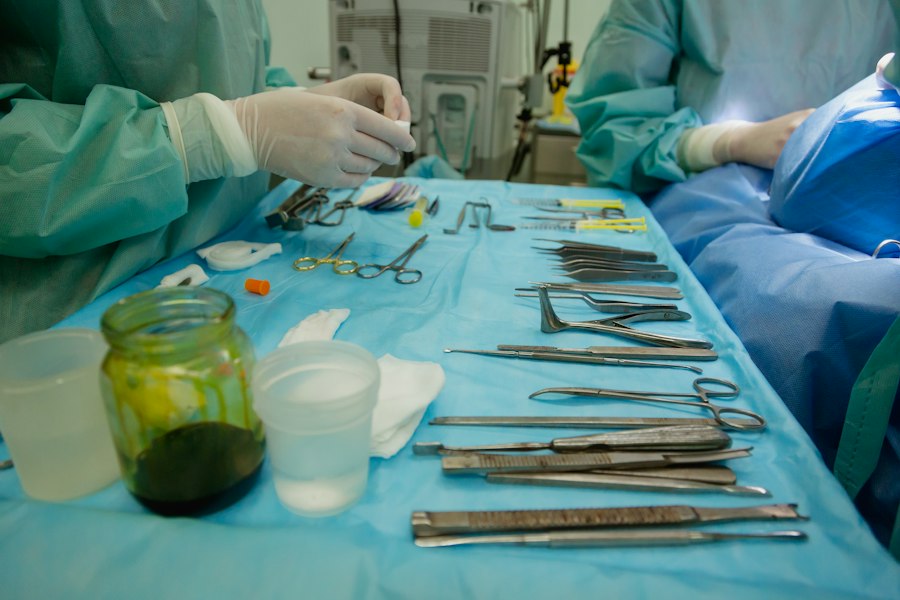
Facility and Staff Qualifications

When considering Lyons Gate or any hair restoration clinic, it is imperative to investigate the qualifications and experience of the medical professionals performing the procedures.

Surgeon Credentials and Experience

Inquire about the board certifications of the surgeon. Are they a board-certified plastic surgeon or dermatologist with specialized training and extensive experience in hair transplantation? Understanding their background and the volume of procedures they have performed is a key indicator of their expertise.

The Surgical Team

Hair transplantation is very much a team effort. The technicians who assist in graft preparation and implantation play a crucial role in the aesthetic outcome. Ensure they are experienced and work under the direct supervision of the surgeon.

Technology and Techniques Utilized

Does the facility utilize modern, evidence-based techniques and technology? This can include advanced FUE tools, high-powered microscopes for graft dissection, and sophisticated imaging for treatment planning.

Addressing Common Concerns About Hair Restoration

It’s natural to have questions and concerns when considering a surgical procedure. Addressing these proactively can help alleviate anxieties and ensure you are well-prepared.

Pain and Discomfort

Medical professionals aim to minimize pain and discomfort throughout the entire process. Local anesthesia is used for the procedure, and post-operative pain is typically manageable with prescribed or over-the-counter pain relievers. Most patients report that the discomfort is well within their expectations.

Scarring

As mentioned, both FUT and FUE procedures will result in scarring. FUT leaves a linear scar, which can be concealed with adequate hair growth. FUE results in small, punctate scars that are generally imperceptible, especially with shorter hairstyles. The skill of the surgeon in harvesting and closing the donor area significantly influences the visibility of any scarring.

Infection Risk

As with any surgical procedure, there is a small risk of infection. However, by following the post-operative care instructions diligently and maintaining good hygiene, this risk can be significantly minimized. Reputable clinics adhere to strict sterile protocols during the procedure itself.

Graft Survival Rate

The success of hair restoration is dependent on the survival of the transplanted grafts. Factors such as the skill of the surgical team, the technique used, and proper post-operative care all contribute to optimal graft survival. Surgeons aim for high survival rates, often in the range of 90% or higher.

Cost and Financing Options

Permanent hair restoration is an investment in your appearance. The cost will vary depending on the extent of the hair loss, the number of grafts required, and the specific techniques used.

Understanding the Pricing Structure

Inquire about the pricing structure. Is it priced per graft, per session, or as a package? Ensure you have a clear understanding of what is included in the quoted price, such as pre-operative consultations, the procedure itself, post-operative care, and any follow-up appointments.

Potential Financing Solutions

Many clinics offer financing options to help make the procedure more manageable. This could include payment plans or partnerships with medical financing companies. Understanding these options upfront can help you budget for the procedure.

The Long-Term Outlook of Permanent Hair Restoration

The term “permanent” in hair restoration refers to the fact that the transplanted hair follicles are genetically resistant to balding and will continue to grow. However, the underlying genetic process of hair loss may continue in the non-transplanted areas of your scalp.

Maintaining Existing Hair

While transplanted hair is permanent, it’s important to remember that this does not halt the natural progression of hair loss in other areas. Many individuals find that non-surgical treatments, such as minoxidil or finasteride, can be beneficial in slowing down further hair loss and thickening existing non-transplanted hair. Discussing these options with your medical professional is recommended, as they can complement the results of your transplant.

Future Procedures

Depending on the extent of your initial hair loss and the future progression of your baldness, you may require additional hair restoration procedures over time to maintain or enhance density. A skilled surgeon will often plan for this possibility, aiming to preserve donor hair for future sessions if needed.

Lifestyle and Hair Health

Metrics Results
Success Rate 90%
Procedure Time 4-8 hours
Recovery Time 1-2 weeks
Number of Grafts 1000-4000
Cost Varies

While the transplanted hair is permanent, overall hair health can still be influenced by lifestyle factors. A balanced diet, managing stress, and avoiding harsh hair treatments can contribute to the health and vitality of all your hair, including the transplanted follicles.

If you’re considering options for Permanent Hair Restoration in Lyons Gate Gilbert, you might find it helpful to explore the financial aspects of hair transplant procedures. A related article discusses the costs associated with hair transplants in Turkey, which can provide valuable insights into the affordability of such treatments. For more information, you can read about it in this informative article. Understanding these costs can help you make a more informed decision about your hair restoration journey.

Making an Informed Decision with Lyons Gate in Gilbert

Choosing a provider for permanent hair restoration is a significant decision. It requires thorough research, careful consideration of your options, and a clear understanding of the process and potential outcomes.

Red Flags to Watch For

When evaluating any clinic, be aware of potential red flags. These might include:

  • Guarantees of unrealistic results: No reputable clinic can guarantee a specific percentage of hair regrowth or a full head of hair.
  • High-pressure sales tactics: You should feel informed and empowered, not pressured into a decision.
  • Lack of transparency about qualifications: If the credentials and experience of the surgeon and staff are not readily available, it could be a concern.
  • Poorly maintained facilities: The clinic should be clean, professional, and well-organized.
  • Limited communication: If your questions are not answered thoroughly or promptly, it might indicate an issue.

The Importance of a Comprehensive Consultation

As mentioned previously, the consultation is your opportunity to gather information and assess if Lyons Gate is the right fit for you. Use this time to:

  • Ask all your questions: Don’t be afraid to ask about their experience, techniques, success rates, risks, and recovery.
  • Observe the staff: Are they professional, attentive, and ethical in their interactions?
  • Review before-and-after photos: Look for results that align with your desired outcome and seem natural.
  • Understand the cost breakdown: Ensure complete clarity on all expenses.

Trusting Your Instincts

Ultimately, after gathering all the information, it’s important to trust your instincts. You should feel comfortable and confident in the medical professionals you choose to entrust with your hair restoration. A well-executed permanent hair restoration procedure can have a profound positive impact on your confidence and self-esteem. By doing your due diligence and understanding what to expect, you can make the best decision for your individual needs and goals.

FAQs

What is permanent hair restoration?

Permanent hair restoration is a surgical procedure that involves transplanting hair follicles from one part of the body (usually the back or sides of the head) to the balding or thinning areas. This procedure is designed to provide a long-term solution for hair loss.

How does permanent hair restoration work?

During a permanent hair restoration procedure, hair follicles are harvested from the donor area and then transplanted into the recipient area. The transplanted hair follicles will continue to grow naturally in their new location, providing a permanent solution for hair loss.

Who is a good candidate for permanent hair restoration?

Good candidates for permanent hair restoration are individuals who have experienced hair loss or thinning and have sufficient donor hair to transplant. It is important for candidates to have realistic expectations about the results of the procedure.

What are the potential risks and side effects of permanent hair restoration?

Potential risks and side effects of permanent hair restoration may include infection, scarring, bleeding, and temporary numbness in the donor and recipient areas. It is important to discuss these risks with a qualified surgeon before undergoing the procedure.

What is the recovery process like after permanent hair restoration?

The recovery process after permanent hair restoration may involve some swelling, discomfort, and scabbing in the recipient area. Patients are typically advised to avoid strenuous activities and to follow post-operative care instructions provided by their surgeon. It may take several months for the transplanted hair to fully grow in.