
Menu Close

Tag: : Wigs

Cultural Differences and Approaches to Hair Restoration

Cultural Differences and Approaches to Hair Restoration

Hair restoration is a significant concern for many individuals around the world, but cultural differences play a crucial role in shaping how people approach this issue. These differences influence the methods people use to deal with hair loss and baldness. Understanding these cultural variations can shed light on the diverse perspectives on beauty, self-image, and healthcare. Let’s explore ten cultural differences and approaches to hair restoration:

Acceptance vs. Intervention:

Some cultures embrace hair loss as a natural part of aging, promoting self-acceptance.
Others view hair loss as a problem to be solved, encouraging intervention through restoration techniques.

Herbal Remedies:

Traditional cultures often rely on herbal remedies and natural treatments for hair regrowth.
Modern societies may use scientifically developed medications and surgical procedures.

Cultural Symbols:

Hair holds significant cultural symbolism; losing it can impact one’s identity and status in the community.
Some cultures consider a full head of hair as a sign of virility, beauty, or wisdom.

Wigs and Hairpieces:

In certain cultures, wearing wigs or hairpieces is a common way to conceal hair loss.
Others may consider it taboo or deceitful.

Religious Beliefs:

Religious norms can influence how hair loss is perceived and addressed.
For example, in some cultures, shaving one’s head may be a religious practice.
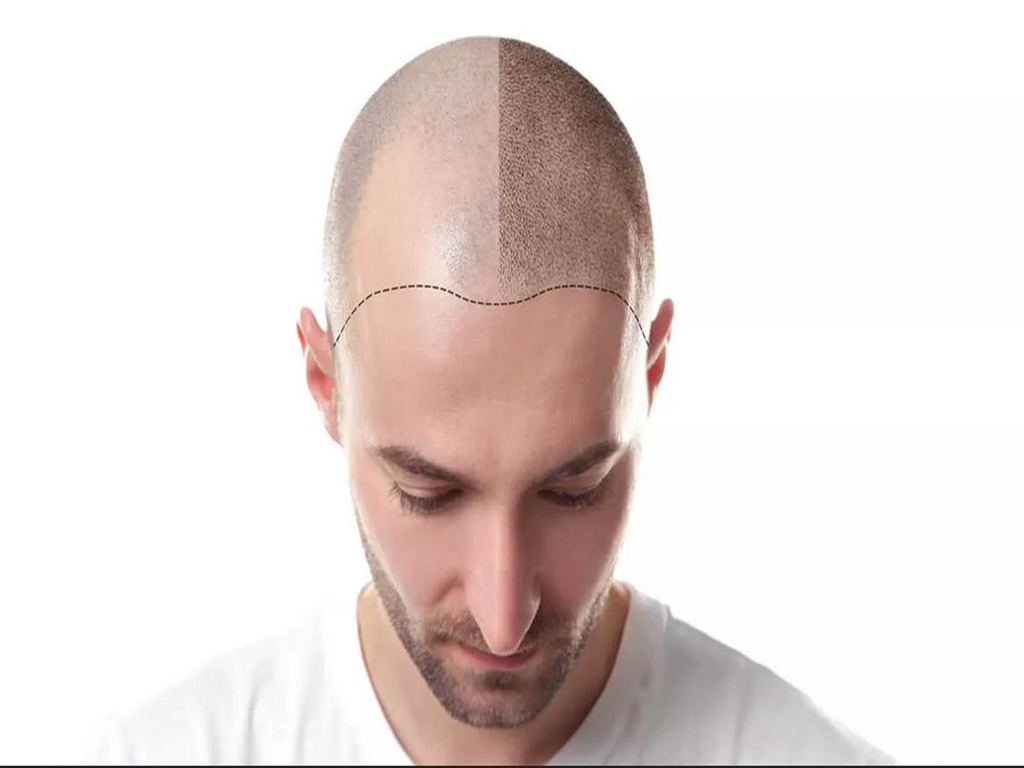
 

Hair Transplant


Societal Pressure:

Cultural expectations regarding appearance and beauty standards can drive the desire for hair restoration.
Conversely, cultures valuing inner qualities over appearance may downplay the significance of hair loss.

Cultural Practices:

Hairstyles and grooming practices differ across cultures, impacting hair health and loss.
Some cultural hairstyles may contribute to hair damage and loss.

Holistic Approaches:

Certain cultures adopt holistic approaches, considering overall health and lifestyle for hair restoration.
They may emphasize the role of nutrition, stress reduction, and natural remedies.

Family Influence:

Cultural norms may involve family decisions on hair restoration, especially in collectivist societies.
Elders’ opinions can heavily influence an individual’s choices.

Accessibility to Technology:

Developed countries may have more advanced hair restoration technologies and facilities.
In contrast, developing regions may rely on traditional methods due to limited resources.

By recognizing and respecting cultural differences in hair restoration, we can foster better understanding and ensure that individuals receive appropriate support and solutions for their hair loss concerns. The diverse approaches to hair restoration demonstrate the rich tapestry of human values and traditions across the globe.

Alternative Hair Restoration Options – Wigs, Hairpieces, and Hair Systems

Alternative Hair Restoration Options – Wigs, Hairpieces, and Hair Systems

Losing hair can be a distressing experience, impacting self-esteem and confidence. Thankfully, there are several alternative hair restoration options available that can help you regain a full head of hair and feel great again. In this article, we’ll explore three popular choices: wigs, hairpieces, and hair systems. Each option offers unique benefits, allowing you to find the perfect fit for your individual needs.

Wigs:
Wigs are versatile and come in various styles, colors, and lengths, allowing you to change your look effortlessly.
They offer complete coverage for hair loss, making them ideal for those with extensive hair thinning or baldness.
Modern wigs are comfortable, lightweight, and breathable, reducing discomfort during extended wear.
Wig maintenance is relatively easy, requiring simple washing and styling.

Hairpieces:
Hairpieces, also known as hair toppers, are excellent for individuals with localized hair loss or thinning, such as on the crown or top of the head.
They seamlessly blend with your existing hair, providing a natural and undetectable appearance.
Hairpieces are available in synthetic and human hair options, offering a range of price points to fit different budgets.
These solutions are easy to attach and remove, making them convenient for everyday use.

Hair Systems:
Hair systems, commonly referred to as hair replacement systems or hair weaves, are suitable for individuals seeking a semi-permanent solution.
They involve attaching real or synthetic hair to the scalp using adhesive or integration techniques.
Hair systems offer a natural look, allowing you to participate in various activities with confidence.
These options are customizable, enabling you to choose hair texture, color, and style according to your preference.

Cost-Effectiveness:
Wigs and hairpieces generally have a lower upfront cost compared to surgical hair restoration procedures.
Hair systems, while pricier than wigs and hairpieces, provide longer-lasting results, making them cost-effective in the long run.


wigs


Non-Invasive:
Unlike hair transplantation surgery, these alternative options do not require any invasive procedures or incisions, minimizing risks and recovery time.

Reversible:
If you wish to change your hairstyle or take a break from hair restoration, you can easily remove wigs, hairpieces, or hair systems without any permanent impact.

Quick Results:
Alternative hair restoration options offer immediate results, allowing you to achieve the desired look without waiting for hair to grow naturally.

Versatility:
Wigs, hairpieces, and hair systems provide the flexibility to experiment with different hairstyles, colors, and lengths, enhancing your overall appearance.

Suitable for Various Hair Loss Types:
These options are suitable for individuals with various hair loss types, including androgenetic alopecia, alopecia areata, and medical-related hair loss.

Boosting Confidence:
Restoring your hair with wigs, hairpieces, or hair systems can significantly boost self-confidence and improve overall well-being.