
Menu Close

Tag: Scalp

Stem Cell Therapy for Hair Restoration

Stem Cell Therapy for Hair Restoration: Reviving Your Crowning Glory


Hair loss is a common concern for many individuals, impacting their self-confidence and overall well-being.
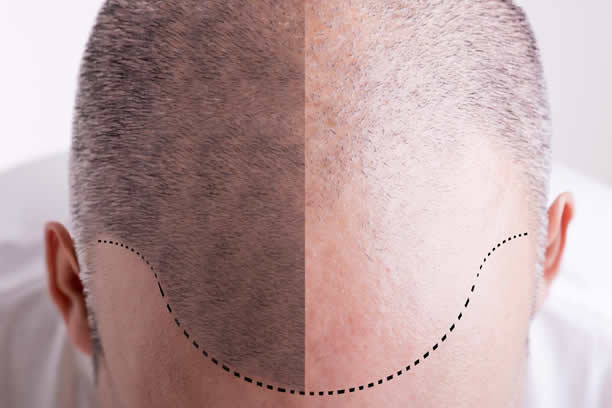
Stem cell therapy offers a promising solution for hair restoration, harnessing the body’s natural healing abilities to stimulate hair growth.

What are Stem Cells?

Stem cells are unique cells with the remarkable ability to transform into different cell types.
They can be found in various tissues of the body, including the scalp.

How Does Stem Cell Therapy Work for Hair Restoration?

Stem cell therapy for hair restoration involves isolating and harvesting stem cells from the patient’s own body, often from adipose tissue or bone marrow.

These stem cells are then injected into the scalp to target areas experiencing hair loss.

Stimulating Hair Follicles:

Once injected, stem cells work to stimulate dormant hair follicles, prompting them to enter the active growth phase.

This process leads to thicker, fuller, and healthier hair over time.

Reducing Inflammation:

Stem cells possess anti-inflammatory properties, which can be beneficial in treating conditions that cause hair loss, such as alopecia.

Accelerating Healing:

Stem cell therapy accelerates the healing process of damaged hair follicles, promoting faster hair growth and restoration.


Hair Transplant


Non-Invasive Procedure:

Stem cell therapy for hair restoration is a non-invasive procedure, reducing the risk of complications and minimizing downtime.

Natural Results:

Since stem cell therapy uses the patient’s cells, the results are natural-looking and safe, avoiding the need for artificial hair implants.

Long-lasting Effects:

Stem cell therapy offers long-lasting results, with many patients experiencing continuous hair growth for an extended period.

Conclusion:

Stem cell therapy for hair restoration is a cutting-edge approach that taps into the body’s regenerative potential to revive thinning hair and boost confidence.
Scalp and Hair Anatomy

Scalp and Hair Anatomy: Understanding the Foundations of Your Hair

The scalp and hair are vital components of our appearance, contributing to our confidence and individuality. Understanding the basics of their anatomy can help us maintain healthy, luscious locks. In this article, we’ll delve into the key aspects of scalp and hair anatomy, giving you comprehensive insight in a concise and engaging manner.

The Scalp’s Structure:

The scalp is the skin covering the head, comprising several layers.
The epidermis is the outermost layer responsible for protecting the scalp.
Beneath the epidermis lies the dermis, containing hair follicles, sebaceous glands, and blood vessels.
The subcutaneous tissue lies beneath the dermis, acting as insulation for the scalp.

Hair Follicles:

Hair follicles are tiny cavities within the scalp where hair grows.
Each hair follicle has a sebaceous gland that produces sebum, a natural hair conditioner.
The number of hair follicles is genetically determined and remains constant throughout life.

Hair Shaft:

The visible part of the hair is the hair shaft.
It consists of three layers: the cuticle, cortex, and medulla.
The cuticle is the protective outer layer, and the cortex determines hair strength and color.

Hair Growth Phases:

Hair growth occurs in three phases: anagen (active growth), catagen (transitional), and telogen (resting).
Anagen lasts for several years and determines hair length.
Catagen and telogen phases are shorter, leading to hair shedding and renewal.

Hair Pigmentation:

Hair color results from melanin, a pigment produced by specialized cells called melanocytes.
Decreased melanin production leads to gray hair, while absent melanin results in white hair.


Hair Transplant


Blood Supply:

The scalp receives a rich blood supply through arteries and veins, providing essential nutrients to hair follicles.

Nerve Endings:

The scalp contains nerve endings that make it sensitive to touch, pain, and temperature.

Hair’s Function:

Hair serves as protection against sunlight and minor injuries on the scalp.

Hair Growth Patterns:

Hair growth patterns vary among individuals and may change over time.

Factors Affecting Scalp and Hair Health:

Proper nutrition, hydration, and scalp care are essential for healthy hair.
External factors like sun exposure and harsh hair treatments can impact hair health.

Understanding the scalp and hair’s anatomy empowers us to make informed decisions about hair care, leading to healthier and more vibrant locks. By nurturing our hair’s foundation, we can embrace our uniqueness and radiate confidence every day.