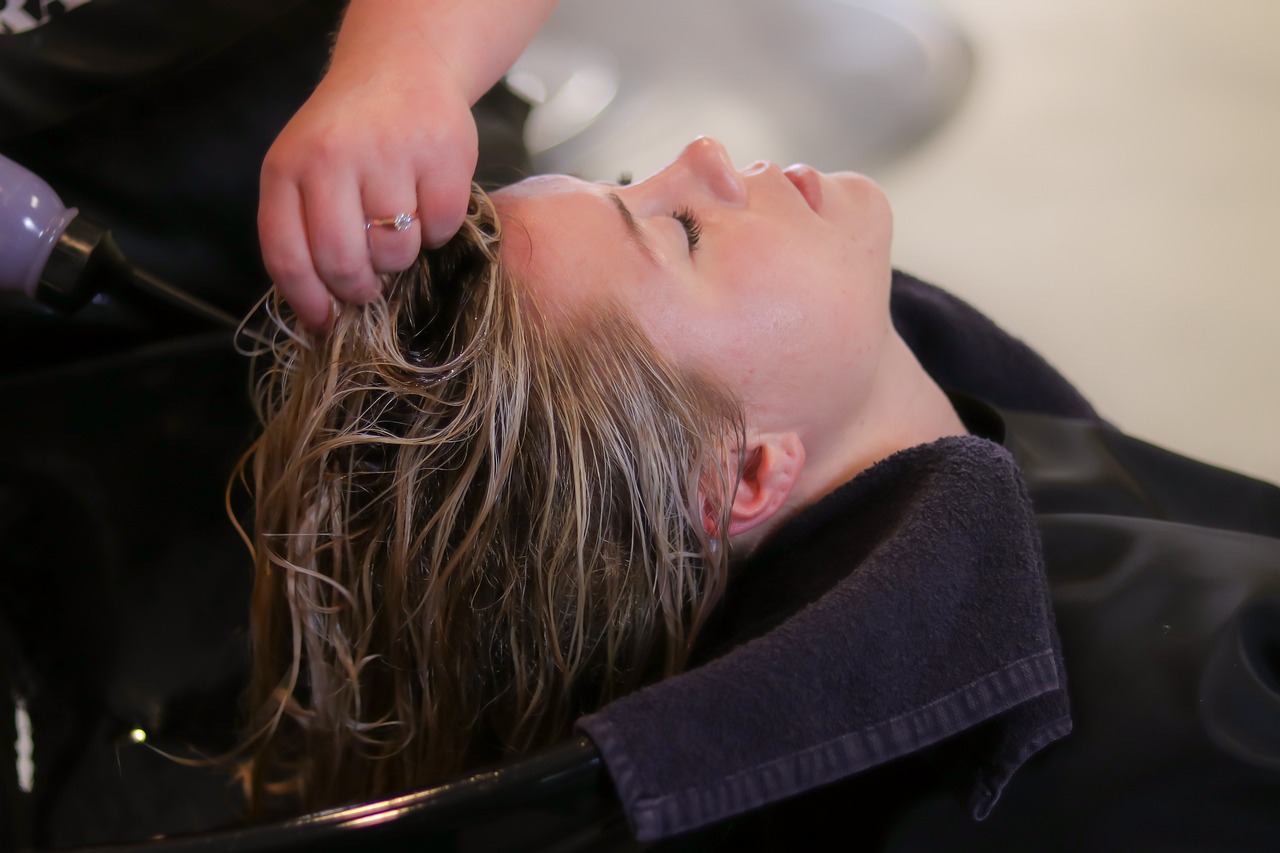
10 Effective Tips for Preventing Hair Loss in Non-Transplanted Areas
Hair loss can be distressing, but there are steps you can take to prevent it from affecting non-transplanted areas. Whether you’ve undergone a hair transplant or not, these 10 simple yet powerful tips can help you maintain healthy hair and prevent further loss in non-transplanted regions.
Balanced Diet:
A nutritious and balanced diet rich in vitamins and minerals, such as biotin, zinc, and iron, supports hair health and growth.
Avoid Harsh Hairstyles:
Tight ponytails, braids, or the constant use of hair extensions can lead to traction alopecia, causing hair loss along the hairline and other non-transplanted areas.
Use Gentle Hair Products:
Choose shampoos, conditioners, and styling products without harsh chemicals to protect your hair from damage and breakage.
Reduce Heat Styling:
Frequent use of heat styling tools can weaken hair and lead to non-transplanted area hair loss. Minimize their use or apply a heat protectant before styling.
Massage Your Scalp:
Regular scalp massages increase blood circulation and promote healthy hair growth in non-transplanted areas.
Avoid Overwashing:
Washing your hair too frequently can strip it of natural oils, leading to dryness and breakage. Stick to a gentle washing routine.
Manage Stress:
Chronic stress can contribute to hair loss. Practice relaxation techniques like meditation or yoga to reduce stress levels.
Protect Hair from UV Exposure:
Overexposure to the sun can damage hair follicles in non-transplanted areas. Wear a hat or use UV-protective hair products when outdoors.
Stay Hydrated:
Proper hydration is vital for overall hair health. Drink plenty of water to nourish your hair from the inside out.
Consult a Dermatologist:
If you experience excessive hair loss in non-transplanted areas, consult a dermatologist to identify any underlying issues and receive personalized advice.
Remember, taking care of your hair goes a long way in maintaining its health and preventing hair loss in both transplanted and non-transplanted regions. By incorporating these simple tips into your daily routine, you can enjoy fuller, healthier hair.
From Thin to Thick: Simple Steps to Naturally Boost Hair Volume
Introduction
In a world where luscious, voluminous hair is coveted, many individuals seek ways to transform their thin locks into a fuller, more luxurious mane. While various products and treatments promise quick results, the key to achieving natural and lasting hair volume lies in understanding the factors that influence it and adopting simple yet effective techniques. This article aims to guide you through the process of naturally boosting hair volume, providing you with practical steps to transform your thin hair into a thick and voluminous crown.
Understanding Hair Volume and Factors Affecting It
Hair volume refers to the overall fullness and thickness of the hair strands. It plays a vital role in creating a visually appealing and youthful look. Several factors can influence hair volume, including genetics, age, and lifestyle choices. While some factors are beyond our control, there are ways to maximize hair volume naturally.
How to grow hair faster and thicker
Nurturing a Healthy Scalp
A healthy scalp serves as the foundation for promoting hair volume. Regular cleansing and exfoliation are essential to maintain a clean and balanced scalp environment. It is recommended to use a gentle shampoo that suits your hair type and to avoid harsh chemicals that can strip the scalp of its natural oils. Exfoliating the scalp with a soft brush or a scalp scrub can help remove any buildup and stimulate blood circulation, promoting healthier hair growth. Additionally, incorporating natural scalp treatments such as massaging with essential oils like rosemary or tea tree oil, or applying aloe vera gel can nourish the scalp and support voluminous hair growth.
Proper Hair Care Routine for Volume Enhancement
Adopting a suitable hair care routine is crucial for enhancing hair volume. Start by selecting a volumizing shampoo and conditioner specifically formulated to add body and thickness to the hair. These products often contain ingredients like proteins and polymers that coat the hair shaft, creating the illusion of fuller hair. When washing your hair, use lukewarm water and massage the scalp gently to avoid excessive hair breakage. After washing, opt for air-drying or use a diffuser on a low heat setting to prevent heat damage and preserve the hair’s natural volume. Additionally, using a wide-toothed comb or a brush designed for volumizing can help detangle the hair without causing unnecessary breakage.
Natural Remedies and Home Treatments
A well-balanced diet and proper nutrition play a vital role in promoting healthy hair growth and enhancing volume. Incorporate hair-friendly foods into your meals, such as eggs, spinach, sweet potatoes, and salmon. These foods are rich in nutrients like biotin, vitamin E, and omega-3 fatty acids, which are essential for hair health and growth. Furthermore, consider preparing homemade hair masks or rinses using natural ingredients known for their beneficial properties. For example, a mask made of beaten eggs and olive oil can provide nourishment and shine, while a mixture of yogurt and honey can help moisturize the hair strands. Green tea, when used as a rinse, can also stimulate hair growth and add volume.
Styling Tips for Creating the Illusion of Thicker Hair
Opting for suitable hairstyles and employing specific styling techniques can significantly enhance the appearance of hair volume. Consider getting layered cuts or tousled waves, as these hairstyles create texture and movement, making the hair appear thicker. When styling, incorporate volumizing products such as mousse or dry shampoo. These products add lift and body to the hair, creating the illusion of thickness. Additionally, use blow-drying techniques that focus on lifting the roots, and consider using round brushes to create volume while drying. These styling tips can help you achieve a fuller look effortlessly.
Lifestyle Factors and Additional Considerations
Frequently Asked Questions: How to Grow Hair Faster and Thicker Naturally
Q1. Is it possible to grow hair faster and thicker naturally?
Yes, it is possible to promote hair growth and increase hair thickness naturally. Although individual results may vary, adopting certain habits and incorporating specific practices into your routine can help enhance hair growth.
Q2. How does hair grow?
Hair growth occurs in cycles. The growth phase (anagen) is when hair actively grows, followed by a resting phase (telogen) where hair stops growing. After the resting phase, the hair falls out and a new hair follicle replaces it, starting the cycle again.
Q3. Are there any natural remedies to stimulate hair growth?
Several natural remedies may help stimulate hair growth, such as:
– Scalp massages: Massaging the scalp improves blood circulation and promotes hair growth.
– Essential oils: Some essential oils, like lavender, rosemary, and peppermint oil, may promote hair growth when applied to the scalp.
– Aloe vera: Applying aloe vera gel directly to the scalp may stimulate hair growth.
– Onion juice: Onion juice has sulfur, which can improve blood circulation and hair growth when applied to the scalp.
– Healthy diet: Consuming a balanced diet rich in vitamins, minerals, and proteins is crucial for hair health and growth.
Q4. Does trimming the hair regularly make it grow faster?
Trimming your hair regularly doesn’t directly make it grow faster. However, regular trims help to maintain the health of the hair by preventing split ends and breakage, which can make the hair appear healthier and fuller.
Q5. Can specific dietary changes promote hair growth?
A nutritious diet plays a significant role in hair growth. Some dietary changes that may promote hair growth include:
– Consuming protein-rich foods such as lean meats, fish, eggs, and legumes.
– Adding biotin-rich foods like eggs, almonds, avocados, and sweet potatoes.
– Including iron-rich foods such as spinach, lentils, and lean red meat.
– Increasing intake of vitamins A, C, and E found in fruits, vegetables, and nuts.
– Staying hydrated by drinking an adequate amount of water.
Q6. Are there any lifestyle changes that can help hair growth?
Certain lifestyle changes can contribute to healthy hair growth:
– Minimizing stress levels: Chronic stress can impact hair growth. Engage in stress-reducing activities like exercise, meditation, or hobbies.
– Avoiding excessive heat and chemical treatments: Frequent use of heat styling tools and harsh chemical treatments can damage the hair, leading to breakage and slower growth.
– Protecting hair from environmental damage: Shield your hair from excessive sun exposure, chlorine, and pollution by wearing a hat or using protective products.
Q7. Can using certain hair care products improve hair growth?
While specific hair care products cannot directly promote hair growth, choosing gentle, sulfate-free shampoos and conditioners can help maintain a healthy scalp and prevent damage to the hair shaft. Additionally, using a wide-toothed comb or a brush with soft bristles can minimize breakage.
Q8. How long does it take to see results when trying to grow hair faster and thicker naturally?
Hair growth is a gradual process, and individual results may vary. It can take several months or longer to notice a significant change in hair length and thickness. Consistency in adopting healthy habits is key to achieving and maintaining results.
Q9. Are there any medical conditions or factors that can hinder hair growth?
Certain medical conditions, hormonal imbalances, and nutritional deficiencies can affect hair growth. If you have concerns about slow hair growth, it’s advisable to consult a healthcare professional or a dermatologist to rule out any underlying conditions.
How to Grow Hair Faster in One Week: A Comprehensive Guide
I. Introduction
Hair growth is a common desire for many individuals looking to enhance their appearance or address hair thinning concerns. While hair growth is a gradual process, this article aims to provide insights and tips on how to promote faster hair growth within a week. By understanding the hair growth cycle, implementing proper nutrition, adopting effective hair care practices, and incorporating healthy lifestyle habits, you can optimize your hair growth potential.
II. Understanding Hair Growth
Hair growth follows a natural cycle consisting of three phases: anagen (growth phase), catagen (transitional phase), and telogen (resting phase). Factors such as genetics, age, overall health, and hormonal fluctuations can influence the rate at which hair grows. It’s important to have realistic expectations when aiming to accelerate hair growth within a week, as significant changes may not occur during this short period.
How to grow hair faster naturally in one week
A. Balanced Diet
A balanced and nutrient-rich diet plays a crucial role in supporting healthy hair growth. Certain vitamins and minerals are particularly beneficial for hair health, including biotin, vitamin E, vitamin D, zinc, and iron. Incorporate foods such as eggs, leafy greens, nuts, seeds, whole grains, and lean meats into your diet to provide essential nutrients for hair growth.
B. Protein-Rich Foods
Protein is a vital component for hair structure and growth. Include protein-rich foods like fish, poultry, beans, lentils, and Greek yogurt in your meals to promote healthy hair growth. Additionally, consider incorporating plant-based protein sources such as quinoa, chia seeds, and tempeh into your diet if you follow a vegetarian or vegan lifestyle.
C. Omega-3 Fatty Acids
Omega-3 fatty acids offer numerous benefits for hair health, including promoting hair growth. Increase your intake of foods rich in omega-3 fatty acids, such as fatty fish (salmon, mackerel, sardines), walnuts, flaxseeds, and chia seeds. Alternatively, you can opt for omega-3 supplements after consulting with a healthcare professional.
IV. Hair Care Practices for Accelerated Hair Growth
Proper hair care practices are essential for maintaining optimal hair health and stimulating faster growth.
A. Scalp Massage
Regular scalp massages can improve blood circulation to the hair follicles, promoting hair growth. Using your fingertips, gently massage your scalp in circular motions for a few minutes each day. You can also incorporate natural oils like coconut oil or almond oil for added nourishment during the massage.
B. Gentle Hair Care Routine
To prevent hair breakage and damage, adopt a gentle hair care routine. Use a wide-toothed comb or a brush with soft bristles to detangle your hair. When washing, choose a mild shampoo and conditioner suited for your hair type. Avoid excessive brushing, especially when your hair is wet, as it is more prone to breakage.
C. Avoiding Heat and Chemical Damage
Heat styling tools and harsh chemicals can cause significant damage to your hair, hindering its growth potential. Minimize the use of heat styling tools like straighteners and curling irons. If necessary, apply a heat protectant spray before using these tools. opt for natural or mild hair care products without harsh chemicals like sulfates and parabens to maintain hair health.
V. Lifestyle Habits for Healthy Hair Growth
Certain lifestyle habits can positively impact hair growth and overall hair health.
A. Regular Exercise
Engaging in regular physical activity improves blood circulation, including to the scalp, which aids in delivering essential nutrients to the hair follicles. Include exercises like brisk walking, jogging, yoga, or any activity that increases your heart rate for at least 30 minutes a day.
B. Stress Management
Stress can contribute to hair loss and hinder hair growth. Implement stress-reducing techniques such as meditation, deep breathing exercises, or engaging in hobbies that bring you joy. Prioritize self-care and find ways to relax and unwind to promote a healthier hair growth environment.
C. Quality Sleep
Adequate sleep is crucial for overall health and hair growth. Create a bedtime routine that promotes quality sleep by establishing a consistent sleep schedule, creating a relaxing environment, and avoiding electronic devices before bed. Aim for 7-9 hours of sleep each night to support optimal hair growth.
VI. Supplementary Options for Accelerated Hair Growth
In addition to nutrition and hair care practices, certain supplementary options may aid in accelerating hair growth.
A. Hair Growth Supplements
Hair growth supplements containing ingredients like biotin, vitamins, minerals, and herbal extracts are available in the market. However, consult with a healthcare professional before starting any supplements to determine their suitability and potential interactions with existing medications.
B. Topical Treatments
Topical treatments such as minoxidil or hair growth serums containing ingredients like caffeine or essential oils may help stimulate hair growth. Follow the instructions provided by the manufacturer and apply the treatments according to their recommendations for maximum effectiveness.
VII. Conclusion
Growing hair faster in one week requires a combination of proper nutrition, effective hair care practices, and adopting a healthy lifestyle. While significant changes may not occur within such a short timeframe, implementing these recommendations can promote overall hair health and optimize your hair growth potential in the long run. Remember to maintain consistency and patience while incorporating these practices for the best results.
By following this comprehensive guide, you are on your way to achieving healthier and faster hair growth within a week.
FAQs
Q: Is it really possible to grow hair faster in just one week?
A: While it’s unrealistic to expect significant hair growth within a week, there are steps you can take to promote a healthier hair growth environment. These include adopting a nutrient-rich diet, implementing proper hair care practices, and adopting a healthy lifestyle. While individual results may vary, these practices can help optimize your hair growth potential in the long run.
Q: Are there any specific foods that can help grow hair faster?
A: Absolutely! Including certain foods in your diet can provide essential nutrients that promote hair growth. Foods rich in protein, such as eggs, lean meats, beans, and Greek yogurt, are beneficial. Additionally, incorporate foods containing omega-3 fatty acids like fatty fish, walnuts, and flaxseeds. Remember, a balanced diet overall is key for healthy hair growth.
Q: How often should I massage my scalp for hair growth?
A: There’s no strict rule, but massaging your scalp for a few minutes every day can help improve blood circulation to the hair follicles. You can use your fingertips to gently massage your scalp in circular motions. If you choose to use oils during the massage, apply them sparingly to avoid excessive oiliness.
Q: Can heat styling tools and harsh chemicals affect hair growth?
A: Yes, heat styling tools like straighteners and curling irons, as well as harsh chemicals found in some hair products, can damage your hair and hinder its growth potential. It’s best to minimize the use of heat styling tools and opt for natural or mild hair care products without sulfates and parabens. Protect your hair from heat by using a heat protectant spray if necessary.
Q: Can exercise really promote hair growth?
A: Regular exercise improves blood circulation, including to the scalp, which aids in delivering essential nutrients to the hair follicles. While exercise alone may not directly cause hair to grow faster, it contributes to a healthier overall environment for hair growth. So, lace up those sneakers and get moving!
Q: Do hair growth supplements actually work?
A: Hair growth supplements can be beneficial for some individuals, but results may vary. Before starting any supplements, it’s important to consult with a healthcare professional to ensure their suitability for you. Remember, supplements should be used in conjunction with a healthy diet and lifestyle, rather than as a sole solution for hair growth.
Q: Are there any natural remedies I can try for faster hair growth?
A: There are several natural remedies that people claim promote hair growth, such as applying onion juice or aloe vera gel to the scalp. While some individuals have reported positive results, the scientific evidence is limited. It’s always a good idea to consult with a healthcare professional before trying any new natural remedies.
Q: Can stress affect hair growth?
A: Yes, stress can contribute to hair loss and hinder hair growth. High-stress levels can disrupt the hair growth cycle, leading to increased shedding or slower growth. Implementing stress-reducing techniques like meditation, deep breathing exercises, or engaging in activities you enjoy can help promote a healthier hair growth environment.
Q: How long should I follow these practices before seeing results?
A: Consistency is key when it comes to hair growth. While you may not see significant changes within a week, adopting these practices over a longer period can promote healthier hair growth. Give it a few months to notice visible improvements, and remember to be patient and kind to your hair throughout the process.
Remember, everyone’s hair is unique, so it’s important to find what works best for you. Experiment with different methods and listen to your hair’s needs. If you have specific concerns or persistent issues, it’s always a good idea to consult with a trusted hair care professional for personalized advice.
RELATED SEARCH TERMS AND RELEVANT KEYWORDS:
Hair growth
Grow hair faster
One week
Accelerated hair growth
Hair growth cycle
Nutrient-rich diet
Protein for hair growth
Omega-3 fatty acids
Scalp massage
Gentle hair care
Heat damage prevention
Chemical damage prevention
Exercise for hair growth
Stress management and hair growth
Quality sleep and hair growth
Hair growth supplements
Topical treatments for hair growth
Faster results
Hair health
Natural hair growth
We use cookies to ensure that we give you the best experience on our website. If you continue to use this site we will assume that you are happy with it.