
Menu Close

Tag: realistic expectations

Understanding Hair Transplantation Results

Understanding Hair Transplantation Results: Achieving Natural-Looking Hair

The Decision to Get a Hair Transplant: Hair loss can be a distressing experience for many individuals, leading them to consider hair transplantation as a viable solution.

Pre-Transplant Evaluation: Before undergoing a hair transplant procedure, a thorough evaluation by a qualified hair restoration specialist is crucial. This assessment helps determine the extent of hair loss, the donor hair availability, and the most suitable technique.

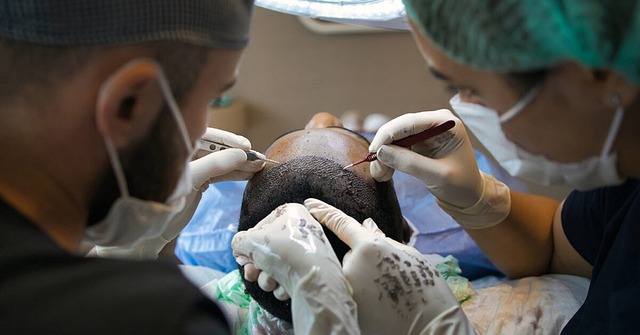
Hair Transplant Techniques: Two primary hair transplant techniques are Follicular Unit Transplantation (FUT) and Follicular Unit Extraction (FUE). FUT involves removing a strip of hair from the donor area, while FUE involves extracting individual hair follicles.

The Importance of a Skilled Surgeon: The success of a hair transplant heavily relies on the skill and expertise of the surgeon. Choosing an experienced professional with a proven track record is essential for achieving satisfactory results.

Post-Transplant Healing: After the procedure, the transplanted hair follicles go through a healing process. It is normal for the transplanted hair to shed within a few weeks, but new hair will start to grow gradually.


Hair Transplant


Patience is Key: Hair transplantation results take time to become evident. Patients need to be patient and understand that the full results may not be visible until several months after the procedure.

Natural-Looking Results: Modern hair transplant techniques focus on achieving natural-looking results. Skilled surgeons artfully place the transplanted hair to mimic the natural hair growth pattern, ensuring a seamless blend with existing hair.

Gradual Hair Growth: Hair growth following a transplant is not immediate; it occurs gradually over time. New hair may appear thinner initially but will thicken as it matures.

Follow-Up Care: After the procedure, follow-up visits with the surgeon are essential to monitor progress and address any concerns. These visits also allow the surgeon to assess the need for any additional sessions for maximum results.

Realistic Expectations: While hair transplantation can significantly improve the appearance and boost confidence, it is essential to have realistic expectations. Each individual’s results may vary, and some may require multiple sessions to achieve the desired density.
Factors to Consider Before Choosing Hair Transplantation

10 Key Factors to Consider Before Choosing Hair Transplantation

Are you experiencing hair loss and considering hair transplantation as a solution? Hair transplant procedures have gained popularity over the years as a viable option for restoring hair and confidence. However, before you embark on this journey, it’s crucial to consider several factors to ensure the best possible outcome. Here are ten key factors you should take into account:

Candidate Assessment: Make sure you are a suitable candidate for hair transplantation. Ideal candidates typically have stable hair loss, good general health, and adequate donor hair at the back or sides of the head.

Type of Hair Loss: Determine the type and extent of your hair loss. Different hair loss patterns might require different approaches, such as FUE (Follicular Unit Extraction) or FUT (Follicular Unit Transplantation).

Consultation with a Qualified Specialist: Consult with a reputable hair transplant surgeon to evaluate your condition properly. Ask about their experience, and qualifications, and check patient testimonials or before-and-after photos.

Realistic Expectations: Set realistic expectations about the results. Hair transplantation can improve your appearance, but it may not fully restore your hair to its original density.

Cost and Financing: Consider the cost of the procedure and inquire about financing options if necessary. Remember that a high price doesn’t always guarantee the best results.

Recovery Time: Understand the recovery process and time required post-surgery. Factor in any potential downtime from work or other activities.

hair transplant

Potential Risks and Side Effects: Be aware of the potential risks and side effects associated with hair transplantation. Although uncommon, complications like infection or scarring may occur.

Maintenance and Follow-up: Hair transplantation is a lifelong commitment. Inquire about post-surgery care and maintenance to ensure the longevity of the transplanted hair.

Alternatives to Transplantation: Explore non-surgical alternatives like medications or laser therapies before deciding on surgery.

Clinic Reputation and Facility: Choose a reputable hair transplant clinic with a sterile and well-equipped facility. Do thorough research and read reviews to ensure you’re making the right choice.

Remember, hair transplantation is a significant decision that can positively impact your self-esteem and appearance. By considering these ten factors before choosing hair transplantation, you’ll be better equipped to make an informed and confident choice.

Preparing for Hair Transplant Surgery – Preparing Emotionally and Mentally

Preparing for Hair Transplant Surgery – Preparing Emotionally and Mentally

Hair transplant surgery is a life-changing decision that requires both physical and emotional readiness. While the physical aspects of preparation are vital, it is equally essential to be mentally and emotionally prepared for the procedure. Here are ten essential tips to help you get ready emotionally and mentally for your hair transplant surgery:

  1. Research Thoroughly: Educate yourself about the hair transplant process, the different techniques available, and what to expect during and after the surgery.
  2. Realistic Expectations: Set realistic expectations about the results. Understand that hair restoration is a gradual process and may take several months to achieve the desired outcome.
  3. Consultation with Experts: Schedule a consultation with a reputable hair transplant surgeon. Ask questions, share your concerns, and understand all aspects of the procedure.
  4. Understand the Procedure: Familiarize yourself with the surgical steps involved, from harvesting hair follicles to implantation, to ease any anxiety.
  5. Potential Risks and Side Effects: Acknowledge the potential risks and side effects associated with the surgery. Knowing these in advance can help you prepare mentally for any challenges.
  6. Discuss with Past Patients: Reach out to individuals who have undergone hair transplant surgery. Their experiences and insights can provide valuable emotional support and perspective.
  7. Address Anxieties: If you feel anxious about the surgery, don’t hesitate to discuss your concerns with your surgeon. They can provide reassurance and possibly suggest relaxation techniques.
  8. Arrange Emotional Support: Inform your close friends or family members about your surgery plans. Having emotional support during the process can be incredibly comforting.
  9. Take Care of Yourself: Prioritize self-care before the surgery. Engage in activities that help reduce stress and improve your overall well-being.
  10. Focus on the Positive: Embrace the excitement of regaining your hair and the boost it will give to your self-confidence.

By following these tips, you can approach your hair transplant surgery with a positive mindset, emotionally prepared for the journey ahead.