
Menu Close

Tag: Psychological impact of hair loss

Counseling and Therapy for Hair Loss-related Psychological Concerns

Counseling and Therapy for Coping with Hair Loss: Restoring Confidence from Within

Hair loss can be a distressing experience for many individuals, leading to a range of psychological concerns. It is not just a physical change but can also deeply impact a person’s self-esteem and overall well-being. Fortunately, counseling and therapy can play a crucial role in helping individuals cope with hair loss-related psychological concerns. Here are ten ways in which counseling and therapy can make a significant difference:

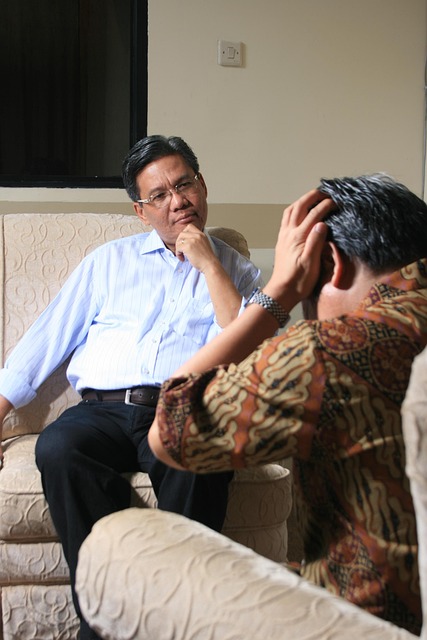
Understanding Emotions: Counseling provides a safe space to express feelings of sadness, frustration, or anxiety related to hair loss.

Self-Exploration: Therapy allows individuals to explore the root causes of their emotional distress and develop insights into their self-image.

Coping Strategies: Professionals can teach effective coping techniques to manage stress and emotional challenges resulting from hair loss.

Enhancing Self-Esteem: Counseling helps individuals build a positive self-image and regain lost confidence due to hair loss.

Body Positivity: Therapy encourages body acceptance and focuses on overall self-care beyond physical appearance.
 

counsel2


Identifying Triggers: Counseling aids in recognizing triggers that exacerbate hair loss-related distress and devising appropriate responses.

Goal Setting: Therapists assist in setting realistic goals to achieve emotional well-being and personal growth during the hair loss journey.

Support Network: Therapy provides a supportive environment, enabling individuals to connect with others facing similar challenges.

Stress Reduction: Counseling equips individuals with stress-reduction techniques, which may positively impact hair health.

Decision Making: Therapists help individuals make informed choices regarding hair treatments or styling options that align with their emotional well-being.

In conclusion, counseling and therapy are essential tools for individuals struggling with hair loss-related psychological concerns. By addressing emotional distress, building self-confidence, and promoting self-care, these therapeutic approaches play a vital role in restoring inner strength and resilience.

Psychological Impact of Hair Loss and Restoration – Support Systems and Coping Strategies

Psychological Impact of Hair Loss and Restoration – Support Systems and Coping Strategies

Losing hair can be a distressing experience for both men and women, and it’s not just about the physical change. The psychological impact of hair loss can be significant, affecting self-esteem, confidence, and overall well-being. However, there is hope for those dealing with hair loss through various restoration techniques. In this article, we will explore the emotional effects of hair loss and provide support systems and coping strategies to help individuals navigate this challenging journey.

The Emotional Toll of Hair Loss

Decreased self-confidence and self-esteem
Anxiety and stress related to appearance
Social withdrawal and isolation

Seeking Support

Open up to family and friends about your feelings
Join support groups or online communities with individuals facing similar challenges

Professional Counseling

Consider seeking therapy or counseling to address emotional struggles
Therapists can help build resilience and develop coping mechanisms

Understanding Hair Restoration Options

Research hair restoration methods, such as hair transplant, medication, or non-surgical treatments
Consult with experts to find the most suitable option for your needs

Setting Realistic Expectations

Understand that hair restoration may not completely reverse hair loss
Embrace the process as an enhancement rather than a full transformation


counselling


Embracing a New Look

Experiment with different hairstyles, wigs, or head coverings
Reinvent your style and embrace the change as an opportunity for personal growth

Focusing on Overall Health

Adopt a healthy lifestyle with a balanced diet and regular exercise
Physical well-being positively impacts mental health and can aid in managing stress

Engaging in Stress-Relief Activities

Practice mindfulness, meditation, or yoga to reduce stress and anxiety
Engage in hobbies and activities that bring joy and relaxation

Celebrating Progress and Success

Acknowledge small victories and progress in your hair restoration journey
Shift the focus from perceived flaws to achievements and strengths

Seeking Professional Support for Hair Restoration

Reach out to reputable hair restoration clinics for expert advice
Trust experienced professionals to guide you through the process