
Menu Close

Tag: Post-transplant care

Hair Transplant – Factors Influencing the Outcome

Hair Transplant – Factors Influencing the Outcome

The expertise of the Surgeon: The skills and experience of the surgeon performing the hair transplant procedure significantly impact the outcome.

Donor Hair Quality: The quality and density of the donor’s hair play a crucial role in achieving a natural-looking result.

Recipient Area Condition: The condition of the recipient area, including scalp health and hair loss pattern, can influence how well the transplanted hair grafts take hold.

Surgical Technique: Different hair transplant techniques, such as FUE (Follicular Unit Extraction) and FUT (Follicular Unit Transplantation), can yield varying outcomes.

Graft Placement: The precise placement of grafts at the correct angle and direction is essential for a natural appearance.


Hair Transplant


Post-Transplant Care: Following proper post-operative care instructions can affect the healing process and final results.

Patient’s Health: Overall health and lifestyle choices can impact the success of the hair transplant.

Age and Hair Loss Progression: The age of the patient and the stage of hair loss can influence the outcome, with early intervention often producing better results.

Expectations and Realistic Goals: Setting realistic expectations and understanding the limitations of a hair transplant is crucial for patient satisfaction.

Follow-up and Maintenance: Regular follow-up appointments and long-term hair care maintenance can ensure the longevity of the hair transplant’s positive outcome.
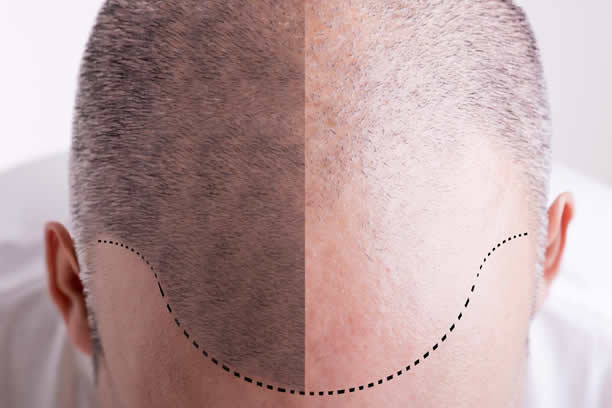
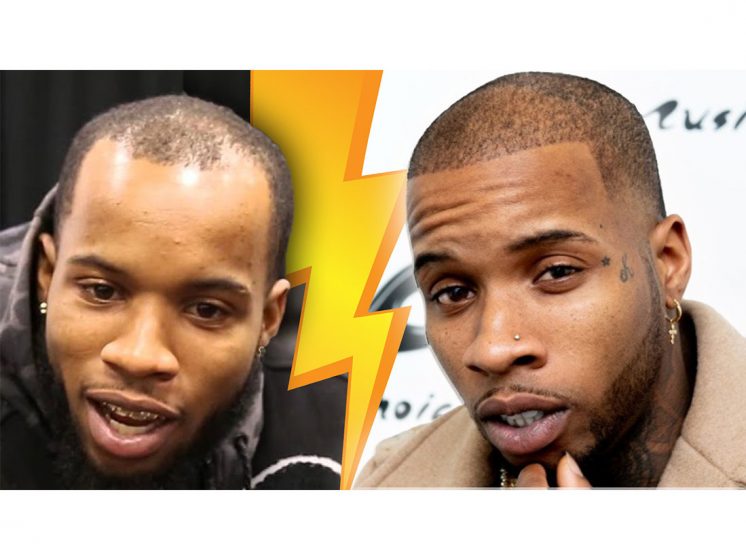
Hair Transplant – Hair Density and Coverage

Hair Transplant – Hair Density and Coverage: The Key to a Fuller Head of Hair

Understanding Hair Density: Hair density refers to the number of hair follicles per square centimeter of the scalp. It plays a crucial role in determining the overall thickness and volume of your hair.

Factors Affecting Hair Density: Genetics, age, hormonal imbalances, and certain medical conditions can impact your hair density. Hair loss or thinning might occur due to these factors, leading many individuals to consider hair transplant procedures.

The Hair Transplant Solution: A hair transplant is a surgical procedure that involves moving hair follicles from the donor area (usually the back or sides of the scalp) to the recipient area (the areas with thinning or balding hair).

Natural-Looking Results: The success of a hair transplant lies in achieving natural-looking results. This depends on the skill of the surgeon and the careful consideration of the recipient area’s existing hair pattern and density.

Individual Hair Characteristics: Each person’s hair has unique characteristics, such as thickness, texture, and curliness. Considering these individual traits during a hair transplant ensures seamless integration with the existing hair.


Hair Transplant


Frontal Hairline Design: Creating a natural-looking frontal hairline is crucial for an aesthetically pleasing result. Proper density and coverage in this area contribute significantly to a balanced and youthful appearance.

Optimal Graft Placement: The strategic placement of hair grafts with varying densities is essential to achieve a uniform and natural hair growth pattern. Properly spaced grafts ensure a seamless blend between transplanted and existing hair.

Coverage for Crown Baldness: Those with crown baldness require special attention during a hair transplant. The surgeon must ensure adequate coverage and density to provide a harmonious transition between the transplanted and native hair.

Post-Transplant Care: Following the hair transplant procedure, proper care is essential to support graft survival and encourage healthy hair growth. Adhering to the surgeon’s instructions and attending follow-up appointments is crucial.

Patience and Results: Hair transplant results take time to fully manifest. New hair growth usually begins within a few months, and significant improvements in density and coverage become apparent within 6 to 12 months.

Hair Transplants for Ethnic Hair Types

Hair Transplants for Ethnic Hair Types

Hair transplants are an effective solution for hair loss, but when it comes to different ethnic hair types, certain considerations are crucial to achieve the best results. If you’re considering a hair transplant and have ethnic hair, here are ten essential points you need to know:

Understanding Ethnic Hair: Ethnic hair types vary significantly in texture, curl pattern, and thickness. It is essential to have a hair transplant specialist who is experienced in dealing with diverse hair types.

Consultation is Key: Schedule a consultation with a qualified hair transplant surgeon who has experience with ethnic hair. They can assess your unique hair characteristics and tailor a treatment plan accordingly.

Follicular Unit Extraction (FUE): FUE is a popular hair transplant technique suitable for various hair types, including ethnic hair. It involves extracting individual hair follicles from the donor area and transplanting them to the recipient area.

Follicular Unit Transplantation (FUT): FUT is another technique that can be effective for ethnic hair. It involves removing a strip of tissue from the donor area and dissecting it into individual follicular units for transplantation.

Natural Hairline Design: Ethnic hairlines tend to differ from those of other ethnicities. A skilled surgeon will consider your facial features and hairline pattern to create a natural-looking hairline that complements your appearance.


Hair Transplant


Donor Hair Density: Ethnic hair can have varying densities, which may affect the number of grafts available for transplantation. The surgeon will assess your donor area’s capacity to ensure sufficient grafts for the transplant.

Curly Hair Challenges: Transplanting curly hair requires special attention as it can create a different appearance when compared to straight hair. Expertise in handling curly hair is vital to achieve optimal results.

Careful Graft Placement: Implanting grafts at the correct angle and direction is crucial for a seamless and natural look. Skillful placement ensures that the transplanted hair grows in the desired direction.

Post-Transplant Care: Following your surgeon’s post-operative care instructions is essential for successful healing and hair growth. Proper care minimizes the risk of complications and promotes healthy hair growth.

Patience for Results: Hair transplant results take time, especially for ethnic hair types. It may take several months for the transplanted hair to grow and blend in naturally with your existing hair.

Extraction and Transplantation Process

Hair Transplant Extraction and Transplantation Process: Restoring Your Crowning Glory

Introduction:
Hair loss can be a disheartening experience, but with advancements in medical science, hair transplant procedures offer a glimmer of hope. Let’s explore the hair transplant extraction and transplantation process and how it can help you regain your confidence and crowning glory.

Understanding Hair Loss:
Before delving into the transplant process, it’s essential to understand the underlying causes of hair loss, which can range from genetics and hormonal changes to lifestyle factors.

Initial Consultation:
The journey begins with a consultation with a hair transplant specialist. During this meeting, your hair loss pattern will be assessed, and the best course of action will be determined.

Harvesting Hair Grafts:
In the extraction process, hair grafts are harvested from the donor area, typically at the back of the head, where hair is genetically resistant to balding.

Two Main Extraction Techniques:
a) Follicular Unit Transplantation (FUT): A strip of tissue with hair follicles is removed and dissected into grafts.
b) Follicular Unit Extraction (FUE): Individual hair follicles are extracted one by one using micro punches.


hair transplant surgery


Precision and Artistry:
The transplantation process requires a skilled hand and an artistic eye to ensure that the hairline appears natural and complements your facial features.

Creating the Recipient Sites:
Tiny incisions are made in the balding areas where the hair grafts will be transplanted. Careful planning is essential to achieve a balanced and aesthetically pleasing result.

Implanting the Hair Grafts:
Each harvested graft is meticulously placed into the recipient sites, paying attention to the angle and direction for seamless integration with existing hair.

Post-Transplant Care:
After the procedure, proper care is crucial for optimal results. The recovery period is generally short, and your specialist will provide instructions on post-transplant care.

Embracing Your New Look:
As the transplanted hair starts to grow, you’ll witness the transformation and regain the confidence that comes with a fuller head of hair.