Menu Close

Tag: Natural-looking results

Understanding Hair Transplantation Results

Understanding Hair Transplantation Results: Achieving Natural-Looking Hair

The Decision to Get a Hair Transplant: Hair loss can be a distressing experience for many individuals, leading them to consider hair transplantation as a viable solution.

Pre-Transplant Evaluation: Before undergoing a hair transplant procedure, a thorough evaluation by a qualified hair restoration specialist is crucial. This assessment helps determine the extent of hair loss, the donor hair availability, and the most suitable technique.

Hair Transplant Techniques: Two primary hair transplant techniques are Follicular Unit Transplantation (FUT) and Follicular Unit Extraction (FUE). FUT involves removing a strip of hair from the donor area, while FUE involves extracting individual hair follicles.

The Importance of a Skilled Surgeon: The success of a hair transplant heavily relies on the skill and expertise of the surgeon. Choosing an experienced professional with a proven track record is essential for achieving satisfactory results.

Post-Transplant Healing: After the procedure, the transplanted hair follicles go through a healing process. It is normal for the transplanted hair to shed within a few weeks, but new hair will start to grow gradually.


Hair Transplant


Patience is Key: Hair transplantation results take time to become evident. Patients need to be patient and understand that the full results may not be visible until several months after the procedure.

Natural-Looking Results: Modern hair transplant techniques focus on achieving natural-looking results. Skilled surgeons artfully place the transplanted hair to mimic the natural hair growth pattern, ensuring a seamless blend with existing hair.

Gradual Hair Growth: Hair growth following a transplant is not immediate; it occurs gradually over time. New hair may appear thinner initially but will thicken as it matures.

Follow-Up Care: After the procedure, follow-up visits with the surgeon are essential to monitor progress and address any concerns. These visits also allow the surgeon to assess the need for any additional sessions for maximum results.

Realistic Expectations: While hair transplantation can significantly improve the appearance and boost confidence, it is essential to have realistic expectations. Each individual’s results may vary, and some may require multiple sessions to achieve the desired density.
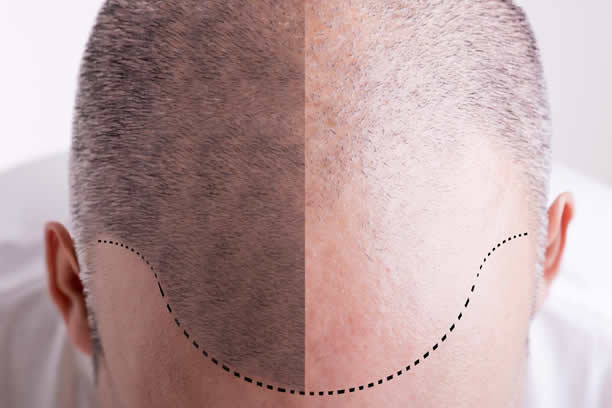
Hair Transplant – Hair Density and Coverage

Hair Transplant – Hair Density and Coverage: The Key to a Fuller Head of Hair

Understanding Hair Density: Hair density refers to the number of hair follicles per square centimeter of the scalp. It plays a crucial role in determining the overall thickness and volume of your hair.

Factors Affecting Hair Density: Genetics, age, hormonal imbalances, and certain medical conditions can impact your hair density. Hair loss or thinning might occur due to these factors, leading many individuals to consider hair transplant procedures.

The Hair Transplant Solution: A hair transplant is a surgical procedure that involves moving hair follicles from the donor area (usually the back or sides of the scalp) to the recipient area (the areas with thinning or balding hair).

Natural-Looking Results: The success of a hair transplant lies in achieving natural-looking results. This depends on the skill of the surgeon and the careful consideration of the recipient area’s existing hair pattern and density.

Individual Hair Characteristics: Each person’s hair has unique characteristics, such as thickness, texture, and curliness. Considering these individual traits during a hair transplant ensures seamless integration with the existing hair.


Hair Transplant


Frontal Hairline Design: Creating a natural-looking frontal hairline is crucial for an aesthetically pleasing result. Proper density and coverage in this area contribute significantly to a balanced and youthful appearance.

Optimal Graft Placement: The strategic placement of hair grafts with varying densities is essential to achieve a uniform and natural hair growth pattern. Properly spaced grafts ensure a seamless blend between transplanted and existing hair.

Coverage for Crown Baldness: Those with crown baldness require special attention during a hair transplant. The surgeon must ensure adequate coverage and density to provide a harmonious transition between the transplanted and native hair.

Post-Transplant Care: Following the hair transplant procedure, proper care is essential to support graft survival and encourage healthy hair growth. Adhering to the surgeon’s instructions and attending follow-up appointments is crucial.

Patience and Results: Hair transplant results take time to fully manifest. New hair growth usually begins within a few months, and significant improvements in density and coverage become apparent within 6 to 12 months.

Scalp Micropigmentation (SMP)

Scalp Micropigmentation (SMP): 10 Key Points Unveiled

What is SMP:

Scalp Micropigmentation (SMP) is a cutting-edge non-surgical hair restoration technique gaining popularity among men and women alike.
SMP involves depositing natural pigments into the scalp to replicate the appearance of hair follicles, creating the illusion of a full head of hair.

How SMP Works:

SMP practitioners use specialized microneedles and pigments to create tiny, realistic dots on the scalp, mimicking the look of hair follicles.
The process fills in bald spots, adds density, and even covers scars, providing a well-groomed and youthful appearance.

Ideal Candidates:

SMP is suitable for individuals experiencing various degrees of hair loss, including male pattern baldness, receding hairlines, and thinning hair.
It can also benefit those who wish to camouflage scars from hair transplant surgeries or accidents.

Non-Invasive Solution:

Unlike hair transplants, SMP does not require surgery, incisions, or the use of anesthesia.
The procedure is relatively painless, with minimal downtime, making it an attractive option for busy individuals.


scalp


Safe and Effective:

SMP is a safe and FDA-approved procedure, when performed by skilled professionals in a sterile environment.
It offers immediate results, boosting confidence and self-esteem.

Natural-Looking Results:

SMP is tailored to match each individual’s hair color, skin tone, and desired hairline.
The procedure produces realistic, seamless results that are virtually indistinguishable from natural hair growth.

Low Maintenance:

SMP requires minimal maintenance compared to other hair loss treatments.
Regular touch-ups may be necessary to maintain the longevity and vibrancy of the pigments.

Versatility and Style:

SMP allows clients to choose their preferred hairline and hairstyle, providing a customizable and aesthetically pleasing outcome.
Individuals can opt for a clean-shaven look or maintain their hair at any length.

Cost-Effective Solution:

Compared to long-term costs of hair loss medications or invasive procedures, SMP proves to be a cost-effective solution in the long run.

Boost in Confidence:

Beyond the aesthetic benefits, SMP enhances one’s confidence and self-image, positively impacting personal and professional aspects of life.

Addressing Misconceptions and Myths

Hair Transplant Surgery – Addressing Misconceptions and Myths

Hair transplant surgery has become an increasingly popular solution for individuals struggling with hair loss and balding. Despite its rising popularity, there are several misconceptions and myths surrounding this procedure that can deter people from considering it as a viable option. Let’s debunk these myths and shed light on the truth behind hair transplant surgery.

Myth: Hair transplants are only for men.

Truth: Hair transplant surgery is equally effective for both men and women experiencing hair loss.

Myth: Hair transplants look unnatural and obvious.

Truth: With advancements in technology and techniques, modern hair transplants create natural-looking results that blend seamlessly with existing hair.

Myth: The procedure is painful.

Truth: Hair transplant surgeries are typically performed under local anesthesia, making the procedure virtually painless. Patients may experience mild discomfort during recovery, but it is manageable.

Myth: Hair transplants require lengthy downtime.

Truth: Most patients can resume regular activities within a few days after the procedure. However, strenuous exercises and certain activities may need to be avoided for a short period.

Myth: Transplanted hair falls out eventually.

Truth: While transplanted hair may shed initially, it’s a normal part of the process. New hair will start to grow within a few months and continue to grow for a lifetime.


consult


Myth: Hair transplants are only for extensive baldness.

Truth: Hair transplants can be tailored to address various stages of hair loss, from minor to significant levels of balding.

Myth: Results are immediate.

Truth: Hair transplant results take time to develop. Visible hair growth usually starts around 3 to 6 months post-surgery, with full results evident after 12 to 18 months.

Myth: Hair transplants are too expensive.

Truth: While the initial cost may seem significant, considering long-term benefits and no further expenses on hair products, the procedure becomes cost-effective.

Myth: Transplanted hair requires special care.

Truth: Transplanted hair requires no different care than your natural hair. Regular shampooing, styling, and grooming are sufficient.

Myth: Hair transplant results are not permanent.

Truth: Hair transplant results are generally permanent because the transplanted hair is resistant to the hormone that causes hair loss.

By dispelling these misconceptions and myths, we hope to provide a clearer understanding of hair transplant surgery as a viable and effective solution for hair loss. Always consult with a qualified hair transplant specialist to determine the best approach for your unique situation.

Benefits of Hair Transplantation

10 Remarkable Benefits of Hair Transplantation

  1. Enhanced Appearance: Hair transplantation restores the natural hairline, resulting in a fuller and more youthful appearance.
  2. Boosted Confidence: Regaining lost hair can significantly boost self-confidence and improve overall quality of life.
  3. Permanent Solution: Unlike temporary hair loss treatments, hair transplantation provides a permanent solution for hair loss.
  4. Natural Results: Skilled surgeons create natural-looking results, making it virtually indistinguishable from your original hair.
  5. Low Maintenance: Transplanted hair requires minimal maintenance and can be treated like regular hair.
  6. Cost-Effective: Although it may seem expensive upfront, hair transplantation saves money in the long run by eliminating the need for continuous hair loss treatments.
  7. No Side Effects: Hair transplantation is a safe procedure with minimal risk of side effects when performed by experienced professionals.
  8. Fast Recovery: Recovery times are relatively short, with most patients returning to regular activities within a few days.
  9. Customizable Options: The procedure can be tailored to meet individual preferences, ensuring a personalized outcome.
  10. Natural Hair Growth: Transplanted hair grows naturally, providing a lasting and satisfactory outcome.