
Menu Close

Tag: Natural hairline

Assessing Hair Transplantation Success

Assessing Hair Transplantation Success: 10 Key Indicators

Hair transplantation has become a popular solution for individuals seeking to restore their hairline and regain lost confidence. However, how can one determine if their hair transplant was truly successful? To evaluate the outcome effectively, consider these ten key indicators:

Natural Hairline: A successful hair transplant should create a natural-looking hairline that complements the patient’s facial features, rather than an artificial or overly dense appearance.

Even Density: Assess whether the transplanted hair has an even distribution across the scalp, avoiding any patches or clusters that could indicate poor technique.

Minimal Scarring: Skillful surgical techniques should leave minimal scarring, particularly in the donor area, which is essential for future haircuts and styles.

No Signs of Infection: A successful procedure should not result in any signs of infection or complications in the treated area.

Healthy Hair Growth: Within a few months after the procedure, new hair should start growing healthily and progressively thickening over time.
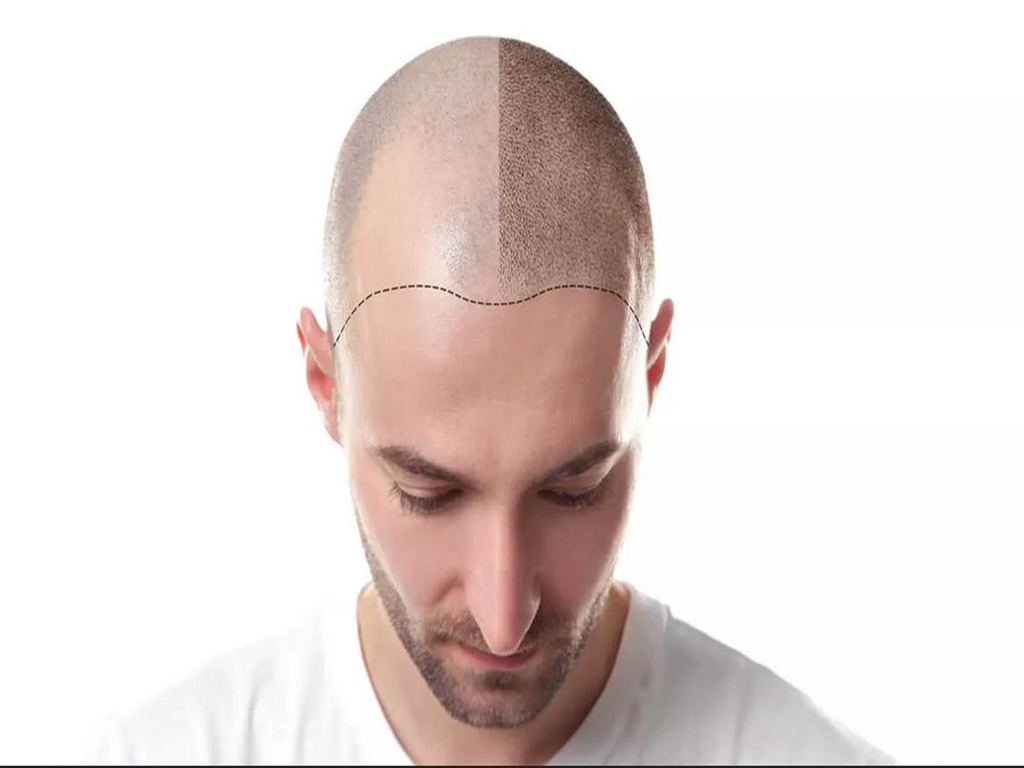
 

Hair Transplant


Proper Angle and Direction: The transplanted hair should follow the natural angle and direction of hair growth to ensure seamless integration with existing hair.

Natural Hair Texture: Successfully transplanted hair should match the texture of the patient’s original hair, whether straight, wavy, or curly.

Satisfactory Coverage: Adequate coverage in the recipient area is crucial, ensuring that there are no noticeable gaps or areas left untreated.

Post-Transplant Support: A reliable hair transplant clinic will provide post-operative support and guidance to ensure proper healing and successful results.

Patient Satisfaction: Ultimately, the most critical indicator of success is patient satisfaction. A successful hair transplant should boost the patient’s confidence and overall well-being.

Remember, each person’s hair transplant journey may vary, and patience is essential for optimal results. Always consult with a reputable and experienced hair transplant surgeon to maximize the chances of success.
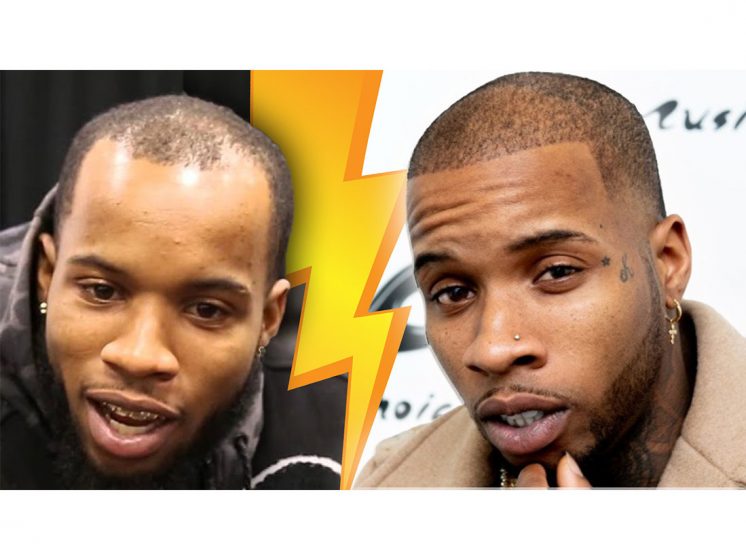
Hair Transplants for Ethnic Hair Types

Hair Transplants for Ethnic Hair Types

Hair transplants are an effective solution for hair loss, but when it comes to different ethnic hair types, certain considerations are crucial to achieve the best results. If you’re considering a hair transplant and have ethnic hair, here are ten essential points you need to know:

Understanding Ethnic Hair: Ethnic hair types vary significantly in texture, curl pattern, and thickness. It is essential to have a hair transplant specialist who is experienced in dealing with diverse hair types.

Consultation is Key: Schedule a consultation with a qualified hair transplant surgeon who has experience with ethnic hair. They can assess your unique hair characteristics and tailor a treatment plan accordingly.

Follicular Unit Extraction (FUE): FUE is a popular hair transplant technique suitable for various hair types, including ethnic hair. It involves extracting individual hair follicles from the donor area and transplanting them to the recipient area.

Follicular Unit Transplantation (FUT): FUT is another technique that can be effective for ethnic hair. It involves removing a strip of tissue from the donor area and dissecting it into individual follicular units for transplantation.

Natural Hairline Design: Ethnic hairlines tend to differ from those of other ethnicities. A skilled surgeon will consider your facial features and hairline pattern to create a natural-looking hairline that complements your appearance.


Hair Transplant


Donor Hair Density: Ethnic hair can have varying densities, which may affect the number of grafts available for transplantation. The surgeon will assess your donor area’s capacity to ensure sufficient grafts for the transplant.

Curly Hair Challenges: Transplanting curly hair requires special attention as it can create a different appearance when compared to straight hair. Expertise in handling curly hair is vital to achieve optimal results.

Careful Graft Placement: Implanting grafts at the correct angle and direction is crucial for a seamless and natural look. Skillful placement ensures that the transplanted hair grows in the desired direction.

Post-Transplant Care: Following your surgeon’s post-operative care instructions is essential for successful healing and hair growth. Proper care minimizes the risk of complications and promotes healthy hair growth.

Patience for Results: Hair transplant results take time, especially for ethnic hair types. It may take several months for the transplanted hair to grow and blend in naturally with your existing hair.

Frequently Asked Questions about Hair Transplantation

Frequently Asked Questions about Hair Transplantation

What is a Hair Transplantation?
Hair transplantation is a surgical procedure that involves taking hair follicles from one part of the body, typically the back or sides of the head, and implanting them into areas with thinning or no hair, such as the scalp.

Who is a Suitable Candidate for Hair Transplantation?
Ideal candidates for hair transplantation are individuals with stable hair loss and sufficient donor hair on the back or sides of the head. A consultation with a qualified surgeon can determine if you’re a suitable candidate.

How Long Does the Procedure Take?
The duration of a hair transplantation procedure can vary depending on the extent of hair loss and the number of grafts required. On average, it can take anywhere from 4 to 8 hours.

Is Hair Transplantation Painful?
Hair transplantation is usually performed under local anesthesia, so you won’t feel pain during the procedure. Some patients might experience mild discomfort or soreness in the days following the surgery, which can be managed with prescribed medications.

What is the Recovery Process Like?
The recovery process varies among individuals, but most patients can resume non-strenuous activities within a few days. The transplanted hair will shed within the first few weeks, and new hair growth will begin in a few months.


Are Hair Transplants Permanent?
Yes, hair transplants are generally permanent. The transplanted hair comes from areas genetically resistant to hair loss and will continue to grow in their new location.

Are There Any Risks or Side Effects?
Like any surgical procedure, hair transplantation carries some risks, including infection, scarring, or temporary shock loss. However, these risks are minimal when performed by an experienced surgeon.

Will the Transplanted Hair Look Natural?
When performed by a skilled surgeon, hair transplantation can deliver natural-looking results. The surgeon considers factors such as hairline design, hair direction, and density to achieve a natural appearance.

Can Women Undergo Hair Transplantation?
Yes, women with female pattern hair loss or hair thinning can be candidates for hair transplantation. It’s essential to have a proper evaluation to determine the cause of hair loss and the best approach.

How Long Does it Take to See the Final Results?
Hair growth after transplantation is a gradual process. Most patients begin to see noticeable results within 6 to 12 months, with full results visible after 12 to 18 months.

Follicular Unit Extraction (FUE)

Follicular Unit Extraction (FUE): The Modern Solution to Hair Transplant

Are you struggling with hair loss and looking for a reliable, effective, and minimally invasive hair transplant procedure? Look no further! Follicular Unit Extraction (FUE) is here to rescue your receding hairline and restore your confidence. This innovative technique has gained immense popularity in recent years for its natural-looking results and quick recovery time. Let’s dive into what FUE is all about and why it’s the go-to solution for hair restoration:

  1. What is FUE? FUE is a cutting-edge hair transplant technique that involves extracting individual hair follicles from the donor area (usually the back of the head) and transplanting them to the thinning or balding areas.
  2. No More Strip Cutting: Unlike the traditional strip method, FUE leaves no linear scars. Instead, it employs tiny, circular incisions that heal quickly and become virtually undetectable.
  3. Precision Harvesting: FUE allows for precise extraction of individual follicular units, ensuring the natural growth pattern is maintained for a seamless and realistic outcome.
  4. Minimally Invasive: FUE is minimally invasive, meaning it involves less discomfort and a faster recovery compared to older methods. You can expect to return to your regular activities within a few days.
  5. The Art of Transplantation: The skilled surgeon carefully places each harvested graft into the target area, ensuring a natural hairline and optimal coverage.
  6. No More Plug Look: With FUE, you can bid farewell to the “doll’s hair” or “pluggy” appearance that sometimes occurred with older transplant methods. The results are discrete and natural.
  7. Versatility: FUE is not limited to scalp hair restoration. It can also be used for eyebrows, beard, and mustache transplants, providing solutions for various aesthetic needs.
  8. Long-Lasting Results: The transplanted hair follicles are resistant to hair loss, providing a long-term solution for hair restoration.
  9. Quick Healing: FUE’s small incisions promote faster healing, reducing the risk of complications and infections.
  10. Boosted Confidence: As your hair begins to grow naturally, so will your confidence. Say hello to a revitalized appearance and a happier you!

In conclusion, Follicular Unit Extraction (FUE) is a modern and revolutionary hair transplant technique that has transformed the hair restoration industry. Its precision, minimal invasiveness, natural results, and quick recovery make it an appealing choice for those seeking to regain their hairline and self-assurance.