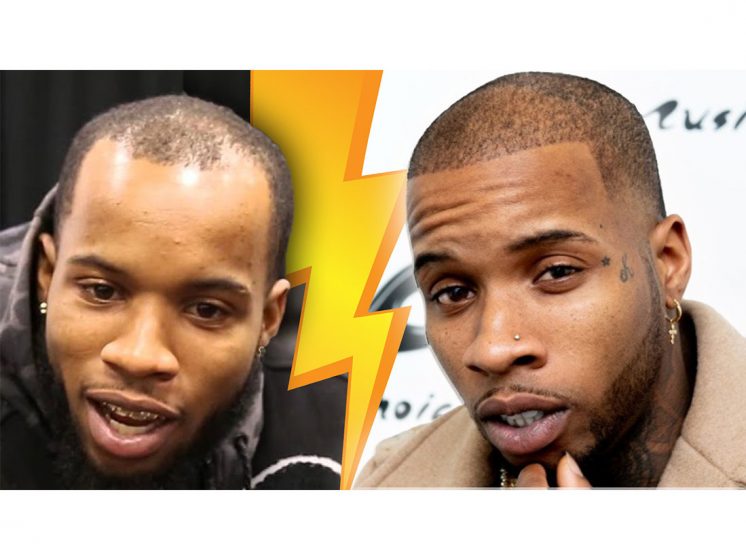
Laser Hair Therapy in Conjunction with Transplants: A Powerful Combination for Hair Restoration
Hair loss can be a distressing experience for both men and women. While hair transplants have been a go-to solution for hair restoration, a new and promising technique is emerging: Laser Hair Therapy in conjunction with transplants. This powerful combination offers a comprehensive approach to combat hair loss and promote natural hair regrowth. Let’s delve into the benefits of this cutting-edge treatment duo.
Understanding Laser Hair Therapy:
Laser Hair Therapy, also known as Low-Level Laser Therapy (LLLT), employs low-intensity lasers or light-emitting diodes (LEDs) to stimulate hair follicles. The non-invasive treatment helps improve blood circulation to the scalp, reduce inflammation, and encourage cellular activity within hair follicles.
The Science Behind Hair Transplants:
Hair transplants involve the surgical transfer of healthy hair follicles from donor areas to areas with thinning or no hair. This procedure ensures a permanent and natural-looking solution to hair loss.
How They Work Together:
When Laser Hair Therapy is combined with hair transplants, it creates a dynamic synergy. Laser therapy applied to the scalp before and after the transplant procedure can improve the condition of the existing hair, enhance blood flow to the transplanted follicles, and accelerate the healing process.
Faster Recovery:
The application of laser therapy post-transplant can promote tissue repair, reduce inflammation, and speed up the recovery period. This results in quicker hair growth and more seamless integration of transplanted hair with existing hair.
Increased Graft Survival:
Laser Hair Therapy aids in better graft survival by promoting cell proliferation and minimizing trauma to the transplant site. This ensures a higher percentage of transplanted hair follicles successfully take root and grow.

Enhanced Hair Density:
By combining both treatments, patients can achieve improved hair density as the existing hair becomes healthier and thicker while the transplanted hair grows and establishes itself.
Minimal Discomfort:
Laser Hair Therapy is a painless and non-invasive procedure, complementing the minimally invasive nature of modern hair transplant techniques. Patients can enjoy a comfortable experience throughout the entire hair restoration journey.
Suitable for Various Hair Loss Stages:
Whether you’re in the early stages of hair loss or have more advanced thinning, the combination of Laser Hair Therapy and transplants can be tailored to your specific needs and desired outcomes.
Long-Term Results:
By harnessing the strengths of both Laser Hair Therapy and hair transplants, patients can enjoy long-lasting and natural-looking results, boosting their confidence and restoring a youthful appearance.