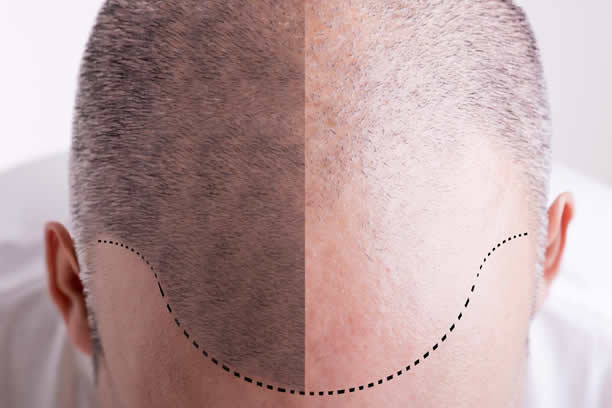
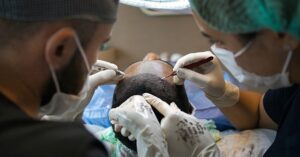
Congratulations on your successful hair transplant! Now that you’ve got that luscious hair, it’s essential to take proper care of it to ensure the best results. Here are ten easy-to-follow hair care tips to maintain your new look:
Gentle Cleansing:Use a mild, sulfate-free shampoo to cleanse your hair gently. Avoid harsh chemicals that could irritate the scalp.
Avoid Hot Water:Wash your hair with lukewarm water to prevent damage and keep the transplanted hair follicles secure.
Pat Dry, Don’t Rub: After washing, gently pat your hair dry with a soft towel. Avoid vigorous rubbing to minimize stress on the newly transplanted area.
Hands-Off Approach:Refrain from touching or scratching your scalp excessively. This could disrupt the healing process and harm the grafts.
Sun Protection: Shield your head from the sun’s harmful rays by wearing a hat or using a high-SPF sunscreen. UV rays can damage the transplanted hair and cause fading.
Follow Post-Op Instructions:Adhere to your surgeon’s post-op guidelines meticulously. This includes avoiding strenuous activities that could strain the scalp.
Be Patient: Remember, hair growth takes time. It’s normal for some hair to shed after the transplant; new hair will gradually replace it.
Healthy Diet: Consume a balanced diet rich in vitamins and minerals to support hair growth and overall hair health.
Reduce Stress: Stress can impact hair growth, so try to incorporate relaxation techniques into your daily routine.
Regular Checkups:Schedule regular follow-ups with your hair transplant surgeon to monitor progress and address any concerns.
Remember, consistency and care are key to achieving the best results from your hair transplant. By following these post-transplant hair care tips, you’ll be well on your way to enjoying your revitalized and flourishing hair!
Hair Transplant – Hair Density and Coverage: The Key to a Fuller Head of Hair
Understanding Hair Density:Hair density refers to the number of hair follicles per square centimeter of the scalp. It plays a crucial role in determining the overall thickness and volume of your hair.
Factors Affecting Hair Density:Genetics, age, hormonal imbalances, and certain medical conditions can impact your hair density. Hair loss or thinning might occur due to these factors, leading many individuals to consider hair transplant procedures.
The Hair Transplant Solution: A hair transplant is a surgical procedure that involves moving hair follicles from the donor area (usually the back or sides of the scalp) to the recipient area (the areas with thinning or balding hair).
Natural-Looking Results:The success of a hair transplant lies in achieving natural-looking results. This depends on the skill of the surgeon and the careful consideration of the recipient area’s existing hair pattern and density.
Individual Hair Characteristics: Each person’s hair has unique characteristics, such as thickness, texture, and curliness. Considering these individual traits during a hair transplant ensures seamless integration with the existing hair.
Frontal Hairline Design: Creating a natural-looking frontal hairline is crucial for an aesthetically pleasing result. Proper density and coverage in this area contribute significantly to a balanced and youthful appearance.
Optimal Graft Placement:The strategic placement of hair grafts with varying densities is essential to achieve a uniform and natural hair growth pattern. Properly spaced grafts ensure a seamless blend between transplanted and existing hair.
Coverage for Crown Baldness: Those with crown baldness require special attention during a hair transplant. The surgeon must ensure adequate coverage and density to provide a harmonious transition between the transplanted and native hair.
Post-Transplant Care:Following the hair transplant procedure, proper care is essential to support graft survival and encourage healthy hair growth. Adhering to the surgeon’s instructions and attending follow-up appointments is crucial.
Patience and Results: Hair transplant results take time to fully manifest. New hair growth usually begins within a few months, and significant improvements in density and coverage become apparent within 6 to 12 months.
Hair Transplant Surgery – Real-Life Patient Experiences and Testimonials
Hair loss is a common concern for many individuals, impacting their confidence and self-esteem. Fortunately, hair transplant surgery has emerged as a popular and effective solution for restoring hair growth. Real-life patient experiences and testimonials offer valuable insights into the procedure’s success and the positive impact it can have on people’s lives. In this article, we’ll delve into ten inspiring stories of individuals who underwent hair transplant surgery, sharing their journey and the transformative results they achieved.
John’s Journey to Regained Confidence:
John had been struggling with premature hair loss for years, affecting his social life and career. After his hair transplant surgery, he regained a full head of hair, and his newfound confidence led to exciting career opportunities.
Emma’s Story of Empowerment:
Emma’s hair loss started after pregnancy, causing emotional distress. With hair transplant surgery, she not only restored her hair but also reclaimed her sense of empowerment and self-worth.
Mike’s Successful Hairline Restoration:
Mike’s receding hairline was affecting his youthful appearance. Thanks to hair transplant surgery, he now boasts a natural-looking hairline and couldn’t be happier with the results.
Lisa’s Transformational Experience:
Lisa’s thinning hair had always been a source of insecurity. Hair transplant surgery gave her thicker, luscious hair, and she now confidently embraces various hairstyles.
David’s Renewed Social Life:
David’s baldness made him shy away from social gatherings. Following hair transplant surgery, he rekindled his social life, attending events with newfound enthusiasm.
Sarah’s Bridal Beauty Dream:
Sarah dreamed of a stunning bridal look on her wedding day, but her hair loss was a roadblock. A successful hair transplant made her dream wedding come true.
Mark’s Journey to Success:
Mark felt that his hair loss hindered his professional advancement. After the hair transplant, he noticed that his newfound confidence led to more success in his career.
Anna’s Boost in Self-Esteem:
Anna’s thinning hair made her feel less attractive. Hair transplant surgery improved her self-esteem and brought a positive change to her personal life.
James’ Regained Youthfulness:
James’ hair loss aged him prematurely. With a hair transplant, he looked years younger and was delighted with the age-defying results.
Samantha’s Positive Outlook on Life:
Samantha’s hair loss made her feel older than she was. Hair transplant surgery gave her a fresh perspective on life, inspiring her to pursue her passions.
Hair transplant surgery has transformed the lives of countless individuals struggling with hair loss. Real-life patient experiences and testimonials highlight the procedure’s success and its profound impact on confidence, self-esteem, and overall well-being. If you’re considering hair transplant surgery, these inspiring stories offer hope and encouragement, showing that a full head of hair is achievable with the right approach.
Frequently Asked Questions about Hair Transplantation
What is a Hair Transplantation?
Hair transplantation is a surgical procedure that involves taking hair follicles from one part of the body, typically the back or sides of the head, and implanting them into areas with thinning or no hair, such as the scalp.
Who is a Suitable Candidate for Hair Transplantation?
Ideal candidates for hair transplantation are individuals with stable hair loss and sufficient donor hair on the back or sides of the head. A consultation with a qualified surgeon can determine if you’re a suitable candidate.
How Long Does the Procedure Take?
The duration of a hair transplantation procedure can vary depending on the extent of hair loss and the number of grafts required. On average, it can take anywhere from 4 to 8 hours.
Is Hair Transplantation Painful?
Hair transplantation is usually performed under local anesthesia, so you won’t feel pain during the procedure. Some patients might experience mild discomfort or soreness in the days following the surgery, which can be managed with prescribed medications.
What is the Recovery Process Like?
The recovery process varies among individuals, but most patients can resume non-strenuous activities within a few days. The transplanted hair will shed within the first few weeks, and new hair growth will begin in a few months.
Are Hair Transplants Permanent?
Yes, hair transplants are generally permanent. The transplanted hair comes from areas genetically resistant to hair loss and will continue to grow in their new location.
Are There Any Risks or Side Effects?
Like any surgical procedure, hair transplantation carries some risks, including infection, scarring, or temporary shock loss. However, these risks are minimal when performed by an experienced surgeon.
Will the Transplanted Hair Look Natural?
When performed by a skilled surgeon, hair transplantation can deliver natural-looking results. The surgeon considers factors such as hairline design, hair direction, and density to achieve a natural appearance.
Can Women Undergo Hair Transplantation?
Yes, women with female pattern hair loss or hair thinning can be candidates for hair transplantation. It’s essential to have a proper evaluation to determine the cause of hair loss and the best approach.
How Long Does it Take to See the Final Results?
Hair growth after transplantation is a gradual process. Most patients begin to see noticeable results within 6 to 12 months, with full results visible after 12 to 18 months.
Hair Transplant Extraction and Transplantation Process: Restoring Your Crowning Glory
Introduction:
Hair loss can be a disheartening experience, but with advancements in medical science, hair transplant procedures offer a glimmer of hope. Let’s explore the hair transplant extraction and transplantation process and how it can help you regain your confidence and crowning glory.
Understanding Hair Loss:
Before delving into the transplant process, it’s essential to understand the underlying causes of hair loss, which can range from genetics and hormonal changes to lifestyle factors.
Initial Consultation:
The journey begins with a consultation with a hair transplant specialist. During this meeting, your hair loss pattern will be assessed, and the best course of action will be determined.
Harvesting Hair Grafts:
In the extraction process, hair grafts are harvested from the donor area, typically at the back of the head, where hair is genetically resistant to balding.
Two Main Extraction Techniques:
a) Follicular Unit Transplantation (FUT): A strip of tissue with hair follicles is removed and dissected into grafts.
b) Follicular Unit Extraction (FUE): Individual hair follicles are extracted one by one using micro punches.
Precision and Artistry:
The transplantation process requires a skilled hand and an artistic eye to ensure that the hairline appears natural and complements your facial features.
Creating the Recipient Sites:
Tiny incisions are made in the balding areas where the hair grafts will be transplanted. Careful planning is essential to achieve a balanced and aesthetically pleasing result.
Implanting the Hair Grafts:
Each harvested graft is meticulously placed into the recipient sites, paying attention to the angle and direction for seamless integration with existing hair.
Post-Transplant Care:
After the procedure, proper care is crucial for optimal results. The recovery period is generally short, and your specialist will provide instructions on post-transplant care.
Embracing Your New Look:
As the transplanted hair starts to grow, you’ll witness the transformation and regain the confidence that comes with a fuller head of hair.
Are you considering a hair transplantation procedure to regain your crowning glory? A hair transplant is an effective solution for those experiencing hair loss or thinning hair. Here’s a concise and engaging guide to help you understand the process better.
1. Consultation:
Meet with a qualified hair transplant specialist to assess your hair loss, discuss expectations, and determine if you are a suitable candidate.
2. Preparation:
Before the procedure, the doctor will advise you on pre-operative preparations, which may include avoiding certain medications or habits.
3. Harvesting Method:
There are two primary techniques: Follicular Unit Transplantation (FUT) and Follicular Unit Extraction (FUE). The doctor will help you decide the best method for your needs.
4. Anesthesia:
Local anesthesia will be administered to ensure a comfortable and painless experience during the procedure.
5. Graft Extraction (FUT):
In FUT, a strip of hair-bearing skin is removed from the donor area, and individual hair follicles are extracted.
6. Graft Extraction (FUE):
In FUE, individual hair follicles are extracted directly from the donor area using a specialized tool.
7. Graft Implantation:
The extracted hair follicles are carefully implanted into the recipient area with precision to achieve natural results.
8. Recovery:
After the procedure, you may experience mild discomfort and scabbing in the recipient area, which should subside within a few days.
9. Post-Operative Care:
Follow your doctor’s instructions for optimal results, including medication, gentle washing, and avoiding strenuous activities.
10. Results:
New hair growth usually begins within a few months, gradually improving over the following months. Full results may take up to a year.
Remember, every individual’s hair loss pattern is unique, so results may vary. However, hair transplantation can provide a long-lasting solution for a fuller head of hair and increased confidence.
Hair transplant surgery is a specialized procedure designed to restore hair in areas affected by hair loss or thinning. It involves the transplantation of hair follicles from one part of the body (typically the back or sides of the scalp) to the balding or thinning areas.
Causes of Hair Loss:Hair loss can be caused by various factors, including genetics, hormonal imbalances, medical conditions, stress, and certain medications. Hair transplant surgery offers a permanent solution for those experiencing hair loss.
The Procedure:
Consultation: A thorough consultation with a hair transplant specialist is the first step. The surgeon will assess the degree of hair loss, donor hair availability, and overall health to determine if the patient is a suitable candidate for the surgery.
Donor Hair Harvesting: During the surgery, the surgeon extracts healthy hair follicles from the donor area (usually the back of the head) using either the FUE (Follicular Unit Extraction) or FUT (Follicular Unit Transplantation) method.
Transplantation: The extracted hair follicles are meticulously transplanted into tiny incisions made in the recipient area (balding or thinning area) by the surgeon.
Healing and Growth: The transplanted hair follicles will initially shed, but new hair will start to grow from the transplanted roots within a few months.
Local Anesthesia: Hair transplant surgery is performed under local anesthesia, ensuring that the procedure is virtually painless. Patients can remain awake throughout the surgery.
Minimal Scarring: Both FUE and FUT techniques result in minimal scarring. FUE leaves tiny, almost unnoticeable, scars, while FUT creates a linear scar, which can be easily concealed with hair.
hair transplant surgery
Downtime and Recovery: The recovery period after hair transplant surgery is relatively short. Most patients can return to work and normal activities within a week. However, strenuous exercise and direct sun exposure should be avoided for a few weeks.
Natural-looking Results: With advancements in hair transplant techniques, the results are highly natural-looking. The transplanted hair blends seamlessly with the existing hair, creating an undetectable hairline.
Permanent Solution:Hair transplant surgery provides a permanent solution to hair loss. Once the transplanted hair starts growing, it will continue to grow for a lifetime, just like natural hair.
Suitability: Hair transplant surgery is suitable for both men and women experiencing pattern baldness or hair thinning. It is vital to have realistic expectations and consult with a qualified surgeon to determine suitability.
Hair transplant surgery is a safe, effective, and permanent solution for hair loss, offering natural-looking results with minimal downtime. If you’re considering hair restoration, consult with a qualified surgeon to explore the best options tailored to your unique needs.
Everything You Need to Know About Hair Transplant Surgery: A Comprehensive Guide
Introduction
The popularity of hair transplant surgery has been on the rise as an effective solution for hair loss. If you’re considering this procedure, it’s important to have a comprehensive understanding of what it entails. This article aims to provide a detailed guide on hair transplant surgery, covering various aspects to help you make an informed decision.
Understanding Hair Transplant Surgery
What is Hair Transplant Surgery?
Hair transplant surgery is a procedure that involves transferring healthy hair follicles from the donor area to the recipient area to restore hair growth. Unlike other hair restoration methods, such as medications or topical treatments, hair transplant surgery provides a permanent solution by transplanting hair follicles directly into the areas experiencing hair loss.
Causes of Hair Loss
Hair loss can occur due to various factors, including genetics, hormonal imbalances, and medical conditions. Hair transplant surgery addresses the root causes of hair loss by relocating healthy hair follicles to the areas of thinning or baldness. It offers a long-lasting solution that blends seamlessly with your natural hair.
Candidacy for Hair Transplant Surgery
Not everyone is an ideal candidate for hair transplant surgery. Factors such as age, hair loss pattern, and overall health play a crucial role in determining candidacy. Generally, individuals with stable hair loss and sufficient donor hair are considered good candidates for the procedure. Consulting with a hair transplant specialist can help assess your suitability for surgery.
Hair Transplant Surgery Techniques
Follicular Unit Transplantation (FUT)
Follicular Unit Transplantation (FUT) is a hair transplant technique that involves the removal of a strip of scalp from the donor area. The strip is then dissected into individual hair follicles for transplantation. FUT is known for its ability to yield a large number of grafts in a single session, making it suitable for patients requiring extensive hair restoration. However, it leaves a linear scar at the donor site, which may be a consideration for some individuals.
Follicular Unit Extraction (FUE)
Follicular Unit Extraction (FUE) is another hair transplant technique where individual hair follicles are extracted directly from the donor area using a specialized tool. This minimally invasive procedure leaves tiny, almost invisible scars, allowing for quicker healing and less postoperative discomfort. FUE is particularly suitable for patients who prefer shorter haircuts or have limited donor hair available.
Comparing FUT and FUE
When choosing between FUT and FUE techniques, several factors should be considered. FUT generally provides a higher yield of grafts, making it advantageous for extensive hair restoration. On the other hand, FUE leaves minimal scars and allows for greater flexibility in hairstyling. The decision ultimately depends on individual preferences, hair loss characteristics, and the recommendations of your hair transplant specialist.
Hair Transplant Surgery
Preparing for Hair Transplant Surgery
Consultation and Evaluation
Before undergoing hair transplant surgery, a thorough consultation with a hair transplant specialist is essential. During this evaluation, the specialist will assess your hair loss pattern, evaluate the donor area, and discuss your expectations. They may also perform hair analysis and review your medical history to ensure you are a suitable candidate for the procedure.
Preoperative Instructions
Prior to the surgery, your hair transplant specialist will
FAQ Frequently Ask Section
Understanding Hair Transplant Surgery
What is Hair Transplant Surgery?
Alright, let me break it down for you. Hair transplant surgery is a procedure where they take healthy hair follicles from one part of your head (called the donor area) and transplant them into the areas where you’re experiencing hair loss (the recipient area). It’s like moving hair from the “good neighborhood” to the “balding neighborhood” to help it grow back. Cool, right?
Causes of Hair Loss
So, why do we lose our hair in the first place? Well, blame it on genetics, hormones, or certain medical conditions. It’s a bummer, I know. But here’s the good news: hair transplant surgery can actually address the root causes of hair loss and give you a more permanent solution compared to those shampoos and sprays you’ve been trying.
Candidacy for Hair Transplant Surgery
Alright, not everyone is a good candidate for hair transplant surgery. It depends on factors like your age, hair loss pattern, and overall health. But don’t worry, consulting with a hair transplant specialist can help determine if you’re a suitable candidate. They’ll take a look at your hair, ask you some questions, and give you their expert opinion.
Hair Transplant Surgery Techniques
Follicular Unit Transplantation (FUT)
Okay, so there are a couple of techniques they use for hair transplant surgery. One of them is called Follicular Unit Transplantation (FUT). In FUT, they remove a strip of scalp from the donor area and then carefully dissect it into individual hair follicles. It’s like they’re taking a tiny hair army and relocating them to the balding areas. The advantage of FUT is that it can yield a lot of grafts in one go. The downside? It leaves a linear scar, which might be a deal-breaker for some folks.
Follicular Unit Extraction (FUE)
Now, if you’re not a fan of scars or you prefer shorter haircuts, you might want to consider Follicular Unit Extraction (FUE). With FUE, they individually extract hair follicles from the donor area using a special tool. It’s a less invasive procedure, so the healing time is usually quicker, and the scars are almost invisible. It’s like playing a game of “hair follicle treasure hunt” with the surgeon!
Comparing FUT and FUE
So, which one should you choose? Well, it depends on your preferences and hair loss characteristics. FUT is great for those who need a lot of grafts, while FUE is perfect if you want to keep your options open when it comes to hairstyles. The best way to decide is to talk to your hair transplant specialist. They’ll give you personalized advice based on your unique situation.
Preparing for Hair Transplant Surgery
Consultation and Evaluation
Before the big day, you’ll need to meet with a hair transplant specialist for a consultation. They’ll take a good look at your hair, ask you some questions, and evaluate your suitability for the surgery. It’s like going on a “hair date” to see if you and the surgery are a good match. Be open and honest with them, and don’t forget to ask all your burning questions!
Preoperative Instructions
Okay, you’re getting closer to the surgery. Your hair transplant specialist will give you some preoperative instructions to follow. They might ask you to avoid certain medications or alcohol leading up to the surgery. Why? Well, they want to make sure you’re in the best possible shape for the procedure and to minimize any potential risks. So be a good patient and stick to their instructions!
The Hair Transplant Surgery Procedure
Anesthesia and Donor Area Preparation
Alright, it’s showtime! On the day of the surgery, they’ll give you anesthesia to keep you comfortable throughout the procedure. They’ll also prepare the donor area, where they’ll be taking the hair follicles from. It’s like getting ready for a “hair extraction mission”!
Graft Extraction and Transplantation
Now for the main event! They’ll carefully extract the hair follicles from the donor area, whether it’s through FUT or FUE. It’s like they’re plucking those precious hair follicles one by one. Then comes the fun part—transplanting those follicles into the recipient area. It’s like creating a “hair garden” where your hair can grow back stronger than ever!
Duration and Expected Results
Don’t worry, the surgery doesn’t take forever. On average, it can last several hours, depending on the extent of the procedure. Now, here’s the important thing: don’t expect an instant hair miracle. It takes time for the transplanted hair follicles to settle in and start growing. So be patient, my friend. Results typically start to become noticeable within a few months, and you’ll see the full effect within a year.
Postoperative Care and Recovery
Immediate Postoperative Care
Alright, you made it through the surgery! Now it’s time for some TLC. Your hair transplant specialist will give you instructions on how to take care of your newly transplanted hair. You might experience some swelling or minor discomfort, but they’ll guide you on how to manage it. It’s like giving your hair a little “post-surgery spa treatment”!
Long-term Care and Recovery
Recovery is a journey, my friend. Your hair transplant specialist will provide you with a comprehensive guide on how to take care of your hair in the long run. Follow their instructions diligently to ensure the best possible results. It’s like having a “hair care coach” by your side, cheering you on throughout the recovery process!
Potential Risks and Complications
Hey, let’s keep it real. Like any surgical procedure, hair transplant surgery does come with some risks and potential complications. But here’s the deal: if you choose a qualified and experienced surgeon, the chances of complications are minimal. So make sure to do your research, read reviews, and choose someone you trust. It’s like finding the “hair whisperer” who will work magic on your locks!
FAQs (Frequently Asked Questions)
1. Will the transplanted hair look natural?
Absolutely! The transplanted hair is taken from your own scalp, so it will blend in seamlessly with your existing hair. No one will be able to tell the difference—unless you decide to spill the beans and brag about your new fabulous hair!
2. Is hair transplant surgery painful?
Don’t worry, they’ll make sure you’re nice and comfortable during the surgery with anesthesia. You might experience some minor discomfort or soreness afterward, but it’s nothing too crazy. Think of it as a “hair adventure” with minimal pain!
3. How long does the recovery process take?
Recovery times vary from person to person, but most people can return to their regular activities within a week or two. Just follow your hair transplant specialist’s instructions, take it easy, and give your hair some time to heal and grow. It’s like giving yourself a mini “hair vacation”!
4. Will I need multiple sessions of hair transplant surgery?
It depends on your specific needs and goals. Some people achieve their desired results with just one session, while others might benefit from multiple sessions to achieve their desired density. Your hair transplant specialist will discuss this with you during your consultation. It’s like customizing your “hair transformation plan”!
5. Can women undergo hair transplant surgery?
Absolutely! Hair transplant surgery is not just for men. Women can also benefit from this procedure, especially if they’re experiencing hair loss or thinning. So ladies, don’t hesitate to explore this option if it’s something you’re considering. It’s like joining the “hair restoration revolution”!
Conclusion
Alright, my friend, now you’re armed with all the essential knowledge about hair transplant surgery. We’ve covered the basics, the techniques, the preparation, the procedure itself, and the recovery process. Remember, hair transplant surgery can be a game-changer when it comes to restoring your hair and boosting your confidence. So if you’re ready to take the plunge, consult with a hair transplant specialist and start your journey to fabulous hair! Good luck!
RELATED SEARCH TERMS AND RELEVANT KEYWORDS:
Hair transplant surgery
Hair restoration
Hair loss treatment
Follicular Unit Transplantation (FUT)
Follicular Unit Extraction (FUE)
Hair transplant techniques
Hair transplant procedure
Hair transplant specialist
Hair transplant consultation
Hair transplant candidacy
Hair transplant recovery
Hair transplant results
Hair transplant risks
Hair transplant complications
Donor area
Recipient area
Hair transplant cost
Hair transplant success stories
Hair transplant before and after
Best hair transplant surgeon
We use cookies to ensure that we give you the best experience on our website. If you continue to use this site we will assume that you are happy with it.