
Menu Close

Tag: Hair restoration

Emerging Technologies and Techniques

Research and Innovations in Hair Transplantation – Emerging Technologies and Techniques

Are you struggling with hair loss and seeking a reliable solution to restore your crowning glory? Hair transplantation has come a long way, thanks to continuous research and cutting-edge innovations. In this article, we’ll explore the top ten emerging technologies and techniques revolutionizing the field of hair transplantation.

Follicular Unit Extraction (FUE): FUE is a minimally invasive method that involves extracting individual hair follicles from the donor area and implanting them into the recipient site. It leaves minimal scarring and ensures a natural-looking result.

Robotic Hair Transplantation: With the help of advanced robotic systems, surgeons can now perform precise and efficient hair transplantation procedures, reducing human error and improving overall outcomes.

Platelet-Rich Plasma (PRP) Therapy: PRP therapy is a non-surgical approach that utilizes the patient’s blood platelets to stimulate hair growth, enhance follicle health, and improve the success of transplanted hair.

Stem Cell Therapy: Stem cell research has opened new possibilities in hair transplantation. It involves using stem cells to stimulate hair follicles’ growth and promote hair regrowth naturally.

Artificial Intelligence (AI) in Hair Restoration: AI-driven algorithms help analyze hair loss patterns, predict future baldness, and create personalized treatment plans for patients seeking hair transplantation.


Hair Transplant


Microneedling with Minoxidil: Microneedling combined with minoxidil has shown promising results in stimulating hair growth and increasing the effectiveness of hair transplantation procedures.

Low-Level Laser Therapy (LLLT): LLLT utilizes safe and low-energy lasers to enhance blood circulation in the scalp, which aids in hair growth and strengthens transplanted hair.

3D-Printed Hair Follicles: Researchers are exploring 3D printing technology to create artificial hair follicles for transplantation, potentially offering a limitless source of donor hair.

Acellular Dermal Matrices (ADM): ADMs are used to improve the survival and growth of transplanted hair follicles, increasing the success rate of hair restoration procedures.

Hair Cloning: Scientists are investigating hair cloning techniques that involve multiplying hair follicle cells in the lab and then implanting them back into the scalp, offering a way to generate an abundant source of donor hair.

The world of hair transplantation is witnessing remarkable advancements due to ongoing research and innovations. These emerging technologies and techniques promise more effective, natural-looking, and long-lasting results for individuals seeking to reclaim their hair and confidence.
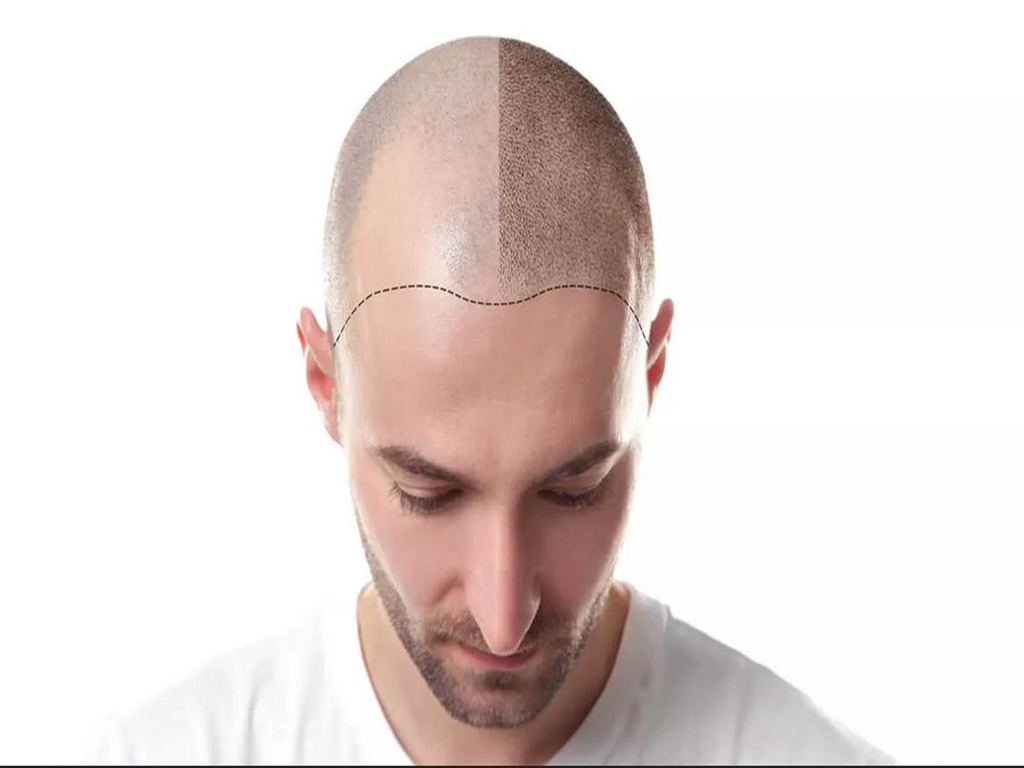
Cultural Differences and Approaches to Hair Restoration

Cultural Differences and Approaches to Hair Restoration

Hair restoration is a significant concern for many individuals around the world, but cultural differences play a crucial role in shaping how people approach this issue. These differences influence the methods people use to deal with hair loss and baldness. Understanding these cultural variations can shed light on the diverse perspectives on beauty, self-image, and healthcare. Let’s explore ten cultural differences and approaches to hair restoration:

Acceptance vs. Intervention:

Some cultures embrace hair loss as a natural part of aging, promoting self-acceptance.
Others view hair loss as a problem to be solved, encouraging intervention through restoration techniques.

Herbal Remedies:

Traditional cultures often rely on herbal remedies and natural treatments for hair regrowth.
Modern societies may use scientifically developed medications and surgical procedures.

Cultural Symbols:

Hair holds significant cultural symbolism; losing it can impact one’s identity and status in the community.
Some cultures consider a full head of hair as a sign of virility, beauty, or wisdom.

Wigs and Hairpieces:

In certain cultures, wearing wigs or hairpieces is a common way to conceal hair loss.
Others may consider it taboo or deceitful.

Religious Beliefs:

Religious norms can influence how hair loss is perceived and addressed.
For example, in some cultures, shaving one’s head may be a religious practice.


Hair Transplant


Societal Pressure:

Cultural expectations regarding appearance and beauty standards can drive the desire for hair restoration.
Conversely, cultures valuing inner qualities over appearance may downplay the significance of hair loss.

Cultural Practices:

Hairstyles and grooming practices differ across cultures, impacting hair health and loss.
Some cultural hairstyles may contribute to hair damage and loss.

Holistic Approaches:

Certain cultures adopt holistic approaches, considering overall health and lifestyle for hair restoration.
They may emphasize the role of nutrition, stress reduction, and natural remedies.

Family Influence:

Cultural norms may involve family decisions on hair restoration, especially in collectivist societies.
Elders’ opinions can heavily influence an individual’s choices.

Accessibility to Technology:

Developed countries may have more advanced hair restoration technologies and facilities.
In contrast, developing regions may rely on traditional methods due to limited resources.

By recognizing and respecting cultural differences in hair restoration, we can foster better understanding and ensure that individuals receive appropriate support and solutions for their hair loss concerns. The diverse approaches to hair restoration demonstrate the rich tapestry of human values and traditions across the globe.

Notable Hair Transplant Clinics and Surgeons Worldwide

Notable Hair Transplant Clinics and Surgeons Worldwide

Are you experiencing hair loss and looking for a reliable solution? Hair transplant surgery can be a life-changing option to restore your hairline and confidence. But choosing the right clinic and surgeon is crucial to achieving natural and successful results. To help you make an informed decision, we’ve compiled a list of the top 10 hair transplant clinics and surgeons from around the world.

Bosley – A renowned name in hair restoration, Bosley has been helping people regain their hair for over 40 years.

HRBR (Hair Restoration Blackrock) – Based in Ireland, HRBR is known for its cutting-edge hair transplant techniques and skilled surgeons.

Hasson & Wong – With clinics in Canada and the United States, Hasson & Wong are respected leaders in hair transplantation.

DHI Global Medical Group – With a global presence, DHI offers advanced hair restoration services and has a vast network of clinics.

Aestimed – Located in Turkey, Aestimed boasts experienced surgeons and affordable, high-quality hair transplants.


Hair Transplant


Eugenix Hair Sciences – Situated in India, Eugenix is renowned for its innovative Direct Hair Transplantation (DHT) method.

HLC Hairline Clinic – A prominent name in Europe, HLC Hairline Clinic provides exceptional results with skilled artistry.

BHR Clinic – Specializing in follicular unit extraction (FUE), BHR Clinic in Belgium delivers top-notch outcomes.

Kaloni Hair Restoration – Operating in Mexico and Colombia, Kaloni has a strong reputation for personalized hair restoration services.

SHIFT Hair Transplant – Located in Turkey, SHIFT offers advanced hair transplant techniques and state-of-the-art facilities.

These clinics and surgeons have demonstrated their expertise in the field of hair restoration and have earned the trust of countless satisfied clients worldwide. Remember to do thorough research, read reviews, and consult with multiple clinics before making your decision.

Celebrity Hair Transplants – Before and After Comparison

Celebrity Hair Transplants – Before and After Comparison


Hair loss is a common issue that affects many individuals, including celebrities. With advancements in technology, hair transplants have become a popular solution for restoring lost hair and confidence. Let’s explore some remarkable transformations of famous personalities who underwent hair transplant procedures.

Wayne Rooney

From receding hairline to a fuller head of hair, Rooney’s hair transplant showcased incredible results.

Elon Musk

The tech mogul’s hair transformation turned heads, proving that even the most successful minds can benefit from a hair transplant.

Matthew McConaughey

McConaughey’s hair transplant before and after comparison demonstrates a substantial improvement in density and hairline.

Kim Kardashian

Yes, even celebrities like Kim Kardashian have explored hair restoration to achieve luscious locks and combat hair thinning.

John Travolta

The iconic actor opted for a hair transplant, significantly enhancing his appearance and boosting his confidence.


hair transplant


Jude Law

Law’s hair transplant success story exhibits a natural-looking hairline and fuller hair, making him look more youthful.

Jennifer Aniston

One of Hollywood’s sweethearts, Jennifer Aniston, has undergone a hair transplant, adding volume and thickness to her hair.

Elon Musk

The CEO of Tesla and SpaceX makes another appearance on our list, emphasizing the effectiveness of hair restoration procedures.

These celebrities before and after hair transplant comparisons demonstrate that hair restoration treatments can be life-changing, enhancing self-esteem and overall well-being. Whether you are a celebrity or not, anyone struggling with hair loss can consider this an effective solution.

Famous Personalities Who Have Undergone Hair Transplants

10 Famous Personalities Who Have Undergone Hair Transplants

Hair loss is a common concern that affects both men and women, including celebrities and famous personalities. Thanks to advancements in medical technology, hair transplants have become a popular solution for restoring hair and confidence. Here are ten well-known individuals who have openly discussed their experiences with hair transplants:

Wayne Rooney: The English football legend underwent a hair transplant in 2011, and his new look sparked discussions and admiration among fans and media alike.

Elon Musk: The visionary entrepreneur and CEO of SpaceX and Tesla confirmed undergoing a hair transplant, revealing that it was a personal decision to improve his appearance.

John Travolta: The Hollywood superstar opted for a hair transplant to maintain his iconic charisma on-screen.

James Nesbitt: The Irish actor spoke candidly about his hair transplant journey, encouraging others to consider the procedure without any stigma.

Salman Khan: The Bollywood megastar underwent a hair transplant to combat thinning hair and maintain his youthful appearance.


hair transplant

Gordon Ramsay: The renowned chef and television personality chose a hair transplant to regain a fuller head of hair.

Jude Law: The British heartthrob discreetly underwent a hair transplant to address hair loss concerns.

Rob Brydon: The comedian and actor openly shared his experience with hair transplantation, bringing attention to the positive impact it had on his self-esteem.

Jeremy Piven: The Entourage star revealed that he underwent a hair transplant after years of dealing with hair thinning.

Mathew McConaughey: The Oscar-winning actor reportedly underwent a hair transplant, enhancing his leading man image.

Hair transplants have allowed these famous personalities to feel more confident and comfortable in the spotlight. Their openness about their experiences has also helped reduce the stigma surrounding hair restoration procedures.

Psychological Impact of Hair Loss and Restoration – Support Systems and Coping Strategies

Psychological Impact of Hair Loss and Restoration – Support Systems and Coping Strategies

Losing hair can be a distressing experience for both men and women, and it’s not just about the physical change. The psychological impact of hair loss can be significant, affecting self-esteem, confidence, and overall well-being. However, there is hope for those dealing with hair loss through various restoration techniques. In this article, we will explore the emotional effects of hair loss and provide support systems and coping strategies to help individuals navigate this challenging journey.

The Emotional Toll of Hair Loss

Decreased self-confidence and self-esteem
Anxiety and stress related to appearance
Social withdrawal and isolation

Seeking Support

Open up to family and friends about your feelings
Join support groups or online communities with individuals facing similar challenges

Professional Counseling

Consider seeking therapy or counseling to address emotional struggles
Therapists can help build resilience and develop coping mechanisms

Understanding Hair Restoration Options

Research hair restoration methods, such as hair transplant, medication, or non-surgical treatments
Consult with experts to find the most suitable option for your needs

Setting Realistic Expectations

Understand that hair restoration may not completely reverse hair loss
Embrace the process as an enhancement rather than a full transformation


counselling


Embracing a New Look

Experiment with different hairstyles, wigs, or head coverings
Reinvent your style and embrace the change as an opportunity for personal growth

Focusing on Overall Health

Adopt a healthy lifestyle with a balanced diet and regular exercise
Physical well-being positively impacts mental health and can aid in managing stress

Engaging in Stress-Relief Activities

Practice mindfulness, meditation, or yoga to reduce stress and anxiety
Engage in hobbies and activities that bring joy and relaxation

Celebrating Progress and Success

Acknowledge small victories and progress in your hair restoration journey
Shift the focus from perceived flaws to achievements and strengths

Seeking Professional Support for Hair Restoration

Reach out to reputable hair restoration clinics for expert advice
Trust experienced professionals to guide you through the process

Stem Cell Therapy for Hair Restoration

Stem Cell Therapy for Hair Restoration: Reviving Your Crowning Glory


Hair loss is a common concern for many individuals, impacting their self-confidence and overall well-being.
Stem cell therapy offers a promising solution for hair restoration, harnessing the body’s natural healing abilities to stimulate hair growth.

What are Stem Cells?

Stem cells are unique cells with the remarkable ability to transform into different cell types.
They can be found in various tissues of the body, including the scalp.

How Does Stem Cell Therapy Work for Hair Restoration?

Stem cell therapy for hair restoration involves isolating and harvesting stem cells from the patient’s own body, often from adipose tissue or bone marrow.

These stem cells are then injected into the scalp to target areas experiencing hair loss.

Stimulating Hair Follicles:

Once injected, stem cells work to stimulate dormant hair follicles, prompting them to enter the active growth phase.

This process leads to thicker, fuller, and healthier hair over time.

Reducing Inflammation:

Stem cells possess anti-inflammatory properties, which can be beneficial in treating conditions that cause hair loss, such as alopecia.

Accelerating Healing:

Stem cell therapy accelerates the healing process of damaged hair follicles, promoting faster hair growth and restoration.


Hair Transplant


Non-Invasive Procedure:

Stem cell therapy for hair restoration is a non-invasive procedure, reducing the risk of complications and minimizing downtime.

Natural Results:

Since stem cell therapy uses the patient’s cells, the results are natural-looking and safe, avoiding the need for artificial hair implants.

Long-lasting Effects:

Stem cell therapy offers long-lasting results, with many patients experiencing continuous hair growth for an extended period.

Conclusion:

Stem cell therapy for hair restoration is a cutting-edge approach that taps into the body’s regenerative potential to revive thinning hair and boost confidence.

Laser Hair Therapy in conjunction with Transplants

Laser Hair Therapy in Conjunction with Transplants: A Powerful Combination for Hair Restoration

Hair loss can be a distressing experience for both men and women. While hair transplants have been a go-to solution for hair restoration, a new and promising technique is emerging: Laser Hair Therapy in conjunction with transplants. This powerful combination offers a comprehensive approach to combat hair loss and promote natural hair regrowth. Let’s delve into the benefits of this cutting-edge treatment duo.

Understanding Laser Hair Therapy:

Laser Hair Therapy, also known as Low-Level Laser Therapy (LLLT), employs low-intensity lasers or light-emitting diodes (LEDs) to stimulate hair follicles. The non-invasive treatment helps improve blood circulation to the scalp, reduce inflammation, and encourage cellular activity within hair follicles.

The Science Behind Hair Transplants:

Hair transplants involve the surgical transfer of healthy hair follicles from donor areas to areas with thinning or no hair. This procedure ensures a permanent and natural-looking solution to hair loss.

How They Work Together:

When Laser Hair Therapy is combined with hair transplants, it creates a dynamic synergy. Laser therapy applied to the scalp before and after the transplant procedure can improve the condition of the existing hair, enhance blood flow to the transplanted follicles, and accelerate the healing process.

Faster Recovery:

The application of laser therapy post-transplant can promote tissue repair, reduce inflammation, and speed up the recovery period. This results in quicker hair growth and more seamless integration of transplanted hair with existing hair.

Increased Graft Survival:

Laser Hair Therapy aids in better graft survival by promoting cell proliferation and minimizing trauma to the transplant site. This ensures a higher percentage of transplanted hair follicles successfully take root and grow.


Hair transplant


Enhanced Hair Density:

By combining both treatments, patients can achieve improved hair density as the existing hair becomes healthier and thicker while the transplanted hair grows and establishes itself.

Minimal Discomfort:

Laser Hair Therapy is a painless and non-invasive procedure, complementing the minimally invasive nature of modern hair transplant techniques. Patients can enjoy a comfortable experience throughout the entire hair restoration journey.

Suitable for Various Hair Loss Stages:

Whether you’re in the early stages of hair loss or have more advanced thinning, the combination of Laser Hair Therapy and transplants can be tailored to your specific needs and desired outcomes.

Long-Term Results:

By harnessing the strengths of both Laser Hair Therapy and hair transplants, patients can enjoy long-lasting and natural-looking results, boosting their confidence and restoring a youthful appearance.

Understanding Hair Transplantation Results

Understanding Hair Transplantation Results: Achieving Natural-Looking Hair

The Decision to Get a Hair Transplant: Hair loss can be a distressing experience for many individuals, leading them to consider hair transplantation as a viable solution.

Pre-Transplant Evaluation: Before undergoing a hair transplant procedure, a thorough evaluation by a qualified hair restoration specialist is crucial. This assessment helps determine the extent of hair loss, the donor hair availability, and the most suitable technique.

Hair Transplant Techniques: Two primary hair transplant techniques are Follicular Unit Transplantation (FUT) and Follicular Unit Extraction (FUE). FUT involves removing a strip of hair from the donor area, while FUE involves extracting individual hair follicles.

The Importance of a Skilled Surgeon: The success of a hair transplant heavily relies on the skill and expertise of the surgeon. Choosing an experienced professional with a proven track record is essential for achieving satisfactory results.

Post-Transplant Healing: After the procedure, the transplanted hair follicles go through a healing process. It is normal for the transplanted hair to shed within a few weeks, but new hair will start to grow gradually.


Hair Transplant


Patience is Key: Hair transplantation results take time to become evident. Patients need to be patient and understand that the full results may not be visible until several months after the procedure.

Natural-Looking Results: Modern hair transplant techniques focus on achieving natural-looking results. Skilled surgeons artfully place the transplanted hair to mimic the natural hair growth pattern, ensuring a seamless blend with existing hair.

Gradual Hair Growth: Hair growth following a transplant is not immediate; it occurs gradually over time. New hair may appear thinner initially but will thicken as it matures.

Follow-Up Care: After the procedure, follow-up visits with the surgeon are essential to monitor progress and address any concerns. These visits also allow the surgeon to assess the need for any additional sessions for maximum results.

Realistic Expectations: While hair transplantation can significantly improve the appearance and boost confidence, it is essential to have realistic expectations. Each individual’s results may vary, and some may require multiple sessions to achieve the desired density.

Factors to Consider When Choosing a Hair Transplant Surgeon

Factors to Consider When Choosing a Hair Transplant Surgeon

When it comes to undergoing a hair transplant, choosing the right surgeon is crucial for a successful and satisfying outcome. With so many options available, it can be overwhelming to find the best fit for your needs. To help you make an informed decision, we’ve compiled a list of essential factors to consider when selecting a hair transplant surgeon.

Experience and Credentials: Look for a surgeon with extensive experience in performing hair transplants. Check their credentials, certifications, and affiliations with reputable medical organizations.

Specialization in Hair Transplantation: Ensure that the surgeon specializes specifically in hair transplant procedures and has a track record of successful surgeries.

Before-and-After Photos: Review the surgeon’s portfolio of before-and-after photos from previous patients to assess the quality of their work.

Patient Reviews and Testimonials: Read reviews and testimonials from previous patients to get insights into their experiences and satisfaction with the results.

Personal Consultation: Schedule a consultation with the surgeon to discuss your concerns, assess your candidacy, and understand the recommended treatment plan.


Technology and Techniques: Inquire about the latest technology and techniques used by the surgeon, as advanced methods often lead to better outcomes.

Safety Measures: Ensure that the surgical facility adheres to strict safety standards and guidelines to minimize the risk of complications.

Transparent Pricing: Request a clear and detailed breakdown of the costs involved in the procedure, including any potential additional expenses.

Communication and Rapport: Choose a surgeon who communicates openly, listens to your expectations, and establishes a good rapport with you.

Post-Operative Care: Inquire about the post-operative care and support provided by the surgeon and their team to facilitate a smooth recovery process.

Remember, your choice of a hair transplant surgeon can significantly impact the final results, so take your time to research and select someone you feel confident in entrusting with your hair restoration journey.