
Menu Close

Tag: Hair care products

Hair Styling Tips and Techniques

Hair Styling Tips and Techniques: 10 Proven Ways to Achieve Gorgeous Hair

Whether you’re getting ready for a special occasion or just want to look fabulous every day, having great hair can make a world of difference. The good news is that you don’t need to be a professional hairstylist to achieve beautiful locks. With the right tips and techniques, you can easily elevate your hair game and turn heads wherever you go. Here are ten tried-and-true hair styling tips to help you achieve stunning results:

Know Your Hair Type: Understand your hair type (straight, wavy, curly) and its unique characteristics. This knowledge will guide you in choosing the right products and techniques.

Use Quality Hair Care Products: Invest in high-quality shampoos, conditioners, and styling products suitable for your hair type. They nourish and protect your hair, giving it a healthy shine.

Towel Dry with Care: After washing your hair, gently pat it dry with a soft towel. Avoid rubbing vigorously, as it can lead to frizz and breakage.

Protect from Heat Damage: Before using heat styling tools like curling irons or straighteners, apply a heat protectant spray to shield your hair from damage.

Choose the Right Brush: Use the appropriate brush for your hair type. Paddle brushes are ideal for straight hair, while round brushes work well for adding volume and curls.


hairstyle1


Section Your Hair: When styling, divide your hair into sections. This makes the process easier, especially for complex hairstyles like updos.

Master the Basics: Learn basic hairstyles like ponytails, braids, and buns. They form the foundation for more intricate styles.

Embrace Hair Accessories: Hair accessories like headbands, clips, and scarves can effortlessly elevate your look and add flair to your hairstyle.

Experiment with Products: Don’t be afraid to try different hair products to achieve various looks. Texturizing sprays, hair serums, and volumizing mousses can transform your hair game.

Regular Trims are Vital: Schedule regular trims to maintain healthy hair and prevent split ends. This ensures your hair looks fresh and vibrant.

Remember, practice makes perfect! Don’t get discouraged if your first attempts aren’t flawless. With time and patience, you’ll master these hair styling tips and techniques, and your hair will thank you with a dazzling display of beauty.
Hair Growth Cycle

The Hair Growth Cycle: 10 Key Facts You Should Know

The hair growth cycle is a fascinating process that determines the growth, rest, and shedding phases of our hair. Understanding this cycle is essential for maintaining healthy, luscious locks. Here are ten key facts to shed some light on this natural wonder:

Anagen Phase:
The anagen phase is the growth phase of the hair cycle. During this time, hair follicles actively produce new hair cells, resulting in noticeable hair growth. This phase typically lasts two to seven years, and the longer the anagen phase, the longer your hair can grow.

Catagen Phase:
Following the anagen phase, hair follicles enter the catagen phase, a transitional stage that lasts about two weeks. In this phase, the hair stops growing, and the hair follicle shrinks, preparing for the next phase.

Telogen Phase:
The telogen phase is the resting phase of the hair growth cycle, lasting around three months. During this period, the hair is fully developed but not actively growing. Approximately 10-15% of your hair is in this phase at any given time.

Shedding:
After the telogen phase, hair sheds to make room for new hair growth. On average, individuals lose 50-100 hairs daily. This shedding is a natural and healthy part of the hair growth cycle.

Factors Affecting Hair Growth:
Various factors can influence the hair growth cycle, such as age, genetics, diet, hormonal changes, and overall health. Taking care of your body and maintaining a balanced lifestyle can positively impact hair growth.


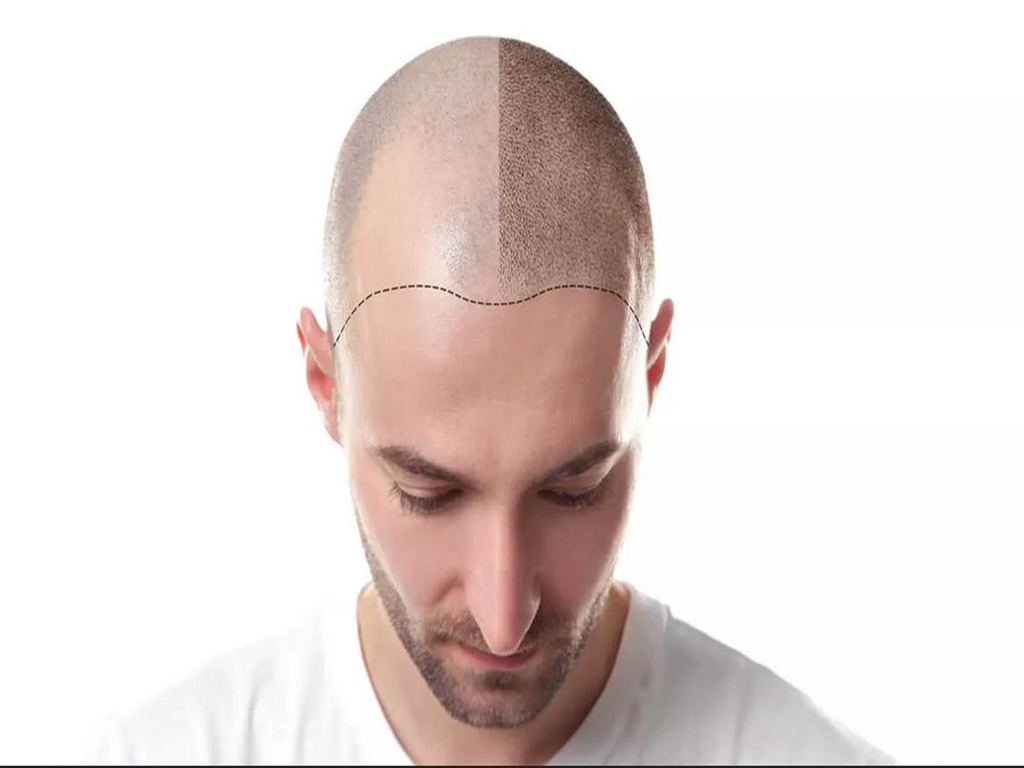
Hair Transplant


Hair Growth Rate:
Hair growth rate varies among individuals. On average, hair grows about half an inch (1.27 cm) per month. However, this rate may fluctuate depending on genetics and other factors.

Hair Growth and Seasons:
Believe it or not, the hair growth cycle can be influenced by the seasons. Some studies suggest that hair tends to grow faster during the warmer months and slower during the colder ones.

Hair Products and Growth:
While there’s no magical potion for instant hair growth, using hair care products that nourish and protect your hair can enhance its appearance and maintain its health during the growth cycle.

Hair Growth Disorders:
Sometimes, disruptions in the hair growth cycle can lead to conditions like alopecia areata, telogen effluvium, or androgenetic alopecia. If you notice excessive hair loss or bald patches, it’s crucial to consult a healthcare professional or dermatologist.