
Menu Close

Tag: Graft placement

Hair Transplant – Factors Influencing the Outcome

Hair Transplant – Factors Influencing the Outcome

The expertise of the Surgeon: The skills and experience of the surgeon performing the hair transplant procedure significantly impact the outcome.

Donor Hair Quality: The quality and density of the donor’s hair play a crucial role in achieving a natural-looking result.

Recipient Area Condition: The condition of the recipient area, including scalp health and hair loss pattern, can influence how well the transplanted hair grafts take hold.

Surgical Technique: Different hair transplant techniques, such as FUE (Follicular Unit Extraction) and FUT (Follicular Unit Transplantation), can yield varying outcomes.

Graft Placement: The precise placement of grafts at the correct angle and direction is essential for a natural appearance.


Hair Transplant


Post-Transplant Care: Following proper post-operative care instructions can affect the healing process and final results.

Patient’s Health: Overall health and lifestyle choices can impact the success of the hair transplant.

Age and Hair Loss Progression: The age of the patient and the stage of hair loss can influence the outcome, with early intervention often producing better results.

Expectations and Realistic Goals: Setting realistic expectations and understanding the limitations of a hair transplant is crucial for patient satisfaction.

Follow-up and Maintenance: Regular follow-up appointments and long-term hair care maintenance can ensure the longevity of the hair transplant’s positive outcome.
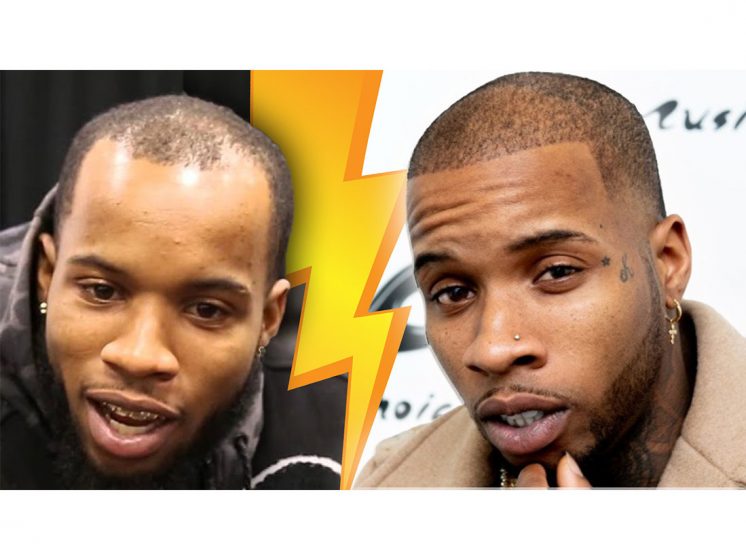
Hair Transplants for Ethnic Hair Types

Hair Transplants for Ethnic Hair Types

Hair transplants are an effective solution for hair loss, but when it comes to different ethnic hair types, certain considerations are crucial to achieve the best results. If you’re considering a hair transplant and have ethnic hair, here are ten essential points you need to know:

Understanding Ethnic Hair: Ethnic hair types vary significantly in texture, curl pattern, and thickness. It is essential to have a hair transplant specialist who is experienced in dealing with diverse hair types.

Consultation is Key: Schedule a consultation with a qualified hair transplant surgeon who has experience with ethnic hair. They can assess your unique hair characteristics and tailor a treatment plan accordingly.

Follicular Unit Extraction (FUE): FUE is a popular hair transplant technique suitable for various hair types, including ethnic hair. It involves extracting individual hair follicles from the donor area and transplanting them to the recipient area.

Follicular Unit Transplantation (FUT): FUT is another technique that can be effective for ethnic hair. It involves removing a strip of tissue from the donor area and dissecting it into individual follicular units for transplantation.

Natural Hairline Design: Ethnic hairlines tend to differ from those of other ethnicities. A skilled surgeon will consider your facial features and hairline pattern to create a natural-looking hairline that complements your appearance.


Hair Transplant


Donor Hair Density: Ethnic hair can have varying densities, which may affect the number of grafts available for transplantation. The surgeon will assess your donor area’s capacity to ensure sufficient grafts for the transplant.

Curly Hair Challenges: Transplanting curly hair requires special attention as it can create a different appearance when compared to straight hair. Expertise in handling curly hair is vital to achieve optimal results.

Careful Graft Placement: Implanting grafts at the correct angle and direction is crucial for a seamless and natural look. Skillful placement ensures that the transplanted hair grows in the desired direction.

Post-Transplant Care: Following your surgeon’s post-operative care instructions is essential for successful healing and hair growth. Proper care minimizes the risk of complications and promotes healthy hair growth.

Patience for Results: Hair transplant results take time, especially for ethnic hair types. It may take several months for the transplanted hair to grow and blend in naturally with your existing hair.