
Menu Close

Tag: Follow-Up Appointments

How to Minimize Risks and Promote Healing

Hair Transplant Surgery – Minimizing Risks and Promoting Healing

Choose a Skilled Surgeon: Ensure your hair transplant is performed by a qualified and experienced surgeon to reduce the risk of complications.

Understand the Procedure: Educate yourself about the hair transplant process, the techniques involved, and what to expect during recovery.

Evaluate Your Candidacy: Consult with the surgeon to determine if you are a suitable candidate for the procedure based on your hair loss pattern and overall health.

Follow Pre-Operative Instructions: Adhere to any pre-operative guidelines provided by your surgeon to prepare your scalp and body for surgery.
 

consult


Opt for a Suitable Technique: Discuss with your surgeon the different transplant methods available (FUE, FUT) to choose the one best suited to your needs.

Post-Operative Care: Strictly follow the post-operative care instructions, including medications, scalp care, and avoiding certain activities that may hinder healing.

Be Patient with Results: Understand that hair growth takes time. Be patient and avoid panicking if the results are not immediate.

Avoid Sun Exposure: Protect your scalp from direct sun exposure, especially during the initial healing phase, to prevent complications.

Manage Stress: Minimize stress during the recovery period, as stress can hinder the healing process and hair growth.

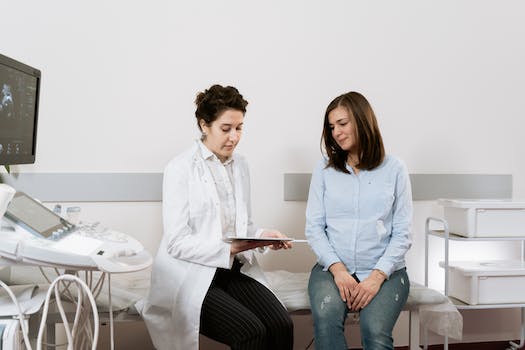
Attend Follow-Up Appointments: Regularly visit your surgeon for follow-up appointments to monitor progress and address any concerns promptly.

Postoperative Care and Recovery – Expected Recovery Timeline and Results

Postoperative Care and Recovery: Your Guide to a Smooth Healing Process

Follow Your Doctor’s Instructions: Adhering to your surgeon’s advice is crucial for a successful recovery. This may include taking medications, keeping the incision clean, and attending follow-up appointments.

Rest and Allow Time for Healing: Give your body the rest it needs to recover fully. Avoid strenuous activities during the initial healing phase.

Manage Pain and Discomfort: Pain is normal after surgery. Take prescribed pain medications as directed, and inform your doctor if the pain becomes unmanageable.

Watch for Signs of Infection: Keep a close eye on the surgical site for any signs of infection, such as redness, swelling, or pus. If you notice any concerning symptoms, notify your healthcare provider promptly.

Elevate the Affected Area: To reduce swelling and promote healing, elevate the operated area whenever possible.


doctor appointment


Stick to a Nutritious Diet: Eating a balanced diet rich in vitamins and minerals helps support the healing process. Stay hydrated and avoid excessive caffeine and alcohol consumption.

Be Mindful of Wound Care: Keep the incision clean and dry, following your doctor’s instructions for dressing changes.

Gradually Resume Activities: As you recover, slowly reintroduce light activities into your routine, but avoid heavy lifting or intense exercises until cleared by your doctor.

Manage Emotions: It’s natural to experience a mix of emotions during recovery. Reach out to friends, family, or a counselor if needed.

Attend Follow-Up Appointments: Regularly scheduled follow-ups allow your doctor to monitor your progress and address any concerns.