
Counseling and Therapy for Coping with Hair Loss: Restoring Confidence from Within
Hair loss can be a distressing experience for many individuals, leading to a range of psychological concerns. It is not just a physical change but can also deeply impact a person’s self-esteem and overall well-being. Fortunately, counseling and therapy can play a crucial role in helping individuals cope with hair loss-related psychological concerns. Here are ten ways in which counseling and therapy can make a significant difference:
Understanding Emotions: Counseling provides a safe space to express feelings of sadness, frustration, or anxiety related to hair loss.
Self-Exploration: Therapy allows individuals to explore the root causes of their emotional distress and develop insights into their self-image.
Coping Strategies: Professionals can teach effective coping techniques to manage stress and emotional challenges resulting from hair loss.
Enhancing Self-Esteem: Counseling helps individuals build a positive self-image and regain lost confidence due to hair loss.
Body Positivity: Therapy encourages body acceptance and focuses on overall self-care beyond physical appearance.
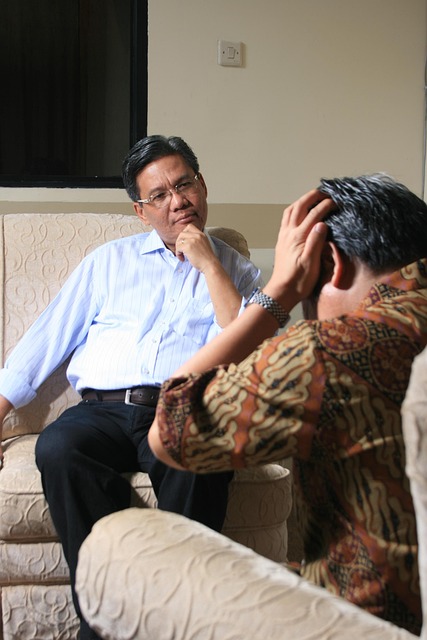
Identifying Triggers: Counseling aids in recognizing triggers that exacerbate hair loss-related distress and devising appropriate responses.
Goal Setting: Therapists assist in setting realistic goals to achieve emotional well-being and personal growth during the hair loss journey.
Support Network: Therapy provides a supportive environment, enabling individuals to connect with others facing similar challenges.
Stress Reduction: Counseling equips individuals with stress-reduction techniques, which may positively impact hair health.
Decision Making: Therapists help individuals make informed choices regarding hair treatments or styling options that align with their emotional well-being.
In conclusion, counseling and therapy are essential tools for individuals struggling with hair loss-related psychological concerns. By addressing emotional distress, building self-confidence, and promoting self-care, these therapeutic approaches play a vital role in restoring inner strength and resilience.
