Menu Close

Hair Transplant Surgery

Everything You Need to Know About Hair Transplant Surgery: A Comprehensive Guide

Introduction

The popularity of hair transplant surgery has been on the rise as an effective solution for hair loss. If you’re considering this procedure, it’s important to have a comprehensive understanding of what it entails. This article aims to provide a detailed guide on hair transplant surgery, covering various aspects to help you make an informed decision.

Understanding Hair Transplant Surgery

What is Hair Transplant Surgery?

Hair transplant surgery is a procedure that involves transferring healthy hair follicles from the donor area to the recipient area to restore hair growth. Unlike other hair restoration methods, such as medications or topical treatments, hair transplant surgery provides a permanent solution by transplanting hair follicles directly into the areas experiencing hair loss.

Causes of Hair Loss

Hair loss can occur due to various factors, including genetics, hormonal imbalances, and medical conditions. Hair transplant surgery addresses the root causes of hair loss by relocating healthy hair follicles to the areas of thinning or baldness. It offers a long-lasting solution that blends seamlessly with your natural hair.

Candidacy for Hair Transplant Surgery

Not everyone is an ideal candidate for hair transplant surgery. Factors such as age, hair loss pattern, and overall health play a crucial role in determining candidacy. Generally, individuals with stable hair loss and sufficient donor hair are considered good candidates for the procedure. Consulting with a hair transplant specialist can help assess your suitability for surgery.

Hair Transplant Surgery Techniques

Follicular Unit Transplantation (FUT)

Follicular Unit Transplantation (FUT) is a hair transplant technique that involves the removal of a strip of scalp from the donor area. The strip is then dissected into individual hair follicles for transplantation. FUT is known for its ability to yield a large number of grafts in a single session, making it suitable for patients requiring extensive hair restoration. However, it leaves a linear scar at the donor site, which may be a consideration for some individuals.

Follicular Unit Extraction (FUE)

Follicular Unit Extraction (FUE) is another hair transplant technique where individual hair follicles are extracted directly from the donor area using a specialized tool. This minimally invasive procedure leaves tiny, almost invisible scars, allowing for quicker healing and less postoperative discomfort. FUE is particularly suitable for patients who prefer shorter haircuts or have limited donor hair available.

Comparing FUT and FUE

When choosing between FUT and FUE techniques, several factors should be considered. FUT generally provides a higher yield of grafts, making it advantageous for extensive hair restoration. On the other hand, FUE leaves minimal scars and allows for greater flexibility in hairstyling. The decision ultimately depends on individual preferences, hair loss characteristics, and the recommendations of your hair transplant specialist.

Hair Transplant Surgery

Preparing for Hair Transplant Surgery

Consultation and Evaluation

Before undergoing hair transplant surgery, a thorough consultation with a hair transplant specialist is essential. During this evaluation, the specialist will assess your hair loss pattern, evaluate the donor area, and discuss your expectations. They may also perform hair analysis and review your medical history to ensure you are a suitable candidate for the procedure.

Preoperative Instructions

Prior to the surgery, your hair transplant specialist will

FAQ Frequently Ask Section

Understanding Hair Transplant Surgery

What is Hair Transplant Surgery?

Alright, let me break it down for you. Hair transplant surgery is a procedure where they take healthy hair follicles from one part of your head (called the donor area) and transplant them into the areas where you’re experiencing hair loss (the recipient area). It’s like moving hair from the “good neighborhood” to the “balding neighborhood” to help it grow back. Cool, right?

Causes of Hair Loss

So, why do we lose our hair in the first place? Well, blame it on genetics, hormones, or certain medical conditions. It’s a bummer, I know. But here’s the good news: hair transplant surgery can actually address the root causes of hair loss and give you a more permanent solution compared to those shampoos and sprays you’ve been trying.

Candidacy for Hair Transplant Surgery

Alright, not everyone is a good candidate for hair transplant surgery. It depends on factors like your age, hair loss pattern, and overall health. But don’t worry, consulting with a hair transplant specialist can help determine if you’re a suitable candidate. They’ll take a look at your hair, ask you some questions, and give you their expert opinion.

Hair Transplant Surgery Techniques

Follicular Unit Transplantation (FUT)

Okay, so there are a couple of techniques they use for hair transplant surgery. One of them is called Follicular Unit Transplantation (FUT). In FUT, they remove a strip of scalp from the donor area and then carefully dissect it into individual hair follicles. It’s like they’re taking a tiny hair army and relocating them to the balding areas. The advantage of FUT is that it can yield a lot of grafts in one go. The downside? It leaves a linear scar, which might be a deal-breaker for some folks.

Follicular Unit Extraction (FUE)

Now, if you’re not a fan of scars or you prefer shorter haircuts, you might want to consider Follicular Unit Extraction (FUE). With FUE, they individually extract hair follicles from the donor area using a special tool. It’s a less invasive procedure, so the healing time is usually quicker, and the scars are almost invisible. It’s like playing a game of “hair follicle treasure hunt” with the surgeon!

Comparing FUT and FUE

So, which one should you choose? Well, it depends on your preferences and hair loss characteristics. FUT is great for those who need a lot of grafts, while FUE is perfect if you want to keep your options open when it comes to hairstyles. The best way to decide is to talk to your hair transplant specialist. They’ll give you personalized advice based on your unique situation.

Preparing for Hair Transplant Surgery

Consultation and Evaluation

Before the big day, you’ll need to meet with a hair transplant specialist for a consultation. They’ll take a good look at your hair, ask you some questions, and evaluate your suitability for the surgery. It’s like going on a “hair date” to see if you and the surgery are a good match. Be open and honest with them, and don’t forget to ask all your burning questions!

Preoperative Instructions

Okay, you’re getting closer to the surgery. Your hair transplant specialist will give you some preoperative instructions to follow. They might ask you to avoid certain medications or alcohol leading up to the surgery. Why? Well, they want to make sure you’re in the best possible shape for the procedure and to minimize any potential risks. So be a good patient and stick to their instructions!

The Hair Transplant Surgery Procedure

Anesthesia and Donor Area Preparation

Alright, it’s showtime! On the day of the surgery, they’ll give you anesthesia to keep you comfortable throughout the procedure. They’ll also prepare the donor area, where they’ll be taking the hair follicles from. It’s like getting ready for a “hair extraction mission”!

Graft Extraction and Transplantation

Now for the main event! They’ll carefully extract the hair follicles from the donor area, whether it’s through FUT or FUE. It’s like they’re plucking those precious hair follicles one by one. Then comes the fun part—transplanting those follicles into the recipient area. It’s like creating a “hair garden” where your hair can grow back stronger than ever!

Duration and Expected Results

Don’t worry, the surgery doesn’t take forever. On average, it can last several hours, depending on the extent of the procedure. Now, here’s the important thing: don’t expect an instant hair miracle. It takes time for the transplanted hair follicles to settle in and start growing. So be patient, my friend. Results typically start to become noticeable within a few months, and you’ll see the full effect within a year.

Postoperative Care and Recovery

Immediate Postoperative Care

Alright, you made it through the surgery! Now it’s time for some TLC. Your hair transplant specialist will give you instructions on how to take care of your newly transplanted hair. You might experience some swelling or minor discomfort, but they’ll guide you on how to manage it. It’s like giving your hair a little “post-surgery spa treatment”!

Long-term Care and Recovery

Recovery is a journey, my friend. Your hair transplant specialist will provide you with a comprehensive guide on how to take care of your hair in the long run. Follow their instructions diligently to ensure the best possible results. It’s like having a “hair care coach” by your side, cheering you on throughout the recovery process!

Potential Risks and Complications

Hey, let’s keep it real. Like any surgical procedure, hair transplant surgery does come with some risks and potential complications. But here’s the deal: if you choose a qualified and experienced surgeon, the chances of complications are minimal. So make sure to do your research, read reviews, and choose someone you trust. It’s like finding the “hair whisperer” who will work magic on your locks!

FAQs (Frequently Asked Questions)

1. Will the transplanted hair look natural?

Absolutely! The transplanted hair is taken from your own scalp, so it will blend in seamlessly with your existing hair. No one will be able to tell the difference—unless you decide to spill the beans and brag about your new fabulous hair!

2. Is hair transplant surgery painful?

Don’t worry, they’ll make sure you’re nice and comfortable during the surgery with anesthesia. You might experience some minor discomfort or soreness afterward, but it’s nothing too crazy. Think of it as a “hair adventure” with minimal pain!

3. How long does the recovery process take?

Recovery times vary from person to person, but most people can return to their regular activities within a week or two. Just follow your hair transplant specialist’s instructions, take it easy, and give your hair some time to heal and grow. It’s like giving yourself a mini “hair vacation”!

4. Will I need multiple sessions of hair transplant surgery?

It depends on your specific needs and goals. Some people achieve their desired results with just one session, while others might benefit from multiple sessions to achieve their desired density. Your hair transplant specialist will discuss this with you during your consultation. It’s like customizing your “hair transformation plan”!

5. Can women undergo hair transplant surgery?

Absolutely! Hair transplant surgery is not just for men. Women can also benefit from this procedure, especially if they’re experiencing hair loss or thinning. So ladies, don’t hesitate to explore this option if it’s something you’re considering. It’s like joining the “hair restoration revolution”!

Conclusion

Alright, my friend, now you’re armed with all the essential knowledge about hair transplant surgery. We’ve covered the basics, the techniques, the preparation, the procedure itself, and the recovery process. Remember, hair transplant surgery can be a game-changer when it comes to restoring your hair and boosting your confidence. So if you’re ready to take the plunge, consult with a hair transplant specialist and start your journey to fabulous hair! Good luck!

RELATED SEARCH TERMS AND RELEVANT KEYWORDS:

  • Hair transplant surgery
  • Hair restoration
  • Hair loss treatment
  • Follicular Unit Transplantation (FUT)
  • Follicular Unit Extraction (FUE)
  • Hair transplant techniques
  • Hair transplant procedure
  • Hair transplant specialist
  • Hair transplant consultation
  • Hair transplant candidacy
  • Hair transplant recovery
  • Hair transplant results
  • Hair transplant risks
  • Hair transplant complications
  • Donor area
  • Recipient area
  • Hair transplant cost
  • Hair transplant success stories
  • Hair transplant before and after
  • Best hair transplant surgeon

Hair Transplant Pompano Beach Florida

If you’re tired of dealing with thinning hair or a receding hairline, then you’re in luck! Look no further than Hair Transplant Pompano Beach Florida for all your hair restoration needs. Whether you’re a man or a woman, our team of experts is dedicated to providing you with state-of-the-art treatments and procedures to help you regain your confidence and achieve a full head of hair. With our advanced techniques and personalized approach, we’re here to give you the natural-looking results you’ve always dreamed of. Say goodbye to hair loss and hello to a new, more confident you with Hair Transplant Pompano Beach Florida!

Hair Transplant Pompano Beach Florida

Introduction

Hair Transplant Pompano Beach Florida is a popular destination for individuals looking to restore their hair and regain their self-confidence. Hair loss can be a distressing experience, but with advances in technology and medical expertise, hair transplant procedures offer a permanent solution for those seeking to address their hair loss concerns. In this comprehensive article, we will explore what hair transplant is, why Pompano Beach is an ideal location for this procedure, how to find the right clinic, the preparation involved, the procedure itself, recovery and aftercare, the cost considerations, and even patient testimonials. So, let’s dive right in!

What is Hair Transplant?

Definition

Hair transplant is a surgical procedure that aims to restore hair to areas of the scalp that have experienced hair loss or thinning. The procedure involves the extraction of hair follicles from areas of the scalp that have healthy hair growth, typically referred to as the donor area. These hair follicles are then transplanted into the areas experiencing hair loss, known as the recipient area. The goal of a hair transplant is to provide a natural-looking hairline and increase the density of hair in the recipient area, ultimately achieving a permanent solution for hair loss.

Types of Hair Transplant Procedures

There are two main types of hair transplant procedures commonly performed: follicular unit transplantation (FUT) and follicular unit extraction (FUE).

FUT, also known as the strip method, involves the removal of a strip of scalp from the donor area, usually from the back of the head. This strip is then dissected into individual hair follicles, which are subsequently implanted into the recipient area.

FUE on the other hand, involves the extraction of individual hair follicles directly from the donor area, using a small punch-like instrument. These follicles are then implanted into the recipient area. FUE leaves minimal scarring and requires less downtime compared to FUT, making it a popular choice among patients.

Both FUT and FUE can achieve excellent results, and the choice of procedure depends on individual factors such as the extent of hair loss, donor hair availability, and personal preference.

Why Choose Hair Transplant in Pompano Beach, Florida?

Benefits of Hair Transplant in Pompano Beach

Pompano Beach, Florida offers a range of benefits for individuals considering a hair transplant procedure. Here are some reasons why Pompano Beach is a fantastic destination for hair restoration:

  1. Highly Skilled Surgeons: Pompano Beach is home to a network of skilled and experienced hair transplant surgeons who specialize in performing these procedures. These surgeons have extensive training and expertise in the field of hair restoration, ensuring you receive the best possible care.

  2. State-of-the-Art Facilities: Hair transplant clinics in Pompano Beach boast state-of-the-art facilities equipped with the latest technologies and equipment. These advanced facilities provide a safe and comfortable environment for your hair transplant procedure.

  3. Beautiful Location: Pompano Beach offers a beautiful coastal setting, making your hair transplant journey a pleasant and enjoyable experience. The serene environment and soothing atmosphere can contribute to a stress-free recovery process.

  4. Accessible Location: Pompano Beach is conveniently located near major airports and transportation hubs, making it easily accessible for both local and international patients. This accessibility ensures a seamless experience when traveling for your procedure.

  5. Supportive Aftercare: Hair transplant clinics in Pompano Beach prioritize the well-being and satisfaction of their patients. They offer comprehensive aftercare programs, including regular follow-up appointments, to monitor your progress and address any concerns you may have during the recovery phase.

Choosing Pompano Beach for your hair transplant procedure not only guarantees exceptional medical care but also provides a peaceful and rejuvenating environment for your overall well-being.

Hair Transplant Pompano Beach Florida

Finding the Right Hair Transplant Clinic in Pompano Beach

Researching Hair Transplant Clinics

Finding the right hair transplant clinic is crucial for a successful and satisfying experience. It is essential to conduct thorough research to ensure you choose a reputable and reliable clinic. Here are some steps to guide you in your search:

  1. Read Reviews and Testimonials: Look for patient reviews and testimonials on the clinic’s website or other trusted platforms. Positive reviews and testimonials indicate a high level of patient satisfaction and can give you an insight into the quality of care provided by the clinic.

  2. Evaluate Surgeon’s Credentials: Research the qualifications and expertise of the hair transplant surgeons associated with the clinic. Verify their credentials, including certifications, memberships in professional organizations, and their track record in performing hair transplant procedures.

  3. Check Before and After Photos: Most reputable clinics showcase before and after photos of their patients to demonstrate the quality and natural-looking results they achieve. Analyze these photos to ensure the clinic’s aesthetic aligns with your desired outcome.

  4. Request Consultations: Schedule consultations with multiple clinics to get a feel for their approach, personalized treatment plans, and overall professionalism. Consultations also provide an opportunity to ask questions, address concerns, and gauge the physician’s expertise and communication style.

Considerations for Choosing a Hair Transplant Clinic

While researching clinics, there are several crucial factors to consider when making your final decision:

  1. Surgeon’s Expertise: Ensure the clinic has experienced and skilled hair transplant surgeons who have a proven track record of successful procedures. Their expertise is vital in achieving natural-looking results.

  2. Clinic’s Reputation: Look for a clinic with a strong reputation within the hair transplant community. Positive reviews and referrals from previous patients can serve as an indicator of the clinic’s reliability, trustworthiness, and commitment to patient satisfaction.

  3. Technology and Techniques: Assess the clinic’s use of advanced technology and techniques in hair transplantation. The availability of cutting-edge equipment and up-to-date methodologies can contribute to a more efficient and effective procedure, leading to superior outcomes.

  4. Aftercare Support: Inquire about the clinic’s aftercare support and follow-up procedures. A reputable clinic will provide comprehensive guidance and assistance throughout your recovery process, ensuring optimal healing and long-term results.

By undertaking thorough research and considering these factors, you can confidently select the right hair transplant clinic in Pompano Beach, Florida, that meets your expectations and provides excellent care.

Preparation for Hair Transplant Surgery

Consultation with the Hair Transplant Surgeon

One of the crucial steps before undergoing a hair transplant surgery is scheduling a consultation with the hair transplant surgeon. During this consultation, the surgeon will evaluate your specific hair loss condition, discuss your expectations and goals, and provide personalized recommendations tailored to your needs.

The consultation is an excellent opportunity to ask any questions or voice any concerns you may have. The surgeon will explain the procedure, clarify the expected results, and ensure you have a thorough understanding of what to expect before, during, and after the surgery.

Medical Evaluation

Prior to the surgery, a medical evaluation will be conducted to assess your overall health and suitability for the procedure. The evaluation may involve a review of your medical history, a physical examination, and possibly some laboratory tests. It is important to disclose any medical conditions or medications you are currently taking to ensure your safety during the surgery.

Discussing Expectations and Goals

Open communication with your hair transplant surgeon is crucial in achieving your desired results. During the consultation, discuss your expectations and goals for the procedure. The surgeon will provide realistic expectations based on your specific hair loss condition and determine the best course of action to achieve optimal results.

Preparing for the Surgery

Your surgeon will provide you with specific instructions to prepare for the hair transplant surgery. These instructions may include:

  1. Avoiding blood-thinning medications and supplements leading up to the surgery, as they can increase the risk of excessive bleeding during the procedure.

  2. Avoiding smoking and alcohol consumption in the weeks leading up to the surgery, as they can impair the healing process.

  3. Arranging for transportation to and from the clinic on the day of the surgery, as you may be under the effect of anesthesia and unable to drive.

  4. Washing your hair thoroughly on the morning of the surgery, as instructed by the clinic.

By following these preparation guidelines, you can ensure the smooth progression of your hair transplant surgery and optimize your chances of achieving satisfactory results.

The Hair Transplant Procedure

Extraction of Hair Follicles

The hair transplant procedure begins with the extraction of hair follicles from the donor area. If you opt for the FUT method, a strip of scalp is removed from the donor area under local anesthesia. The donor area is then sutured, leaving a thin linear scar that can be easily concealed by surrounding hair.

If you choose the FUE method, hair follicles are individually extracted using a small punch-like instrument. This process is done meticulously to preserve the quality of the extracted follicles and minimize any damage to the surrounding tissues.

Preparation of the Recipient Area

After the extraction of hair follicles, the recipient area is prepared for implantation. This involves creating small incisions or tiny channels in the scalp, where the extracted hair follicles will be placed. The surgeon strategically designs the hairline and distribution pattern to achieve a natural-looking result that complements your facial features.

Implantation of Hair Follicles

Once the recipient area is prepared, the harvested hair follicles are meticulously implanted into the incisions or channels. The surgeon takes great care to ensure the proper alignment, angle, and density of the implanted follicles for natural-looking results. The procedure may require several hours, depending on the extent of the area being treated.

Throughout the hair transplant procedure, local anesthesia is used to ensure your comfort and minimize any potential discomfort. You may also have the option of utilizing mild sedation if you prefer.

Recovery and Aftercare

Post-Surgery Care Instructions

After the hair transplant procedure, your surgeon will provide you with detailed post-surgery care instructions. It is crucial to follow these instructions diligently to promote optimal healing and maximize the success of your hair transplantation. Some common post-surgery care instructions may include:

  1. Gently washing your hair with a prescribed shampoo as instructed by your surgeon.

  2. Avoiding excessive touching, rubbing, or scratching of the transplanted area to prevent dislodging the newly implanted follicles.

  3. Limiting physical activities and avoiding strenuous exercises or activities that may lead to excessive sweating for a recommended period.

  4. Avoiding direct exposure to the sun and wearing a hat or using sunscreen to protect the transplanted area from harmful UV rays.

Medication and Healing Process

Your surgeon may prescribe medication, such as antibiotics or pain relievers, to aid in the healing process and prevent any potential infections or discomfort. It is essential to carefully follow the prescribed medication regimen and notify your surgeon of any unexpected or concerning symptoms.

The healing process after a hair transplant procedure typically involves the shedding of the transplanted hair within a few weeks. This shedding is a normal part of the process, and new hair growth will begin to emerge gradually in the following months. It is important to have patience during this phase, as full results can take several months to a year to become visible.

Possible Side Effects and Complications

While hair transplant procedures are generally safe and well-tolerated, there are some potential side effects and complications that should be considered. These can include temporary swelling, bruising, itching, and numbness around the treated area. In rare cases, infection or scarring may occur. It is important to discuss these risks with your surgeon and be aware of the signs and symptoms that require medical attention.

Your surgeon will provide you with detailed information about what to expect during the recovery process and how to manage any potential side effects or complications. By following their guidance and seeking prompt medical attention when necessary, you can ensure a smooth and successful recovery.

Cost of Hair Transplant in Pompano Beach

Factors Affecting the Cost

The cost of a hair transplant in Pompano Beach, Florida can vary depending on several factors. These may include:

  1. The extent of hair loss and the size of the recipient area.

  2. The chosen hair transplant method (FUT or FUE).

  3. The reputation and expertise of the hair transplant surgeon and clinic.

  4. The geographical location of the clinic.

  5. Any additional treatments or procedures required, such as PRP therapy or laser therapy.

It is important to note that the cost of a hair transplant should not be the sole determining factor when choosing a clinic. Quality and expertise should take precedence to ensure the best possible outcome.

Insurance Coverage and Financing Options

Hair transplant procedures are typically considered elective and are not covered by insurance. However, some clinics may offer financing options or payment plans to help make the procedure more affordable. It is advisable to discuss the available payment options with your chosen clinic during the consultation process.

Patient Testimonials

Patient testimonials can provide valuable insights into the experiences of individuals who have undergone hair transplant procedures. Reading testimonials can help you gain a better understanding of the process, the quality of care provided, and the results achieved. Many clinics feature patient testimonials on their websites, and it can be beneficial to take the time to read through them to gain a real-world perspective.

Frequently Asked Questions

How long does a hair transplant surgery take?

The duration of a hair transplant surgery depends on various factors, including the size of the recipient area and the chosen hair transplant method. In general, the procedure can range from a few hours to a full day.

Will the transplanted hair look natural?

Yes, when performed by an experienced and skilled surgeon, a hair transplant can provide natural-looking results. The surgeon takes into account factors such as hairline design, angle of placement, and density to ensure a harmonious and aesthetically pleasing outcome.

Is hair transplant a permanent solution?

Yes, hair transplant procedures offer a permanent solution for hair loss. The transplanted hair follicles are resistant to the hormone responsible for hair loss, ensuring that the hair continues to grow for a lifetime.

Are there any age restrictions for hair transplant?

There is no specific age restriction for hair transplant procedures. However, it is essential to evaluate the cause and stability of hair loss in younger individuals to ensure the most favorable outcome. A consultation with a hair transplant surgeon will help determine whether you are a suitable candidate for the procedure.

Can women undergo hair transplant?

Yes, women can undergo hair transplant procedures if they are suitable candidates. Hair loss in women is often caused by different factors than in men, so a thorough evaluation is necessary to determine the underlying cause of hair loss and the appropriate treatment options.

In conclusion, hair transplant procedures have revolutionized the way individuals address hair loss concerns. Pompano Beach, Florida offers an ideal setting for this transformative procedure, with its skilled surgeons, state-of-the-art facilities, and serene environment. By thoroughly researching and choosing the right hair transplant clinic, preparing adequately for the surgery, and following proper aftercare, you can achieve natural-looking results and regain your confidence. So, take the first step towards restoring your hair and embracing a new chapter of self-assurance with a hair transplant in Pompano Beach, Florida.

Hair Transplant Service

Hair Transplant

Hey there! So you’re curious about hair transplant surgery, huh? Well, you’ve come to the right place. In this article, I’ll give you the lowdown on everything you need to know about hair transplant surgery. We’ll cover the ins and outs of the procedure, the different techniques used, how to prepare for it, and what to expect during recovery. So let’s dive in!

Understanding Hair Transplant Surgery

What is Hair Transplant Surgery?

Alright, let me break it down for you. Hair transplant surgery is a procedure where they take healthy hair follicles from one part of your head (called the donor area) and transplant them into the areas where you’re experiencing hair loss (the recipient area). It’s like moving hair from the “good neighborhood” to the “balding neighborhood” to help it grow back. Cool, right?

Causes of Hair Loss

So, why do we lose our hair in the first place? Well, blame it on genetics, hormones, or certain medical conditions. It’s a bummer, I know. But here’s the good news: hair transplant surgery can actually address the root causes of hair loss and give you a more permanent solution compared to those shampoos and sprays you’ve been trying.

Candidacy for Hair Transplant Surgery

Alright, not everyone is a good candidate for hair transplant surgery. It depends on factors like your age, hair loss pattern, and overall health. But don’t worry, consulting with a hair transplant specialist can help determine if you’re a suitable candidate. They’ll take a look at your hair, ask you some questions, and give you their expert opinion.

Hair Transplant Surgery Techniques

Follicular Unit Transplantation (FUT)

Okay, so there are a couple of techniques they use for hair transplant surgery. One of them is called Follicular Unit Transplantation (FUT). In FUT, they remove a strip of scalp from the donor area and then carefully dissect it into individual hair follicles. It’s like they’re taking a tiny hair army and relocating them to the balding areas. The advantage of FUT is that it can yield a lot of grafts in one go. The downside? It leaves a linear scar, which might be a deal-breaker for some folks.

Follicular Unit Extraction (FUE)

Now, if you’re not a fan of scars or you prefer shorter haircuts, you might want to consider Follicular Unit Extraction (FUE). With FUE, they individually extract hair follicles from the donor area using a special tool. It’s a less invasive procedure, so the healing time is usually quicker, and the scars are almost invisible. It’s like playing a game of “hair follicle treasure hunt” with the surgeon!

Comparing FUT and FUE

So, which one should you choose? Well, it depends on your preferences and hair loss characteristics. FUT is great for those who need a lot of grafts, while FUE is perfect if you want to keep your options open when it comes to hairstyles. The best way to decide is to talk to your hair transplant specialist. They’ll give you personalized advice based on your unique situation.

Preparing for Hair Transplant Surgery

Consultation and Evaluation

Before the big day, you’ll need to meet with a hair transplant specialist for a consultation. They’ll take a good look at your hair, ask you some questions, and evaluate your suitability for the surgery. It’s like going on a “hair date” to see if you and the surgery are a good match. Be open and honest with them, and don’t forget to ask all your burning questions!

Preoperative Instructions

Okay, you’re getting closer to the surgery. Your hair transplant specialist will give you some preoperative instructions to follow. They might ask you to avoid certain medications or alcohol leading up to the surgery. Why? Well, they want to make sure you’re in the best possible shape for the procedure and to minimize any potential risks. So be a good patient and stick to their instructions!

The Hair Transplant Surgery Procedure

Anesthesia and Donor Area Preparation

Alright, it’s showtime! On the day of the surgery, they’ll give you anesthesia to keep you comfortable throughout the procedure. They’ll also prepare the donor area, where they’ll be taking the hair follicles from. It’s like getting ready for a “hair extraction mission”!

Graft Extraction and Transplantation

Now for the main event! They’ll carefully extract the hair follicles from the donor area, whether it’s through FUT or FUE. It’s like they’re plucking those precious hair follicles one by one. Then comes the fun part—transplanting those follicles into the recipient area. It’s like creating a “hair garden” where your hair can grow back stronger than ever!

Duration and Expected Results

Don’t worry, the surgery doesn’t take forever. On average, it can last several hours, depending on the extent of the procedure. Now, here’s the important thing: don’t expect an instant hair miracle. It takes time for the transplanted hair follicles to settle in and start growing. So be patient, my friend. Results typically start to become noticeable within a few months, and you’ll see the full effect within a year.

Postoperative Care and Recovery

Immediate Postoperative Care

Alright, you made it through the surgery! Now it’s time for some TLC. Your hair transplant specialist will give you instructions on how to take care of your newly transplanted hair. You might experience some swelling or minor discomfort, but they’ll guide you on how to manage it. It’s like giving your hair a little “post-surgery spa treatment”!

Long-term Care and Recovery

Recovery is a journey, my friend. Your hair transplant specialist will provide you with a comprehensive guide on how to take care of your hair in the long run. Follow their instructions diligently to ensure the best possible results. It’s like having a “hair care coach” by your side, cheering you on throughout the recovery process!

Potential Risks and Complications

Hey, let’s keep it real. Like any surgical procedure, hair transplant surgery does come with some risks and potential complications. But here’s the deal: if you choose a qualified and experienced surgeon, the chances of complications are minimal. So make sure to do your research, read reviews, and choose someone you trust. It’s like finding the “hair whisperer” who will work magic on your locks!

FAQs (Frequently Asked Questions)

1. Will the transplanted hair look natural?

Absolutely! The transplanted hair is taken from your own scalp, so it will blend in seamlessly with your existing hair. No one will be able to tell the difference—unless you decide to spill the beans and brag about your new fabulous hair!

2. Is hair transplant surgery painful?

Don’t worry, they’ll make sure you’re nice and comfortable during the surgery with anesthesia. You might experience some minor discomfort or soreness afterward, but it’s nothing too crazy. Think of it as a “hair adventure” with minimal pain!

3. How long does the recovery process take?

Recovery times vary from person to person, but most people can return to their regular activities within a week or two. Just follow your hair transplant specialist’s instructions, take it easy, and give your hair some time to heal and grow. It’s like giving yourself a mini “hair vacation”!

4. Will I need multiple sessions of hair transplant surgery?

It depends on your specific needs and goals. Some people achieve their desired results with just one session, while others might benefit from multiple sessions to achieve their desired density. Your hair transplant specialist will discuss this with you during your consultation. It’s like customizing your “hair transformation plan”!

5. Can women undergo hair transplant surgery?

Absolutely! Hair transplant surgery is not just for men. Women can also benefit from this procedure, especially if they’re experiencing hair loss or thinning. So ladies, don’t hesitate to explore this option if it’s something you’re considering. It’s like joining the “hair restoration revolution”!

Conclusion

Alright, my friend, now you’re armed with all the essential knowledge about hair transplant surgery. We’ve covered the basics, the techniques, the preparation, the procedure itself, and the recovery process. Remember, hair transplant surgery can be a game-changer when it comes to restoring your hair and boosting your confidence. So if you’re ready to take the plunge, consult with a hair transplant specialist and start your journey to fabulous hair!

Hair Transplant San Mateo California

If you’re looking to restore your full head of hair and boost your confidence, look no further than Hair Transplant San Mateo California. Specializing in state-of-the-art hair transplant procedures, our expert team is dedicated to providing you with natural, long-lasting results. Say goodbye to thinning hair and hello to a revitalized appearance. With Hair Transplant San Mateo California, you can regain your youthful locks and get back to feeling like your best self.

What is Hair Transplant

Hair Transplant San Mateo California

Definition of hair transplant

A hair transplant is a surgical procedure that involves transferring hair follicles from one part of the body, typically the back or sides of the head, to areas where hair loss or thinning has occurred. The aim of hair transplant surgery is to restore natural hair growth in areas that have experienced baldness or hair thinning. This procedure is a solution for individuals who are looking to regain a fuller head of hair and boost their self-confidence.

How hair transplant works

During a hair transplant procedure, hair follicles are harvested from the donor area, which is usually the back of the head, and implanted into the recipient area, where hair loss has occurred. There are two primary methods used in hair transplant surgery: follicular unit extraction (FUE) and follicular unit transplantation (FUT).

In the FUE technique, individual hair follicles are extracted one by one using a small punch tool, leaving tiny, inconspicuous scars. The extracted follicles are then carefully transplanted into the recipient area, taking into consideration the natural flow of hair growth.

In FUT, a strip of scalp containing hair follicles is removed from the donor area and dissected into individual grafts. These grafts are then implanted into the recipient area. The FUT technique leaves a linear scar, but it can be covered by surrounding hair.

Both techniques require precise surgical skills and expertise to ensure successful transplantation and natural-looking results.

Types of hair transplant procedures

In addition to the FUE and FUT techniques, there are other specialized hair transplant procedures that may be suitable for certain individuals. These include:

  1. Robotic hair transplant: This procedure uses advanced robotic technology to assist in the extraction and transplantation of hair follicles. The robotic system ensures precision and accuracy during the procedure, leading to consistently good results.

  2. Direct hair implantation (DHI): DHI involves the use of a special tool called a Choi pen, which allows for the direct implantation of hair follicles without the need for prior creation of recipient sites. This technique reduces the handling of grafts and minimizes the risk of damage to the follicles.

  3. Scalp micropigmentation: While not a traditional hair transplant, scalp micropigmentation involves the application of tiny, pigmented dots on the scalp to create the illusion of a full head of shaved hair. This technique is suitable for individuals who prefer a shaved or buzzed hairstyle.

Choosing a Hair Transplant Clinic

Importance of choosing the right clinic

When considering a hair transplant, choosing the right clinic is crucial for a successful and satisfactory outcome. The expertise and reputation of the clinic and its medical professionals will greatly impact the overall experience and results. A reputable hair transplant clinic will have a track record of successful procedures, skilled surgeons, and a team of dedicated professionals to guide you through every step of the process.

Factors to consider when selecting a clinic

There are several factors to consider when selecting a hair transplant clinic:

  1. Experience and expertise: It is important to research the clinic’s track record and the experience of the surgeons. Look for clinics with a strong portfolio of successful procedures and highly trained medical professionals.

  2. Facilities and technology: State-of-the-art facilities and advanced technology are essential for a successful hair transplant procedure. Ensure that the clinic has modern equipment and the latest surgical techniques to achieve the best possible results.

  3. Patient testimonials and reviews: Read reviews and testimonials from previous patients to get a sense of their experiences and satisfaction with the clinic. Positive feedback and success stories can help build confidence in the clinic’s capabilities.

  4. Transparent pricing and consultation: A reputable clinic will provide transparent pricing information and offer a thorough consultation to discuss your individual needs and expectations. This consultation should provide an opportunity to address any concerns and clarify any doubts you may have.

Researching and evaluating clinic options

Before making a decision, it is important to thoroughly research and evaluate different hair transplant clinic options. This can be done through online research, seeking recommendations from trusted sources, and scheduling consultations with multiple clinics to compare their services and expertise.

During the research process, consider factors such as the clinic’s reputation, experience, success rates, before-and-after photos, and patient testimonials. It is also beneficial to visit the clinic in person, if possible, to assess the facilities and meet the medical professionals who will be performing the procedure.

Take your time to make an informed decision, as choosing the right clinic is crucial for a successful hair transplant experience.

Consultation and Evaluation

Hair Transplant San Mateo California

Importance of a consultation

A consultation is a crucial step in the hair transplant process as it allows the medical professionals to assess your individual needs, evaluate the extent of your hair loss, and discuss suitable treatment options. It also provides an opportunity for you to ask questions, express concerns, and gain a clear understanding of what to expect before, during, and after the procedure.

During the consultation, the medical professional will examine your scalp, review your medical history, and assess the donor and recipient areas to determine the best course of action. They will also discuss realistic expectations, potential risks, and the timeline for the procedure and recovery.

What to expect during a consultation

During the consultation, you can expect the following:

  1. Examination: The medical professional will examine your scalp and hair to assess the extent of your hair loss, the quality of the donor area, and the suitability for transplantation.

  2. Medical history review: The medical professional will review your medical history, including any underlying medical conditions, previous surgeries, and medications you may be taking.

  3. Discussion of expectations: The medical professional will have an open and honest discussion about what can realistically be achieved through a hair transplant and manage your expectations accordingly.

  4. Treatment options: The medical professional will explain the different treatment options available based on your individual needs and goals. They will discuss the pros and cons of each option, allowing you to make an informed decision.

Evaluating the suitability for a hair transplant

Not everyone is a suitable candidate for a hair transplant. The medical professional will assess your suitability based on factors such as the extent of your hair loss, the quality and quantity of donor hair, and your overall health. Factors such as age, future hair loss expectations, and the stability of the donor area will also be taken into consideration.

If you are deemed suitable for a hair transplant, the medical professional will provide comprehensive information about the procedure, including the expected results, recovery timeline, and any potential risks or complications.

Preparing for Hair Transplant Surgery

Instructions before the surgery

There are several important instructions to follow before undergoing a hair transplant surgery. These instructions may vary depending on the specific clinic and surgeon, but here are some common guidelines:

  1. Avoid blood-thinning medications: It is typically advised to avoid medications or supplements that can thin the blood, such as aspirin or ibuprofen, for a certain period before the surgery. This helps minimize the risk of excessive bleeding during the procedure.

  2. Stop smoking: Smoking can interfere with the healing process, so it is recommended to stop smoking in the weeks leading up to the surgery and throughout the recovery period.

  3. Limit alcohol consumption: Alcohol can also affect the healing process, so it is advisable to limit or avoid alcohol in the days before the surgery.

  4. Arrange transportation: Since the surgery may involve the use of sedation or anesthesia, it is important to arrange transportation to and from the clinic on the day of the procedure.

Importance of proper preparation

Proper preparation before a hair transplant surgery is essential to ensure a smooth and successful procedure. By following the provided instructions, you can minimize the risk of complications and help facilitate the healing process.

Preparing mentally and emotionally is also important. Understand the procedure, manage your expectations, and discuss any concerns or anxieties with the medical professionals during the consultation.

Preparation timeline

The specific timeline for preparation may vary depending on the clinic and surgeon’s instructions, but it generally involves the following:

  1. Consultation: Schedule a consultation well in advance to allow time for thorough evaluation and discussion of treatment options.

  2. Pre-operative instructions: In the weeks leading up to the surgery, you will be provided with specific instructions regarding medications to avoid, lifestyle changes, and any necessary lab tests.

  3. Pre-surgery appointment: Typically, a pre-surgery appointment is scheduled a few days before the procedure to go over any last-minute instructions, answer any remaining questions, and ensure that all necessary preparations have been made.

By following the provided timeline and guidelines, you can ensure that you are well-prepared for the hair transplant surgery and increase the chances of a successful outcome.

Hair Transplant Procedure

Explanation of the surgery process

The hair transplant procedure typically involves the following steps:

  1. Administration of anesthesia: Local anesthesia is administered to numb the donor and recipient areas to ensure a painless procedure.

  2. Donor hair extraction: In FUE, individual hair follicles are extracted using a small punch tool. In FUT, a strip of scalp containing hair follicles is surgically removed. The donor area is then sutured or closed, depending on the technique used.

  3. Preparation of grafts: The harvested hair follicles are carefully dissected and prepared for transplantation.

  4. Creation of recipient sites: Tiny incisions are made in the recipient area, taking into consideration the natural hair growth pattern and aesthetic goals.

  5. Implantation of grafts: The prepared grafts are meticulously implanted into the recipient sites, ensuring proper angulation and density.

Different techniques used in hair transplant

There are several techniques used in hair transplant surgery, depending on the clinic and surgeon’s expertise. The main techniques include:

  1. Follicular unit extraction (FUE): This technique involves the extraction of individual hair follicles using a small punch tool. FUE is known for its minimally invasive nature, shorter recovery time, and individualized implantation of grafts.

  2. Follicular unit transplantation (FUT): FUT involves the surgical removal of a strip of scalp containing hair follicles from the donor area. The strip is then dissected into individual grafts for transplantation. FUT is typically recommended for individuals with larger areas of hair loss.

  3. Robotic-assisted hair transplant: Robotic technology can assist in the extraction and transplantation process, improving precision and efficiency. The robotic system aids in the identification and harvesting of optimal donor hair follicles.

Anesthesia and pain management during the procedure

Local anesthesia is administered during the hair transplant procedure to ensure that you are comfortable and pain-free throughout the surgery. This means that only the donor and recipient areas are numbed, allowing the procedure to be performed with minimal discomfort.

The anesthesia may be administered through injections or, in some cases, with the assistance of a special vibrating device to minimize discomfort during the injection process. The medical professionals performing the procedure will prioritize your comfort and constantly monitor your well-being during the surgery.

Recovery and Aftercare

Post-surgery instructions

After a hair transplant surgery, it is important to follow the post-surgery instructions provided by the clinic. These instructions may include:

  1. Medication: You may be prescribed antibiotics or other medications to prevent infection and aid in the healing process. It is important to take these medications as prescribed.

  2. Showering and hair care: The clinic will provide specific instructions on when and how to wash your hair after the surgery. You may be advised to avoid intense water pressure and direct contact with the recipient area for a certain period.

  3. Avoid strenuous activities: It is generally recommended to avoid activities that may increase blood flow to the scalp, such as intense exercise or heavy lifting, for a few weeks after the surgery.

  4. Follow-up appointments: The clinic will schedule follow-up appointments to monitor your progress, remove any sutures if necessary, and address any concerns or questions you may have.

Managing discomfort and pain

Discomfort and pain following a hair transplant surgery are usually manageable with over-the-counter pain medications or medications prescribed by the clinic. The level of discomfort varies depending on the individual and the specific procedure performed.

Applying cold packs or ice packs to the scalp can also help reduce any swelling and discomfort. It is important to consult with the clinic if you experience severe pain, excessive bleeding, or any unexpected symptoms.

Importance of proper aftercare

Proper aftercare is vital to ensure the success and longevity of the hair transplant. Following the post-surgery instructions provided by the clinic will help minimize complications, promote healing, and optimize the growth of the transplanted hair.

Maintaining a healthy lifestyle, including a balanced diet and regular exercise, can also contribute to the overall recovery and well-being of the scalp and hair.

Potential Risks and Complications

Common risks associated with hair transplant

Like any surgical procedure, hair transplant surgery carries some risks. However, these risks are generally low when the procedure is performed by a skilled and experienced medical professional. Some common risks associated with hair transplant include:

  1. Infection: Although rare, there is a risk of infection at the donor or recipient sites. Following proper aftercare instructions and keeping the scalp clean can minimize this risk.

  2. Bleeding: Some bleeding may occur during and after the surgery. This is typically minimal and can be managed with pressure or gauze.

  3. Scarring: Both FUE and FUT techniques can result in scarring, but the scarring is usually minimal and well-hidden under the surrounding hair. Proper wound care and post-surgery care can help minimize the appearance of scars.

Complications that may arise

While complications are rare, they can occur. Some potential complications associated with hair transplant surgery include:

  1. Poor hair growth: In some cases, the transplanted hair may not grow as expected or may not achieve the desired density. This can be due to a variety of factors, including the quality of the donor hair or improper surgical technique.

  2. Necrosis of grafts: In rare cases, the transplanted hair follicles may not survive in the recipient area, leading to necrosis or the death of the grafts. This can result from inadequate blood supply or improper handling of the grafts during the surgery.

  3. Shock loss: Shock loss refers to the temporary shedding of existing hair in the recipient area due to the trauma caused by the surgery. This is a normal part of the hair transplant process and is usually temporary, with new hair regrowing within a few months.

How to minimize risks

To minimize the risks and complications associated with hair transplant surgery, it is important to choose a reputable clinic with experienced surgeons who specialize in hair transplantation. Following all pre- and post-operative instructions provided by the clinic is essential for the best possible outcome.

Ensure that you disclose your complete medical history and any medications you are currently taking to the medical professionals. They will be able to assess your individual risk factors and tailor the procedure accordingly.

Cost and Financing Options

Factors influencing hair transplant cost

The cost of a hair transplant can vary depending on several factors, including:

  1. Technique used: The specific technique utilized in the hair transplant, such as FUE or FUT, can impact the overall cost. Some techniques may require more time and resources, resulting in higher costs.

  2. Severity of hair loss: The extent of hair loss and the areas to be treated can influence the cost. Larger areas or more severe hair loss may require a greater number of grafts, resulting in higher costs.

  3. Clinic reputation and location: The reputation and location of the clinic can also influence the cost. Clinics with a higher reputation and located in metropolitan areas may have higher fees compared to clinics in less populated areas.

Estimating the cost of hair transplant

To get an accurate estimate of the cost of a hair transplant, it is recommended to schedule a consultation with a reputable clinic. During the consultation, the medical professional will assess your individual needs, evaluate the extent of your hair loss, and discuss the best treatment options for you. They will also provide you with a detailed cost breakdown based on your specific requirements.

It is important to consider the value of the procedure rather than solely focusing on the cost. Investing in a quality procedure performed by experienced professionals can yield long-lasting and satisfactory results.

Financing options available

Many hair transplant clinics offer financing options to help patients manage the cost of the procedure. These financing options may include payment plans, loans, or partnerships with medical financing companies.

During your consultation, discuss the financing options available at the clinic and determine the best approach for your financial situation. It is important to understand the terms and conditions of any financing arrangement and ensure that it aligns with your budget and needs.

Success Rates and Expectations

Understanding success rates

The success of a hair transplant procedure is typically measured by the growth and survival of the transplanted hair follicles. The success rates can vary depending on several factors, including the technique used, the skill of the surgeon, and the individual’s natural hair growth characteristics.

Hair transplant procedures generally have high success rates, with most patients experiencing significant hair regrowth. However, it is important to have realistic expectations and understand that the outcome may not be identical to your hair before experiencing hair loss.

Realistic expectations after a hair transplant

It is important to have realistic expectations about the results of a hair transplant. While the goal is to achieve natural-looking hair growth, the transplanted hair may not achieve the same density or characteristics as your original hair.

Some factors that may affect the outcome include the quality and quantity of donor hair, the natural hair growth pattern, and the stability of the donor area. It is important to have open and honest discussions with the medical professionals during the consultation to ensure that your expectations align with the potential outcomes.

Factors affecting the outcome

Several factors can influence the final outcome of a hair transplant procedure, including:

  1. Surgeon expertise: The skill and experience of the surgeon can greatly impact the outcome of the procedure. Choosing a surgeon with a proven track record and expertise in hair transplant surgery is crucial for achieving satisfactory results.

  2. Follow-up care and aftercare: Proper post-surgery care, including adherence to instructions, maintaining a healthy lifestyle, and attending follow-up appointments, can greatly influence the success and longevity of the hair transplant results.

  3. Individual characteristics: Individual factors such as the quality and quantity of donor hair, the natural hair growth pattern, and the stability of the donor area can affect the final outcome. It is important to have realistic expectations based on these factors.

FAQs about Hair Transplant

Common questions about hair transplant

  1. What is the recovery time for a hair transplant?

The recovery time for a hair transplant can vary depending on the individual and the specific technique used. Generally, the initial healing period lasts around 7 to 10 days, during which some swelling and scab formation may occur. The transplanted hair will typically start shedding within the first few weeks, followed by a period of hair regrowth that can take several months.

  1. Will the transplanted hair look natural?

Yes, the transplanted hair is designed to look and grow just like your natural hair. Skilled surgeons take into consideration factors such as hairline design, hair density, and proper angulation to ensure a natural-looking result.

  1. Is a hair transplant suitable for women?

Hair transplant surgery can be suitable for both men and women experiencing hair loss or thinning. However, the causes of hair loss in women can be different, and a thorough evaluation is necessary to determine suitability for the procedure.

  1. Can a hair transplant be performed on other parts of the body?

Yes, hair transplant procedures can be performed on other parts of the body, such as the eyebrows, beard, or chest. The techniques and considerations may vary depending on the specific area being treated, but the principles of extraction and implantation remain the same.

  1. Are the results of a hair transplant permanent?

The transplanted hair follicles are typically resistant to the hormone responsible for pattern baldness, making them permanent in most cases. However, it is important to note that existing hair loss or future hair loss in other areas may still occur, requiring further treatments or maintenance.

Answers to frequently asked questions

  1. Will a hair transplant leave noticeable scars?

While all hair transplant procedures may result in some scarring, skilled surgeons aim to minimize the visibility of scars. With the FUE technique, the scars are usually small and easily concealable. The FUT technique leaves a linear scar, which can be covered by surrounding hair.

  1. How long does a hair transplant procedure take?

The duration of a hair transplant procedure depends on various factors, including the extent of hair loss and the number of grafts to be transplanted. Typically, a hair transplant procedure can take several hours to complete.

  1. Can I wear a hat after a hair transplant?

Wearing a loose-fitting hat or cap may be allowed after the initial recovery period, but it is important to follow the specific guidelines provided by the clinic. It is generally recommended to avoid tight-fitting hats or any headwear that may rub against the transplanted area.

  1. When can I resume normal activities after a hair transplant?

It is typically advised to avoid strenuous activities, intense exercise, and heavy lifting for a few weeks after a hair transplant surgery. Low-impact activities and routine daily activities can usually be resumed within a few days, but it is important to listen to your body and follow the specific instructions provided by the clinic.

  1. Will the transplanted hair require any special maintenance?

The transplanted hair will require the same basic care as your natural hair. This includes regular washing, gentle handling, and avoiding excessive heat or chemical treatments. The clinic will provide specific instructions on hair care and maintenance after the surgery.

In conclusion, a hair transplant is a surgical procedure that can effectively restore natural hair growth in areas affected by baldness or hair thinning. By choosing the right clinic, undergoing thorough consultation and evaluation, properly preparing for the surgery, following post-surgery instructions and aftercare, and managing realistic expectations, individuals can achieve successful and satisfactory results. It is important to conduct thorough research, discuss concerns and questions with the medical professionals, and make informed decisions to ensure a positive hair transplant experience.

Hair Transplant Kenosha Wisconsin

Are you tired of dealing with hair loss and thinning hair? Look no further than Hair Transplant Kenosha Wisconsin! If you’re seeking a permanent solution to your hair woes, our skilled team of professionals is here to help. With our state-of-the-art techniques and advanced technology, we are committed to restoring your confidence by providing natural-looking and long-lasting hair transplant solutions. Say goodbye to bald patches and hello to a fuller head of hair. Trust Hair Transplant Kenosha Wisconsin to transform your life today!

Hair Transplant Kenosha Wisconsin

1. What is Hair Transplant?

Hair transplant is a surgical procedure that involves moving hair follicles from one part of the body, known as the donor area, to another part that is experiencing hair loss, known as the recipient site. This procedure is commonly used to treat male pattern baldness, but it can also be used to restore hair in other areas of the body, such as eyebrows or beard.

1.1 Procedure Overview

During a hair transplant procedure, the surgeon will first administer local anesthesia to numb the scalp. Then, depending on the technique used, the surgeon will either remove a strip of hair and skin from the donor area (Follicular Unit Transplantation or FUT) or individually extract hair follicles from the donor area (Follicular Unit Extraction or FUE). The harvested hair follicles are then carefully implanted into the recipient site.

1.2 Benefits of Hair Transplant

Hair transplant offers several benefits for individuals suffering from hair loss. Firstly, it provides a permanent solution to hair loss, as the transplanted hair is resistant to the hormone responsible for hair loss. Secondly, it allows for a natural-looking hairline and overall appearance. The transplanted hair grows and can be styled just like natural hair. Lastly, hair transplant can greatly boost an individual’s self-confidence and improve their quality of life.

2. Hair Transplant Techniques

There are several techniques used in hair transplant surgeries. The choice of technique depends on various factors, including the patient’s hair type, the extent of hair loss, and the surgeon’s expertise.

2.1 Follicular Unit Transplantation (FUT)

Follicular Unit Transplantation, also known as the strip method, involves removing a strip of tissue from the donor area, usually the back of the head. The strip is then dissected into individual hair follicular units, which are then implanted into the recipient site. This technique is ideal for patients who require a large number of grafts.

2.2 Follicular Unit Extraction (FUE)

Follicular Unit Extraction is a more advanced technique that involves the individual extraction of hair follicles from the donor area. The surgeon uses a specialized punch tool to remove the follicles one by one, which are then implanted into the recipient site. FUE is a preferred technique for patients who wish to have shorter haircuts after the transplant, as it does not leave a linear scar like FUT.

2.3 Direct Hair Implantation (DHI)

Direct Hair Implantation is a technique similar to FUE, with the difference being that the extracted hair follicles are immediately implanted into the recipient site without the need for additional processing. This technique enables a quicker and more efficient transplantation process, resulting in faster recovery and potentially higher hair survival rates.

Hair Transplant Kenosha Wisconsin

3. Choosing the Right Hair Transplant Clinic

Choosing the right hair transplant clinic is crucial for a successful and satisfactory outcome. Here are some key factors to consider when selecting a clinic:

3.1 Researching the Reputation

Start by researching the reputation of the clinic. Look for testimonials, reviews, and before-and-after photos of previous patients. It is important to choose a clinic with a proven track record of successful hair transplant procedures.

3.2 Evaluating Expertise and Experience

Hair transplant is a complex procedure that requires a high level of expertise and experience. Look for a clinic that has experienced surgeons who specialize in hair transplant surgeries. Check their qualifications, certifications, and years of experience to ensure that you are in safe hands.

3.3 Considering Client Reviews

Client reviews can provide valuable insights into the overall experience and satisfaction of previous patients. Look for reviews on reputable platforms and forums to get an idea of the clinic’s service quality and patient care.

3.4 Consultations and Personalized Treatment Plans

A reputable hair transplant clinic will offer consultations to assess your individual needs and goals. During the consultation, the surgeon should provide a personalized treatment plan, including the expected number of grafts, the hairline design, and the estimated cost of the procedure. This will give you a clear understanding of what to expect and help you make an informed decision.

4. Preparation for Hair Transplant Surgery

Before undergoing a hair transplant surgery, certain preparations need to be made to ensure a smooth procedure and optimal results.

4.1 Medical Evaluation and Consultation

Prior to the surgery, you will undergo a medical evaluation to ensure that you are in good health and suitable for the procedure. The surgeon will review your medical history, discuss any underlying health conditions, and assess the extent of your hair loss. This evaluation is important to determine the most appropriate technique and to identify any potential risks or complications.

4.2 Preoperative Instructions

The hair transplant clinic will provide you with preoperative instructions to follow in the days leading up to your surgery. This may include avoiding certain medications that can increase bleeding, such as aspirin or ibuprofen, and refraining from smoking or drinking alcohol. It is important to follow these instructions carefully to minimize any potential risks during the surgery.

4.3 Medication Adjustments

If you are currently taking any medications, it is important to inform your surgeon during the consultation. Some medications, such as blood thinners or immune system suppressants, may need to be adjusted or temporarily discontinued before the surgery to minimize bleeding and maximize the success of the transplant.

Hair Transplant Kenosha Wisconsin

5. Hair Transplant Procedure

The hair transplant procedure typically consists of several steps, each designed to ensure a successful and natural-looking outcome.

5.1 Anesthesia

Before the procedure begins, local anesthesia will be administered to numb the scalp. This ensures that you remain comfortable and pain-free throughout the surgery.

5.2 Donor Hair Harvesting

The surgeon will then proceed to harvest donor hair from the selected area. In FUT, a strip of tissue is removed and the wound is closed with sutures. In FUE, individual hair follicles are carefully extracted using a specialized punch tool. The harvested hair is then prepared for transplantation.

5.3 Recipient Site Preparation

The surgeon will carefully create the recipient sites in the balding or thinning areas of your scalp. These sites are strategically designed to mimic your natural hairline and ensure a natural-looking outcome.

5.4 Transplantation Process

The prepared grafts or hair follicles are then meticulously placed into the recipient sites. The surgeon will pay close attention to the angle, direction, and density of the transplanted hair to achieve the desired aesthetic result.

5.5 Postoperative Care Instructions

After the transplantation process is complete, you will be given postoperative care instructions to follow. This may include guidelines on washing your hair, avoiding excessive sunlight or strenuous activities, and taking prescribed medications. Adhering to these instructions is crucial for proper healing and optimal results.

6. Recovery and Results

Hair transplant surgery involves a recovery period during which your scalp will heal and the transplanted hair will gradually grow.

6.1 Immediate Postoperative Period

In the immediate postoperative period, you may experience some swelling, redness, and mild discomfort in the transplant area. These symptoms are normal and typically subside within a few days. It is important to follow the postoperative care instructions provided by your surgeon to ensure proper healing.

6.2 Hair Growth Timeline

The transplanted hair will shed within the first few weeks after the surgery. This is a normal part of the process, and new hair growth will start within a few months. The growth rate and timeline vary among individuals, but most patients start seeing noticeable results within 6-12 months post-surgery. Full hair growth can take up to 18 months.

6.3 Long-Term Results and Maintenance

Hair transplant surgery provides permanent results, as the transplanted hair is resistant to the hormone responsible for hair loss. However, it is important to note that existing hair follicles may still be susceptible to the effects of this hormone, and additional hair loss may occur in the future. Maintaining a healthy lifestyle, following a proper hair care routine, and considering any recommended maintenance treatments can help prolong the longevity of the results.

6.4 Possible Complications and Risks

Hair transplant surgery is generally safe and well-tolerated, but like any surgical procedure, there are potential complications and risks. These can include infection, bleeding, scarring, and unnatural-looking results. Choosing a skilled and experienced surgeon, following postoperative care instructions, and attending follow-up appointments can minimize the risk of complications and ensure a successful outcome.

7. Cost of Hair Transplant in Kenosha, Wisconsin

The cost of a hair transplant in Kenosha, Wisconsin can vary depending on several factors.

7.1 Factors Affecting Hair Transplant Cost

The number of grafts required, the technique used, and the complexity of the procedure are some of the factors that can influence the cost of a hair transplant. Additionally, the reputation and expertise of the clinic, the geographic location, and the level of personalized care provided can also affect the overall cost.

7.2 Financing Options and Insurance Coverage

Hair transplant surgery is considered a cosmetic procedure, and therefore, it is typically not covered by insurance. However, some clinics may offer financing options or payment plans to help make the procedure more affordable. It is recommended to discuss the cost and payment options with the clinic during the consultation.

8. Frequently Asked Questions (FAQs)

Here are answers to some frequently asked questions about hair transplant:

8.1 How long does a hair transplant procedure take?

The duration of a hair transplant procedure can vary depending on the technique used and the number of grafts required. On average, a hair transplant surgery can take anywhere from 4 to 8 hours.

8.2 Is hair transplant a painful procedure?

Hair transplant surgery is performed under local anesthesia, so you should not feel any pain during the procedure. Some discomfort or mild soreness may be experienced in the immediate postoperative period, but this can be managed with prescribed pain medications.

8.3 Can hair transplant be performed on women?

Yes, hair transplant can be performed on women who are experiencing hair loss. The suitability of the procedure will be assessed during the consultation, as the cause and pattern of hair loss may vary between men and women.

8.4 Are the results of a hair transplant permanent?

Yes, the results of a hair transplant are generally permanent. The transplanted hair follicles are genetically resistant to the hormone responsible for hair loss. However, it is important to note that due to natural aging and genetic factors, the existing hair follicles in other areas may still be prone to hair loss over time.

9. Conclusion

Hair transplant surgery is a highly effective solution for individuals experiencing hair loss. It offers a permanent and natural-looking result, restoring both confidence and a youthful appearance. By choosing the right hair transplant clinic, preparing for the surgery, and following proper postoperative care, you can achieve excellent results and regain a full head of hair. If you are considering a hair transplant in Kenosha, Wisconsin, take the time to research and consult with reputable clinics to ensure the best possible outcome.

Hair Transplant Erie Pennsylvania

Are you struggling with hair loss and searching for a reliable solution in Erie, Pennsylvania? Look no further! Hair Transplant Erie Pennsylvania is here to provide you with a natural and long-lasting hair restoration process. Whether you are dealing with male pattern baldness or any other type of hair loss, our experienced team of experts is dedicated to helping you regain your confidence and achieve your desired results. Say goodbye to hats and wigs and hello to a full head of hair. Trust Hair Transplant Erie Pennsylvania to transform your appearance and boost your self-esteem.

Hair Transplant Erie Pennsylvania

Overview

What is a hair transplant?

A hair transplant is a surgical procedure that involves taking hair follicles from one part of the body, typically the back or sides of the head, and transplanting them to areas of the scalp where hair is thinning or balding. This procedure is a popular solution for individuals who are experiencing hair loss and want to restore a fuller, thicker head of hair. Hair transplants can be performed using different techniques, such as Follicular Unit Transplantation (FUT), Follicular Unit Extraction (FUE), Robotic Hair Transplantation, and Scalp Micropigmentation.

Why choose Hair Transplant Erie Pennsylvania?

Hair Transplant Erie Pennsylvania is a top-notch hair restoration clinic that offers a wide range of services to cater to individual hair loss needs. With a team of experienced and skilled professionals, state-of-the-art facilities, and a commitment to delivering excellent results, Hair Transplant Erie Pennsylvania ensures that each client receives personalized care and achieves natural-looking hair restoration. Whether you are struggling with a receding hairline, thinning hair, or significant baldness, Hair Transplant Erie Pennsylvania has the expertise and resources to help you regain your confidence.

Hair Loss Causes

Genetics

One of the most common causes of hair loss is genetic predisposition. Hereditary hair loss, also known as androgenetic alopecia, is more common in men but can also affect women. This type of hair loss is primarily caused by a hormone called dihydrotestosterone (DHT), which causes the hair follicles to shrink and eventually stop producing hair. If you have a family history of hair loss, it is likely that you may experience it as well.

Hormonal changes

Hormonal changes can also contribute to hair loss. Conditions such as pregnancy, childbirth, menopause, and hormonal imbalances can disrupt the natural hair growth cycle and lead to excessive shedding or reduced hair growth. Hormonal hair loss is often temporary and can be treated by addressing the underlying hormonal imbalance.

Medical conditions

Certain medical conditions, such as thyroid disorders, autoimmune diseases (like alopecia areata), and scalp infections, can cause hair loss. These conditions can disrupt the hair growth cycle, leading to thinning or patchy hair loss. It is important to consult with a medical professional to identify and address any underlying medical conditions that may be contributing to your hair loss.

Medications and treatments

Some medications and treatments can lead to hair loss as a side effect. Chemotherapy, radiation therapy, antidepressants, blood pressure medications, and oral contraceptives are a few examples of medications that can cause hair loss. In some cases, hair loss is temporary and reversible once the medication is discontinued, while in others, it may be permanent.

Stress and emotional factors

Stressful events, such as the loss of a loved one, a traumatic experience, or chronic stress, can trigger hair loss. Stress-induced hair loss, also known as telogen effluvium, causes hair follicles to enter the resting phase prematurely, leading to increased shedding. Managing stress and taking steps to promote emotional well-being can help improve hair growth.

Hairstyling practices

Certain hairstyling practices, such as frequent use of heated styling tools, tight hairstyles (like ponytails or braids), and chemical treatments (like perming or coloring), can cause damage to the hair follicles and lead to hair loss. It is important to avoid or minimize these practices to maintain the health of your hair and prevent further damage.

Consultation Process

Finding a reputable hair transplant clinic

When considering a hair transplant, it is essential to find a reputable and experienced hair transplant clinic. Take the time to research and read reviews from previous clients to ensure that the clinic has a proven track record of delivering satisfactory results. Look for certifications, accreditations, and affiliations that indicate the clinic’s commitment to quality and safety.

Initial consultation

During the initial consultation, you will have the opportunity to discuss your concerns, goals, and expectations with a hair transplant specialist. The specialist will evaluate your hair loss condition, examine your scalp, and assess the donor area to determine the best course of action. This consultation is also an opportunity for you to ask any questions you may have about the procedure.

Medical history assessment

Your medical history plays a crucial role in determining the underlying cause of your hair loss and ensuring that you are a suitable candidate for a hair transplant. The specialist will inquire about your overall health, previous surgeries, medications, and any underlying medical conditions that may affect the procedure or results.

Hair and scalp examination

A thorough examination of your hair and scalp will be conducted to assess the extent of your hair loss, the quality of your existing hair, and the condition of your scalp. This examination helps the specialist determine the appropriate technique and treatment plan that will give you the most natural and aesthetically pleasing results.

Discussing goals and expectations

During the consultation, it is essential to openly discuss your goals and expectations with the hair transplant specialist. This will allow the specialist to align the treatment plan with your desired outcome and provide realistic expectations about the results. Clear communication about your expectations will ensure that you are satisfied with the final outcome of the procedure.

Customized treatment plan

Based on the information gathered during the consultation, the hair transplant specialist will create a customized treatment plan tailored to your specific needs. This treatment plan will outline the recommended technique, the number of grafts needed, and the approximate duration of the procedure. The specialist will take into account factors such as your age, hair loss pattern, donor hair availability, and expected results to create a plan that suits you best.

Hair Transplant Erie Pennsylvania

Hair Transplant Techniques

Follicular Unit Transplantation (FUT)

Follicular Unit Transplantation, commonly known as FUT or the strip method, involves removing a strip of hair-bearing skin from the donor area (usually the back or sides of the scalp) and dissecting it into individual hair grafts. These grafts, consisting of one to four hairs, are then transplanted into the recipient area. FUT is an effective technique for achieving optimal hair density and is suitable for individuals with extensive hair loss.

Follicular Unit Extraction (FUE)

Follicular Unit Extraction, or FUE, is a minimally invasive hair transplant technique that involves extracting individual hair follicles from the donor area using a small punch instrument. The grafts are then carefully implanted in the recipient area. FUE is a popular choice for individuals who prefer shorter haircuts or have a limited donor supply. This technique leaves minimal scarring and ensures a faster recovery time compared to FUT.

Robotic Hair Transplantation

Robotic Hair Transplantation is an advanced hair restoration technique that utilizes robotic technology to assist in the extraction and transplantation of hair follicles. Robotic systems can precisely identify and extract individual hair follicles, allowing for a more accurate and efficient procedure. This technique offers increased precision, reduced scarring, and faster recovery times.

Scalp Micropigmentation

Scalp Micropigmentation (SMP) is a non-surgical hair loss solution that involves the application of pigments to the scalp to create the appearance of a closely shaved head or the illusion of more hair density. The pigments are carefully matched to your natural hair color and blended with the existing hair follicles. SMP is a viable option for individuals who may not be suitable candidates for surgical hair transplantation but still want to achieve a fuller-looking head of hair.

Preparation for Hair Transplant

Instructions before the procedure

Before your hair transplant procedure, you will receive specific instructions from your hair transplant clinic. These instructions may include guidelines for preparing your scalp, such as avoiding haircuts, dyeing or chemically treating your hair, and refraining from using hair products on the day of the procedure. It is important to follow these instructions closely to ensure the best possible outcome.

Avoiding certain medications

Your hair transplant specialist may advise you to temporarily stop taking certain medications or supplements that can increase the risk of bleeding or interfere with the healing process. These may include blood-thinning medications, anti-inflammatory drugs, and herbal supplements. It is crucial to inform your specialist about all medications you are taking to ensure a safe and successful procedure.

Hair care and hygiene

In the days leading up to your hair transplant, it is important to maintain good hair care and hygiene practices. Keep your scalp clean by washing it regularly with a mild shampoo. Avoid using harsh styling products or excessive heat on your hair, as these can damage the follicles. Following a healthy hair care routine will help ensure that your hair is in the best possible condition for the transplant.

Diet and lifestyle adjustments

Maintaining a healthy diet and lifestyle can have a positive impact on the success of your hair transplant. Ensure that you are eating a balanced diet rich in vitamins, minerals, and protein to promote hair growth and overall well-being. Additionally, avoiding smoking and excessive alcohol consumption can support optimal healing and minimize the risk of complications.

Hair Transplant Procedure

Anesthesia options

During a hair transplant procedure, local anesthesia is administered to numb the scalp and ensure that you remain comfortable throughout the procedure. The type of anesthesia used will depend on the specific technique and your individual needs. Your hair transplant specialist will discuss the anesthesia options with you and determine the most suitable choice.

Donor hair extraction

In both FUT and FUE techniques, the donor hair follicles are carefully extracted from the donor area. In FUT, a strip of hair-bearing skin is surgically removed, and the individual follicular units are dissected under a microscope. In FUE, the hair follicles are extracted one by one using a small, specialized instrument. The extraction process is meticulous to ensure the integrity of the grafts and minimize trauma to the surrounding tissue.

Recipient site creation

Once the donor hair has been extracted, the recipient site, or the area where the hair will be transplanted, is created. Tiny incisions or slits are made in the recipient area, taking into account the natural hair growth pattern, density, and desired outcome. The placement of the recipient sites is a critical aspect of the procedure, as it determines the final aesthetic result.

Graft placement

The extracted hair follicles, or grafts, are then carefully placed into the recipient sites. The grafts are delicately handled to ensure their survival and optimal growth. Depending on the technique used, this process may be done manually or with the assistance of advanced technology, such as a robotic system. The placement of the grafts is a meticulous and artistic process that requires precision to achieve a natural-looking result.

Duration and discomfort

The duration of a hair transplant procedure can vary depending on the extent of the hair loss and the number of grafts being transplanted. On average, a hair transplant procedure can take several hours to complete. Throughout the procedure, you will be comfortably seated or lying down, and your hair transplant specialist will ensure that you are as comfortable as possible. Local anesthesia is administered to minimize discomfort during the procedure.

Post-procedure care instructions

After the hair transplant procedure, you will be provided with specific post-procedure care instructions to ensure proper healing and to optimize the outcomes. These instructions may include guidelines for scalp care, medication usage, avoiding strenuous activities, and follow-up appointments. It is crucial to follow these instructions closely to achieve the best possible results and minimize the risk of complications.

Recovery and Results

Initial healing process

In the days following the hair transplant procedure, you may experience some minor swelling, redness, and mild discomfort. These are normal and temporary side effects that typically subside within a few days. Your scalp will begin to heal, and scabs may form at the recipient sites. It is important to avoid picking at these scabs to prevent any damage to the newly transplanted hair follicles.

Activity restrictions

To ensure proper healing, your hair transplant specialist may advise you to restrict certain activities for a specified period. This may include avoiding vigorous exercise, heavy lifting, or activities that may expose your scalp to excessive sweating. Following the recommended activity restrictions will promote optimal healing and prevent any complications.

Hair growth timeline

After a hair transplant, it is essential to have realistic expectations about the timeline for hair growth. Initially, the transplanted hairs may shed within a few weeks. This shedding is a normal part of the hair growth cycle and is followed by a resting phase. New hair growth typically starts within three to four months after the procedure, and final results can be seen after 9 to 12 months. However, the timeline may vary for each individual.

Follow-up appointments

To monitor your progress and ensure that your hair is healing properly, follow-up appointments will be scheduled with your hair transplant specialist. These appointments allow the specialist to examine your scalp, assess the growth of the transplanted hair, and address any concerns or questions you may have. Regular follow-up appointments are crucial for optimizing the results of your hair transplant and ensuring your satisfaction.

Expected results

The results of a hair transplant can vary depending on various factors, such as the chosen technique, the extent of hair loss, the individual’s unique characteristics, and the skill of the hair transplant specialist. However, in general, a successful hair transplant can provide natural-looking, long-lasting results. The transplanted hair should blend seamlessly with your existing hair and grow in a way that appears both aesthetically pleasing and undetectable.

Cost of Hair Transplant

Factors affecting the cost

The cost of a hair transplant procedure can vary depending on several factors. These may include the chosen technique, the number of grafts needed, the complexity of the procedure, the location of the clinic, and the expertise of the hair transplant specialist. It is important to consult with the clinic and discuss your specific needs to obtain an accurate cost estimate.

Financing options

Hair transplant clinics often offer financing options to help make the procedure more affordable. These options may include flexible payment plans, interest-free financing, or medical financing through third-party providers. Consulting with the clinic’s financial coordinator can provide you with information about the available financing options and help you determine the best approach for your budget.

Insurance coverage

In general, hair transplant procedures are considered cosmetic and elective, which means they are not typically covered by health insurance. However, some exceptions may apply in cases where hair loss is due to a medical condition or trauma. It is advisable to check with your insurance provider to determine if any coverage is available for your specific situation.

Risks and Complications

Bleeding and infection

As with any surgical procedure, there is a risk of bleeding and infection after a hair transplant. However, these risks are generally minimal and can be minimized by following proper post-procedure care instructions, taking prescribed medications, and maintaining good scalp hygiene. It is important to seek immediate medical attention if you experience excessive bleeding, severe pain, or signs of infection, such as increased redness, swelling, or discharge.

Scarring

Scarring is an inherent part of any surgical procedure, including hair transplantation. With the FUT technique, a linear scar may be left at the donor area where the strip of hair-bearing skin was removed. However, skilled hair transplant specialists strive to minimize visible scarring by using meticulous closure techniques and ensuring proper wound healing. With the FUE technique, scarring is generally minimal and less noticeable.

Unnatural appearance

One of the concerns individuals may have about hair transplantation is the potential for an unnatural appearance. However, with advancements in hair restoration techniques and the skills of experienced specialists, the goal is always to achieve natural-looking results. The design and placement of the recipient sites, as well as the attention to detail during graft placement, play a crucial role in creating a natural and aesthetically pleasing appearance.

Shock loss

Shock loss refers to the temporary shedding of existing hair in the recipient area following a hair transplant. This can be a source of concern for individuals who notice increased hair shedding after the procedure. However, it is important to note that shock loss is a natural part of the hair growth cycle and does not indicate a failed transplant. The transplanted hairs will typically begin to regrow within a few months, followed by the existing hair in the recipient area.

Nerve damage

Although rare, there is a potential risk of nerve damage during a hair transplant procedure. Nerves in the scalp can be delicate and susceptible to injury. Skilled hair transplant specialists prioritize patient safety and take precautions to minimize nerve damage. It is essential to choose a reputable and experienced clinic with a track record of successful procedures to reduce the risk of complications.

Alternative Hair Loss Treatments

Medication (Finasteride, Minoxidil)

Medication is often used as a non-surgical treatment option for hair loss. Finasteride, also known as Propecia, is an oral medication that can help slow down hair loss and promote regrowth in men with male pattern baldness. Minoxidil, available as a topical solution, is an FDA-approved medication that can be used by both men and women to promote hair growth. These medications may not provide the same level of results as a hair transplant but can be effective in managing hair loss.

Low-level laser therapy

Low-level laser therapy (LLLT) is a non-invasive treatment option for hair loss that uses red light wavelengths to stimulate hair follicles and promote hair growth. LLLT devices, such as laser caps or combs, emit therapeutic light energy that is absorbed by the scalp. This therapy can improve the thickness and quality of existing hair and stimulate dormant follicles. LLLT is a safe and painless option that can be used in conjunction with other treatments or as a standalone therapy.

Platelet-rich plasma (PRP) therapy

Platelet-rich plasma (PRP) therapy is a regenerative treatment that utilizes the growth factors found in a patient’s own blood to stimulate hair growth. During the procedure, a small amount of blood is drawn from the patient, processed to isolate the plasma rich in growth factors, and injected into the scalp. PRP therapy can help improve hair thickness, increase hair density, and prolong the growth phase of the hair follicles. Multiple sessions may be required to achieve optimal results.

Hair systems and wigs

For individuals who prefer non-surgical approaches to conceal hair loss, hair systems and wigs can be viable options. Hair systems, also known as hairpieces or hair toupees, are custom-made to match the individual’s hair color, texture, and desired appearance. These systems are attached to the scalp using adhesives or clips and can be styled and maintained like natural hair. Wigs provide a similar solution, offering a ready-to-wear option that can be easily removed and styled as desired. Both options allow individuals to achieve a full head of hair without the need for surgery.

In conclusion, Hair Transplant Erie Pennsylvania offers a comprehensive approach to hair loss treatment, providing individuals with effective solutions tailored to their unique needs. Whether you choose a hair transplant procedure or alternative treatments, the experienced professionals at Hair Transplant Erie Pennsylvania are dedicated to helping you regain your confidence and achieve natural-looking, long-lasting results. With a focus on personalized care, state-of-the-art techniques, and a commitment to excellence, Hair Transplant Erie Pennsylvania is the top choice for hair restoration in the Erie, Pennsylvania area.

Hair Transplant Boulder Colorado

Are you struggling with hair loss and seeking a solution? Look no further than Hair Transplant Boulder Colorado. Our team of experienced and friendly professionals is dedicated to providing you with top-notch hair transplant services. Located in the beautiful city of Boulder, Colorado, our clinic offers cutting-edge techniques and the latest technology to help restore your hair and confidence. Say goodbye to thinning hair and hello to a full, luscious head of hair. Trust Hair Transplant Boulder Colorado to deliver exceptional results tailored to your needs.

Hair Transplant Boulder Colorado

Hair Transplant Procedures

If you’re considering a hair transplant to restore your natural hairline and boost your confidence, there are several procedures to choose from. Each procedure is designed to address different needs and preferences. Let’s take a closer look at three common hair transplant procedures.

Follicular Unit Transplantation

Follicular Unit Transplantation (FUT) is a hair restoration procedure that involves removing a strip of hair-bearing skin from the donor area, usually the back of the scalp. The surgeon then meticulously dissects the strip into individual follicular units, which are tiny groupings of one to four hairs. These follicular units are then transplanted into the recipient area, creating a natural-looking hairline.

Follicular Unit Extraction

Follicular Unit Extraction (FUE) is a minimally invasive hair transplant procedure that involves the extraction of individual hair follicles from the donor area using a specialized punching tool. These follicles are then transplanted into the recipient area, similar to FUT. One of the advantages of FUE is that it does not leave a linear scar, making it a popular choice for patients who prefer to wear their hair short.

Direct Hair Implantation

Direct Hair Implantation (DHI) is a newer hair transplant technique that offers a more precise and controlled method of hair transplantation. With DHI, the surgeon uses a specialized pen-like instrument to extract and implant hair follicles directly into the recipient area. This technique eliminates the need for creating recipient sites in advance, resulting in less trauma to the scalp and potentially faster recovery times.

Choosing the Right Hair Transplant Clinic

When embarking on your hair transplant journey, it’s crucial to choose the right clinic to ensure a successful and satisfactory outcome. Here are some key steps to consider when selecting a hair transplant clinic.

Researching Local Clinics

Start by researching hair transplant clinics in your local area. Look for clinics with a good reputation and extensive experience in performing hair transplantation procedures. Online directories and search engines can provide a list of clinics, and you can further narrow down your options by reading reviews and testimonials.

Reading Patient Reviews

Patient reviews offer valuable insights into the quality of service provided by a clinic. Check for reviews from genuine patients who have undergone hair transplant procedures at the clinics you’re considering. Honest and detailed reviews can give you a realistic expectation of what to expect during and after the procedure.

Checking Qualifications and Experience

Ensure that the hair transplant clinic you choose has qualified surgeons who specialize in hair restoration. Look for credentials such as board certification and membership in professional organizations related to hair transplantation. Experience is also crucial, so inquire about the number of procedures the surgeons have performed and their success rates.

Consultation and Evaluation

Schedule an initial consultation with potential clinics to get a better understanding of their facilities, staff, and the level of care they provide. During the consultation, the surgeon will evaluate the quality and quantity of your donor hair, discuss your expectations, and determine the best course of action for your specific needs. Take this opportunity to ask any questions you may have regarding the procedure.

Hair Transplant Boulder Colorado

Hair Transplant Process

Understanding the hair transplant process can help alleviate any concerns or anxieties you may have. Let’s explore the different stages of a typical hair transplant procedure.

Initial Consultation

The journey towards a fuller head of hair begins with an initial consultation with a hair transplant specialist. This is your chance to discuss your goals, concerns, and any questions you may have. The surgeon will evaluate the condition of your hair and scalp, assess the donor area, and provide a detailed explanation of the recommended procedure.

Donor Hair Extraction

Once you’re ready to proceed with the hair transplant, the surgeon will extract donor hair follicles from the back or sides of your scalp. This area is chosen because it is usually resistant to balding and can provide healthy and robust hair follicles for transplantation. The extraction process may involve either a strip of skin for FUT or individual follicles for FUE or DHI.

Recipient Site Preparation

With the donor hair follicles harvested, the surgeon will prepare the recipient site for transplantation. This involves making tiny incisions or punctures in the designated area to receive the new hair follicles. The surgeon’s precision in creating natural-looking recipient sites is crucial for achieving aesthetically pleasing results.

Hair Transplantation

The extracted donor hair follicles are carefully transplanted into the recipient sites, ensuring that the angle, direction, and density mimic your natural hair growth pattern. This meticulous process requires skill and precision to achieve natural-looking results. The surgeon may transplant follicles of different sizes and colors to create a visually appealing and harmonious hairline.

Recovery and Post-Transplant Care

Following the hair transplant procedure, you will be given detailed instructions for post-operative care. This typically includes information about medications, shampooing techniques, and activities to avoid during the initial healing phase. It’s important to follow these instructions closely to promote proper healing and optimize the success of your hair transplant.

Benefits of Hair Transplant

A hair transplant can offer numerous benefits, both physical and psychological. Let’s explore some of the advantages of undergoing a hair transplant procedure.

Permanent Solution for Hair Loss

One of the most significant benefits of a hair transplant is that it provides a permanent solution to hair loss. The transplanted hair follicles are resistant to the balding process, making them a long-term investment. Unlike temporary hair loss treatments, a hair transplant offers a natural and sustainable solution that grows and ages with you.

Improved Self-Confidence

Hair loss can take a toll on one’s self-esteem and confidence. By restoring a fuller head of hair, a hair transplant can significantly improve your self-confidence and overall quality of life. Feeling more comfortable and satisfied with your appearance can positively impact various aspects of your personal and professional life.

Natural-Looking Results

Modern hair transplant techniques, when performed by skilled surgeons, can produce incredibly natural-looking results. The transplanted hair blends seamlessly with your existing hair, creating a seamless transition. The precision and artistry involved in a hair transplant ensure that the new hairline matches your facial features and enhances your overall appearance.

Low Maintenance

Unlike traditional hairpieces or wigs, a hair transplant requires minimal maintenance. Once the transplanted hair follicles have settled and grown, they can be treated just like your natural hair. You can shampoo, style, and even get haircuts without any restrictions, allowing you to enjoy a carefree and low-maintenance solution to your hair loss woes.

Minimal Scarring

Advancements in hair transplant techniques have minimized scarring, particularly in FUE and DHI procedures. These procedures involve small incisions or punctures, leaving minimal visible scarring. The tiny scars that do occur are usually hidden by the surrounding hair and become virtually undetectable over time. This allows you to confidently wear your hair short or in any desired style without worrying about visible scars.

Hair Transplant Boulder Colorado

Qualifications of Hair Transplant Surgeons

Selecting a skilled and experienced hair transplant surgeon is crucial to achieve the best possible outcome. Here are some qualifications to consider when choosing a surgeon for your hair transplant procedure.

Medical Education and Training

A qualified hair transplant surgeon should have a strong educational foundation in medicine and surgery. Look for a surgeon who has completed medical school and received comprehensive training in surgical techniques.

Specialization in Hair Restoration

Specialization in hair restoration is a key qualification to look for in a hair transplant surgeon. Ensure that the surgeon you choose has specific training and experience in performing hair transplant procedures. Look for any additional certifications or fellowships related to hair restoration.

Board Certification

Board certification indicates that a surgeon has met and exceeded the standards set by a recognized medical board. It serves as an assurance of the surgeon’s expertise and proficiency in performing hair transplant procedures. Check if your chosen surgeon is board-certified in a relevant medical specialty, such as dermatology or plastic surgery.

Years of Experience

Experience is invaluable when it comes to hair transplant procedures. An experienced surgeon has honed their skills over time and encountered a variety of cases and challenges. Consider surgeons who have a solid track record of performing successful hair transplant procedures and can provide before and after photos of their previous patients.

Membership in Professional Organizations

Membership in professional organizations, such as the International Society of Hair Restoration Surgery (ISHRS), demonstrates a surgeon’s commitment to staying updated with the latest advancements in hair restoration. These organizations typically require members to adhere to strict ethical standards and participate in continuing education.

Cost of Hair Transplant

The cost of a hair transplant procedure can vary depending on several factors. It’s essential to understand the potential costs involved and consider them alongside the anticipated benefits.

Factors Affecting Cost

The cost of a hair transplant can be influenced by various factors. These include the extent of hair loss, the technique used, the reputation and expertise of the surgeon, the location of the clinic, and any additional services or treatments required. Each individual case is unique, so it’s important to consult with a surgeon to obtain an accurate cost estimate.

Average Price Range

The average price range for a hair transplant procedure can vary significantly. It’s recommended to research local hair transplant clinics and request consultations to receive personalized cost estimates. Beware of clinics offering extremely low prices, as they may compromise on the quality of the procedure or use outdated techniques.

Insurance Coverage

Hair transplant procedures are typically considered elective cosmetic procedures and are not covered by insurance. However, some insurance policies or health savings accounts may offer coverage for hair restoration procedures in certain cases. It’s advisable to check with your insurance provider to determine if any coverage is available.

Hair Transplant Boulder Colorado

Risks and Complications

As with any surgical procedure, hair transplant procedures carry a certain degree of risk. It’s important to be aware of potential complications and discuss them with your surgeon before undergoing the procedure.

Infection

Infection is a potential risk following any surgical procedure, including hair transplants. However, proper sterile techniques and adherence to post-operative care instructions can significantly minimize the risk of infection. It’s essential to keep the transplanted area clean and follow all hygiene recommendations provided by your surgeon.

Bleeding

Bleeding is a normal occurrence during and immediately after a hair transplant procedure. However, excessive bleeding or prolonged bleeding should be addressed promptly. Your surgeon will provide guidelines on managing bleeding during the recovery process and will be available to address any concerns you may have.

Scarring

While modern hair transplant techniques aim to minimize scarring, it is impossible to completely eliminate the risk of scarring. Scarring can vary depending on the technique used, the skill of the surgeon, and individual healing factors. However, any scars that do occur are typically minimal and fade over time.

Unnatural Hairline

Achieving a natural-looking hairline requires precision and skill. In some cases, an inexperienced surgeon may create an unnatural-looking hairline, resulting in an aesthetically displeasing outcome. This emphasizes the importance of choosing a qualified and experienced surgeon who has a proven track record of creating natural and balanced hairlines.

Recovery and Aftercare

The recovery period following a hair transplant is a crucial time for proper healing and optimal hair growth. Here are some important aspects of recovery and aftercare to keep in mind.

Post-Transplant Instructions

Your surgeon will provide you with detailed post-transplant instructions that you should follow diligently. These instructions may include guidelines for washing your hair, avoiding certain activities, and taking prescribed medications. Following these instructions will help promote proper healing and minimize the risk of complications.

Medications and Shampoo

Your surgeon may prescribe antibiotics or other medications to prevent infection and promote healing. It’s crucial to take these medications as directed. They may also recommend a specific shampoo or cleansing routine to keep the transplanted area clean and free from infection.

Avoiding Sun Exposure

Direct sun exposure can be harmful to the healing scalp and may increase the risk of complications or damage to the transplanted hair follicles. It’s important to protect your scalp from the sun by wearing a hat or using sunscreen with a high SPF.

Follow-Up Appointments

Regular follow-up appointments with your surgeon are essential to monitor your progress and address any concerns or questions you may have. These appointments allow your surgeon to evaluate the success of the transplant, assess hair growth, and make any necessary adjustments or recommendations.

Alternative Hair Loss Treatments

Hair transplant surgery is not the only option for addressing hair loss. There are several alternative treatments that may be considered depending on the extent of your hair loss and your desired outcome. Here are a few alternative hair loss treatments to be aware of.

Medications

Medications such as finasteride and minoxidil can help slow down hair loss and promote hair growth in some cases. These medications are available in various forms, including pills, foams, and topical solutions. They work by blocking the hormone dihydrotestosterone (DHT), which is responsible for shrinking hair follicles and leading to hair loss.

Topical Treatments

Topical treatments, such as hair growth serums and sprays, can contain ingredients that stimulate hair growth and improve the overall health of the scalp. These treatments are typically applied directly to the affected areas and may be used in conjunction with other hair loss treatments.

Laser Therapy

Low-level laser therapy (LLLT) has gained popularity as a non-invasive treatment for hair loss. This treatment involves the use of laser devices or combs that emit red light to stimulate hair follicles and promote hair growth. Laser therapy is often used in combination with other treatments to enhance results.

Platelet-Rich Plasma

Platelet-Rich Plasma (PRP) therapy is a treatment that involves drawing a small amount of blood from the patient and processing it to separate the platelet-rich plasma. The concentrated plasma is then injected into the scalp, stimulating hair growth and improving hair thickness. PRP therapy may be used as a standalone treatment or in conjunction with other hair loss treatments.

Microblading

Microblading is a technique primarily used for eyebrow enhancement but can also be used to address hair loss in the scalp. It involves the implantation of pigments into the skin using a handheld microblade. While microblading can provide temporary camouflage for thinning areas, it is not a permanent solution and requires regular touch-ups.

Consulting a Hair Transplant Specialist

When considering a hair transplant procedure, it’s essential to consult with a qualified hair transplant specialist who can evaluate your specific needs and discuss the available options. Here’s what you can expect during a consultation with a hair transplant specialist.

Initial Evaluation

During the initial consultation, the hair transplant specialist will assess your hair loss pattern, the quality of your donor hair, and the condition of your scalp. They will ask about your medical history, any previous treatments you may have tried, and your expectations regarding the procedure. This evaluation helps the specialist determine if you’re a suitable candidate for a hair transplant and create a customized treatment plan.

Discussing Expectations

Open and honest communication is key during the consultation process. Be prepared to discuss your expectations and any concerns you may have. The hair transplant specialist will provide a realistic assessment of what can be achieved through a hair transplant and will manage your expectations accordingly.

Creating a Customized Treatment Plan

Based on the evaluation and the discussion of expectations, the hair transplant specialist will create a customized treatment plan tailored to your unique needs. This plan may involve determining the number of grafts required, the technique that will yield the best results, and any additional treatments that may complement the hair transplant.

Understanding the Procedure

The consultation is also an opportunity to gain a thorough understanding of the hair transplant procedure. The specialist will explain the technique(s) recommended for you, provide a step-by-step explanation of the procedure, and discuss what you can expect during the recovery period. This knowledge will help you make an informed decision and feel more confident about moving forward with the procedure.

In summary, hair transplant procedures offer a permanent solution to hair loss, with natural-looking results and low maintenance requirements. By researching local clinics, checking qualifications, and reading patient reviews, you can ensure that you choose the right clinic and surgeon for your hair transplant. Understanding the hair transplant process, potential benefits, and alternative treatments can further assist in making an informed decision. By consulting with a hair transplant specialist, discussing your expectations, and creating a customized treatment plan, you can embark on your hair transplant journey with confidence and achieve the desired results.

Hair Transplant Flint Michigan

Are you tired of dealing with hair loss and looking for a reliable solution in Flint, Michigan? Look no further! With our top-notch hair transplant services in Flint, Michigan, you can regain your confidence and achieve a full head of hair. Say goodbye to the frustration and embrace a new you with our professional team of experts who are dedicated to providing personalized treatment options tailored to your unique needs. Experience the transformative power of a hair transplant in Flint, Michigan, and say hello to a vibrant and fuller head of hair.

Hair Transplant Flint Michigan

What is a Hair Transplant?

A hair transplant is a surgical procedure that involves moving hair follicles from one part of the body, called the donor area, to another part of the body where hair is thinning or balding, known as the recipient site. The goal of a hair transplant is to restore hair growth in areas that have experienced hair loss or thinning.

Definition of Hair Transplant

A hair transplant is a procedure in which hair follicles are harvested from a donor area, typically the back or sides of the head, and then transplanted to areas of hair loss or thinning. The hair follicles are carefully extracted and implanted into the recipient sites, mimicking the natural growth pattern of the hair, resulting in natural-looking hair growth.

Types of Hair Transplant Procedures

There are two main types of hair transplant procedures commonly performed: follicular unit transplantation (FUT) and follicular unit extraction (FUE).

FUT involves removing a strip of scalp from the donor area and then dissecting it into individual hair grafts. The surgeon then implants these grafts into the recipient sites.

FUE, on the other hand, involves individually extracting hair follicles directly from the donor area using a specialized tool. These follicles are then implanted into the recipient sites.

Both FUT and FUE can be effective methods for hair restoration, and the choice between the two depends on various factors such as the patient’s specific needs and the surgeon’s recommendation.

Finding a Hair Transplant Clinic in Flint, Michigan

When considering a hair transplant in Flint, Michigan, it is essential to research and find a reputable clinic that can provide the best possible care and results. Here are some steps to help you find a trustworthy hair transplant clinic in Flint.

Researching Hair Transplant Clinics

Start by conducting thorough research on hair transplant clinics in Flint, Michigan. Look for clinics with experienced surgeons, positive patient reviews, and a good reputation in the community. Pay attention to the clinic’s qualifications, certifications, and the expertise of the medical professionals.

Considerations Before Choosing a Clinic

Before selecting a hair transplant clinic, there are a few essential factors to consider. Firstly, ensure that the clinic specializes in hair transplantation and has dedicated expertise in this field. Additionally, inquire about the clinic’s success rates and the number of procedures they have performed. It is also crucial to discuss the cost of the procedure, financing options, and any potential risks or complications with the clinic.

Factors Affecting Hair Transplant Cost

The cost of a hair transplant can vary depending on several factors. Understanding these factors can help you estimate the potential cost of the procedure.

Number of Grafts Required

The number of grafts required plays a significant role in determining the cost of a hair transplant. Grafts refer to the individual hair follicles that are transplanted. The more grafts needed, the higher the cost, as it involves more time and effort for extraction and implantation.

Technique Used

The specific technique used during the hair transplant procedure can also affect the cost. FUE is generally more expensive than FUT due to the meticulous individual extraction of hair follicles involved in FUE.

Experience of the Surgeon

The experience and reputation of the surgeon can impact the cost. Highly skilled and experienced surgeons may charge more for their services, but they also bring a higher level of expertise and potentially better results.

Geographical Location

The geographical location of the hair transplant clinic can also influence the cost. Hair transplant clinics in large cities or areas with a higher cost of living may have higher prices compared to clinics in smaller towns or rural areas.

Preparing for a Hair Transplant

Before undergoing a hair transplant, it is crucial to have a consultation with the surgeon and take the necessary preparation steps to ensure a successful procedure.

Consultation with the Surgeon

Schedule a consultation with a qualified hair transplant surgeon in Flint, Michigan. During this consultation, the surgeon will evaluate your hair loss, discuss your desired outcome, and determine the best approach for your specific case. They will also provide you with information about the procedure, potential risks, and expected results.

Preparation Steps for the Procedure

In preparation for the hair transplant procedure, your surgeon may provide specific guidelines. This may include avoiding certain medications, such as blood thinners, for a specified period before the procedure. Additionally, you may be advised to stop smoking and limit alcohol consumption, as these can affect healing and recovery.

Hair Transplant Procedure

The hair transplant procedure typically consists of several steps, including the preparation of the donor area, extraction of hair follicles, creation of recipient sites, and graft placement.

Preparation of the Donor Area

Before the extraction of hair follicles, the surgeon will prepare the donor area by trimming the hair short or shaving it altogether. This helps in accessing and extracting the hair follicles more easily.

Extraction of Hair Follicles

The surgeon will carefully extract individual hair follicles from the donor area. In FUT, a strip of scalp is removed, and the grafts are dissected. In FUE, the surgeon uses a specialized tool to extract follicles individually. The extracted follicles are stored in a solution to keep them viable for transplantation.

Creation of Recipient Sites

Once the follicles are extracted, the surgeon will create tiny incisions or recipient sites in the recipient area. These sites mimic the natural angle and direction of hair growth, ensuring a natural-looking result.

Graft Placement

The extracted hair follicles are then placed into the recipient sites created by the surgeon. The surgeon meticulously implants each graft, considering factors such as hair density, angle, and placement to achieve a natural appearance.

Recovery and Post-Operative Care

After the hair transplant procedure, there are specific instructions and post-operative care guidelines to follow for a successful recovery.

Immediate Post-Op Instructions

The surgeon will provide you with detailed instructions on how to care for your transplanted hair immediately after the procedure. These instructions may include how to wash your hair, which products to use, and how to protect the grafts. It is crucial to follow these instructions carefully to ensure the best possible results.

Recovery Timeline

The recovery timeline after a hair transplant can vary from person to person. Initial recovery typically takes one to two weeks, during which time you may experience some swelling, redness, or scabbing in the donor and recipient areas. After this initial phase, the transplanted hair may shed, but new hair growth should begin within a few months.

Care for the Transplanted Hair

To ensure the best long-term results, it is important to take care of your transplanted hair. This includes avoiding harsh chemicals or excessive heat styling during the first few months post-transplant. Your surgeon may also provide you with specific guidelines regarding hair care products and styling techniques to promote healthy hair growth.

Potential Risks and Complications

While hair transplant procedures are generally safe and well-tolerated, there are some potential risks and complications to be aware of.

Infection

Although rare, there is a small risk of infection after a hair transplant procedure. It is important to follow proper post-operative care instructions and keep the recipient and donor areas clean to minimize this risk.

Bleeding

Some bleeding is normal during and immediately after the procedure. However, excessive bleeding or prolonged bleeding should be reported to your surgeon.

Scarring

Every surgical procedure carries the risk of scarring. In hair transplantation, scarring can occur at the donor site. However, with proper surgical techniques, scarring can be minimized and often concealed by surrounding hair.

Shock Loss

Shock loss refers to the temporary shedding of transplanted and existing hair following a hair transplant. This typically occurs within the first few weeks after the procedure and is a natural part of the hair growth cycle. The hair often regrows within a few months.

Numbness and Sensation Changes

Some patients may experience temporary numbness, tingling, or changes in sensation in the donor or recipient areas after a hair transplant. These sensations usually resolve on their own within a few weeks to months.

Expected Results and Follow-Up

Understanding the expected results and necessary follow-up appointments is important for managing expectations and ensuring optimal outcomes.

Timeline for Hair Growth

After a hair transplant, it takes time for the transplanted hair to grow. Initial hair growth is typically seen within a few months, but it can take up to a year for the full results to become evident. It is important to follow up with your surgeon during this time to monitor progress.

Follow-Up Appointments

Your surgeon will schedule follow-up appointments to monitor your progress and ensure proper healing. These appointments allow the surgeon to assess the growth of transplanted hair, address any concerns, and provide guidance on further care.

Maintenance and Additional Treatments

While a hair transplant can provide long-term results, it is important to understand that additional maintenance and treatments may be required to maintain the desired appearance. Your surgeon may recommend specific hair care products, medications, or additional procedures to optimize the results and prevent further hair loss.

Hair Transplant Success Stories in Flint, Michigan

Listening to the experiences of others who have undergone a hair transplant can provide valuable insights and help you make an informed decision. Flint, Michigan, has its fair share of hair transplant success stories.

Patient Testimonials

Many individuals in Flint, Michigan, have shared their positive experiences and success stories after undergoing a hair transplant. These testimonials highlight the life-changing effects of regaining confidence and improving one’s appearance through hair restoration.

Before and After Photos

Before and after photos can visually demonstrate the transformation that can be achieved through a hair transplant. Many hair transplant clinics in Flint, Michigan, showcase these photos to showcase the results they have achieved for their patients.

Alternative Hair Restoration Methods

While a hair transplant is an effective option for hair restoration, there are alternative methods available that may suit individual preferences and needs.

Topical Treatments

Topical treatments, such as minoxidil (Rogaine) or finasteride (Propecia), can be used to slow down hair loss and promote hair regrowth. These treatments are typically applied directly to the scalp and can be used in conjunction with a hair transplant or as a standalone treatment.

Oral Medications

Oral medications, such as finasteride (Propecia) or dutasteride (Avodart), can be prescribed to treat hair loss in men. These medications work by inhibiting the production of DHT, a hormone that contributes to hair loss. It is important to consult with a healthcare professional before starting any oral medication.

Platelet-Rich Plasma (PRP) Therapy

Platelet-rich plasma (PRP) therapy is a non-surgical procedure that involves using a patient’s own blood plasma, rich in growth factors, to stimulate hair growth. The PRP is injected into the scalp, promoting hair follicle regeneration and improving hair density.

Low-Level Laser Therapy (LLLT)

Low-level laser therapy (LLLT) uses red light to stimulate hair follicles and promote hair growth. This non-invasive treatment can be done at home using specialized devices or in a clinical setting. LLLT has been shown to be effective in slowing down hair loss and improving hair density.

Scalp Micropigmentation

Scalp micropigmentation is a non-surgical technique that involves tattooing the scalp to mimic the appearance of hair follicles. This can be an effective option for individuals who prefer a shaved or buzzed hairstyle and want to create the illusion of a full head of hair.

In conclusion, a hair transplant in Flint, Michigan, can be a life-changing procedure for those experiencing hair loss or thinning. By thoroughly researching hair transplant clinics, considering the factors that affect the cost, and understanding the procedure and recovery process, you can make an informed decision and achieve the desired results. Whether opting for a hair transplant or considering alternative hair restoration methods, consulting with a reputable clinic and experienced professionals is crucial to ensure the best possible outcome. Remember, the journey to regaining your confidence and a fuller head of hair starts with taking the first step and exploring your options.

Hair Transplant High Point North Carolina

If you’re looking to regain your confidence and restore a full head of hair, look no further than Hair Transplant High Point North Carolina. With state-of-the-art technology and a team of experienced professionals, we are committed to helping you achieve natural-looking results. Whether you’re dealing with male pattern baldness, thinning hair, or hair loss due to medical conditions, our personalized approach and advanced techniques ensure optimal outcomes. Don’t let hair loss hold you back any longer – visit Hair Transplant High Point North Carolina today and experience the life-changing benefits of a full head of hair.

Hair Transplant High Point North Carolina

What is a Hair Transplant?

A hair transplant is a surgical procedure that involves moving healthy hair follicles from one part of the body, known as the donor area, to the bald or thinning areas of the scalp, called the recipient site. This procedure is designed to restore hair growth in individuals experiencing hair loss or thinning due to various reasons such as genetics, hormonal changes, or medical conditions. The donor hair follicles are typically taken from the back or sides of the scalp, where they are genetically resistant to hair loss, and then transplanted to the recipient site, where they will continue to grow naturally.

Definition of Hair Transplant

A hair transplant is a surgical procedure that involves the extraction and transplantation of healthy hair follicles to areas of the scalp with thinning or no hair. It is a permanent solution to hair loss, providing natural-looking results and improved self-confidence.

Types of Hair Transplant Procedures

There are several different types of hair transplant procedures that can be performed, depending on the individual’s specific needs and the recommendations of the hair transplant specialist. The two most common techniques are Follicular Unit Extraction (FUE) and Follicular Unit Transplantation (FUT).

FUE involves the extraction of individual hair follicles from the donor area using a specialized tool, leaving tiny puncture wounds that heal quickly and leave minimal scarring. These follicles are then implanted into the recipient site using precise and meticulous techniques.

FUT, on the other hand, involves the removal of a strip of scalp from the donor area, from which follicles are harvested. The strip is then divided into individual grafts, which are implanted into the recipient site.

Both techniques offer effective results, and the choice between them depends on factors such as the individual’s hair type, extent of hair loss, and the preferences of the surgeon.

Benefits of Hair Transplant

Improved Self-confidence

One of the most significant benefits of a hair transplant is the boost in self-confidence it can provide. Hair loss can have a significant impact on a person’s self-esteem and self-image, leading to feelings of insecurity and a loss of confidence. By restoring a fuller head of hair, a hair transplant can help individuals regain their self-assurance and feel more comfortable in their own skin. The improved appearance can lead to increased social and professional opportunities, as well as a greater sense of overall well-being.

Natural-looking Results

Another advantage of hair transplant procedures is that they provide natural-looking results. Skilled hair transplant specialists are able to strategically place the transplanted follicles in a way that mimics the natural growth pattern of the patient’s hair. This means that the new hair blends seamlessly with the existing hair, creating a natural and aesthetically pleasing outcome. The transplanted hair will also continue to grow like the rest of the hair on the scalp, allowing for a seamless integration.

Permanent Hair Growth

Unlike other non-surgical methods for hair restoration, such as medications or topical treatments, a hair transplant offers a permanent solution to hair loss. The transplanted hair follicles are genetically resistant to the causes of hair loss, and as a result, they will continue to grow for a lifetime. This means that once the transplanted hair starts to grow, it will not fall out or require any additional treatments or touch-ups. This long-term benefit provides individuals with peace of mind, knowing that they have a lasting solution to their hair loss concerns.

Low Maintenance

One of the appealing aspects of a hair transplant is its low maintenance nature. Once the transplanted hair starts to grow, it can be treated and styled just like the rest of the natural hair. There are no special shampoos or treatments required, and individuals can go about their regular hair care routine without any extra effort. This convenience is especially beneficial for individuals who lead busy lives and want a hair restoration solution that seamlessly fits into their daily routine.

Cost-effective in the Long Run

While the upfront cost of a hair transplant may seem significant, it is essential to consider the long-term cost-effectiveness of the procedure. Unlike non-surgical treatments that require ongoing maintenance and expense, such as medications or wigs, a hair transplant provides a permanent solution. This means that individuals do not need to continue investing in additional treatments or products to maintain their results. Over time, the cost of these ongoing treatments can significantly surpass the initial investment of a hair transplant, making it a cost-effective choice for many individuals seeking a long-term solution to their hair loss.

Hair Transplant High Point North Carolina

Choosing a Hair Transplant Specialist

When it comes to a hair transplant, choosing the right specialist is crucial for a successful outcome. You want to work with a knowledgeable and experienced professional who can provide the highest level of care and deliver natural-looking results. Here are some key factors to consider when selecting a hair transplant specialist in High Point, North Carolina:

Researching Local Specialists

Start by researching local hair transplant specialists in High Point, North Carolina. Look for providers who specialize in hair restoration and have a proven track record of successful procedures. Make a list of potential options to further evaluate.

Reading Reviews and Testimonials

Once you have a list of potential specialists, take the time to read reviews and testimonials from previous patients. Real patient experiences can give you valuable insights into the skills, expertise, and bedside manner of the specialist. Look for positive feedback, as well as any red flags or concerns raised by patients.

Consultation and Evaluation

Schedule consultations with the hair transplant specialists you are considering. During the consultation, the specialist will evaluate your hair loss pattern, assess the donor area, and discuss your goals and expectations. This is an opportunity to ask questions, address any concerns, and get a sense of the specialist’s approach and communication style.

Certifications and Experience

Check the certifications and credentials of the hair transplant specialists you are considering. Look for board certification in hair restoration or related fields, as well as evidence of ongoing education and training. Additionally, inquire about the experience of the specialists in performing hair transplant procedures and ask to see before and after photos of their previous patients.

Before and After Photos

Before making a final decision, ask to see before and after photos of previous patients who have undergone hair transplant procedures with the specialists you are considering. This will give you a visual representation of their work and help you assess the quality of their results. Pay attention to the naturalness and density of the transplanted hair, as well as the overall aesthetic appeal.

Choosing a hair transplant specialist is a personal decision that should be based on thorough research, personal comfort, and confidence in the specialist’s expertise. Take the time to consider all the factors mentioned above before making your choice.

Preparing for a Hair Transplant

Preparing for a hair transplant is vital to ensure a successful procedure and smooth recovery. Here are some essential steps to take before your hair transplant in High Point, North Carolina:

Medical Evaluation

Before undergoing a hair transplant, it is crucial to undergo a comprehensive medical evaluation. This evaluation will help identify any underlying health conditions or medications that may affect the procedure or recovery. Your hair transplant specialist will review your medical history, perform a physical examination, and may request additional tests or consultations with other healthcare providers.

Quitting Smoking and Alcohol

In the weeks leading up to your hair transplant, it is advisable to quit smoking and limit alcohol consumption. Both smoking and excessive alcohol intake can impair the healing process and increase the risk of complications. Quitting or reducing these habits can significantly improve the success and outcome of your hair transplant.

Adjusting Medications

Certain medications may interfere with the hair transplant procedure or recovery. It is essential to inform your hair transplant specialist about all prescription and over-the-counter medications you are currently taking. Depending on the specific medications, your specialist may advise you to adjust the dosage, temporarily discontinue certain medications, or switch to alternatives to minimize any potential risks.

Avoiding Blood Thinners

Blood thinning medications or supplements, such as aspirin or ibuprofen, can increase the risk of excessive bleeding during the hair transplant procedure. It is important to avoid taking these medications or any other blood thinners in the days leading up to your procedure, as directed by your hair transplant specialist. Be sure to consult with your healthcare provider before making any changes to your medication regimen.

Following Dietary Recommendations

Good nutrition plays a vital role in overall health and optimal healing. Prior to your hair transplant, your specialist may provide dietary recommendations to optimize your body’s ability to heal and recover. These recommendations may include increasing your intake of vitamins, minerals, and protein-rich foods. Following these dietary guidelines can help support the healing process and promote the growth of transplanted hair.

Arranging Transportation and Support

On the day of your hair transplant, you may receive sedation or anesthesia, which can impact your ability to drive or navigate public transportation safely. Arrange for a trusted family member or friend to accompany you to the procedure and drive you back home afterward. Having someone by your side can provide support and assistance during your recovery period.

Taking the necessary steps to prepare for your hair transplant will help ensure optimal results and a smooth recovery process. Follow your hair transplant specialist’s instructions closely and don’t hesitate to ask any questions or raise any concerns you may have.

Hair Transplant High Point North Carolina

Hair Transplant Procedure Steps

Understand the different steps involved in a hair transplant procedure can help you feel more prepared and informed. Here is an overview of the typical steps involved in a hair transplant in High Point, North Carolina:

Preparation and Anesthesia

Before the procedure begins, the surgical team will clean and prepare the donor and recipient areas. Local anesthesia is administered to numb the scalp, ensuring a comfortable and pain-free experience throughout the procedure. Some individuals may also opt for additional sedation to help them relax during the surgery.

Donor Hair Extraction (Follicular Unit Extraction)

In Follicular Unit Extraction (FUE), individual hair follicles are extracted from the donor area using a micro-punch tool. The extraction process is meticulous to ensure the follicles are not damaged. The extracted follicles are then stored in a specialized solution to maintain their viability and prepared for transplantation.

Donor Hair Strip Harvesting (Follicular Unit Transplantation)

In Follicular Unit Transplantation (FUT), a strip of scalp containing hair follicles is removed from the donor area. The strip is carefully dissected into individual grafts containing one to four hair follicles. This method allows for the transplantation of a larger number of follicles in a single session.

Graft Preparation

Once the follicles have been harvested, they undergo a meticulous preparation process. Skilled technicians delicately separate the individual hairs from the surrounding tissue and prepare them for transplantation. The grafts are carefully stored and preserved until they are ready to be implanted in the recipient area.

Recipient Site Preparation

The recipient site, or the area of the scalp where the hair follicles will be transplanted, is carefully prepared by creating small incisions or holes using specialized tools. The size, depth, and angle of these incisions are critical to ensure the natural-looking growth and distribution of transplanted hair.

Graft Implantation

The final step of the hair transplant procedure is the implantation of the prepared grafts into the recipient site. Hair transplant specialists use precise techniques to insert each graft into the pre-made incisions, taking care to ensure proper placement and orientation to achieve a natural-looking result. The process is repeated until all the harvested follicles are transplanted.

The duration of the hair transplant procedure will depend on the number of grafts to be transplanted and the specific technique used. Throughout the procedure, the surgical team will closely monitor and adjust anesthesia levels as needed to ensure your comfort and safety.

Recovery and Aftercare

Proper recovery and aftercare are essential for optimizing the results of your hair transplant and ensuring a smooth healing process. Here are some essential aspects to consider during your recovery period:

Immediate Post-Operative Care

Following your hair transplant procedure, your scalp may be bandaged, and you may be given specific instructions on how to care for the surgical sites. It is important to follow these instructions closely to minimize the risk of infection or complications. Your surgeon may also prescribe medications, such as pain relievers or antibiotics, to aid in your recovery.

Pain and Discomfort Management

Some degree of pain, discomfort, or swelling is normal after a hair transplant procedure. Your surgeon may recommend pain medications or cold compresses to help alleviate any discomfort. It is essential to communicate any severe or persistent pain to your surgeon to ensure appropriate management.

Medications and Antibiotics

Your surgeon may prescribe antibiotics to minimize the risk of infection following the hair transplant. It is crucial to take these medications as directed and complete the full course. Additionally, follow any other medication instructions provided by your surgeon, such as pain relievers or anti-inflammatory drugs, to ensure a smooth recovery.

Caring for the Donor and Recipient Areas

Proper care of the donor and recipient areas is crucial for optimal healing and hair growth. Your surgeon will provide specific instructions on how to clean and care for these areas, including any recommended products to use or avoid. It is important to follow these instructions diligently to minimize the risk of infection or damage to the transplanted hair follicles.

Physical Activity Restrictions

While it is essential to maintain light physical activity and movement to promote healthy blood circulation during the recovery period, strenuous exercise or activities that cause excessive sweating should be avoided for a few weeks following the hair transplant. Your surgeon will provide specific guidelines on when it is safe to resume regular physical activities.

Avoiding Direct Sunlight and Extreme Temperatures

Exposure to direct sunlight and extreme temperatures, such as hot showers or saunas, should be avoided in the immediate post-operative period. These factors can exacerbate swelling, discomfort, and potentially affect the healing process. It is important to shield the scalp from the sun using a hat or sunscreen, especially during the first few weeks of recovery.

Understanding and following these recovery and aftercare instructions will help optimize the results of your hair transplant and promote a smooth healing process. It is important to communicate with your surgeon regularly, attend follow-up appointments, and ask any questions or address any concerns you may have.

Risks and Potential Complications

Like any surgical procedure, a hair transplant carries certain risks and potential complications. While serious complications are rare, it is important to be aware of them. Consult with your hair transplant specialist for a comprehensive discussion of potential risks and complications. Here are some of the potential risks associated with a hair transplant:

Bleeding and Infection

Bleeding is a common risk during and immediately after a hair transplant procedure. However, it is usually minimal and stops spontaneously. Infections are rare but can occur if proper post-operative care is not followed. It is crucial to keep the surgical sites clean and follow your surgeon’s instructions to minimize the risk of infection.

Scarring

All surgical procedures involve some degree of scarring, and hair transplants are no exception. However, with advancements in techniques and technologies, the scarring associated with modern hair transplant procedures is minimal and easily concealed. Your surgeon will employ precise techniques to minimize scarring and ensure the best possible aesthetic outcome.

Shock Loss

Shock loss refers to the temporary shedding of transplanted hair shortly after the procedure. This is a normal part of the hair transplant process and occurs as a result of the trauma caused to the hair follicles during transplantation. The transplanted hair will typically regrow within a few months, and new hair growth will continue over time.

Unnatural Hair Growth Pattern

In rare cases, hair transplant procedures may result in an unnatural hair growth pattern. This can occur if the grafts are not placed at the correct angle or orientation, leading to an unnatural appearance. Skilled hair transplant specialists take great care to ensure the natural alignment and direction of the transplanted hair, minimizing the risk of an unnatural hair growth pattern.

Numbness or Lack of Sensation

Temporary numbness or lack of sensation in the donor or recipient areas is common following a hair transplant. This is usually temporary and resolves as the healing process progresses. However, in rare cases, some individuals may experience prolonged or permanent changes in sensation. It is crucial to communicate any unusual or concerning symptoms to your surgeon.

Swelling and Bruising

Swelling and bruising are common after a hair transplant and are usually temporary. These symptoms typically resolve within a few days to a week following the procedure. Your surgeon may recommend specific measures, such as cold compresses or elevation of the head, to help minimize swelling.

It is important to remember that the vast majority of hair transplant procedures are successful with minimal complications. The key is to choose a highly skilled and experienced hair transplant specialist, follow post-operative instructions diligently, and maintain open communication with your surgeon throughout the entire process.

Expected Results and Maintenance

Understanding the expected results of a hair transplant and how to maintain them is essential for long-term satisfaction. Here are some key aspects to consider:

Growth Timeline and Shedding

Following a hair transplant, there is an initial shedding phase, where the transplanted hair follicles shed within a few weeks. This is part of the normal hair growth cycle and is temporary. New hair growth typically begins within a few months, and the transplanted hair continues to grow naturally like the rest of the hair on the scalp. It is important to have realistic expectations and understand that final results may take several months to a year to fully manifest.

Follow-up Appointments

Regular follow-up appointments with your hair transplant specialist are crucial for monitoring your progress, addressing any concerns, and ensuring optimal results. Your surgeon will provide specific guidelines on when to schedule follow-up appointments and what to expect during each visit.

Hair Washing and Styling Techniques

Your surgeon will provide specific instructions on how to care for and wash your hair following the transplant procedure. It is important to follow these instructions carefully to avoid dislodging or damaging the transplanted hair. Your surgeon may also provide guidance on styling techniques and products that are safe and compatible with your transplanted hair.

Using Proper Hair Care Products

Using appropriate hair care products is essential for maintaining the health and longevity of your transplanted hair. Your surgeon may recommend specific shampoos, conditioners, and styling products that are gentle and suitable for your scalp and transplanted hair. Avoiding harsh chemicals or excessive heat styling can help preserve the integrity and appearance of the transplanted hair.

Avoiding Hair Damaging Habits

Certain habits or practices can potentially damage the transplanted hair or surrounding hair. It is important to avoid activities that may put excessive strain on the hair follicles or cause damage, such as tight hairstyles, frequent or aggressive brushing, and the use of heat styling tools at high temperatures. Your surgeon will provide specific guidelines on what to avoid to help protect your transplanted hair.

By following post-transplant instructions and maintaining a healthy hair care routine, you can help maximize the longevity and natural appearance of your transplanted hair. Regular communication with your surgeon and adherence to their recommendations will ensure the best possible long-term results.

Comparing Hair Transplant Techniques

There are several hair transplant techniques available, each with its own advantages and considerations. Here is a comparison of some commonly used techniques:

Follicular Unit Extraction (FUE)

FUE involves the extraction of individual hair follicles from the donor area using a specialized tool. The key advantage of FUE is that it does not require a linear incision or strip removal, resulting in minimal scarring and faster healing. FUE is suitable for individuals who prefer a shorter hairstyle or have a limited donor supply.

Follicular Unit Transplantation (FUT)

FUT, also known as strip harvesting, involves the removal of a strip of scalp from the donor area. The strip is then divided into individual grafts for transplantation. The main advantage of FUT is that it allows for a larger number of grafts to be transplanted in a single session. FUT is suitable for individuals who require a significant amount of hair restoration.

Robotic Hair Transplantation

Robotic hair transplantation involves the use of a robotic system, guided by the surgeon, to extract and transplant hair follicles. This technique offers precise and consistent results, minimizing human error. Robotic hair transplantation can be a suitable option for individuals seeking a high level of precision and accuracy.

Platelet-Rich Plasma (PRP) Therapy

PRP therapy involves the use of the patient’s own blood, which is processed to extract platelet-rich plasma. This plasma, which contains growth factors, is then injected into the scalp to stimulate hair growth and enhance the results of a hair transplant. PRP therapy can be used as a standalone treatment or in combination with a hair transplant procedure to optimize results.

The choice of hair transplant technique depends on various factors, including the individual’s specific needs, hair characteristics, the extent of hair loss, and the recommendations of the hair transplant specialist. During your consultation, your surgeon will assess your suitability for each technique and recommend the most appropriate approach for you.

Cost and Financing Options

The cost of a hair transplant can vary depending on several factors, including the extent of hair loss, the type of procedure, the surgeon’s expertise, and the geographic location, among others. Understanding the factors that affect hair transplant costs and exploring financing options can help you plan for your procedure:

Factors Affecting Hair Transplant Costs

Some of the factors that can influence the cost of a hair transplant in High Point, North Carolina, include the number of grafts required, the complexity of the procedure, the experience and reputation of the surgeon, and the location of the clinic. Different clinics may have different pricing structures, so it is important to obtain detailed cost estimates and compare them before making a decision.

Average Cost in High Point, North Carolina

The average cost of a hair transplant in High Point, North Carolina, can range from several thousand dollars to tens of thousands of dollars, depending on the factors mentioned above. It is important to choose a hair transplant specialist based on their expertise and the quality of their results, rather than solely on cost. Remember, a hair transplant is an investment in your appearance and self-confidence, and choosing a skilled specialist can yield more favorable long-term outcomes.

Insurance Coverage and Financing Options

Hair transplants are typically considered elective cosmetic procedures and are not covered by health insurance plans. However, some financing options may be available to help make the procedure more affordable. Many hair transplant clinics offer flexible payment plans or financing options that allow you to spread out the cost over time. It is always advisable to inquire about these financing options during your consultation with the hair transplant specialist.

When considering the cost of a hair transplant, it is important to weigh it against the long-term benefits and the potential for improved self-confidence and quality of life. Consult with your hair transplant specialist to obtain detailed cost estimates and discuss any available financing options.

In conclusion, a hair transplant can be a life-changing procedure for individuals experiencing hair loss or thinning. From improved self-confidence to natural-looking results and permanent hair growth, the benefits are numerous. By choosing a reputable hair transplant specialist, preparing adequately for the procedure, and following the necessary aftercare instructions, individuals can expect to achieve optimal results and enjoy a fuller head of hair for years to come.

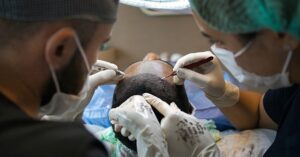
Hair Transplant Lawton Oklahoma

If you’re looking to restore your hairline and regain your confidence, look no further than Hair Transplant Lawton Oklahoma. With their team of experienced and friendly professionals, they are dedicated to providing top-notch hair transplant services that will leave you feeling like a brand new person. From consultation to post-procedure care, they guide you every step of the way, ensuring a comfortable and successful experience. Whether you’re dealing with baldness, thinning hair, or receding hairlines, Hair Transplant Lawton Oklahoma is here to help you achieve the natural-looking, full head of hair you’ve always dreamed of.

Hair Transplant Lawton Oklahoma

What is Hair Transplant?

Overview

Hair transplant is a surgical procedure that aims to restore hair growth in areas of the scalp where hair loss or thinning has occurred. It involves extracting hair follicles from a donor site, usually the back or sides of the head, and implanting them into the recipient area where hair loss has occurred. This procedure can be a viable solution for individuals experiencing pattern baldness, receding hairlines, or thinning hair.

Procedure

The hair transplant procedure typically involves several steps. First, the surgeon will administer local anesthesia to ensure that you do not feel any pain or discomfort during the surgery. Once the anesthesia has taken effect, the surgeon will proceed with harvesting the hair follicles from the donor area, which is usually done using either the follicular unit transplantation (FUT) or follicular unit extraction (FUE) techniques. After the follicles are harvested, they are carefully implanted into the recipient area using precise incisions and techniques to ensure natural-looking results.

Candidates for Hair Transplant

Hair transplant is an option for individuals who have experienced significant hair loss, thinning hair, or receding hairlines. It is important to note that not everyone is a suitable candidate for this procedure. Factors such as the extent of hair loss, the quality and quantity of available donor hair, and overall health will be considered during the evaluation process. It is advisable to consult with a qualified hair transplant surgeon to determine if you are a suitable candidate for the procedure.

Choosing a Hair Transplant Surgeon

Researching Surgeons

Selecting a skilled and experienced hair transplant surgeon is crucial to ensure the success and safety of the procedure. Researching the credentials and reputation of potential surgeons is a vital step in the selection process. Take the time to review their qualifications, certifications, and any specialized training they may have related to hair transplantation.

Credentials and Experience

When considering a hair transplant surgeon, it is important to look for credentials and experience in the field. Determine if the surgeon is board-certified and affiliated with reputable medical organizations. Additionally, inquire about their experience specifically with hair transplant procedures, including the number of surgeries they have performed and their success rates.

Word of Mouth and Reviews

One effective way to gauge a hair transplant surgeon’s reputation is by relying on word of mouth and online reviews. Seek recommendations from friends, family, or acquaintances who have undergone the procedure and inquire about their experiences. Additionally, read online reviews and testimonials from past patients to gain insights into the surgeon’s skill, professionalism, and patient satisfaction.

Factors to Consider

Cost

The cost of hair transplant procedures can vary significantly depending on several factors, including the extent of hair loss, the number of grafts required, and the technique used. It is crucial to consider the overall cost of the procedure, including pre- and post-operative expenses, when making your decision. However, it is important to prioritize the quality and expertise of the surgeon over cost alone to ensure satisfactory results.

Recovery Time

Understanding the expected recovery time is essential when considering a hair transplant. The recovery period can vary depending on the individual and the technique used, but it generally ranges from a few days to a few weeks. It is important to follow the post-operative care instructions provided by the surgeon to promote proper healing and minimize complications during the recovery process.

Potential Risks and Complications

Like any surgical procedure, hair transplant carries certain risks and potential complications. These can include infection, scarring, bleeding, or a poor aesthetic outcome. It is crucial to have a thorough discussion with your surgeon before the procedure to understand the risks involved and determine if the benefits outweigh the potential complications.

Hair Transplant Lawton Oklahoma

Different Hair Transplant Techniques

Follicular Unit Transplantation (FUT)

Follicular unit transplantation (FUT), also known as strip harvesting, involves surgically removing a strip of skin from the donor area. The hair follicles are then extracted from the strip and meticulously implanted into the recipient area. FUT is recommended for individuals who require a larger number of grafts or have a limited donor supply.

Follicular Unit Extraction (FUE)

Follicular unit extraction (FUE) is a minimally invasive hair transplant technique that involves harvesting individual hair follicles directly from the donor area using a punch device. These follicles are then implanted into the recipient area using specialized techniques. FUE is suitable for individuals who prefer a less invasive procedure, have limited hair loss, or wish to keep their hair short.

Robotic Hair Transplantation

Robotic hair transplantation is an advanced technique that utilizes robotic technology to assist with the extraction and implantation of hair follicles. This precise and automated process ensures minimal scarring and accurate placement of grafts. Robotic hair transplantations can significantly reduce surgery time and offer excellent outcomes for suitable candidates.

Preparation for Hair Transplant Procedure

Consultation with Surgeon

Before undergoing a hair transplant procedure, it is essential to schedule a consultation with a qualified hair transplant surgeon. During this consultation, the surgeon will assess your hair loss pattern, evaluate the donor area, and discuss your aesthetic goals. They will also provide information about the procedure, anticipated results, and potential risks. This consultation is an opportunity to ask any questions you may have and ensure that you are fully informed before making a decision.

Medical Evaluation

In preparation for a hair transplant procedure, a comprehensive medical evaluation may be necessary. This evaluation will assess your overall health, including any underlying medical conditions or medications that could impact the surgery or recovery process. It is important to disclose any relevant medical information to ensure the safety and success of the procedure.

Pre-operative Instructions

Your hair transplant surgeon will provide specific instructions to help you prepare for the procedure. These instructions may include guidelines regarding medications to avoid, dietary restrictions, and changes to your hair care routine. It is crucial to carefully follow these instructions to maximize the effectiveness of the procedure and reduce the risk of complications.

The Hair Transplant Procedure

Local Anesthesia

To ensure your comfort, local anesthesia will be administered before the hair transplant procedure. This anesthesia numbs the scalp and prevents any pain or discomfort during the surgery. Your surgeon will explain the anesthesia process and address any concerns you may have.

Donor Area Harvesting

The donor area, typically the back or sides of the head, is carefully prepared for harvesting. Depending on the chosen technique (FUT or FUE), the surgeon will extract individual hair follicles or a strip of scalp. The extraction process is meticulously performed to minimize potential damage to the donor area and maximize the availability of grafts.

Recipient Area Implantation

Once the hair follicles have been extracted, the surgeon will make tiny incisions in the recipient area to prepare for the implantation of the grafts. The follicles are then carefully inserted into the incisions, following the hairline and natural hair growth pattern. This precise process ensures a natural and aesthetically pleasing result.

Post-operative Care

Instructions for Care

Following the hair transplant procedure, your surgeon will provide detailed instructions for post-operative care. These instructions may include guidelines for caring for the donor and recipient areas, shampooing, avoiding strenuous activities, and medications to aid in healing and prevent infection. It is crucial to adhere to these instructions to promote proper healing and optimize the results of the procedure.

Managing Discomfort

Some discomfort or swelling may be experienced following a hair transplant surgery. Your surgeon may prescribe pain medications or recommend over-the-counter pain relievers to alleviate any discomfort. Applying ice packs to the affected areas can also help reduce swelling and discomfort during the initial stages of recovery.

Avoiding Potential Complications

To minimize the risk of complications, it is important to follow the post-operative care instructions provided by your surgeon. Avoid scratching or picking at the scalp, protect your head from sun exposure, and refrain from using styling products or undergoing any hair treatments without your surgeon’s approval. Additionally, attend all scheduled follow-up appointments to ensure proper healing and to address any concerns or questions you may have.

Results and Recovery

Initial Results

After a hair transplant procedure, it is normal to experience some shedding of the transplanted hairs in the weeks following the surgery. This shedding is a natural part of the hair growth cycle and should not cause concern. Over time, the transplanted hairs will regrow, and you will begin to notice initial results within a few months.

Long-term Growth and Appearance

The long-term success of a hair transplant procedure depends on various factors, including the surgeon’s skill, the quality of the donor hair, and proper post-operative care. With time, the transplanted hairs should continue to grow and blend seamlessly with your existing hair, creating a natural and aesthetically pleasing result. However, it is important to have realistic expectations and understand that the final outcome may take several months to fully develop.

Recovery Timeline

The recovery timeline following a hair transplant can vary from individual to individual. In the days immediately following the procedure, there may be some swelling and discomfort, which generally subsides within a week or two. Most individuals are able to resume their normal activities within a few days to a week, but it is important to avoid strenuous exercise or activities that may disrupt the newly transplanted hairs. The complete healing process and the full results of the procedure may take several months.

Hair Transplant Regulations and Licensing in Lawton, Oklahoma

State Licensing Requirements

To ensure the safety and quality of hair transplant procedures, the state of Oklahoma has specific licensing requirements for hair transplant surgeons and clinics. It is essential to verify that the surgeon you choose is licensed by the Oklahoma Medical Board or a relevant governing body.

Certifications and Associations

In addition to state licensing, hair transplant surgeons may also hold certifications or memberships in professional associations, such as the International Society of Hair Restoration Surgery (ISHRS) or the American Board of Hair Restoration Surgery (ABHRS). These memberships and certifications indicate that the surgeon has met certain standards of education, training, and ethical practice.

Finding a Legitimate Hair Transplant Clinic

When seeking a hair transplant clinic in Lawton, Oklahoma, it is crucial to ensure that the clinic is legitimate and reputable. Research the clinic’s reputation, read reviews and testimonials from past patients, and verify the qualifications and experience of the surgeons performing the procedures. Consider scheduling a consultation to assess the clinic’s facilities and to have any questions or concerns addressed before making a decision.

Hair Transplant Cost in Lawton, Oklahoma

Factors Affecting Cost

The cost of a hair transplant in Lawton, Oklahoma, can vary depending on several factors. These factors include the extent of hair loss, the number of grafts required, the technique used, and the clinic or surgeon’s reputation. It is important to consider all of these factors when determining the overall cost of the procedure.

Average Cost Range

The average cost of a hair transplant in Lawton, Oklahoma, typically ranges from a few thousand dollars to several thousand dollars. However, it is important to remember that the cost can vary based on the specific factors mentioned earlier. It is advisable to consult with a hair transplant surgeon to get a personalized estimate based on your unique needs and goals.

Financing Options

If the cost of a hair transplant procedure is a concern, many clinics offer financing options to help make the procedure more affordable. These financing options may include payment plans, credit options, or partnerships with financial institutions. Discuss financing options with your chosen hair transplant clinic to determine the best solution for your financial situation.

In conclusion, undergoing a hair transplant procedure in Lawton, Oklahoma, can provide a long-term solution for individuals experiencing hair loss, thinning hair, or receding hairlines. By choosing a skilled and experienced hair transplant surgeon, considering the associated factors, and adhering to post-operative care instructions, you can achieve natural and satisfactory results. Remember to thoroughly research the credentials and reputation of potential surgeons, consult with them to assess candidacy, and consider all the aspects of the procedure, including cost and recovery time. With the guidance of a qualified hair transplant surgeon, you can regain confidence and restore the appearance of a full head of hair.