
Hair transplant surgery is a transformative procedure that can significantly alter your appearance and boost your confidence. If you are experiencing hair loss, whether due to genetics, medical conditions, or other factors, understanding the intricacies of this surgery is essential. At its core, hair transplant surgery involves relocating hair follicles from a donor site—typically the back or sides of your head—to areas where hair is thinning or balding.
This method allows for natural hair growth in the transplanted areas, providing a long-lasting solution to hair loss. The two primary techniques used in hair transplant surgery are Follicular Unit Transplantation (FUT) and Follicular Unit Extraction (FUE). FUT involves removing a strip of scalp from the donor area, which is then dissected into individual follicular units for transplantation.
On the other hand, FUE entails extracting individual hair follicles directly from the scalp using a specialized tool. Each method has its advantages and disadvantages, and understanding these can help you make an informed decision about which approach may be best for you.
Key Takeaways
- Hair transplant surgery involves moving hair follicles from one part of the body to the balding or thinning area.
- When finding the right surgeon near Plano, TX, it’s important to consider their qualifications, experience, and track record of successful surgeries.
- A qualified hair transplant surgeon should have specialized training, certification, and a proven track record in performing hair transplant surgeries.
- The consultation process with a hair transplant surgeon should involve a thorough evaluation of the patient’s hair loss, medical history, and expectations for the procedure.
- Patients should prepare for hair transplant surgery by following the surgeon’s pre-operative instructions, which may include avoiding certain medications and alcohol.
Finding the Right Surgeon Near Plano, TX
When considering a hair transplant, finding the right surgeon is crucial to achieving the results you desire. In Plano, TX, you have access to a variety of qualified professionals, but not all surgeons are created equal. Start by researching local clinics and reading reviews from previous patients.
Look for testimonials that highlight the surgeon’s skill, bedside manner, and overall patient satisfaction. This initial research can provide valuable insights into which surgeons have a solid reputation in the community. Additionally, consider scheduling consultations with multiple surgeons to gauge their expertise and approach.
During these meetings, pay attention to how they communicate with you and whether they take the time to address your concerns. A good surgeon will not only have technical skills but will also prioritize patient education and comfort. By taking the time to find the right surgeon, you can increase your chances of a successful outcome and a positive experience throughout the process.
Qualifications and Experience of a Hair Transplant Surgeon
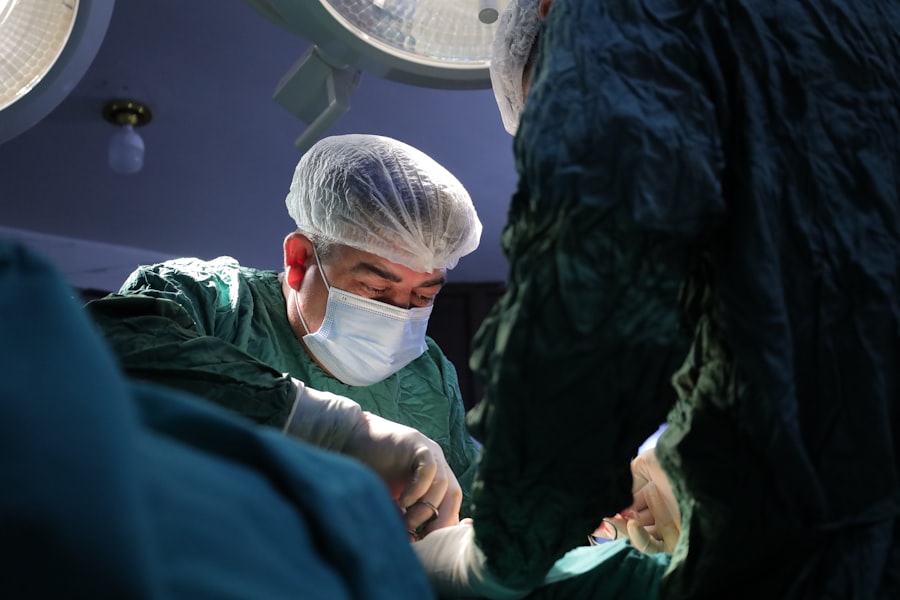
The qualifications and experience of a hair transplant surgeon are paramount in ensuring a successful procedure. When evaluating potential surgeons, check their educational background and any specialized training they have received in hair restoration techniques. Board certification in dermatology or plastic surgery can be an indicator of a surgeon’s commitment to maintaining high standards in their practice.
Experience is equally important; a surgeon who has performed numerous hair transplant procedures will likely have honed their skills and developed a keen eye for aesthetics. Ask about their success rates and request before-and-after photos of previous patients to assess their work. A seasoned surgeon will be able to provide you with realistic expectations based on their past results, helping you feel more confident in your decision.
Consultation Process with a Hair Transplant Surgeon
The consultation process is a critical step in your hair transplant journey. During this initial meeting, you will have the opportunity to discuss your hair loss concerns and goals with the surgeon. They will conduct a thorough examination of your scalp and assess your hair density, quality, and overall health.
This evaluation is essential for determining the most suitable approach for your specific situation. Moreover, this consultation is your chance to ask questions and clarify any doubts you may have about the procedure. Inquire about the techniques they use, the expected timeline for results, and any potential risks involved.
A reputable surgeon will be transparent about what you can expect and will take the time to ensure you feel comfortable with your decision moving forward.
Preparing for a Hair Transplant Surgery
Preparation for hair transplant surgery involves several important steps that can help ensure a smooth procedure and optimal results. First and foremost, follow your surgeon’s pre-operative instructions carefully. This may include avoiding certain medications, such as blood thinners or anti-inflammatory drugs, which could increase bleeding during surgery.
Additionally, you may be advised to refrain from alcohol consumption and smoking in the days leading up to your procedure. On the day of your surgery, arrive at the clinic with a clear mind and a positive attitude. Dress comfortably and avoid wearing tight-fitting hats or hairstyles that could irritate your scalp.
It’s also wise to arrange for someone to drive you home afterward, as you may feel groggy from any sedation used during the procedure. Being well-prepared can help alleviate anxiety and set the stage for a successful surgery.
The Procedure of Hair Transplant Surgery
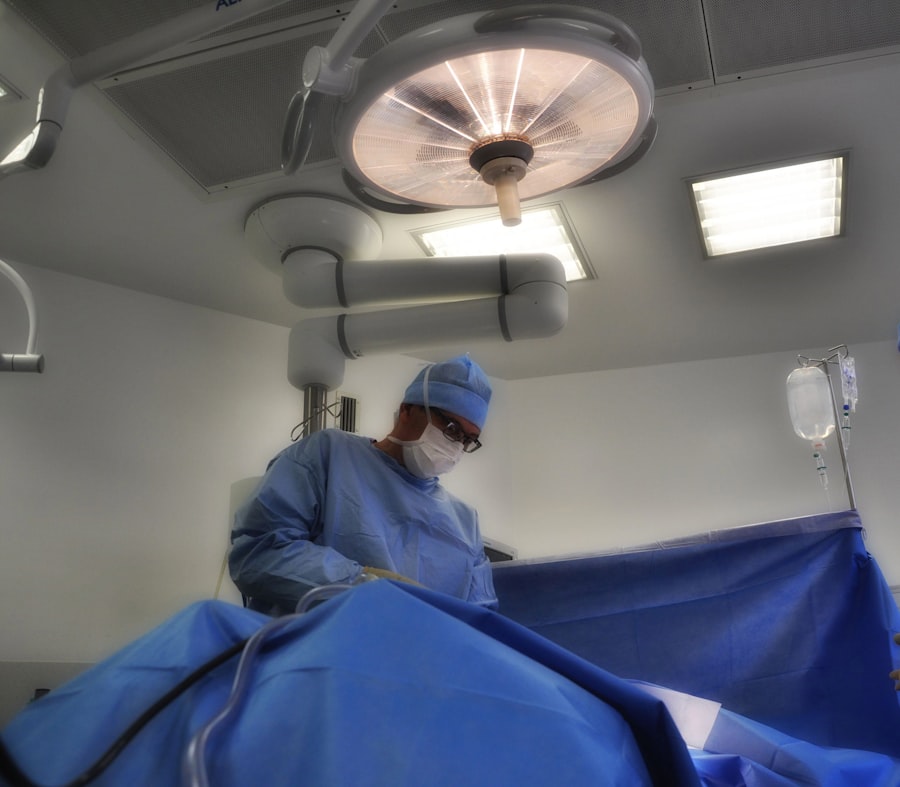
The actual hair transplant procedure can vary depending on the technique chosen but generally follows a similar structure. If you opt for FUE, the surgeon will begin by administering local anesthesia to numb the donor area before extracting individual hair follicles using a specialized tool. This process is meticulous and may take several hours, depending on the number of grafts being transplanted.
In contrast, if you choose FUT, the surgeon will remove a strip of scalp from the donor area before stitching it closed. The strip is then dissected into individual follicular units for transplantation into the thinning or balding areas of your scalp. Regardless of the method used, both procedures aim to achieve natural-looking results by carefully placing each graft at an angle that mimics natural hair growth patterns.
Recovery and Post-Operative Care
After your hair transplant surgery, recovery is an essential phase that requires attention to post-operative care instructions provided by your surgeon. Initially, you may experience some swelling, redness, or discomfort in both the donor and recipient areas; this is normal and should subside within a few days. Your surgeon may prescribe pain medication or recommend over-the-counter options to help manage any discomfort during this time.
Proper care of your scalp is crucial for optimal healing and results. You will likely be advised to avoid strenuous activities for at least a week to minimize swelling and prevent dislodging any newly transplanted grafts. Additionally, follow specific washing instructions to keep your scalp clean without disturbing the healing follicles.
Adhering to these guidelines can significantly impact your recovery process and overall satisfaction with the results.
Potential Risks and Complications
While hair transplant surgery is generally considered safe, it is essential to be aware of potential risks and complications associated with the procedure. Some common side effects include temporary swelling, bruising, or itching in the treated areas. In rare cases, patients may experience infections or poor graft survival rates if proper post-operative care is not followed.
Another potential risk is scarring at the donor site, particularly with FUT procedures where a strip of scalp is removed. However, skilled surgeons employ techniques to minimize scarring and ensure that it is as inconspicuous as possible. Discussing these risks with your surgeon during your consultation can help you make an informed decision about proceeding with the surgery.
Expected Results and Follow-Up Care
One of the most exciting aspects of undergoing a hair transplant is witnessing the transformation over time. Initially, you may notice some shedding of transplanted hairs within the first few weeks; this is normal as your scalp adjusts to the new follicles. However, after several months, you should begin to see new hair growth emerging in the treated areas.
Follow-up care is crucial for monitoring your progress and addressing any concerns that may arise post-surgery. Your surgeon will likely schedule follow-up appointments to assess healing and ensure that everything is progressing as expected. During these visits, don’t hesitate to ask questions about your results or any changes you may notice; open communication with your surgeon can enhance your overall experience.
Cost and Financing Options for Hair Transplant Surgery
The cost of hair transplant surgery can vary widely based on several factors, including the technique used, the extent of hair loss being treated, and the surgeon’s experience level. On average, patients can expect to pay anywhere from $4,000 to $15,000 for their procedure. While this investment may seem significant, many individuals find that the long-term benefits far outweigh the initial costs.
Fortunately, various financing options are available to help make hair transplant surgery more accessible. Many clinics offer payment plans or financing through third-party providers that allow you to spread out payments over time. Additionally, some health insurance plans may cover part of the cost if hair loss is related to a medical condition.
Exploring these options can help ease financial concerns as you consider this life-changing procedure.
Choosing the Best Hair Transplant Surgeon Near Plano, TX
Ultimately, choosing the best hair transplant surgeon near Plano, TX requires careful consideration of several factors. Start by compiling a list of potential candidates based on their qualifications, experience, and patient reviews. Schedule consultations with each surgeon on your list to assess their approach and determine who makes you feel most comfortable.
Trust your instincts during this process; selecting a surgeon who listens to your concerns and provides clear answers can significantly impact your overall experience. Remember that this decision is not just about finding someone with technical skills but also about establishing a partnership built on trust and communication as you embark on this transformative journey together. By taking these steps diligently, you can set yourself up for success in achieving your desired results through hair transplant surgery.
If you’re considering a hair transplant surgeon near Plano, TX, you might also be interested in learning about the innovative techniques available today. One such technique is Scalp Micropigmentation (SMP), which can complement hair transplant procedures by creating the illusion of fuller hair. For more information on this procedure, check out the article on Scalp Micropigmentation (SMP).
FAQs
What is a hair transplant surgeon?
A hair transplant surgeon is a medical professional who specializes in performing hair transplant procedures to address hair loss and balding.
What does a hair transplant procedure involve?
During a hair transplant procedure, hair follicles are harvested from a donor area (usually the back or sides of the head) and transplanted to the balding or thinning areas of the scalp.
How do I find a hair transplant surgeon near Plano, TX?
To find a hair transplant surgeon near Plano, TX, you can search online for clinics or surgeons specializing in hair restoration in the Plano area. You can also ask for recommendations from your primary care physician or dermatologist.
What qualifications should I look for in a hair transplant surgeon?
When looking for a hair transplant surgeon, it’s important to ensure that they are board-certified, have specific training and experience in hair restoration procedures, and have a track record of successful outcomes.
What questions should I ask a hair transplant surgeon during a consultation?
During a consultation with a hair transplant surgeon, you may want to ask about their experience, the specific technique they use, the expected results, potential risks and complications, and the post-operative care and recovery process.
What are the potential risks and complications of a hair transplant procedure?
Potential risks and complications of a hair transplant procedure may include infection, scarring, bleeding, and the possibility of an unsatisfactory aesthetic outcome. It’s important to discuss these risks with your surgeon before undergoing the procedure.
