
Are you tired of dealing with hair loss and thinning hair? Look no further! With Hair Transplant Jersey City New Jersey, you can regain your confidence and transform your appearance. Whether you’re struggling with male pattern baldness or female hair loss, our expert team is here to help. Using advanced techniques and state-of-the-art technology, we provide top-quality hair transplant procedures that deliver natural-looking, long-lasting results. Say goodbye to hair loss and hello to a fuller, thicker head of hair. Discover the life-changing benefits of Hair Transplant Jersey City New Jersey today!
Benefits of Hair Transplant Surgery
Improved Appearance
Hair loss can have a significant impact on your overall appearance and self-esteem. However, with hair transplant surgery, you can restore your natural hairline and fill in areas of thinning or baldness. The procedure involves transferring healthy hair follicles from the donor area to the recipient site, giving you a fuller and more youthful appearance. With the improved appearance that comes with hair transplant surgery, you can feel more confident in your overall look.
Permanent Solution
One of the significant benefits of hair transplant surgery is that it provides a permanent solution to hair loss. Unlike temporary solutions like wigs or hairpieces, hair transplant surgery ensures that the transplanted hair is your own natural hair and will continue to grow for a lifetime. The transplanted follicles are resistant to the hormone dihydrotestosterone (DHT), which is responsible for hair loss. This means that you won’t have to worry about further hair loss in the transplanted areas, giving you long-lasting results.
Natural-looking Results
Another advantage of hair transplant surgery is the ability to achieve natural-looking results. Skilled hair transplant surgeons use advanced techniques to ensure that the transplanted hair matches your existing hair in terms of color, texture, and direction of growth. With meticulous attention to detail, the transplanted hair seamlessly blends in with your existing hair, creating a natural and undetectable result. Whether you have a receding hairline, thinning hair, or complete baldness, a hair transplant can give you a natural-looking and full head of hair.
Boosted Confidence
Hair loss can negatively impact your self-confidence and overall quality of life. Many individuals who experience hair loss may feel self-conscious and avoid social situations or activities where their hair loss may be noticeable. Hair transplant surgery can help boost your confidence by significantly improving your appearance and giving you a full head of hair. With restored hair, you can feel more confident in your personal and professional life, and regain the self-assurance you may have lost due to hair loss.
Choosing the Right Clinic
Credentials and Experience
When choosing a hair transplant clinic, it is crucial to consider the credentials and experience of the surgeons. Look for clinics that have board-certified hair transplant surgeons who specialize in the procedure. Experienced surgeons will have a track record of successful cases and can provide you with before and after photos of their patients. They should also be members of reputable professional organizations related to hair restoration surgery, such as the International Society of Hair Restoration Surgery (ISHRS).
Advanced Technology and Techniques
The use of advanced technology and techniques is essential in achieving optimal results in hair transplant surgery. Look for clinics that utilize state-of-the-art equipment, such as robotic or manual extraction devices, to harvest the donor hair follicles with precision. Advanced techniques, such as Follicular Unit Extraction (FUE) or Follicular Unit Transplantation (FUT), can also ensure that the transplanted hair looks natural and grows seamlessly with your existing hair.
Client Reviews and Testimonials
Reading client reviews and testimonials can provide valuable insights into the reputation and quality of a hair transplant clinic. Look for clinics that have positive reviews from satisfied clients who have undergone successful hair transplant procedures. Pay attention to reviews that mention the clinic’s professionalism, efficiency, and the overall satisfaction of the patients. Additionally, you can ask the clinic to provide you with contact information for previous clients, so you can directly speak with them about their experience.
Cost and Payment Options
Consider the cost of the hair transplant surgery and the availability of payment options when choosing a clinic. While cost should not be the sole factor in your decision-making process, it is essential to find a clinic that offers transparent pricing without any hidden fees. Some clinics may offer financing options or payment plans to make the procedure more affordable for patients. Discussing the cost and payment options during your initial consultation will help you make an informed decision.

Initial Consultation
Evaluating Hair Loss
During the initial consultation, the hair transplant surgeon will evaluate your hair loss pattern and determine the extent of your hair loss. They will examine the donor area, typically the back or sides of the scalp, to assess the availability and quality of the hair follicles for transplantation. This evaluation will help the surgeon determine if you are a suitable candidate for a hair transplant and what type of procedure will best meet your needs.
Discussing Treatment Options
Based on the evaluation of your hair loss, the surgeon will discuss the different treatment options available to you. They will explain the pros and cons of each procedure, such as FUE or FUT, and help you understand which option will provide the most favorable results for your specific case. The surgeon will take into consideration factors such as the density of your existing hair, the desired hairline, and your individual goals to recommend the most appropriate treatment plan.
Understanding the Procedure
During the initial consultation, the surgeon will explain the hair transplant procedure in detail. They will walk you through each step of the surgery, including the extraction of hair follicles from the donor area, the creation of recipient sites, and the transplantation of the hair follicles. Understanding the procedure will help alleviate any concerns or anxieties you may have and allow you to be fully informed before making a decision.
Addressing Concerns and Questions
The initial consultation is an excellent opportunity for you to address any concerns or questions you may have regarding the hair transplant procedure. The surgeon will provide you with honest and transparent answers, ensuring that you have a thorough understanding of the risks, benefits, and recovery process. They will take the time to listen to your concerns and tailor the treatment plan to meet your individual needs and expectations.
Preparation for the Hair Transplant
Medical Evaluation
Before undergoing a hair transplant, you will undergo a thorough medical evaluation. This evaluation will assess your overall health and ensure that you are a suitable candidate for the procedure. The medical evaluation may include a review of your medical history, blood tests, and other necessary examinations to identify any underlying medical conditions that may affect the success of the hair transplant or your recovery.
Medication Adjustment
If you are taking any medications, the surgeon will provide guidance on whether you need to adjust or stop taking them before the procedure. Some medications, such as blood thinners or anti-inflammatory drugs, may interfere with the healing process or increase the risk of bleeding. It is essential to follow the surgeon’s instructions concerning medication adjustment to ensure a successful transplant and a smooth recovery.
Instructions for the Day of Surgery
The hair transplant clinic will provide you with specific instructions on how to prepare for the day of surgery. This may include guidelines on when to stop eating or drinking before the procedure, as well as instructions on how to take any prescribed medications. It is important to follow these instructions carefully to ensure that you are ready for the surgery and optimize the chances of a successful outcome.
Avoiding Certain Activities
In the days leading up to the hair transplant, it is advisable to avoid certain activities that may increase the risk of complications or impact the results of the surgery. Avoid smoking and drinking alcohol, as these can interfere with the healing process. It is also recommended to avoid excessive sun exposure, strenuous exercise, and any activities that may cause trauma to the scalp. Following these guidelines will help ensure a smooth and successful hair transplant procedure.

Hair Transplant Procedure
Donor Hair Harvesting
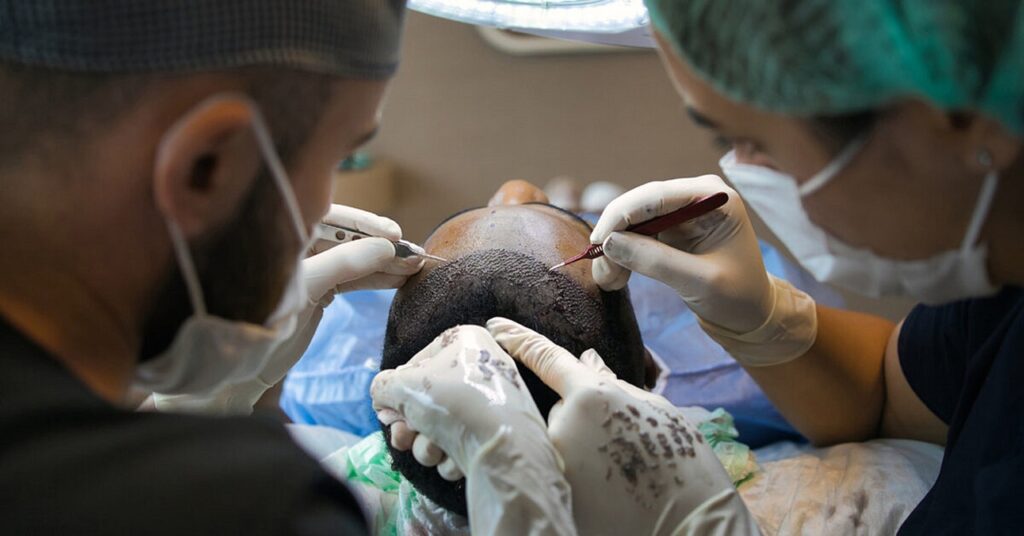
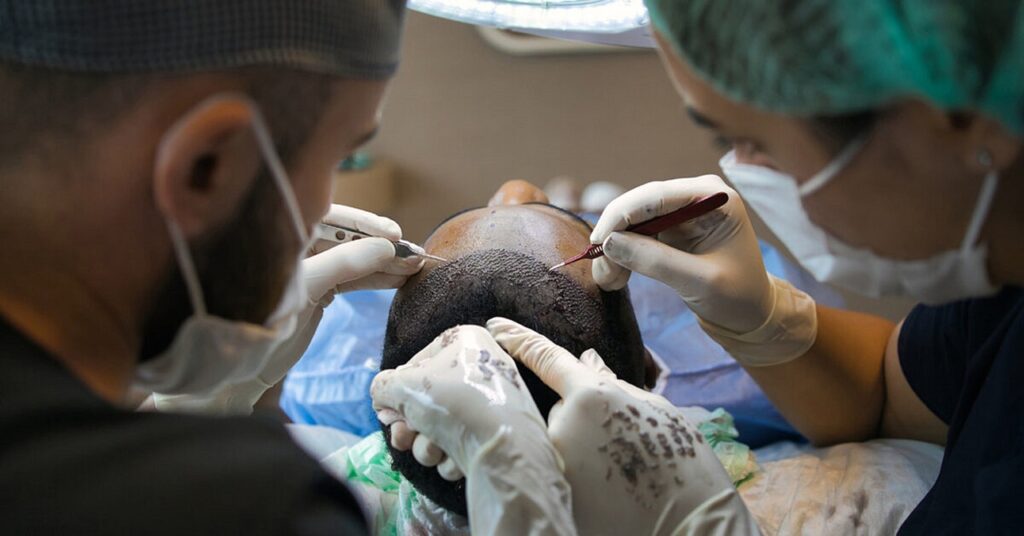
In the hair transplant procedure, the surgeon will first harvest the donor hair follicles from the back or sides of your scalp. This donor area typically has a healthy and permanent supply of hair follicles that are resistant to DHT, making them ideal for transplantation. The surgeon will use either the FUE or FUT technique to extract the hair follicles, depending on the agreed-upon treatment plan.
In the FUE technique, individual hair follicles are carefully extracted using a small punch tool. This method leaves tiny, nearly invisible scars that are easily concealed by surrounding hair. Alternatively, the FUT technique involves removing a strip of tissue containing hair follicles, which is then dissected into individual follicular units for transplantation. The choice of technique will depend on various factors, including the surgeon’s expertise and the specific needs of the patient.
Recipient Site Creation
Once the donor hair follicles have been harvested, the surgeon will create recipient sites in the areas experiencing hair loss. These recipient sites are small, shallow incisions made in the scalp where the transplanted hair follicles will be placed. The surgeon will carefully consider the angle, direction, and density of the recipient sites to ensure a natural and aesthetically pleasing result.
Hair Transplantation
After the recipient sites have been created, the surgeon will begin the process of transplanting the hair follicles into the designated areas. They will delicately place the harvested follicles into the recipient sites, taking into account the natural hair growth pattern, angle, and density. This meticulous process ensures that the transplanted hair blends seamlessly with the existing hair, providing a natural and undetectable look.
Post-Procedure Care Instructions
Following the hair transplant procedure, the surgeon will provide you with detailed post-procedure care instructions. These instructions will include guidelines on how to clean and protect the transplanted area, as well as information on any prescribed medications for pain management and to promote healing. It is crucial to follow these instructions carefully to optimize the results of the procedure and ensure a smooth recovery.
Recovery and Post-Procedure Care
Immediate Post-Procedure Care
In the immediate post-procedure period, there are a few care steps you should follow to promote healing and minimize the risk of complications. You may be instructed to avoid washing your hair for the first few days after the surgery to protect the newly transplanted follicles. Your surgeon will provide specific guidelines on when and how to begin washing your hair and applying any post-procedure care products.
Medications and Pain Management
To manage any discomfort or pain following the hair transplant, the surgeon may prescribe pain medication or recommend over-the-counter pain relievers. It is essential to strictly adhere to the prescribed medication schedule and follow the instructions provided by your surgeon. Additionally, you may be prescribed antibiotics to prevent infection, which should also be taken as directed.
Post-Transplant Care Instructions
In the weeks following the surgery, you will need to follow specific care instructions to ensure optimal healing and growth of the transplanted hair. This may include gently washing and drying the transplanted area, avoiding vigorous activities that may cause trauma to the scalp, and refraining from wearing hats or other tight headgear. Your surgeon will provide detailed instructions on how to care for the transplanted area, and it is essential to follow them closely.
Follow-Up Appointments
Following the hair transplant surgery, you will be scheduled for several follow-up appointments to monitor your progress and assess the results. These appointments allow the surgeon to track the healing process, address any concerns or questions you may have, and provide guidance on long-term care. It is crucial to attend these follow-up appointments as they are an essential part of the overall success of the hair transplant procedure.
Hair Transplant Results
Timeline and Expectations
After a hair transplant, it is important to understand that the final results will take time and gradual progress can be expected. Hair growth typically starts around three to four months after the procedure, but it can take up to 12 months or more to see the full and final results. During this time, you may experience shedding of the transplanted hair, which is a normal part of the hair growth cycle. It is important to have realistic expectations and understand that patience is key for achieving optimal results.
Growth and Shedding Phases
Hair growth following a hair transplant occurs in phases. After the transplanted hair follicles are initially placed, there is a resting phase for several weeks. This is followed by a growth phase where the transplanted hair starts to grow. Some shedding of the transplanted hair may occur after a few weeks, but this is normal and should not be a cause for concern. The shedding hair will eventually make way for new hair growth, leading to thicker and fuller hair over time.
Tips for Optimal Results
To achieve optimal results from your hair transplant, there are some tips and practices you can follow. It is essential to maintain good overall scalp health by keeping the transplanted area clean and avoiding excessive scratching or rubbing. A balanced diet rich in vitamins and minerals can also support hair growth. Protecting your hair from excessive sun exposure and avoiding smoking or alcohol can also promote healthy hair growth and overall scalp health.
Maintenance and Long-Term Care
While hair transplant surgery provides a permanent solution to hair loss, it is important to maintain and care for your transplanted hair for the long term. This may include regular check-ups with your surgeon to monitor the growth and health of the transplanted hair. Additionally, following a good hair care routine, such as gentle shampooing and conditioning, will help keep your hair and scalp healthy. Your surgeon will provide personalized recommendations for long-term care based on your unique needs.
Risks and Complications
Scarring
Like any surgical procedure, hair transplant surgery carries a risk of scarring. However, with the advancements in techniques such as FUE, the scars are typically minimal and easily concealable. The surgeon’s expertise and skill also play a crucial role in minimizing scarring. It is important to choose a skilled surgeon and follow their post-procedure care instructions to reduce the risk of excessive scarring.
Infections
Infections are a potential risk following any surgical procedure, including hair transplant surgery. However, with proper sterile techniques and post-procedure care, the risk of infection is usually minimal. To further reduce the risk, you should follow your surgeon’s guidelines on cleaning and caring for the transplanted area. If you notice any signs of infection, such as increased redness, swelling, or discharge, it is important to contact your surgeon immediately.
Bleeding
Bleeding is a common risk during and immediately after the hair transplant procedure. However, trained medical professionals will take steps to control bleeding and ensure your safety throughout the process. It is important to follow any pre-procedure instructions, such as avoiding blood-thinning medications or supplements, to minimize the risk of excessive bleeding. If you experience prolonged or excessive bleeding, it is essential to seek immediate medical attention.
Unnatural-looking Results
While hair transplant surgery aims to achieve natural-looking results, there is a small risk of unnatural-looking outcomes. This can occur if the surgeon does not have the necessary skills or experience to create a natural hairline or if the density and placement of the transplanted hair are not done correctly. Choosing a reputable and experienced surgeon who specializes in hair transplant surgery can help minimize the risk of unnatural results.
Hair Transplant Cost and Insurance
Factors Affecting Cost
The cost of a hair transplant can vary depending on several factors. These include the geographic location of the clinic, the extent of hair loss, the number of follicles to be transplanted, the chosen technique (FUE or FUT), and the overall complexity of the procedure. A personal consultation with the surgeon will provide a more accurate estimate of the cost based on your specific case.
Insurance Coverage
In general, hair transplant surgery is considered a cosmetic procedure and is not typically covered by insurance. Insurance companies typically do not cover procedures that are deemed to be elective or for aesthetic purposes. However, it is always advisable to check with your insurance provider to understand their specific policy regarding hair transplant surgery and if any coverage or reimbursement may be available under certain circumstances.
Financing Options
To make hair transplant surgery more accessible and affordable, many clinics offer financing options. These options may include payment plans or financing through third-party providers. Financing allows you to spread the cost of the procedure over a period of time, making it more manageable for your budget. When considering financing options, it is important to review the terms and interest rates to ensure they are favorable for your individual needs.
Comparing Price Quotes
When researching hair transplant clinics, it is important to obtain price quotes from multiple clinics. While cost should not be the sole determining factor in choosing a clinic, it is essential to consider the price in relation to the quality of care and the experience of the surgeons. When comparing price quotes, make sure to ask about any additional fees that may not be included in the initial quote to avoid any unexpected expenses later on.
Hair Transplant FAQs
Who is a good candidate for a hair transplant?
Good candidates for hair transplant surgery are individuals experiencing hair loss or thinning hair who have sufficient hair in the donor area for transplant. The donor area is usually the back or sides of the scalp. During the initial consultation, the surgeon will evaluate your hair loss pattern and determine if you have enough suitable hair follicles for transplantation. Factors such as overall health, age, and expectations will also be taken into consideration when determining candidacy.
Are hair transplants painful?
Hair transplant surgery is typically performed under local anesthesia, ensuring that you do not experience pain during the procedure. However, some patients may experience mild discomfort or soreness after the surgery, but this can be managed with over-the-counter pain medication prescribed by the surgeon. Each patient’s pain tolerance may vary, but overall, hair transplant surgery is considered to be a relatively comfortable and well-tolerated procedure.
How long does the procedure take?
The duration of a hair transplant procedure can vary depending on the complexity and extent of the surgery. Generally, a typical hair transplant session can take anywhere from several hours to a full day. The surgeon will be able to provide you with a more accurate estimate of the duration based on your individual case during the initial consultation. It is important to allocate enough time for the procedure and plan accordingly.
What is the success rate of hair transplant surgery?
Hair transplant surgery has a high success rate in providing natural-looking and permanent results. The success of the procedure can be influenced by factors such as the expertise of the surgeon, the quality of the donor hair, and the patient’s adherence to post-procedure care instructions. A skilled and experienced surgeon will be able to provide you with a realistic expectation of the success rate based on your specific case during the initial consultation.
