

Are you tired of dealing with hair loss and feeling self-conscious about your appearance? Look no further than Hair Transplant Jackson Mississippi for a solution to your hair loss woes. Our experienced team of professionals is dedicated to helping you regain your confidence and achieve natural-looking, long-lasting results. With our state-of-the-art techniques and personalized approach, we can restore your hairline and give you the full head of hair you’ve always dreamed of. Say goodbye to thinning hair and hello to a new, improved you with Hair Transplant Jackson Mississippi.
What is a Hair Transplant?
Definition of Hair Transplant
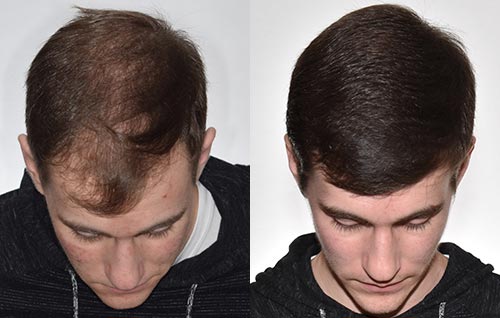
A hair transplant is a surgical procedure that involves the extraction of hair follicles from one part of your body, typically the back or sides of your head, and transplanting them to an area experiencing hair loss or thinning. This procedure is used to restore hair growth in areas where balding or thinning has occurred.
History of Hair Transplants
The concept of hair transplantation dates back to the 1930s when Japanese dermatologist Dr. Shoji Okuda performed the first hair transplant procedure to treat hair loss due to burns. However, it was in the 1950s that modern hair transplantation techniques began to emerge, pioneered by Dr. Norman Orentreich. Since then, the field of hair transplantation has seen significant advancements, resulting in more natural-looking and successful outcomes for patients.
Choosing the Right Hair Transplant Surgeon
Importance of Research
When considering a hair transplant, it is crucial to conduct thorough research to find a skilled and reputable hair transplant surgeon. Take the time to explore various clinics, read reviews, and gather information about the surgeons’ expertise and qualifications. Your hair transplant surgeon should be experienced, knowledgeable, and have a proven track record of successful procedures.
Credentials and Experience
One of the most critical factors to consider when choosing a hair transplant surgeon is their credentials and experience. Look for surgeons who are board-certified and have specialized training in hair restoration. Additionally, consider how long they have been performing hair transplant procedures and whether they regularly participate in continuing education and training to stay updated on the latest techniques and advancements in the field.
Patient Reviews and Testimonials
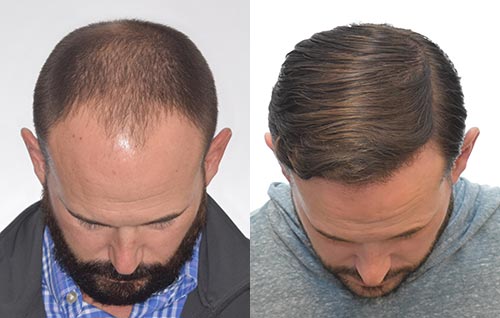
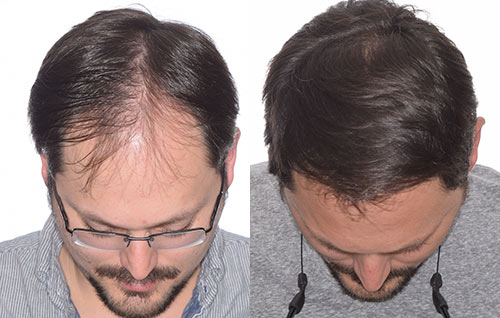
Reading patient reviews and testimonials can provide valuable insights into the experiences of others who have undergone hair transplant procedures. Look for reviews that highlight positive outcomes, natural-looking results, and overall satisfaction with the surgeon and clinic. It is also beneficial to view before and after photos of past patients to assess the quality and consistency of the surgeon’s work.
Types of Hair Transplant Procedures
Follicular Unit Transplantation (FUT)
Follicular Unit Transplantation (FUT) is a hair transplant technique that involves surgically removing a strip of hair-bearing scalp from the donor area, typically the back of the head. The strip is then dissected into individual follicular units and transplanted into the recipient area. FUT allows for the transplantation of a large number of grafts in a single session, making it suitable for patients with extensive hair loss.
Follicular Unit Extraction (FUE)
Follicular Unit Extraction (FUE) is a more advanced hair transplant technique that involves extracting individual hair follicles directly from the donor area using a specialized punching device. Unlike FUT, FUE does not require the removal of a strip of scalp. This results in smaller, less noticeable scars and a quicker recovery time. FUE is a suitable option for patients who prefer a minimally invasive procedure and have limited hair loss.
Robotic Hair Transplantation
Robotic Hair Transplantation is a state-of-the-art technique that utilizes advanced robotics and artificial intelligence to assist in the hair transplant procedure. The robotic system precisely extracts and implants hair follicles, ensuring a high level of precision and accuracy. This technique offers increased efficiency and reduces the risk of human error, resulting in enhanced outcomes and a faster recovery time.
Preparing for a Hair Transplant
Consultation with the Surgeon
Before undergoing a hair transplant, it is essential to schedule a consultation with your chosen surgeon. During this consultation, the surgeon will evaluate your hair loss pattern, determine the extent of transplantation required, and discuss suitable options for you. This is also an opportunity for you to ask any questions or express any concerns you may have about the procedure.
Medical Evaluation and Testing
Prior to the hair transplant procedure, your surgeon will conduct a comprehensive medical evaluation to ensure that you are in good health and a suitable candidate for surgery. This may include blood tests, a review of your medical history, and a physical examination. Additional testing, such as a scalp biopsy or trichoscopy, may be performed to assess the condition of your hair follicles and determine the best approach for transplantation.
Preparation Guidelines
Your hair transplant surgeon will provide you with specific guidelines to follow in the days leading up to your procedure. These may include avoiding certain medications that can interfere with the surgery, refraining from smoking or drinking alcohol, and washing your hair with a special shampoo to ensure a clean and sterile surgical site. It is crucial to follow these preparation guidelines closely to optimize the success of your hair transplant.
The Hair Transplant Procedure
Local Anesthesia
Before the hair transplant procedure begins, the surgeon will administer local anesthesia to ensure your comfort throughout the surgery. Local anesthesia numbs the scalp, making the procedure virtually painless. Your surgeon will discuss the anesthesia options with you during the consultation to determine the most appropriate choice for your comfort and safety.
Donor Hair Extraction
In FUT, the surgeon will harvest a strip of hair-bearing scalp from the donor area. This strip is then divided into individual follicular units under a microscope. In FUE, individual hair follicles are extracted using a small, specialized punching device. Both techniques ensure minimal damage to the donor area and preserve the integrity of the hair follicles for transplantation.
Recipient Area Preparation
Once the donor hair has been extracted, the surgeon will carefully prepare the recipient area for transplantation. This involves creating tiny incisions or recipient sites where the hair follicles will be placed. The surgeon strategically plans the placement and direction of these sites to ensure a natural-looking result and optimal hair growth.
Hair Transplantation Process
The hair transplantation process involves placing the extracted hair follicles into the recipient sites on the scalp. The surgeon meticulously implants each graft into the designated area, taking into consideration the density, angle, and direction of the existing hair. This requires precision and artistry to achieve an aesthetically pleasing and natural-looking hairline.
Recovery and Healing Process
Post-Procedure Care Instructions
Following the hair transplant procedure, your surgeon will provide you with detailed post-operative care instructions. These instructions usually include guidelines for washing your hair, avoiding strenuous activities, and taking prescribed medications to prevent infection and promote healing. It is essential to adhere to these instructions to ensure optimal healing and minimize the risk of complications.
Potential Side Effects and Complications
While hair transplantation is generally considered safe and has a high success rate, there are potential side effects and complications to be aware of. These can include swelling, bruising, itching, and temporary shock loss, where transplanted hair falls out before regrowth occurs. Serious complications are rare but can include infection, scarring, or unnatural-looking results. Your surgeon will discuss these risks with you during the consultation.
Healing Timeline
The healing process after a hair transplant varies for each individual. In general, the initial healing period takes about one to two weeks, during which scabs and crusts may form around the transplanted hair. These will gradually resolve, and new hair growth will begin within a few months. Significant improvement in hair density and thickness can typically be observed within six to twelve months following the procedure.
Expected Results and Outcome
Hair Growth Expectations
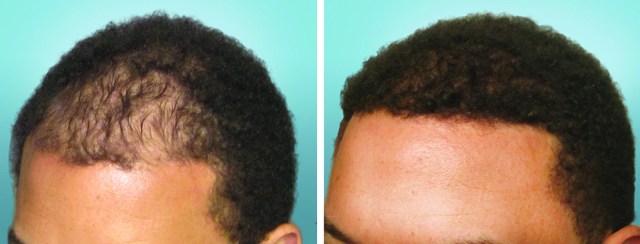
Hair transplant results are not immediate as it takes time for the transplanted hair follicles to establish blood supply and grow. Typically, new hair growth begins within two to three months, and you can expect to see significant improvement and natural-looking results within six to twelve months. Patience is key during this time as the hair growth process takes time.
Fullness and Density
The goal of a hair transplant is to restore fullness and density to areas affected by hair loss. While the exact outcome may vary depending on individual factors such as hair quality and density, most patients experience a substantial improvement in hair fullness and density. Your surgeon will work closely with you to achieve your desired results and create a natural-looking hairline that complements your facial features.
Natural Appearance
A successful hair transplant should result in a natural appearance that seamlessly blends with your existing hair. Skilled surgeons take into account various factors, such as hairline design, hair angle, and direction, to ensure that the transplanted hair matches your natural growth pattern. With advancements in techniques and technology, hair transplants have become increasingly natural-looking, making it difficult for others to determine if you have undergone the procedure.
Cost of Hair Transplant
Factors Affecting the Cost
The cost of a hair transplant can vary depending on several factors, including the extent of hair loss, the number of grafts required, the surgeon’s expertise, and the location of the clinic. Generally, hair transplants are priced per graft, with each graft containing one to four hair follicles. It is essential to consult with your surgeon to determine the cost based on your individual needs and goals.
Financing and Payment Options
Many hair transplant clinics offer financing options to help make the procedure more affordable. This can include monthly installment plans or financing through third-party providers. Additionally, some clinics may offer discounts or promotions for specific procedures or package deals. Explore the available payment options and discuss them with your surgeon to find a solution that works best for you.

Risks and Limitations of Hair Transplantation
Thinning of Donor Area
During the hair transplant procedure, hair follicles are taken from the donor area, which is typically the back or sides of the head. In some cases, there may be thinning or reduced hair density in the donor area due to the extraction process. However, skilled surgeons carefully plan the extraction to minimize any noticeable changes to the donor area’s appearance.
Limited Donor Supply
The success of a hair transplant relies heavily on the availability of a sufficient donor supply. The number of hair follicles that can be transplanted depends on the density and quality of your donor area. If you have extensive hair loss or inadequate donor supply, it may limit the amount of hair that can be transplanted. Your surgeon will assess your donor area during the consultation to determine the feasibility of the procedure.
Unpredictable Hair Growth Pattern
While hair transplantation aims to restore natural hair growth, the outcome can be influenced by several factors, including genetics and the natural hair growth pattern. It is important to have realistic expectations and understand that the transplanted hair may not have the exact texture, color, or growth pattern as your original hair. However, skilled surgeons strive to create a result that appears as natural as possible.
Alternatives to Hair Transplant
Medications
Medications, such as finasteride and minoxidil, can be prescribed to help slow down or prevent further hair loss. These medications work by blocking the production of a hormone called dihydrotestosterone (DHT), which is responsible for shrinking hair follicles. While medications can be effective for some individuals, they do not typically restore hair growth in areas where significant hair loss has occurred.
Topical Treatments
Topical treatments, such as topical minoxidil or low-level laser therapy (LLLT), can be used to stimulate hair growth and improve the thickness and quality of existing hair. These treatments are applied directly to the scalp and can help slow down the progression of hair loss and promote healthier hair growth. However, like medications, topical treatments may not be effective in areas with substantial hair loss.
Hairpieces and Wigs
For those who prefer a non-surgical approach or have limited donor supply, hairpieces and wigs are popular alternatives to hair transplant procedures. These options can provide instant results and allow for a customizable appearance. Modern hairpieces and wigs are designed to look natural and can be styled to match your desired look. It is important to find a reputable provider who can create a custom piece that fits comfortably and looks natural.
In conclusion, a hair transplant is a viable solution for individuals experiencing hair loss or thinning. By choosing the right surgeon and understanding the different procedures and techniques available, you can achieve natural-looking and long-lasting results. It is important to research and consider all options, as well as the potential risks and limitations, before making a decision. Remember to consult with a qualified hair transplant surgeon who can provide personalized recommendations based on your specific needs and goals. With the advancements in hair transplant technology and techniques, regaining your confidence and restoring your hair is well within reach.
