
Are you tired of dealing with hair loss and thinning hair? Look no further than Hair Transplant Irvine California. This renowned clinic specializes in providing effective and natural-looking hair transplant solutions to restore your hair and boost your confidence. With their team of skilled professionals, state-of-the-art technology, and personalized approach, you can trust that you’re in good hands. Say goodbye to insecurities and hello to a fuller, thicker head of hair with Hair Transplant Irvine California.
1. What is Hair Transplant?
1.1 Definition
Hair transplant is a surgical procedure that involves the extraction of hair follicles from one part of the body, typically the back of the head, and transplanting them into areas of the scalp that are experiencing hair loss or thinning. This procedure is performed to restore hair in individuals who are experiencing pattern baldness or have lost hair due to injury or medical conditions. Hair transplant is an effective and long-term solution to combat hair loss and provides natural-looking results.
1.2 Procedure
Hair transplant procedures generally involve the following steps:
-
Donor Hair Extraction: The surgeon carefully removes hair follicles from the donor area, usually the back of the head, using either the Follicular Unit Transplantation (FUT) technique or the Follicular Unit Extraction (FUE) technique.
-
Recipient Site Creation: Small incisions or holes are created in the recipient area where the hair follicles will be implanted.
-
Graft Placement: The harvested hair follicles are then carefully placed into the recipient sites, ensuring proper angulation and density to achieve natural-looking results.
The entire procedure is performed under local anesthesia, ensuring minimal discomfort for the patient. The duration of the procedure may vary depending on the extent of hair loss and the number of grafts required.
2. Why choose Hair Transplant in Irvine?
2.1 Technological Advancements
Irvine is renowned for its advanced technology in the field of hair transplant. Clinics in Irvine utilize state-of-the-art equipment and techniques to ensure the best possible results for their patients. From advanced hair extraction techniques to modern graft placement methods, the technological advancements in Irvine’s hair transplant clinics ensure a more efficient and effective procedure.
2.2 Experienced Surgeons
Hair transplant clinics in Irvine are home to highly experienced and skilled surgeons who specialize in hair restoration. These surgeons have years of experience in performing successful hair transplant procedures and have a deep understanding of the intricacies involved in restoring natural hair growth. With their expertise, you can be confident that you are in capable hands.
2.3 Competitive Pricing
Despite the technological advancements and experienced surgeons, hair transplant clinics in Irvine offer competitive pricing. The clinics understand the importance of affordability for their patients and strive to provide high-quality services at reasonable prices. This makes hair transplant in Irvine an excellent option for individuals seeking a cost-effective solution to their hair loss.
2.4 Convenient Location
Irvine is known for its convenient location within California. With its close proximity to major cities and easy accessibility, getting to a hair transplant clinic in Irvine is hassle-free. Whether you reside in Irvine or are traveling from nearby areas, you can easily reach the clinics without the need for extensive travel or accommodations.
3. Understanding Hair Loss
3.1 Causes of Hair Loss
Hair loss can be attributed to various factors, including genetics, hormonal changes, medical conditions, and certain medications. The most common cause of hair loss is androgenetic or pattern baldness, which is predominantly influenced by genetics. Understanding the underlying cause of hair loss plays a crucial role in determining the appropriate treatment, including whether a hair transplant is suitable.
3.2 Types of Hair Loss
Hair loss can manifest in different ways, and understanding the different types is essential in addressing the specific concerns. The two most common types of hair loss are male pattern baldness (androgenetic alopecia) and female pattern hair loss. Other types include alopecia areata (patchy hair loss), telogen effluvium (temporary hair shedding), and traction alopecia (caused by hairstyles that exert tension on the hair).
3.3 Psychological Impact of Hair Loss
Hair loss can have a significant psychological impact on individuals, affecting their self-esteem, confidence, and overall well-being. Many people experiencing hair loss may feel self-conscious about their appearance, leading to reduced social interactions and decreased quality of life. Hair transplant procedures in Irvine aim to counter these psychological effects by restoring natural hair growth and boosting self-confidence.
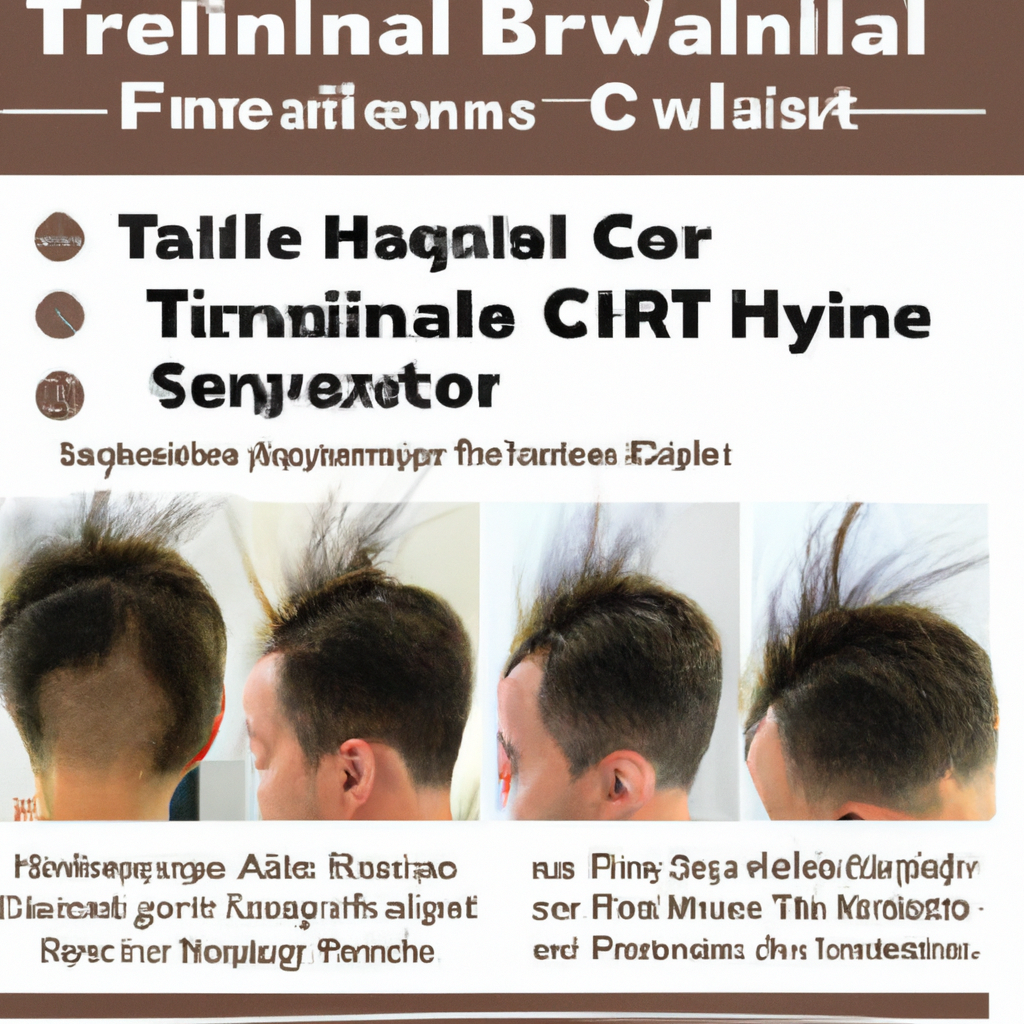
4. Hair Transplant Techniques
4.1 Follicular Unit Transplantation (FUT)
Follicular Unit Transplantation (FUT), also known as strip harvesting, involves surgically removing a strip of skin from the donor area and then dissecting it into individual hair follicles. This technique is ideal for individuals with larger areas of hair loss and allows for the transplantation of a higher number of grafts in a single session.
4.2 Follicular Unit Extraction (FUE)
Follicular Unit Extraction (FUE) involves individually extracting hair follicles from the donor area using a micro punch tool. This technique leaves no linear scar and offers precise control over the placement of grafts. FUE is suitable for individuals with smaller areas of hair loss or those who prefer shorter haircuts.
4.3 Direct Hair Implantation (DHI)
Direct Hair Implantation (DHI) is an advanced technique in hair transplantation that involves the use of a Choi implanter pen to directly implant the harvested hair follicles into the recipient sites. DHI provides improved control over graft placement, reduces the risk of damage to the follicles, and ensures a higher survival rate of transplanted hair follicles.
5. Preparing for a Hair Transplant
5.1 Consultation and Evaluation
Before undergoing a hair transplant procedure, it is essential to schedule a consultation with a hair transplant specialist in Irvine. During this consultation, the surgeon will assess your hair loss pattern, evaluate the donor hair availability, discuss your expectations, and determine the most suitable treatment plan for you. It is crucial to provide accurate information about your medical history, current medications, and any pre-existing conditions to ensure a safe procedure.
5.2 Pre-Procedure Instructions
In the weeks leading up to the hair transplant procedure, the clinic will provide you with specific instructions to follow. These instructions may include avoiding certain medications, alcohol, and smoking, as well as discontinuing the use of blood-thinning substances. It is important to carefully adhere to these instructions to minimize the risk of complications and ensure the best possible results.
6. Hair Transplant Procedure
6.1 Administration of Anesthesia
Before the hair transplant procedure begins, local anesthesia will be administered to numb both the donor and recipient areas. The anesthesia ensures that you remain comfortable throughout the procedure and experience minimal pain or discomfort.
6.2 Donor Hair Extraction
Following the administration of anesthesia, the surgeon will proceed with the extraction of hair follicles from the donor area. Depending on the technique chosen (FUT or FUE), the surgeon will carefully extract individual follicular units or remove a strip of skin containing multiple follicular units.
6.3 Recipient Site Creation
Once the donor hair extraction is complete, the surgeon will create small incisions or holes in the recipient area. These sites are strategically designed to mimic the natural pattern and density of hair growth, ensuring a seamless and aesthetically pleasing result.
6.4 Graft Placement
After the recipient sites are created, the surgeon will begin placing the extracted hair follicles into the designated areas. The transplanted hair follicles are meticulously placed to achieve the desired density and natural-looking hairline. The surgeon’s expertise in graft placement is crucial in determining the final outcome of the hair transplant procedure.
7. Recovery and Post-Procedure Care
7.1 Immediate Post-Procedure Period
Following the hair transplant procedure, there may be mild swelling, redness, and discomfort in the treated areas. However, these side effects are generally temporary and subsist within a few days. The clinic will provide post-operative care instructions, including guidelines for pain management, the use of prescribed medications, and specific measures to protect the newly transplanted hair follicles.
7.2 Follow-Up Appointments
Post-operative follow-up appointments are essential to monitor the progress of the hair transplant and ensure proper healing. During these appointments, the surgeon will assess the transplanted hair follicles, address any concerns or questions, and provide guidance on post-procedure care and maintenance.
7.3 Post-Procedure Care Instructions
To maximize the success of the hair transplant and promote proper healing, it is crucial to follow the post-procedure care instructions provided by the clinic. These instructions may include avoiding strenuous activities, protecting the scalp from excessive sun exposure, gently washing the scalp as instructed, and using prescribed medications or topical solutions as recommended. Adhering to these instructions will help achieve optimal results.
8. Results and Expectations
8.1 Timeline for Hair Growth
Hair transplant results are not immediately visible, as the transplanted hair follicles undergo a normal shedding phase and then gradually start growing new hair. Typically, significant hair growth can be expected within 3 to 6 months after the procedure, with full results becoming evident within 12 to 18 months. Patience is key during this period, as the hair will gradually thicken and strengthen over time.
8.2 Maintenance and Additional Treatments
To maintain the results of the hair transplant and optimize hair growth, it is important to follow a comprehensive aftercare plan provided by the clinic. This may include specific hair care instructions, recommended dietary changes, and the use of prescribed medications or hair growth products. Additionally, some individuals may choose to undergo additional treatments, such as PRP (Platelet-Rich Plasma) therapy or laser therapy, to further enhance hair growth and thickness.
9. Potential Risks and Complications
9.1 Infection
Although rare, the risk of infection exists with any surgical procedure. It is essential to follow the post-procedure care instructions provided by the clinic to minimize the risk of infection. In case of any signs of infection, such as increased redness, swelling, or discharge, it is crucial to contact the clinic immediately for further guidance.
9.2 Scarring
With the FUT technique, a linear scar may be present at the donor site. However, experienced surgeons in Irvine use advanced closure techniques to minimize the visibility of the scar. With the FUE and DHI techniques, scarring is generally minimal and not easily noticeable.
9.3 Bleeding
Bleeding during or after the hair transplant procedure is uncommon. The surgeon takes precautions, such as administering local anesthesia and using specialized tools, to minimize the risk of bleeding. However, it is important to inform the clinic if excessive bleeding occurs to receive appropriate medical attention.
9.4 Poor Hair Growth
In some cases, not all transplanted hair follicles may achieve proper growth. Poor hair growth can occur due to various factors, including inadequate blood supply to the transplanted follicles, improper graft placement, or pre-existing medical conditions. If poor hair growth persists beyond the expected timeline, a consultation with the hair transplant clinic can help identify the underlying cause and explore potential solutions.
10. Choosing a Hair Transplant Clinic in Irvine
10.1 Research and Reviews
When choosing a hair transplant clinic in Irvine, it is essential to conduct thorough research and read reviews from previous patients. Look for clinics with a positive reputation, experienced surgeons, and a track record of successful hair transplant procedures. Online platforms, forums, and social media can provide valuable insights into the quality of service and patient satisfaction.
10.2 Consultation and Evaluation
Before deciding on a specific clinic, schedule consultations with different clinics in Irvine. This will allow you to meet the surgeons, assess their expertise and professionalism, and discuss your goals and expectations. A thorough evaluation during the consultation stage will help you determine if the clinic and surgeon are the right fit for you.
10.3 Facility and Equipment
Visit the clinic’s facility before making a final decision. Ensure that the clinic maintains a clean and sterile environment, adheres to industry standards, and utilizes modern equipment and technology. A well-maintained facility indicates the clinic’s commitment to patient safety and providing high-quality care.
10.4 Surgeon’s Credentials
Check the credentials and qualifications of the hair transplant surgeon. Look for certifications or memberships in relevant professional organizations, as these indicate their dedication to their field. Additionally, inquire about their experience and the number of hair transplant procedures they have performed. Choosing a surgeon with a solid educational background and ample experience can give you confidence in their ability to deliver satisfactory results.
In conclusion, hair transplant in Irvine offers a cutting-edge solution for individuals experiencing hair loss. With advanced technology, experienced surgeons, competitive pricing, and a convenient location, Irvine clinics provide an ideal environment for successful hair restoration. Understanding the causes and types of hair loss, along with the available transplant techniques, is essential in making an informed decision. By choosing a reputable hair transplant clinic and following proper pre- and post-procedure care, individuals can achieve natural-looking results and regain their confidence with a fuller head of hair.
