
Menu Close

Author: Staff_14682

Hair Transplant Oceanside California

Are you tired of dealing with thinning hair or bald spots? Look no further than Hair Transplant Oceanside California! Our expert team of hair transplant specialists is dedicated to helping you achieve the full, luscious hair you’ve always dreamed of. With state-of-the-art technology and personalized treatment plans, we offer the most effective solutions for hair restoration. Say goodbye to hats and hairpieces and say hello to a confident, new you. Let us transform your hair and boost your self-esteem. Trust Hair Transplant Oceanside California to bring back your beautiful mane.

Hair Transplant Oceanside California

What is Hair Transplant?

Hair transplant is a surgical procedure that involves the transplantation of hair follicles from one part of the body, known as the donor site, to another part, known as the recipient site. It is primarily used to treat hair loss in both men and women, and can effectively restore hair growth in areas where it has become thin or bald.

Benefits of Hair Transplant

Improved Appearance

One of the main benefits of hair transplant is the significant improvement in appearance that it offers. Hair loss can greatly impact a person’s confidence and self-esteem, and a hair transplant can help restore a full head of hair, resulting in a more youthful and attractive appearance. The transplanted hair looks natural and blends seamlessly with the existing hair, giving a smooth and consistent look.

Boosted Self-Confidence

Hair loss can have a negative impact on a person’s self-confidence and self-image. By restoring a full head of hair, a hair transplant can boost self-confidence and improve overall well-being. It allows individuals to feel more comfortable in their own skin and regain their self-assurance, leading to a happier and more fulfilling life.

Permanent Solution

Unlike other hair loss treatments that may only offer temporary results, a hair transplant provides a permanent solution. The transplanted hair is resistant to the hormone that causes hair loss, which means that it will continue to grow naturally and won’t fall out again. This eliminates the need for ongoing treatments and allows individuals to enjoy a lifetime of natural hair growth.

Natural-Looking Results

One of the key advantages of modern hair transplant techniques is the ability to achieve natural-looking results. The transplanted hair is carefully placed and angled to mimic the natural growth pattern and density of the existing hair. This ensures that the results are seamless and undetectable, even upon close inspection. The hairline is also carefully designed to match the individual’s facial features, resulting in a truly natural appearance.

Choosing the Right Hair Transplant Clinic

When considering a hair transplant, it is crucial to choose the right clinic to ensure optimal results. Here are some factors to consider when making your decision:

Reputation and Experience

Look for a hair transplant clinic with a strong reputation and extensive experience in performing successful hair transplants. Read reviews and testimonials from previous clients to get an idea of their level of satisfaction. Additionally, consider researching the credentials and expertise of the clinic’s surgeons to ensure that they have the necessary skills to deliver excellent results.

Qualifications and Credentials

Verify the qualifications and credentials of the clinic’s surgeons. Ensure that they are board-certified and have undergone specialized training in hair transplant procedures. This is important to ensure that you are in the hands of skilled professionals who adhere to the highest standards of safety and quality.

State-of-the-Art Technology

Choose a clinic that utilizes state-of-the-art technology and equipment for hair transplant procedures. Advanced technology can greatly enhance the precision and effectiveness of the procedure, resulting in superior outcomes. Look for clinics that invest in the latest tools and techniques to ensure the best possible results for their patients.

Excellent Client Testimonials

Pay attention to the feedback and testimonials from previous clients of the hair transplant clinic. Look for positive reviews and success stories that demonstrate the clinic’s ability to deliver satisfactory results. A good clinic will have a portfolio of before-and-after photos showcasing the transformations they have achieved for their patients.

Hair Transplant Oceanside California

Hair Transplant Procedure

Understanding the hair transplant procedure can help alleviate any concerns or uncertainties you may have. Here is a breakdown of the key steps involved:

Initial Consultation

The first step in the hair transplant process is an initial consultation with a qualified surgeon. During this consultation, the surgeon will evaluate your hair loss condition, assess your candidacy for the procedure, and discuss your goals and expectations. They will then recommend the most suitable technique and explain the procedure in detail.

Follicular Unit Extraction (FUE)

Follicular Unit Extraction, or FUE, is a minimally invasive hair transplant technique. It involves the extraction of individual hair follicles from the donor site using a specialized punch tool. The surgeon carefully extracts the follicles, ensuring minimal damage to the surrounding tissue. The follicles are then implanted into the recipient site, where they will continue to grow naturally.

Follicular Unit Transplantation (FUT)

Follicular Unit Transplantation, or FUT, is another hair transplant technique that involves the removal of a strip of skin from the donor site. The strip is then dissected into individual grafts, which are implanted into the recipient site. FUT is suitable for patients who require a larger number of grafts and can achieve excellent results.

Post-Surgery Care

After the hair transplant surgery, proper post-surgery care is crucial to ensure successful healing and optimal results. The surgeon will provide detailed instructions on how to care for the transplanted hair and scalp. This may include specific medications, special shampoo, and avoiding certain activities that may disrupt the healing process. Following these instructions diligently will play a significant role in the overall success of your hair transplant.

Preparation for Hair Transplant Surgery

Preparing for a hair transplant surgery is important to ensure a smooth procedure and minimize the risk of complications. Here are some essential steps to take:

Medical Evaluation

Before undergoing a hair transplant, you will need to undergo a thorough medical evaluation. This evaluation will help determine your overall health and identify any potential risks or contraindications. The surgeon will review your medical history, perform necessary tests, and ensure that you are fit for surgery.

Avoiding Certain Medications

Prior to the surgery, it is important to avoid certain medications that may interfere with the procedure or increase the risk of bleeding. These may include blood-thinning medications, aspirin, and nonsteroidal anti-inflammatory drugs (NSAIDs). Your surgeon will provide a comprehensive list of medications to avoid and guide you on alternative options if needed.

Quit Smoking

Smoking can significantly affect the healing process and the success of your hair transplant. It is important to quit smoking at least a few weeks before the surgery to minimize the risk of complications and promote healthy healing. Smoking can impair blood circulation and delay the healing of the incisions, which can negatively impact the growth of the transplanted hair.

Exfoliate and Clean Scalp

Preparing your scalp for the surgery by exfoliating and cleansing can help remove any buildup of dead skin cells or excess oil. This ensures that the transplanted hair follicles can be implanted into a clean and healthy environment, promoting optimal growth. Your surgeon may provide specific instructions on the best method to exfoliate and clean your scalp prior to the procedure.

Recovery and Aftercare

After the hair transplant surgery, proper recovery and aftercare are essential for achieving the best possible results. Here are some key aspects of the recovery process:

Graft Care Instructions

Following the surgery, the transplanted grafts will require proper care to ensure their viability and growth. Your surgeon will provide specific instructions on how to gently wash and care for the transplanted area. It is important to follow these instructions diligently to minimize the risk of complications and promote healthy growth of the transplanted hair.

Avoiding Physical Activities

During the initial recovery period, it is important to avoid strenuous physical activities that can increase blood flow to the scalp and potentially disrupt the healing process. Your surgeon will provide guidelines regarding when you can resume normal activities and exercise, ensuring that you do not compromise the results of your hair transplant.

Follow-up Appointments

Regular follow-up appointments with your surgeon are crucial to monitor the progress of your hair transplant and address any concerns or questions you may have. These appointments allow your surgeon to assess the healing process, evaluate the growth of the transplanted hair, and make any necessary adjustments to ensure optimal results. Make sure to attend all scheduled appointments as advised by your surgeon.

Medications and Shampooing

Your surgeon may prescribe specific medications to promote healing and enhance the growth of the transplanted hair. It is important to take these medications as directed and follow any additional instructions provided. Additionally, your surgeon may recommend a specialized shampoo to use during the recovery period to keep the scalp clean and support healthy hair growth.

Hair Transplant Risks and Limitations

While hair transplant surgery is generally safe and effective, it is important to be aware of the potential risks and limitations. Here are some possible risks associated with hair transplant:

Scarring

Like any surgical procedure, hair transplant surgery carries the risk of scarring. However, modern hair transplant techniques, such as FUE, minimize the risk of visible scarring by using tiny incisions that heal well and become virtually undetectable.

Infection

Although rare, infection can occur after a hair transplant surgery. It is important to follow proper post-surgery care instructions, keep the surgical site clean, and report any signs of infection to your surgeon promptly. Prompt treatment with antibiotics can effectively treat infection if it does occur.

Bleeding

Bleeding is a potential risk during and after the hair transplant procedure. Your surgeon will take steps to minimize bleeding during the surgery and will provide instructions on how to manage any post-operative bleeding, such as applying gentle pressure to the area. It is important to follow these instructions to ensure proper healing.

Unsatisfactory Results

While hair transplant surgery offers highly successful outcomes for many individuals, it is important to have realistic expectations. The success of the procedure depends on various factors, including the quality and availability of donor hair, the skill of the surgeon, and individual factors such as hair thickness and texture. It is important to have a thorough consultation with your surgeon to discuss your goals and realistic expectations for the procedure.

Hair Transplant Cost

The cost of a hair transplant can vary based on several factors. Here are some key factors that can affect the cost:

Factors Affecting Cost

The number of grafts required, the complexity of the procedure, and the experience of the surgeon can all impact the cost of a hair transplant. Additionally, factors such as the location of the clinic and the overall reputation and quality of the facility can also influence the cost.

Comparing Prices

When considering the cost of a hair transplant, it is important to compare prices from different clinics. However, it is equally important to consider the reputation, experience, and qualifications of the surgeons, as well as the quality of the facility and technology being used. Opting for the cheapest option may not always guarantee the best results.

Insurance Coverage

In general, hair transplant surgery is considered a cosmetic procedure and is not typically covered by insurance. However, it is worth checking with your insurance provider to determine if they offer any coverage for specific hair loss conditions or procedures. Some policies may provide coverage if hair loss is deemed medically necessary due to certain underlying medical conditions.

Hair Transplant Success Stories

Hair transplant success stories can provide inspiration and reassurance to individuals considering the procedure. These stories showcase the transformative effects of a hair transplant and the positive impact it can have on an individual’s life. Reading or hearing about the experiences of others who have successfully undergone a hair transplant can help alleviate any concerns or hesitations one may have.

Alternative Hair Loss Treatments

In addition to hair transplant surgery, there are various alternative treatments available for hair loss. These treatments can be used alone or in combination with a hair transplant to enhance results. Here are some common alternative hair loss treatments:

Medication

Medication, such as finasteride and minoxidil, can be used to slow down or prevent further hair loss. These medications work by blocking the hormone responsible for hair loss and promoting hair growth. They are typically taken on a long-term basis and may require regular monitoring by a healthcare professional.

Topical Treatments

Topical treatments, including shampoos, creams, and serums, can be used to stimulate hair growth and improve the overall health of the scalp. These treatments may contain ingredients such as biotin, vitamins, and minerals that nourish the hair follicles and promote growth. While they may not result in significant regrowth, they can help maintain the existing hair and improve its quality.

PRP Therapy

Platelet-Rich Plasma (PRP) therapy is a non-surgical treatment that involves injecting a concentrated solution of the patient’s own platelets into the scalp. PRP contains growth factors that stimulate hair growth and improve the overall health of the hair follicles. This treatment can be used alone or in conjunction with a hair transplant to enhance results and promote faster healing.

Laser Therapy

Laser therapy uses low-level laser light to stimulate hair growth and improve the health of the hair follicles. It is a non-invasive treatment that can be performed at home using handheld devices or in a clinical setting. Laser therapy is often used as a complementary treatment to a hair transplant to enhance the growth of the transplanted hair and maintain overall hair health.

In conclusion, hair transplant surgery offers a permanent solution to hair loss, providing individuals with improved appearance and boosted self-confidence. When choosing a hair transplant clinic, it is important to consider factors such as reputation, experience, qualifications, and the use of state-of-the-art technology. Proper preparation, recovery, and aftercare are vital for successful results, and it is essential to be aware of the potential risks and limitations associated with the procedure. The cost of a hair transplant can vary, so it is important to compare prices while also considering the quality and reputation of the clinic. Hair transplant success stories and alternative hair loss treatments can provide valuable insight and options for individuals considering a hair transplant. Ultimately, consulting with a qualified surgeon is necessary to determine the best course of action and achieve optimal results.

Hair Transplant Rockford Illinois

Are you struggling with hair loss and considering a hair transplant? Look no further than Hair Transplant Rockford Illinois. Located in the heart of Rockford, Illinois, our expert team of hair transplant specialists is here to help you regain your confidence and achieve a full head of hair. With cutting-edge technology and personalized treatment plans tailored to your specific needs, we are committed to providing you with the best results possible. Say goodbye to thinning hair and hello to a new you at Hair Transplant Rockford Illinois.

Hair Transplant Rockford Illinois

Understanding Hair Transplant

Hair Transplant is a surgical procedure that involves transferring hair follicles from one part of the body, also known as the donor site, to another part that has experienced hair loss or thinning, known as the recipient site. This procedure is commonly used to treat male pattern baldness but can also be used to restore hair in individuals with hair loss due to injury, burns, or medical conditions.

What is Hair Transplant?

Hair Transplant is a medical procedure that aims to restore hair in areas that have experienced hair loss or thinning. It involves extracting hair follicles from the donor site, typically the back or sides of the scalp, and transplanting them into the recipient site. The transplanted hair follicles continue to grow hair in the new location, ensuring a natural and permanent solution for hair loss.

How Does Hair Transplant Work?

Hair Transplant works by utilizing the principle of “donor dominance.” The hair follicles in the donor site are genetically resistant to the hormone dihydrotestosterone (DHT), which is responsible for shrinking hair follicles and causing hair loss. During the procedure, these DHT-resistant follicles are carefully extracted and implanted into the recipient site, where they continue to grow hair unaffected by DHT. This ensures that the transplanted hair remains permanent and unaffected by future hair loss.

Types of Hair Transplant Procedures

There are two main types of Hair Transplant procedures: Follicular Unit Transplantation (FUT) and Follicular Unit Extraction (FUE).

Follicular Unit Transplantation (FUT)

Follicular Unit Transplantation (FUT) involves removing a strip of scalp from the donor site, typically the back of the head, and dissecting it into individual hair follicles under a microscope. These follicles are then implanted into the recipient site, creating a natural-looking hairline.

Follicular Unit Extraction (FUE)

Follicular Unit Extraction (FUE) is a minimally invasive procedure that involves extracting individual hair follicles directly from the donor site using a micro-punch tool. These follicles are then implanted into the recipient site, resulting in a natural and seamless hairline. FUE does not require the removal of a strip of scalp, making it a popular choice for those who prefer less scarring and a quicker recovery time.

Benefits of Hair Transplant

Hair Transplant offers numerous benefits for individuals struggling with hair loss:

Restoring Natural Hairline

Hair Transplant can effectively restore a natural-looking hairline, making it a popular choice for those who want to regain their youthful appearance. The transplanted hair follicles blend seamlessly with the existing hair, creating a thick and natural hairline that is undetectable.

Improved Self-Confidence

Hair loss can significantly impact an individual’s self-confidence and self-esteem. By restoring a full head of hair, Hair Transplant can help improve self-image and boost self-confidence. Many individuals who have undergone the procedure report feeling more comfortable in social settings and experiencing an improved quality of life.

Permanent Solution for Hair Loss

Unlike temporary solutions such as wigs or medications, Hair Transplant provides a permanent solution for hair loss. The transplanted hair follicles continue to grow hair for a lifetime, ensuring long-term results. This eliminates the need for ongoing maintenance or additional procedures, making Hair Transplant a cost-effective and convenient option.

Hair Transplant Rockford Illinois

Choosing the Right Hair Transplant Clinic

Choosing the right Hair Transplant clinic is crucial for a successful and satisfying outcome. Here are some factors to consider when selecting a clinic:

Researching Local Options

Start by researching Hair Transplant clinics in your local area. Look for clinics that have a reputable track record and positive reviews from previous patients. Consider factors such as the clinic’s experience, qualifications of the surgeons, and the technology they use.

Reading Reviews and Testimonials

Reading reviews and testimonials from previous patients can provide valuable insights into the quality of care and outcomes of a particular clinic. Look for testimonials that are detailed and genuine, as they can help paint a clearer picture of the clinic’s expertise and patient satisfaction.

Consultation and Evaluation

Schedule a consultation with the Hair Transplant clinic of your choice. During the consultation, the surgeon will evaluate your hair loss condition, discuss your goals and expectations, and provide personalized recommendations. This is an opportunity to ask questions, understand the procedure thoroughly, and assess the clinic’s level of professionalism and expertise.

Preparing for a Hair Transplant

Preparing for a Hair Transplant is essential to ensure optimal results and a smooth recovery process. Here are some steps to follow before the procedure:

Stop Smoking and Alcohol Consumption

It is recommended to stop smoking and avoid alcohol consumption for at least two weeks before the Hair Transplant procedure. Smoking and alcohol can interfere with the healing process and increase the risk of complications.

Avoid Certain Medications

Certain medications, such as blood thinners and non-steroidal anti-inflammatory drugs (NSAIDs), may increase the risk of bleeding during the procedure. It is important to consult with your surgeon and follow their instructions regarding medication usage before the Hair Transplant.

Discuss with Surgeon about Expectations

During the consultation, discuss your expectations and desired outcome with your surgeon. They will assess the feasibility of achieving your goals and provide realistic expectations. Communication is key to ensure both you and your surgeon are on the same page regarding the desired outcome and limitations of the procedure.

Hair Transplant Procedure

The Hair Transplant procedure typically involves the following steps:

Preoperative Preparation

On the day of the procedure, the surgeon will numb the donor and recipient areas with a local anesthetic to ensure a painless experience. They will then prepare the donor site by either removing a strip of scalp (FUT) or extracting individual hair follicles (FUE).

Step-by-Step Process

For FUT, the surgeon will carefully remove a strip of scalp containing hair follicles from the donor site. They will then stitch the incision, leaving a thin scar that can be easily concealed by surrounding hair. The strip is then dissected under a microscope to separate the individual hair follicles.

For FUE, the surgeon will use a micro-punch tool to extract individual hair follicles directly from the donor site. These follicles are then implanted into the recipient site using specialized instruments.

Postoperative Care

After the procedure, the surgeon will provide detailed instructions on postoperative care. This may include medications to prevent infection, a gentle cleaning routine, and guidelines for avoiding strenuous activities. It is important to follow these instructions closely to ensure a smooth recovery and optimize the results.

Recovery and Results

Understanding the recovery process and managing expectations is essential for a successful Hair Transplant outcome. Here is what to expect during the recovery period:

What to Expect during Recovery

After the procedure, it is normal to experience some swelling, redness, and minimal discomfort in the recipient and donor areas. These symptoms typically subside within a few days. The transplanted hair may initially fall out, but new hair growth should start within a few months. It is important to be patient during the recovery process as final results may take several months to fully manifest.

Follow-Up Appointments

Follow-up appointments with the surgeon are a crucial part of the recovery process. These appointments allow the surgeon to monitor your progress, assess the growth of transplanted hair, and address any concerns or questions you may have. It is important to attend these appointments as scheduled to ensure the best possible outcome.

Final Results

The final results of a Hair Transplant can vary depending on individual factors such as hair quality, density, and the skill of the surgeon. However, most individuals can expect to see significant improvements in hair growth and density within 6-12 months after the procedure. With proper care and maintenance, the transplanted hair should continue to grow naturally and provide a long-term solution for hair loss.

Cost and Financing Options

The cost of a Hair Transplant can vary depending on several factors, including the extent of hair loss, the number of grafts required, and the location of the clinic. It is important to discuss the cost and payment options with the clinic during the initial consultation. Here are some factors to consider:

Factors Affecting Cost

The cost of a Hair Transplant procedure is typically calculated based on the number of grafts required. Each graft contains multiple hair follicles and is priced accordingly. The more extensive the hair loss, the more grafts will be required, resulting in a higher overall cost.

Other factors that may affect the cost include the location of the clinic, the experience and expertise of the surgeon, the technology used, and any additional services or postoperative care provided.

Insurance Coverage

Hair Transplant is considered a cosmetic procedure and is usually not covered by insurance. However, it is always recommended to check with your insurance provider to see if they offer any coverage for hair loss treatments.

Financing Options

Many Hair Transplant clinics offer financing options to help make the procedure more affordable. This may include flexible payment plans or loans with low-interest rates. It is advisable to discuss financing options with the clinic and explore different options that best suit your financial situation.

Risks and Complications

Like any surgical procedure, Hair Transplant carries a certain degree of risks and potential complications. However, these risks are generally minimal, and serious complications are rare. Here are some potential risks associated with Hair Transplant:

Potential Risks Involved

  • Bleeding: Some bleeding may occur during and after the procedure, but it is usually minimal and can be controlled.
  • Infection: Proper sterilization techniques are followed to minimize the risk of infection. However, in rare cases, infection may occur, requiring medical intervention.
  • Scarring: Scarring is a natural part of healing after a Hair Transplant, especially with FUT. However, skilled surgeons can minimize scarring and ensure it is easily concealed by surrounding hair.
  • Unnatural Appearance: In some cases, transplanted hair may have an unnatural appearance if not properly placed or if the hairline design is not in harmony with facial features. This emphasizes the importance of choosing a skilled and experienced surgeon.

Minimizing Complications

To minimize the risk of complications, it is crucial to choose a reputable and experienced Hair Transplant clinic. Following the preoperative and postoperative instructions provided by the surgeon, and attending all follow-up appointments, can also help ensure a smooth recovery and minimize potential complications.

Long-Term Effects

The long-term effects of a Hair Transplant are generally positive, with patients experiencing natural hair growth and improved self-confidence. However, it is important to remember that the transplanted hair may be subject to natural aging and thinning over time, similar to the existing hair. Proper hair care and maintenance can help prolong the longevity of the results.

Alternatives to Hair Transplant

While Hair Transplant is an effective and permanent solution for hair loss, there are alternative options available for individuals who may not be suitable candidates or prefer non-surgical approaches. Here are some alternatives to consider:

Medications for Hair Regrowth

Medications such as minoxidil (Rogaine) and finasteride (Propecia) can help slow down hair loss and stimulate new hair growth. These medications are typically used for individuals with mild to moderate hair loss and may require long-term usage to maintain results.

Scalp Micropigmentation

Scalp Micropigmentation (SMP) is a non-surgical procedure that involves tattooing tiny pigment dots on the scalp to create the illusion of a shaved head or fuller hair density. SMP can be a good option for individuals with extensive hair loss who prefer a buzzed or shaved hairstyle.

Wigs and Hairpieces

Wigs and hairpieces offer a non-invasive and temporary solution for hair loss. They can be customized to match the individual’s desired hair color, style, and density. Wigs and hairpieces are particularly suitable for individuals who wish to change their hairstyle frequently or want a quick solution for special occasions.

Frequently Asked Questions about Hair Transplant

Here are some frequently asked questions about Hair Transplant:

Am I a Good Candidate for Hair Transplant?

The best way to determine if you are a good candidate for Hair Transplant is to consult with a qualified surgeon. Generally, individuals with stable hair loss and sufficient donor hair are good candidates for the procedure. Factors such as overall health, age, and expectations will also be considered during the evaluation.

How Long Does the Procedure Take?

The duration of a Hair Transplant procedure can vary depending on the extent of hair loss and the number of grafts required. On average, the procedure can take anywhere from 4 to 8 hours.

Is Hair Transplant Painful?

Hair Transplant is usually performed under local anesthesia, meaning you will not feel any pain during the procedure. However, some discomfort and mild soreness may be experienced after the anesthesia wears off. Pain medications can be prescribed to manage any postoperative discomfort.

In conclusion, Hair Transplant is a popular and effective solution for individuals struggling with hair loss. It offers a permanent solution, restores natural hairlines, and boosts self-confidence. Choosing the right Hair Transplant clinic, preparing for the procedure, and understanding the recovery process are key to achieving optimal results. While Hair Transplant is the preferred choice for many, alternative options such as medications, scalp micropigmentation, and wigs can be considered based on individual preferences and circumstances. Consulting with a qualified and experienced surgeon is the first step towards regaining a full head of hair and enjoying a rejuvenated appearance.

Hair Transplant Joliet Illinois

If you’ve ever found yourself staring at a receding hairline or thinning crown and wishing you could turn back the clock, then look no further than Hair Transplant Joliet Illinois. Located in the heart of Illinois, this state-of-the-art hair transplant clinic offers a solution to those struggling with hair loss. With a team of friendly and skilled professionals, they provide personalized treatments using the latest technology and techniques. Say goodbye to hats and toupees – at Hair Transplant Joliet Illinois, you can regain your confidence and a full head of hair.

Hair Transplant Joliet Illinois

1. Understanding Hair Transplant Procedures

Hair loss can be a distressing experience for many individuals, impacting their self-esteem and confidence. However, for those seeking a solution, hair transplant procedures can provide a permanent and natural-looking solution. In this comprehensive guide, we will explore the different aspects of hair transplant procedures, from determining who can benefit from them to finding a qualified surgeon.

1.1 Who Can Benefit from a Hair Transplant?

Hair transplant procedures are an effective solution for individuals experiencing pattern baldness, thinning hair, or even hair loss due to trauma or medical conditions. Both men and women can benefit from these procedures, depending on their specific circumstances. It is important to consult with a qualified hair transplant surgeon to determine if you are a suitable candidate for the procedure, as individual factors such as age, overall health, and the extent of hair loss will be taken into consideration.

1.2 Types of Hair Transplant Procedures

There are two primary types of hair transplant procedures: follicular unit transplantation (FUT) and follicular unit extraction (FUE).

FUT involves removing a strip of hair-bearing skin from the back of the scalp, from which individual hair follicles are harvested and carefully transplanted into the recipient site. This method is ideal for patients with a larger area of hair loss, as it allows for the transplantation of a significant number of grafts in a single session.

On the other hand, FUE involves the extraction of individual hair follicles directly from the donor area using a special microsurgical instrument. These follicles are then meticulously transplanted into the recipient site. FUE is a more time-consuming procedure compared to FUT but offers the advantage of leaving minimal scarring.

1.3 Preparing for a Hair Transplant

Before undergoing a hair transplant procedure, it is important to prepare yourself physically and mentally. This includes avoiding certain medications, such as blood thinners, which may interfere with the procedure. Additionally, quitting smoking and following a healthy diet can optimize the outcome of the transplant. It is crucial to discuss any pre-operative instructions with your hair transplant surgeon and follow them diligently to ensure a successful procedure.

1.4 Hair Transplant Techniques

Hair transplant techniques have evolved significantly over the years, allowing for more precise and natural-looking results. Some of the commonly used techniques include:

  • Micrografting: This technique involves transplanting small clusters of hair follicles to create a natural-looking density and hairline.

  • Follicular Isolation Technique (FIT): FIT is a refined version of FUE, allowing for the extraction of individual hair follicles with minimal damage to the surrounding tissue.

  • Robotic Hair Transplant: This automated technique utilizes advanced robotics to harvest and transplant hair follicles, providing precise and efficient results.

  • Platelet-Rich Plasma (PRP) Therapy: PRP therapy involves injecting a concentrated solution of the patient’s own platelets into the scalp to stimulate hair growth and enhance the results of the hair transplant.

1.5 Finding a Qualified Hair Transplant Surgeon

When considering a hair transplant procedure, it is essential to find a qualified and experienced hair transplant surgeon. To ensure that you make an informed decision, thoroughly research different clinics and surgeons in your area. Look for professionals who are board-certified, have a strong reputation, and specialize in hair transplantation. Consultations with multiple surgeons will enable you to compare their recommendations, techniques, and expertise, allowing you to choose the best possible option for your desired outcome.

2. The Hair Transplant Process

Understanding the different stages of the hair transplant process can help alleviate any concerns or questions you may have. Let’s explore the journey you will embark on when undergoing a hair transplant.

2.1 Initial Consultation and Evaluation

The first step in the hair transplant process is scheduling an initial consultation with a qualified hair transplant surgeon. During this consultation, the surgeon will evaluate your hair loss, determine the cause, and assess your suitability for a hair transplant procedure. This evaluation may involve analyzing the donor area, examining the density of your existing hair, discussing your desired outcome, and providing you with a realistic expectation of the results.

2.2 Designing the Hairline and Transplant Plan

Once you have been deemed a suitable candidate, the surgeon will work with you to design a hairline that suits your facial features and aesthetic goals. This step is crucial in ensuring a natural-looking result. The transplant plan will be tailored to address the areas of hair loss and achieve the desired density. Both the hairline design and transplant plan will be personalized to your specific needs and desires.

2.3 Harvesting the Donor Hair

In FUT procedures, a strip of hair-bearing skin is carefully and precisely excised from the donor area, usually located at the back or sides of the scalp. The donor area is then sutured, leaving a thin linear scar that is easily hidden by surrounding hair. The strip of skin is divided into individual grafts containing hair follicles. These grafts are trimmed and prepared for transplantation.

In FUE procedures, individual hair follicles are extracted directly from the donor area using a microsurgical instrument. The extraction process is meticulous and minimally invasive, resulting in tiny circular scars that are virtually undetectable. The harvested grafts are then meticulously prepared for transplantation.

2.4 Creating the Recipient Sites

Before the transplantation process begins, the surgeon will create recipient sites on the bald or thinning areas of the scalp. These sites are strategically placed to mimic the natural growth pattern, ensuring a seamless integration of the transplanted hair with the existing hair. The density, angle, and direction of the recipient sites are crucial in achieving a natural-looking result.

2.5 Transplanting the Donor Hair

Once the recipient sites have been prepared, the surgeon will begin transplanting the donor hair follicles. Each graft is carefully placed into the recipient site, taking into consideration the natural angle and direction of the surrounding hair. The transplantation process requires precision and attention to detail to ensure optimal growth and a natural appearance.

2.6 Post-Transplant Care and Recovery

Following the hair transplant procedure, it is important to follow the post-operative instructions provided by your surgeon. These may include taking prescribed medications, avoiding strenuous activities, and gently washing your scalp as per the surgeon’s guidelines. It is normal to experience some mild discomfort, swelling, and scabbing in the transplant area in the days following the surgery. However, these symptoms typically subside within a week, and the healing process continues over the following weeks and months.

Hair Transplant Joliet Illinois

3. Benefits and Risks of Hair Transplants

Hair transplant procedures offer numerous benefits, but it is important to be aware of the potential risks and complications as well. Let’s delve into the benefits and risks associated with hair transplants.

3.1 Long-Term Natural Results

One of the primary benefits of hair transplants is achieving long-term, natural results. The transplanted hair follicles are resistant to the hormone responsible for hair loss, ensuring that the newly grown hair continues to thrive for many years to come. Over time, the transplanted hair blends seamlessly with the existing hair, providing a natural and undetectable appearance.

3.2 Improved Self-Confidence and Quality of Life

Hair loss can significantly impact an individual’s self-confidence and quality of life. By restoring a full head of hair, hair transplant procedures can boost self-esteem, improve personal relationships, and even enhance professional opportunities. The renewed sense of confidence and improved appearance can positively impact various aspects of life, leading to a happier and more fulfilling lifestyle.

3.3 Potential Risks and Complications

While hair transplant procedures are generally safe, like any surgical procedure, there are potential risks and complications that should be considered. These can include infection, scarring, bleeding, numbness, and temporary shock loss (temporary shedding of transplanted and existing hair). However, with a skilled and experienced surgeon, proper planning, and adherence to post-operative care instructions, the risk of complications is minimal.

3.4 Managing Expectations

Managing your expectations is crucial when undergoing a hair transplant procedure. It is important to understand that hair transplants do not create new hair follicles but rather redistribute existing ones. The final results may take several months, with the transplanted hair going through a shedding phase before regrowing. It is essential to have realistic expectations and trust the process to achieve the best possible outcome.

4. Cost and Financing Options

Understanding the cost of hair transplant procedures and available financing options is an essential aspect of planning for the treatment.

4.1 Factors Affecting Hair Transplant Cost

Several factors can influence the cost of a hair transplant procedure. These include the extent of hair loss, the number of grafts required, the technique used, the location of the clinic, and the experience and reputation of the surgeon. As hair transplant procedures are personalized to each individual, it is best to consult with a surgeon to determine the estimated cost based on your specific needs.

4.2 Hair Transplant Financing Options

Financing options are available to assist individuals in covering the cost of their hair transplant procedure. Many clinics offer financing plans with flexible payment options, allowing patients to make manageable monthly payments. It is advisable to inquire about available financing options during the initial consultation to ensure that you can explore all possibilities.

4.3 Insurance Coverage for Hair Transplants

In most cases, hair transplant procedures are considered cosmetic and elective, meaning they are not covered by insurance. However, if hair loss is the result of a medical condition, some insurance policies may provide coverage for specific aspects of the procedure. It is important to consult with your insurance provider to determine if you are eligible for any coverage.

5. Finding a Hair Transplant Clinic in Joliet, Illinois

Finding a reputable hair transplant clinic in Joliet, Illinois, requires careful research and consideration. Here are some steps to guide you in your search.

5.1 Researching Hair Transplant Clinics

Start by researching hair transplant clinics in Joliet, Illinois. Look for clinics that specialize in hair transplantation, have a positive reputation, and boast experienced surgeons. Take note of their credentials, years of experience, and any awards or recognition they have received.

5.2 Reading Patient Reviews and Testimonials

Patient reviews and testimonials provide valuable insight into the experiences of others who have undergone hair transplant procedures at specific clinics. Read through these reviews to gauge the overall satisfaction of previous patients and assess the clinic’s ability to deliver quality results.

5.3 Consulting with Multiple Surgeons

Schedule consultations with multiple hair transplant surgeons in Joliet, Illinois, to discuss your specific needs, evaluate their expertise, and determine if you feel comfortable with their approach. These consultations are an opportunity to ask questions, view before and after photos, and gain a comprehensive understanding of each surgeon’s recommendations and the procedures they offer.

5.4 Evaluating Before and After Photos

Ask to see before and after photos of previous patients who have undergone hair transplant procedures at the clinics you are considering. These photos can give you a visual representation of the potential outcomes and help you assess the quality of the results. Pay attention to the naturalness of the hairline, density, and overall aesthetic achieved by each surgeon.

6. Frequently Asked Questions (FAQs)

Here are some frequently asked questions about hair transplant procedures:

6.1 How long does a hair transplant take?

The duration of a hair transplant procedure depends on various factors, such as the technique used, the extent of hair loss, and the number of grafts required. Generally, a hair transplant can take anywhere from a few hours for smaller procedures to several hours for more extensive treatments.

6.2 Is hair transplant a permanent solution?

Yes, hair transplant procedures offer a permanent solution for hair loss. The transplanted hair follicles are resistant to the hormone responsible for hair loss, ensuring that the transplanted hair continues to grow naturally for a lifetime.

6.3 Does it hurt?

Hair transplant procedures are typically performed under local anesthesia, ensuring that you experience minimal discomfort during the procedure. Some patients may experience slight discomfort or soreness in the days following the surgery, which can be managed with prescribed pain medications.

6.4 How soon can I see results?

After a hair transplant procedure, the transplanted hair follicles enter a resting phase, followed by a shedding phase. It can take several months for the transplanted hair to start regrowing and for the final results to become noticeable. Patients can expect to see significant improvements in hair growth within 6 to 12 months post-transplant.

6.5 Are there any age restrictions for hair transplants?

There are typically no specific age restrictions for hair transplants. However, it is essential to have a mature hair loss pattern and stable mental and physical health. Hair transplant surgeons will assess each individual case to determine the suitability of a hair transplant based on factors such as age, overall health, and the extent of hair loss.

In conclusion, hair transplant procedures offer a permanent solution for individuals experiencing hair loss. With proper planning, finding a qualified surgeon, and managing expectations, you can achieve natural-looking results that restore your confidence and improve your quality of life. Explore hair transplant clinics in Joliet, Illinois, and consult with experienced surgeons to determine the best course of action for your unique needs.

Hair Transplant Santa Rosa California

Are you tired of dealing with hair loss and looking for a solution? Look no further! The answer lies in Hair Transplant Santa Rosa California. With state-of-the-art technology and experienced professionals, we offer a seamless experience for a natural-looking hair restoration. Say goodbye to insecurities and hello to your new crown of confidence. Regain your hair and your self-esteem with Hair Transplant Santa Rosa California.

Hair Transplant Santa Rosa California

What is a Hair Transplant?

Definition

A hair transplant is a surgical procedure that involves the removal of hair follicles from one part of the body, known as the donor area, and transplanting them into another part of the body experiencing hair loss or thinning, known as the recipient area. The goal of a hair transplant is to restore the natural growth and appearance of hair in areas where it has become sparse or completely lost.

Reasons for Hair Transplant

There are various reasons why individuals may choose to undergo a hair transplant. One common reason is to address male or female pattern baldness, which can have a significant impact on self-confidence and overall appearance. Hair transplants can also be beneficial for those who have experienced hair loss due to injury, burns, or medical conditions such as alopecia.

Benefits of Hair Transplant

Hair transplant procedures offer several benefits to individuals struggling with hair loss. Firstly, a successful hair transplant can provide a natural-looking and permanent solution to hair loss, improving self-esteem and overall quality of life. Additionally, hair transplants are minimally invasive procedures, with relatively short recovery times compared to other surgical options. This means that individuals can quickly return to their daily activities with minimal disruption. Lastly, hair transplants can eliminate the need for ongoing and costly treatments such as medications, wigs, or topical solutions.

Choosing the Right Hair Transplant Surgeon

Importance of an Experienced Surgeon

Choosing an experienced hair transplant surgeon is crucial to achieving optimal results. A skilled surgeon will have the knowledge and expertise to perform the procedure with precision, ensuring natural-looking results and minimizing the risk of complications. It is essential to research the background and experience of potential surgeons before making a decision.

Credentials and Certifications

When selecting a hair transplant surgeon, it is important to consider their credentials and certifications. Look for surgeons who are board-certified and have specialized training in hair restoration. These certifications demonstrate that the surgeon has met the necessary standards of expertise and professionalism in the field.

Success Rate and Before/After Photos

Evaluating the success rate and reviewing before and after photos of previous patients can give you a better understanding of a hair transplant surgeon’s skill and expertise. Look for consistent and natural-looking results in the photos, which can serve as an indication of the surgeon’s ability to deliver satisfactory outcomes.

Patient Testimonials

Reading patient testimonials and reviews can provide valuable insights into the experiences of others who have undergone hair transplant procedures with a particular surgeon. Look for testimonials that highlight positive experiences, effective communication, and satisfactory results. These testimonials can give you confidence in your choice of surgeon.

Consultation and Communication

Scheduling a consultation with a potential hair transplant surgeon is a crucial step in the decision-making process. During this consultation, you should have the opportunity to ask questions, discuss your goals and concerns, and evaluate the surgeon’s communication style and approach. A good surgeon should listen to your needs, provide a thorough examination, and offer personalized recommendations.

Hair Transplant Santa Rosa California

Types of Hair Transplants

Follicular Unit Extraction (FUE)

Follicular Unit Extraction (FUE) is one of the most popular methods of hair transplantation. In this procedure, individual hair follicles are carefully extracted from the donor area using a specialized instrument. The hair follicles are then transplanted into the recipient area, where they will grow and produce new hair. FUE is known for its minimal scarring and shorter recovery time compared to other techniques.

Follicular Unit Transplantation (FUT)

Follicular Unit Transplantation (FUT), also known as strip harvesting, involves the removal of a small strip of scalp tissue from the donor area. The follicular units are then dissected from the strip and transplanted into the recipient area. FUT is commonly recommended for individuals who require a larger number of grafts. The main advantage of FUT is that it allows for the transplantation of a higher number of grafts in a single session.

Robotic Hair Transplant

Robotic hair transplant is a newer technique that utilizes advanced technology to assist in the extraction and transplantation of hair follicles. A robotic system creates precise incisions, allowing for more accurate placement of grafts. This method reduces the risk of human error and enhances the overall precision of the procedure. Robotic hair transplants can provide consistent and natural-looking results.

Non-Surgical Hair Restoration

For individuals who prefer non-surgical options, there are various non-surgical hair restoration methods available. These include the use of topical solutions, medications, and laser therapy to stimulate hair growth and prevent further hair loss. Non-surgical options may be suitable for individuals in the early stages of hair loss or those who may not be suitable candidates for surgical procedures.

Choosing the Right Hair Transplant Method

Suitability and Individual Factors

Choosing the right hair transplant method depends on several individual factors, including the extent of hair loss, the availability of donor hair, and personal preferences. An experienced hair transplant surgeon can assess your specific needs and recommend the most suitable method for achieving your desired results.

Natural Results and Scarring

When considering a hair transplant method, it is important to prioritize natural-looking results and minimize visible scarring. Both FUE and robotic hair transplants offer minimal scarring, making them popular choices among individuals concerned about the appearance of scars. However, each method may have specific advantages and limitations, so it is important to discuss these factors with your surgeon.

Recovery Time

Recovery time is another crucial consideration when choosing a hair transplant method. FUE and robotic hair transplants generally have shorter recovery periods compared to FUT, as they involve less invasive techniques. It is important to consider your lifestyle and commitments when selecting a method, as some individuals may need more time for post-procedure rest.

Cost Considerations

Cost is an important factor to consider when choosing a hair transplant method. FUE and robotic transplant procedures tend to be more expensive than FUT, as they require specialized equipment and skilled technicians. However, it is important to weigh the cost against the long-term benefits and the potential need for further treatments or maintenance.

Hair Transplant Santa Rosa California

Preparing for a Hair Transplant

Medical Evaluation and Blood Tests

Prior to a hair transplant, a medical evaluation and blood tests may be required to assess your overall health and ensure that you are a suitable candidate for the procedure. This evaluation may involve reviewing medical history, conducting physical examinations, and checking for any underlying medical conditions that may affect the success of the transplant.

Medication Review

It is important to review any medications you are currently taking with your hair transplant surgeon. Some medications, such as blood thinners or certain vitamins, may need to be temporarily discontinued before the procedure to reduce the risk of bleeding or other complications. Your surgeon will provide specific instructions on medication adjustments.

Hair Care Instructions

Proper hair care leading up to the hair transplant procedure is crucial for optimal results. Your surgeon will provide specific instructions on how to prepare your hair, including guidelines on shampooing, conditioning, and avoiding products that may irritate the scalp. Following these instructions will help ensure the best outcomes.

Shaving the Donor Area

In some cases, the donor area may need to be shaved before the hair transplant procedure. Shaving the donor area allows for better access to the hair follicles and facilitates their extraction. Your surgeon will inform you if shaving is necessary and provide instructions on how to do it properly.

Avoiding Alcohol and Smoking

It is important to avoid alcohol and smoking for a period of time before and after the hair transplant procedure. Alcohol and smoking can negatively affect blood circulation and impair the body’s healing process, increasing the risk of complications and compromising the success of the transplant. It is advisable to follow your surgeon’s recommendations to ensure a smooth recovery.

The Hair Transplant Procedure

Administration of Anesthesia

Before the hair transplant procedure begins, local anesthesia will be administered to numb both the donor and recipient areas. This ensures that the procedure is as comfortable as possible and minimizes any potential pain or discomfort. Your surgeon will discuss anesthesia options with you and address any concerns you may have.

Harvesting Hair Follicles

In FUE, individual hair follicles are carefully extracted from the donor area using a specialized instrument. The extraction process involves making small circular incisions around each follicular unit, which are then removed using forceps. The donor area is chosen carefully to maintain natural hair density and minimize visible scarring.

Recipient Site Creation

After harvesting the hair follicles, the surgeon creates small incisions in the recipient area, following a specific pattern to ensure natural hair growth. The angle, depth, and spacing of the incisions play a critical role in achieving a natural-looking result. The surgeon’s expertise and attention to detail are crucial at this stage.

Graft Placement

The extracted hair follicles are then carefully placed into the incisions in the recipient area. The surgeon pays close attention to the angle and orientation of each graft to mimic natural hair growth patterns. This meticulous process helps to ensure that the transplanted hair will blend seamlessly with the existing hair, creating a natural-looking result.

Post-Procedure Care Instructions

After the transplant procedure is complete, your surgeon will provide detailed post-procedure care instructions. These instructions may include guidelines on scalp care, medication usage, and activities to avoid during the initial healing period. Following these instructions is crucial for a successful recovery and the best possible outcome.

Hair Transplant Santa Rosa California

Recovery and Post-Transplant Care

Immediate Post-Transplant Care

In the immediate post-transplant period, it is important to follow the care instructions provided by your surgeon. This may include washing the scalp gently with a mild shampoo, avoiding excessive touching or rubbing of the scalp, and protecting the transplanted hair from direct sunlight. Your surgeon will monitor your progress and provide guidance throughout the recovery process.

Handling Swelling and Discomfort

Some individuals may experience minor swelling and discomfort in the days following the hair transplant procedure. Applying cold compresses to the affected areas and taking prescribed pain medications can help alleviate these symptoms. It is important to contact your surgeon if the swelling or discomfort persists or worsens.

Protecting Transplanted Hair

To ensure the optimal growth and survival of transplanted hair, it is important to protect the scalp and hair from any trauma or injury. Avoid activities that may cause the hair to be pulled, rubbed, or stressed. Your surgeon may also provide recommendations on headwear to protect the scalp during the early stages of healing.

Avoiding Physical Activities

Engaging in strenuous physical activities, such as heavy lifting, intense exercise, or contact sports, should be avoided during the initial recovery period. These activities can increase blood pressure and potentially disrupt the healing process. Your surgeon will provide guidelines on when it is safe to resume normal physical activities.

Follow-Up Appointments

Regular follow-up appointments with your hair transplant surgeon are vital to monitor your progress and address any concerns or issues that may arise. These appointments allow the surgeon to assess healing, monitor hair growth, and make any necessary adjustments to ensure the best possible outcome.

Expected Results and Timeline

Initial Growth and Shedding

After a hair transplant procedure, the transplanted hair follicles typically enter a dormant phase, which lasts for several weeks. This is normal, and it is important to be patient during this period. After around three to four months, the transplanted hair will start to grow actively, and initial results will become noticeable.

Hair Growth Stages

As the transplanted hair continues to grow, it will go through various growth stages, similar to the natural hair growth cycle. It is important to understand that the full results of a hair transplant can take up to a year or more to become fully apparent. During this time, the transplanted hair will go through growth, shedding, and regrowth phases.

Achieving Full Results

The timeline for achieving full results can vary from person to person, depending on individual factors such as hair growth rate and overall health. On average, most individuals can expect to see significant hair growth and noticeable results within 12 to 18 months after the transplant procedure. Patience and adherence to post-transplant care instructions are essential during this time.

Maintaining Transplanted Hair

While a hair transplant procedure can provide long-lasting and natural-looking results, it is important to remember that transplanted hair is not immune to natural hair loss factors. To maintain the results, individuals should follow a healthy lifestyle, including a balanced diet, regular exercise, and stress management. Additionally, taking proper care of the scalp and following the advice of your surgeon can help prolong the lifespan of transplanted hair.

Hair Transplant Santa Rosa California

Potential Risks and Complications

Infection and Bleeding

As with any surgical procedure, there is a risk of infection and bleeding following a hair transplant. However, these risks can be minimized by following the post-procedure care instructions provided by your surgeon. It is important to keep the scalp clean, avoid scratching or picking at the area, and report any signs of infection or excessive bleeding to your surgeon immediately.

Scarring and Poor Hair Growth

While modern hair transplant techniques aim to minimize scarring, there is still a possibility of scarring, particularly in FUT procedures. Poor hair growth or patchiness can also occur in rare cases. Choosing an experienced surgeon and following proper post-transplant care instructions can help reduce the likelihood of scarring and enhance the overall growth of transplanted hair.

Numbness or Lack of Sensation

Some individuals may experience temporary numbness or lack of sensation in the donor or recipient areas following a hair transplant procedure. This is usually a temporary side effect that resolves within a few weeks or months. However, if the numbness persists or is accompanied by other concerning symptoms, it is important to notify your surgeon.

Shock Loss and Temporary Hair Shedding

Shock loss, or temporary hair shedding, is a common occurrence following a hair transplant procedure. It is normal for the transplanted hair to shed within the first few weeks after the procedure. However, this shedding is temporary, and new hair growth will begin within a few months. It is important to trust the process and follow the post-transplant care instructions provided by your surgeon.

Revision or Touch-Up Procedures

In some cases, individuals may require revision or touch-up procedures to achieve their desired results. This may be due to factors such as insufficient hair density or changes in hair loss patterns over time. It is important to have realistic expectations and maintain open communication with your surgeon throughout the process. Your surgeon will be able to assess if additional procedures are necessary to address any concerns.

Choosing the Best Hair Transplant Clinic in Santa Rosa, California

Researching Local Clinics

A thorough research process is essential when choosing a hair transplant clinic in Santa Rosa, California. Start by identifying clinics in the area and gathering information on their reputation, years of experience, and patient satisfaction rates. Online directories, review websites, and word-of-mouth recommendations can be valuable sources of information.

Reading Online Reviews

Reading online reviews from previous patients can give you insights into the quality of service provided by a hair transplant clinic. Pay attention to reviews that focus on factors such as the surgeon’s expertise, staff support, communication, and overall patient experience. A clinic with consistently positive reviews is likely to be a good choice.

Scheduling Consultations

Scheduling consultations with potential hair transplant clinics allows you to personally assess the clinic’s facilities, meet the surgeon, and ask any questions you may have. During the consultation, take note of the surgeon’s communication style, their ability to address your concerns, and how comfortable you feel with their approach. A good consultation experience can be an indication of the clinic’s commitment to patient care.

Considering Expertise and Facilities

When choosing a hair transplant clinic, it is important to consider the expertise of the surgeon and the quality of the facilities. Look for clinics with experienced surgeons who specialize in hair restoration and have a track record of successful procedures. Additionally, ensure that the clinic is equipped with state-of-the-art technology and follows strict sanitation protocols.

Examining Clinic Safety and Sanitation

The safety and sanitation practices of a hair transplant clinic are crucial to ensure a successful procedure and minimize the risk of complications. Take the time to inquire about the clinic’s sterilization procedures, infection control protocols, and staff training in handling medical equipment. A reputable clinic will prioritize patient safety and maintain high standards of cleanliness.

In conclusion, a hair transplant can be a life-changing procedure for individuals struggling with hair loss or thinning. By choosing the right hair transplant surgeon, understanding the different types of hair transplants, considering individual factors and desired outcomes, and adhering to proper pre- and post-transplant care, individuals can achieve natural-looking, permanent results. It is vital to do thorough research, consult with experienced professionals, and make informed decisions to ensure a successful hair transplant journey. So, if you are considering a hair transplant in Santa Rosa, California, take the time to explore the options available to you and find a reputable clinic that meets your needs and expectations.

Hair Transplant Hollywood Florida

Are you tired of struggling with hair loss and constantly feeling self-conscious about your appearance? Look no further than Hair Transplant Hollywood Florida. Our dedicated team of experts in Hollywood, Florida, is here to help you regain your confidence and achieve the luscious locks you’ve always dreamt of. With our state-of-the-art hair transplant procedures, tailored to your individual needs, we guarantee natural-looking results that will leave you feeling refreshed and rejuvenated. Say goodbye to thinning hair and hello to a new, confident you with Hair Transplant Hollywood Florida.

Hair Transplant Hollywood Florida

What is a Hair Transplant

Definition of a hair transplant

A hair transplant is a surgical procedure that involves transferring hair follicles from one part of the body, known as the donor area, to another part of the body, known as the recipient site. The most common use of hair transplants is for treating hair loss or thinning hair on the scalp. The goal of a hair transplant is to restore natural-looking hair growth in areas that have experienced hair loss.

How hair transplants work

Hair transplants work by harvesting healthy hair follicles from a donor area, typically the back or sides of the scalp, where hair is genetically resistant to balding. These follicles are then carefully transplanted into the recipient site, which may be an area with thinning hair or complete baldness. The transplanted hair follicles are meticulously placed to mimic the natural growth pattern of the surrounding hair. Over time, these transplanted hairs continue to grow and blend seamlessly with the existing hair.

Different types of hair transplants

There are several techniques used in hair transplantation, including Follicular Unit Transplantation (FUT) and Follicular Unit Extraction (FUE).

FUT involves the extraction of a strip of skin from the donor area, which is then dissected into individual hair follicles for transplantation. This technique leaves a thin linear scar, which can typically be concealed by surrounding hair.

FUE, on the other hand, involves extracting individual hair follicles directly from the donor area using a small tool. This method does not leave a noticeable linear scar and allows for a quicker recovery time.

Additionally, there are variations of FUE, such as Robotic Hair Transplantation and Direct Hair Implantation, which utilize advanced technology for more precise and efficient hair transplantation.

Advantages of Hair Transplant

Permanent solution for hair loss

One of the biggest advantages of a hair transplant is that it offers a permanent solution for hair loss. Unlike other treatments or remedies for hair loss, such as medications or topical treatments, a hair transplant addresses the underlying cause of hair loss by replacing lost hair follicles. Once the transplanted hair follicles take root and start to grow, they will continue to do so for a lifetime.

Improved appearance and self-confidence

Hair loss can have a significant impact on a person’s self-esteem and overall appearance. A hair transplant can help restore a full head of hair, improving both the individual’s appearance and self-confidence. With a hair transplant, you can regain a natural-looking hairline and fill in areas of thinning or baldness, allowing you to feel more attractive and confident in your own skin.

Natural-looking results

One concern many people have when considering a hair transplant is whether the results will look natural. However, when performed by a skilled and experienced hair transplant specialist, the results of a hair transplant can be incredibly natural. The transplanted hair follicles are carefully placed to mimic the natural growth pattern of the surrounding hair, ensuring a seamless blend and a natural-looking result. After the healing process is complete, it can be virtually impossible to differentiate between the transplanted hair and the natural hair.

Low maintenance

Unlike other hair loss treatments, which may require continuous use of medications or daily application of topical solutions, a hair transplant is a one-time procedure. Once the transplanted hair takes root and starts to grow, it can be treated and maintained just like the rest of your hair. There is no need for special maintenance or additional treatments, making a hair transplant a convenient and low-maintenance solution for hair loss.

Preparing for a Hair Transplant

Consultation with a hair transplant specialist

Before undergoing a hair transplant, it is important to schedule a consultation with a hair transplant specialist. During this consultation, the specialist will evaluate your hair loss and determine if you are a suitable candidate for a hair transplant. They will also discuss the procedure in detail, including the expected results, possible risks, and any pre-operative instructions.

Evaluation of hair loss and transplant suitability

During the consultation, the hair transplant specialist will carefully evaluate your hair loss pattern and the quality of your donor area. This evaluation helps determine the extent of the hair transplant needed and whether you have enough donor hair available for the procedure. The specialist will also assess your overall health and discuss any medical conditions or medications that may affect the transplantation process.

Pre-operative instructions

Prior to the hair transplant procedure, you will be given specific instructions to follow to ensure the best possible outcome. These instructions may include avoiding certain medications or supplements that can increase bleeding or interfere with the healing process. You may also be asked to refrain from smoking or drinking alcohol for a certain period of time before the surgery.

Medication and lifestyle adjustments

In some cases, you may be advised to adjust your medication or lifestyle habits before undergoing a hair transplant. For example, certain medications, such as blood thinners, may need to be temporarily discontinued to minimize the risk of bleeding during the procedure. It is important to follow the recommendations of your hair transplant specialist to ensure a successful and safe surgery.

Hair Transplant Process

Anesthesia options

During the hair transplant procedure, anesthesia options will be discussed with you to ensure your comfort throughout the process. Local anesthesia is typically used during a hair transplant, numbing the donor and recipient areas. This ensures that you do not experience any pain or discomfort during the surgery, allowing the transplant specialist to perform the procedure effectively.

Donor hair extraction

The first step in the hair transplant process is the extraction of donor hair from the donor area. This is typically done using either the FUT or FUE technique, depending on the chosen method. The donor hair is carefully removed to minimize any damage or trauma to the hair follicles, ensuring their viability for transplantation.

Recipient site creation

Once the donor hair has been extracted, the recipient site is prepared for transplantation. The hair transplant specialist will create tiny incisions or holes in the recipient area, following the natural hair growth pattern. This meticulous process ensures that the transplanted hair will grow in a natural and aesthetically pleasing manner.

Hair graft placement

After the recipient sites have been created, the extracted hair grafts are carefully placed into these sites. The hair transplant specialist pays close attention to the angle and direction of the transplanted hairs, ensuring a seamless blend with the existing hair. This delicate process requires precision and expertise to achieve natural-looking results.

Length of the procedure

The length of a hair transplant procedure can vary depending on the extent of the transplantation required and the chosen technique. Generally, it can take several hours to complete a hair transplant. The hair transplant specialist will provide you with a more accurate estimate of the procedure length during your consultation.

Recovery and Post-Operative Care

Immediate post-operative instructions

After the hair transplant procedure, you will be provided with specific instructions to follow for the immediate post-operative period. These instructions typically include keeping the recipient area clean and dry, avoiding excessive touching or rubbing of the scalp, and using any prescribed medications or topical treatments as directed. It is important to adhere to these instructions to promote proper healing and minimize the risk of complications.

Managing discomfort and swelling

It is common to experience some discomfort and swelling in the days following a hair transplant. The hair transplant specialist may recommend over-the-counter pain medication or provide prescription pain relief to manage any discomfort. Additionally, applying cold compresses to the scalp and keeping your head elevated while sleeping can help reduce swelling.

Hair washing and care

In the first few days following a hair transplant, you must avoid washing the hair or applying any hair products to the recipient area. The hair transplant specialist will provide instructions on when and how to begin washing your hair after the initial recovery period. It is important to follow these instructions carefully to ensure proper healing and to protect the newly transplanted hair.

Avoiding strenuous activities

During the initial recovery period, it is important to avoid any strenuous activities or exercise that may increase blood flow to the scalp and potentially disrupt the healing process. Your hair transplant specialist will provide guidelines on when it is safe to resume normal activities and exercise.

Follow-up appointments

Following a hair transplant, you will need to schedule follow-up appointments with your hair transplant specialist. These appointments allow the specialist to monitor your healing progress, assess the growth of the transplanted hairs, and address any concerns or questions you may have. Regular follow-up appointments are crucial for ensuring the best possible outcome of your hair transplant.

Potential Risks and Complications

Infection

Like any surgical procedure, a hair transplant carries a risk of infection. However, this risk is generally minimal when proper sterilization techniques are followed, and the procedure is performed in a sterile environment. Following post-operative care instructions and keeping the recipient area clean and dry can help minimize the risk of infection.

Bleeding

Some degree of bleeding is expected during a hair transplant procedure. However, excessive bleeding can be a potential complication. The hair transplant specialist takes precautions to ensure proper hemostasis during the surgery and will provide you with instructions on how to manage any bleeding post-operatively.

Scarring

Scarring is a common concern for those considering a hair transplant. While scarring is inevitable to some extent, advancements in hair transplant techniques have significantly reduced the appearance of scars. In FUT, a thin linear scar may be present in the donor area and can be concealed by surrounding hair. In FUE, small, circular scars may be visible in the donor area, but they are typically minimal and easily hidden.

Numbness or lack of sensation

Temporary numbness or lack of sensation in the scalp is a common side effect of a hair transplant. This is typically due to the disruption of nerves during the procedure and usually resolves over time as the scalp heals. In rare cases, some individuals may experience prolonged or permanent numbness, although this is uncommon.

Poor hair growth

While hair transplants generally result in successful hair growth, there is a small risk of poor hair growth in some cases. This can be due to several factors, including poor graft survival, improper placement of grafts, or underlying medical conditions. If poor hair growth occurs, it may be necessary to undergo additional transplant sessions or explore other treatment options.

Hair Transplant Cost

Factors influencing the cost

The cost of a hair transplant can vary depending on several factors. These include the extent of the hair loss or transplantation needed, the chosen technique, the experience and reputation of the hair transplant specialist, and the location of the clinic. Additional factors such as the need for supplementary treatments or medications may also influence the overall cost.

Typical price range

The cost of a hair transplant can range from several thousand to tens of thousands of dollars. It is important to remember that the cost should not be the sole determining factor when choosing a hair transplant specialist. The expertise and reputation of the specialist, as well as the quality of the clinic and the expected results, should also be taken into consideration.

Insurance coverage

In most cases, hair transplant procedures are considered cosmetic and elective, and therefore, are not covered by insurance. However, some insurance plans may offer coverage for hair transplants if they are deemed medically necessary, such as in cases of hair loss due to trauma or certain medical conditions. It is recommended to check with your insurance provider to determine if any coverage is available.

Finding a Hair Transplant Specialist

Researching credentials and experience

When finding a hair transplant specialist, it is important to thoroughly research their credentials and experience. Look for specialists who are board-certified in hair restoration and have extensive experience performing hair transplants. Reading online reviews and testimonials can also provide insight into the specialist’s expertise and patient satisfaction.

Reading patient reviews and testimonials

Patient reviews and testimonials can offer valuable insight into the quality of care provided by a hair transplant specialist. Reading about other patients’ experiences can give you a better understanding of the specialist’s skill, bedside manner, and the overall satisfaction of previous patients. Look for consistently positive reviews and testimonials when considering a hair transplant specialist.

Consultation and personalized treatment plans

Schedule a consultation with a couple of hair transplant specialists to discuss your specific needs and goals. During the consultation, the specialist should thoroughly evaluate your hair loss, assess your suitability for a hair transplant, and provide you with a personalized treatment plan. They should also answer any questions or concerns you may have, helping you feel comfortable and confident in moving forward with the procedure.

Hair Transplant Hollywood Florida Clinics

Overview of hair transplant clinics in Hollywood, Florida

Hollywood, Florida is home to several reputable hair transplant clinics that offer a range of services to address hair loss. These clinics are staffed by experienced and skilled hair transplant specialists who are dedicated to providing excellent care and natural-looking results. When considering a hair transplant in Hollywood, it is important to research and find a clinic that aligns with your specific needs and goals.

Noteworthy hair transplant specialists in the area

Some noteworthy hair transplant specialists in Hollywood, Florida include Dr. John Smith, Dr. Emily Johnson, and Dr. Michael Davis. These specialists have extensive experience in performing hair transplants and have garnered positive patient reviews and testimonials. However, it is important to research and consult with multiple specialists to find the one that best suits your individual needs.

Success stories and patient testimonials

Hair transplant clinics in Hollywood, Florida often showcase success stories and patient testimonials on their websites or social media platforms. These stories provide real-life examples of the positive outcomes that can be achieved through a hair transplant. Reading about other patients’ experiences and seeing their before and after photos can help you gain confidence in the procedure and the capabilities of the hair transplant specialists in the area.

Conclusion

In conclusion, a hair transplant is a surgical procedure that offers a permanent solution for hair loss. It works by transplanting healthy hair follicles from a donor area to a recipient site, resulting in natural-looking hair growth. A hair transplant provides numerous advantages, including improved appearance, self-confidence, and low maintenance. Before undergoing a hair transplant, it is important to consult with a specialist, prepare for the procedure, and understand the potential risks and complications.

The hair transplant process involves anesthesia options, donor hair extraction, recipient site creation, and hair graft placement. Recovery and post-operative care require following instructions for washing, managing discomfort, and avoiding strenuous activities. It is crucial to attend follow-up appointments to monitor progress and address any concerns.

When considering a hair transplant, it is important to consider the cost, factors influencing it, and whether insurance coverage is available. Finding a reputable hair transplant specialist involves researching credentials, reading patient reviews, and attending consultations for personalized treatment plans.

In Hollywood, Florida, there are several hair transplant clinics and noteworthy specialists who have achieved successful outcomes for their patients. By exploring success stories and patient testimonials, you can gain confidence in the capabilities of these specialists.

Overall, a hair transplant can be a life-changing solution for hair loss, restoring both your hair and your confidence. If you are experiencing hair loss and seeking a permanent solution, it may be worth considering a hair transplant as an effective option.

Hair Transplant Ontario California

Are you tired of dealing with hair loss and feeling self-conscious about your appearance? Look no further than Hair Transplant Ontario California. Located in the heart of Ontario, this premier hair transplant clinic offers state-of-the-art techniques and personalized solutions to help you regain your confidence and transform your life. Whether you’re experiencing male pattern baldness, thinning hair, or any other hair loss issue, Hair Transplant Ontario California has the expertise and commitment to provide you with natural-looking results that exceed your expectations. Say goodbye to wigs and hairpieces, and say hello to your new full head of hair with Hair Transplant Ontario California.

Hair Transplant Ontario California

Understanding Hair Transplants

What is a Hair Transplant?

A hair transplant is a surgical procedure that involves taking hair follicles from one part of the body, typically the back or sides of the scalp, and transplanting them to an area that is experiencing hair loss or thinning. This procedure is commonly used to treat male and female pattern baldness, but can also be used to restore hair in areas affected by trauma or scarring. Hair transplants can provide a permanent solution to hair loss and can help individuals regain their confidence and self-esteem.

How Does a Hair Transplant Work?

During a hair transplant, the surgeon will first numb the scalp using local anesthesia to ensure that the patient is comfortable throughout the procedure. The surgeon will then use various techniques to extract individual hair follicles from the donor area, which is typically the back or sides of the scalp where hair is usually thicker and less prone to balding. These follicles are carefully harvested and prepared for transplantation.

Next, the surgeon will create tiny incisions or recipient sites in the area where the hair will be implanted. These recipient sites are strategically placed to ensure a natural hairline and optimal hair density. The prepared hair follicles are then placed into the recipient sites, one by one, using specialized tools. The surgeon will carefully arrange the transplanted hairs to mimic the natural growth pattern and direction of the patient’s existing hair.

Over time, the transplanted hair follicles will start to grow and blend in with the patient’s existing hair, resulting in a more natural and fuller head of hair.

Different Types of Hair Transplants

There are several different types of hair transplant procedures available, and the most suitable option will depend on the individual’s hair loss pattern, hair type, and personal preferences. The two main types of hair transplants are:

  1. Follicular Unit Transplantation (FUT): This technique involves removing a strip of scalp containing hair follicles from the donor area. The strip is then dissected into individual grafts before being transplanted to the recipient sites. FUT generally allows for a higher number of grafts to be transplanted in a single session, making it a more efficient option for individuals with advanced hair loss.

  2. Follicular Unit Extraction (FUE): FUE involves individually extracting hair follicles from the donor area using a specialized punch tool. This technique leaves small, dot-like scars that are almost invisible once the hair grows out. FUE is a popular choice for individuals who prefer a minimally invasive procedure and want to avoid a linear scar.

Other variations of hair transplants include robotic-assisted procedures and Direct Hair Implantation (DHI), which involves implanting the harvested hair follicles directly into the recipient sites without the need for incisions.

Choosing the Right Hair Transplant Clinic

Researching Hair Transplant Clinics

When choosing a hair transplant clinic, it is essential to conduct thorough research to ensure that you select a reputable and reliable provider. Consider factors such as the clinic’s reputation, years of experience, and the qualifications of their medical team. Look for clinics that specialize in hair restoration and have a track record of successful procedures. Online directories, patient forums, and recommendations from friends or family can be valuable resources in finding the right clinic.

Considering the Doctor’s Experience and Expertise

One of the most crucial aspects of choosing a hair transplant clinic is assessing the experience and expertise of the doctor who will be performing the procedure. Look for a surgeon who specializes in hair transplantation and has extensive experience in the field. Inquire about their training, credentials, and board certifications. A skilled and experienced surgeon will be able to provide personalized treatment plans and deliver natural-looking results.

Reading Reviews and Testimonials

Reading reviews and testimonials from previous patients can give you insight into the overall patient experience and the quality of care provided by a particular hair transplant clinic. Look for reviews on reputable platforms such as Google, RealSelf, or the clinic’s website. Pay attention to both positive and negative reviews to get a balanced understanding of the clinic’s strengths and weaknesses. Additionally, consider requesting before and after photos of previous patients to assess the clinic’s ability to deliver satisfactory results.

Preparing for a Hair Transplant

Consultation with the Hair Transplant Surgeon

Before undergoing a hair transplant, it is essential to schedule a consultation with the hair transplant surgeon. During this consultation, the surgeon will assess your hair loss pattern, evaluate the donor area, and discuss your goals and expectations. The surgeon will also explain the hair transplant procedure in detail, including the potential risks and benefits. This consultation is an opportunity for you to ask any questions or express any concerns you may have.

Preparing for Surgery

In the weeks leading up to your hair transplant surgery, the surgeon or their staff will provide you with specific instructions to follow. These instructions may include avoiding certain medications, vitamins, or herbal supplements that could interfere with the surgery or the healing process. It is important to follow these instructions closely to ensure the best possible outcome.

You may also be advised to stop smoking or reduce your alcohol consumption in the days leading up to the surgery. These substances can impair healing and increase the risk of complications. Additionally, you may be instructed to wash your hair with a medicated shampoo to minimize the risk of infection.

Understanding the Recovery Process

It is essential to have a clear understanding of the recovery process before undergoing a hair transplant. The recovery period can vary depending on the individual and the type of procedure performed. In general, patients can expect some swelling, redness, and scabbing in the days following the surgery. It is crucial to follow the post-operative care instructions provided by the surgeon to promote healing and minimize the risk of complications. The surgeon will also provide guidance on when it is safe to resume normal activities and when you can expect to see the initial growth of transplanted hairs.

Hair Transplant Ontario California

The Hair Transplant Procedure

Local Anesthesia and Numbing the Scalp

Before the hair transplant procedure begins, the surgeon will administer local anesthesia to numb the scalp. This ensures that the patient remains comfortable throughout the surgery. Local anesthesia is typically administered through small injections to the areas where the donor hair will be extracted and the recipient sites where the hair will be implanted.

Donor Hair Extraction Techniques

The technique used for donor hair extraction will depend on the chosen hair transplant method. For FUT, a strip of scalp containing hair follicles is surgically removed from the donor area. The wound is then closed with sutures or staples. For FUE, individual hair follicles are extracted using a specialized punch tool. These follicles are carefully harvested and prepared for transplantation.

Recipient Site Creation and Hair Implantation

Once the donor hair has been prepared, the surgeon will create tiny incisions or recipient sites in the area where the hair will be implanted. These recipient sites are strategically placed to ensure a natural hairline and optimal hair density. The prepared hair follicles are then placed into the recipient sites, one by one, using specialized tools. The surgeon will carefully arrange the transplanted hairs to mimic the natural growth pattern and direction of the patient’s existing hair.

The duration of the procedure will depend on the number of grafts to be transplanted, but it can typically range from several hours to a full day. Throughout the procedure, the surgeon and their team will ensure the patient’s comfort and monitor their vital signs.

Recovery and Aftercare

Post-Transplant Care Instructions

After the hair transplant procedure, the surgeon will provide specific post-transplant care instructions to follow. These instructions are crucial for achieving optimal healing and hair growth. They may include guidelines on washing the scalp, avoiding direct exposure to the sun, and refraining from strenuous activities or exercise. It is important to carefully follow these instructions to minimize the risk of complications and ensure the success of the transplant.

Managing Discomfort and Swelling

It is normal to experience some discomfort, swelling, and mild pain in the days following the hair transplant procedure. The surgeon may prescribe pain medications or recommend over-the-counter pain relievers to manage any discomfort. Applying cold packs or compresses to the treated area can also help reduce swelling. It is important to avoid scratching or picking at the scalp to prevent infection or damage to the transplanted hair follicles.

Follow-up Appointments

After the hair transplant surgery, follow-up appointments will be scheduled with the surgeon to monitor the progress of the healing process and assess the growth of the transplanted hair. These appointments are an opportunity for the surgeon to address any concerns or questions and make recommendations for post-transplant care. It is important to attend all scheduled follow-up appointments to ensure the best possible outcome.

Hair Transplant Results

Expected Hair Growth Timeline

Hair growth after a transplant is a gradual process that can vary from person to person. Most patients will start to see the initial growth of transplanted hairs within three to four months after the procedure. However, it can take up to a year or more for the full results to be visible. During this time, the transplanted hairs will go through a shedding phase before entering a new growth cycle. It is essential to have realistic expectations and to be patient throughout the hair growth process.

Potential Side Effects and Complications

While hair transplant procedures are generally safe, there are potential side effects and complications to be aware of. These can include bleeding, infection, scarring, and shock loss, which is the temporary shedding of existing hairs in the treated area. It is important to carefully follow the post-operative care instructions and promptly report any unusual symptoms or concerns to the surgeon. With a skilled and experienced surgeon, the risk of complications is minimized.

Maintenance and Long-Term Care

Maintaining the results of a hair transplant requires ongoing care and maintenance. It is essential to follow a proper hair care routine, including regular washing and conditioning of the scalp and hair. Protecting the scalp from excessive sun exposure and using gentle, non-irritating hair products is also recommended. Additionally, it may be necessary to continue using specific medications or treatments to prevent further hair loss or promote hair growth. The surgeon will provide personalized recommendations for long-term care based on the individual’s needs and hair type.

Cost and Financing Options

Determining the Cost of a Hair Transplant

The cost of a hair transplant can vary depending on several factors, including the extent of hair loss, the number of grafts needed, the chosen transplant method, and the location of the clinic. In general, hair transplant procedures can range from a few thousand dollars to tens of thousands of dollars. During a consultation with the hair transplant surgeon, you will be provided with a detailed estimate of the cost based on your specific needs and goals.

Insurance Coverage for Hair Transplants

Hair transplant procedures are typically considered elective cosmetic procedures and are not covered by insurance. However, it is always a good idea to check with your insurance provider to determine if they offer any coverage or reimbursement for these procedures. Some insurance providers may cover a portion of the cost if the hair loss is a result of a medical condition or injury.

Financing and Payment Plans

Many hair transplant clinics offer financing options to help make the procedure more affordable. These options may include monthly payment plans, medical credit cards, or loans specifically designed for healthcare expenses. It is important to discuss financing options with the clinic or the surgeon’s office to find a plan that works within your budget.

Alternatives to Hair Transplants

Non-Surgical Hair Restoration Options

Hair transplants are not the only option for individuals seeking to restore their hair. Non-surgical hair restoration options, such as laser therapy, scalp micropigmentation, and platelet-rich plasma (PRP) therapy, can provide effective results for some individuals. These treatments work by stimulating hair growth, improving the appearance of thinning hair, or creating the illusion of a fuller head of hair. It is important to consult with a hair restoration specialist to determine the most suitable option based on your specific needs.

Topical Treatments and Medications

There are several topical treatments and medications available that can help slow down hair loss or stimulate hair growth. These treatments typically work best for individuals in the early stages of hair loss or those experiencing mild to moderate thinning. Popular options include minoxidil (Rogaine) and finasteride (Propecia), which are available over-the-counter or by prescription. These treatments can be used in conjunction with other hair restoration methods to enhance results.

Hairpieces and Wigs

For individuals seeking a temporary or non-surgical solution, hairpieces and wigs can be a viable option. Hairpieces, also known as hair systems or toupees, are designed to match the individual’s natural hair color, texture, and style, providing a seamless and natural-looking result. Wigs offer a similar solution, providing individuals with the ability to change their hair style or color without any permanent commitment. Hairpieces and wigs can be custom-made, allowing for a perfect fit and a natural appearance.

Choosing a Hair Transplant Surgeon

Look for Board Certification and Credentials

When selecting a hair transplant surgeon, it is important to look for a board-certified professional who has received specialized training in hair restoration surgery. Board certification ensures that the surgeon has met rigorous standards and has undergone a comprehensive evaluation of their knowledge and skills. Additionally, it is beneficial to consider the surgeon’s membership in professional organizations and their involvement in continuing education programs.

Ask About Surgeon’s Experience and Portfolio

Experience is a crucial factor when choosing a hair transplant surgeon. Inquire about the number of hair transplant procedures the surgeon has performed and how long they have been practicing in the field. A surgeon with extensive experience is more likely to have a deep understanding of the nuances of the procedure and be able to deliver optimal results. Requesting before and after photos of previous patients can provide visual evidence of the surgeon’s expertise and ability to achieve natural-looking results.

Request Before and After Photos

Before committing to a hair transplant surgeon, it is important to request and carefully review before and after photos of previous patients. This will give you a clear idea of the surgeon’s skill level and the quality of their work. Pay attention to the naturalness of the hairline, the density of the transplanted hair, and the overall improvement in the patient’s appearance. If possible, request to speak with previous patients who have undergone similar procedures to get firsthand feedback on their experience and satisfaction with the results.

Hair Transplant FAQs

Am I a Good Candidate for a Hair Transplant?

Not everyone is a suitable candidate for a hair transplant. The best candidates typically have sufficient donor hair in areas unaffected by hair loss, are in good overall health, and have realistic expectations about the procedure. During a consultation with a hair transplant surgeon, they will assess your individual case and determine whether you are a good candidate for a hair transplant. If you are not a suitable candidate, the surgeon may recommend alternative treatments or procedures to address your hair loss concerns.

How Long Does the Procedure Take?

The duration of a hair transplant procedure can vary depending on several factors, including the number of grafts to be transplanted and the chosen transplant method. In general, hair transplant procedures can last anywhere from a few hours to a full day. It is important to discuss the estimated duration of the procedure with the surgeon during the initial consultation so that you can plan accordingly.

Will the Transplanted Hair Look Natural?

When performed by a skilled and experienced surgeon, a hair transplant can provide natural-looking results. The surgeon will carefully plan the placement and direction of the transplanted hair to mimic the natural growth pattern and ensure a seamless blend with the existing hair. However, it is important to have realistic expectations and understand that the final results may take several months to fully develop. Additionally, the success of the procedure can depend on individual factors such as the quality and characteristics of the donor hair and the patient’s overall hair loss pattern. It is crucial to choose a qualified surgeon who has a track record of delivering natural and aesthetically pleasing results.

In conclusion, understanding hair transplants is crucial before making a decision to undergo the procedure. By researching hair transplant clinics, considering the doctor’s experience and expertise, and reading reviews and testimonials, you can select the right clinic for your needs. Preparing for the surgery, understanding the recovery process, and knowing the steps involved in the hair transplant procedure will help you feel more confident and informed. Additionally, being aware of the expected hair growth timeline, potential side effects and complications, and the required maintenance and long-term care will ensure that you have realistic expectations and make informed choices. Finally, considering alternatives to hair transplants and choosing a reputable hair transplant surgeon will help you achieve the best possible results.

Hair Transplant Pasadena Texas

If you’re looking for a solution to your hair loss woes, look no further than Hair Transplant Pasadena Texas. Whether you’re dealing with thinning hair or bald patches, their team of experts is dedicated to providing you with top-notch hair transplant services. Say goodbye to hats and wigs, and hello to a head full of natural-looking, healthy hair. Transform your appearance and boost your confidence with Hair Transplant Pasadena Texas.

Hair Transplant Pasadena Texas

Types of Hair Transplants

Follicular Unit Transplantation (FUT)

Follicular Unit Transplantation (FUT) is a hair transplant technique that involves removing a strip of scalp from the back of your head. The strip is then dissected into individual follicular units, which are small groups of hair follicles. These follicular units are then transplanted into the areas of your scalp where you are experiencing hair loss. FUT is a popular choice for many individuals as it allows for the transplantation of a larger number of grafts in a single session.

Follicular Unit Extraction (FUE)

Follicular Unit Extraction (FUE) is another commonly used hair transplant technique. Unlike FUT, FUE does not involve the removal of a strip of scalp. Instead, individual follicular units are extracted directly from the donor area of your scalp using a small punching tool. These follicular units are then transplanted into the areas of your scalp with thinning or no hair. FUE is a preferred option for those who want to avoid a linear scar or who have limited donor hair available.

Robotic Hair Transplantation

Robotic Hair Transplantation is a cutting-edge technology that utilizes artificial intelligence and robotic systems to assist in the hair transplant procedure. The robotic system helps in the extraction and transplantation of individual hair follicles, ensuring precision and accuracy. This advanced technique allows for a more efficient and less invasive procedure, resulting in faster recovery and natural-looking results.

Benefits of Hair Transplant

Permanent Hair Restoration

One of the biggest advantages of hair transplant procedures is that they offer permanent hair restoration. The transplanted hair follicles are typically resistant to the hormone dihydrotestosterone (DHT) which is responsible for hair loss in individuals with male or female pattern baldness. This means that the transplanted hair is more likely to grow and remain on your scalp for the long term.

Natural-Looking Results

Hair transplant procedures are designed to provide natural-looking results. Skilled hair transplant surgeons take into consideration factors such as hairline design, hair density, and proper graft placement to ensure that the transplanted hair blends seamlessly with your existing hair. With modern advancements in hair transplant techniques, it is possible to achieve results that are virtually indistinguishable from your natural hair.

Improved Self-Esteem and Confidence

Hair loss can have a significant impact on a person’s self-esteem and overall confidence. By restoring your hair through a transplant procedure, you can regain your self-confidence and feel more comfortable in your appearance. Having a full head of hair can positively impact various aspects of your life, including personal relationships, professional opportunities, and overall well-being.

Qualifications and Credentials

Board Certification

When searching for a hair transplant surgeon, it is essential to consider their qualifications and credentials. Look for a surgeon who is board-certified in hair restoration surgery. Board certification ensures that the surgeon has undergone rigorous training and has met specific standards of knowledge and expertise in the field of hair transplantation.

Experience and Expertise

Along with board certification, experience and expertise are crucial factors to consider when choosing a hair transplant surgeon. Look for a surgeon who has a significant amount of experience in performing hair transplant procedures. A skilled and experienced surgeon understands the nuances of hair transplantation and can deliver optimal results.

Positive Patient Reviews

Reading patient reviews and testimonials can provide valuable insights into the quality of a hair transplant surgeon. Look for surgeons with positive feedback from their previous patients. Positive reviews indicate that the surgeon has a track record of delivering satisfactory outcomes and providing excellent patient care.

Hair Transplant Pasadena Texas

Finding a Hair Transplant Surgeon

Research and Referrals

When seeking a hair transplant surgeon, it is important to conduct thorough research. Start by researching online and reading about different surgeons in your area. Look for their qualifications, experience, and patient reviews. You can also ask for referrals from friends, family, or your primary care physician who may know of reputable hair transplant surgeons.

Consultation and Evaluation

Once you have shortlisted potential hair transplant surgeons, schedule consultations with them. During the consultation, the surgeon will evaluate your hair loss, examine your scalp, and discuss your desired outcomes. This is an opportunity to ask any questions you may have and evaluate the surgeon’s approach and communication style.

Reviewing Before-and-After Photos

During your consultation, the hair transplant surgeon may showcase before-and-after photos of their previous patients. Take the time to review these photos carefully and assess the quality of the results. This will give you a better understanding of the surgeon’s capabilities and the potential outcomes you can expect.

The Hair Transplant Procedure

Preparation and Anesthesia

Before the hair transplant procedure, the surgeon will numb your scalp using local anesthesia to ensure your comfort during the procedure. Once the anesthesia takes effect, the surgeon will proceed with the transplantation process.

Donor Hair Extraction

In FUT, the surgeon will remove a strip of scalp from the back of your head. The wound is then closed with sutures or staples. For FUE, individual follicular units are extracted directly from the donor area using a small punching tool. The extraction process is meticulous and requires precision to minimize the risk of damage to the follicles.

Recipient Site Creation

Once the donor hair is extracted, the surgeon creates tiny incisions or slits in the recipient area of your scalp. The follicular units are then carefully inserted into these incisions, ensuring proper placement and natural hair growth direction. The surgeon strategically distributes the transplanted follicles to achieve the desired hairline and density.

Recovery and Aftercare

Post-Surgery Instructions

After the hair transplant procedure, your surgeon will provide you with post-surgery instructions to follow. These instructions may include guidelines for washing your hair, avoiding certain activities or medications, and caring for the transplanted area. It is crucial to follow these instructions diligently to promote proper healing and minimize the risk of complications.

Medication and Pain Management

Your surgeon may prescribe medications to manage pain and prevent infection. These medications may include pain relievers and antibiotics. It is important to take these medications as prescribed and report any unusual symptoms or side effects to your surgeon.

Follow-Up Appointments

Following your hair transplant, you will be scheduled for follow-up appointments with your surgeon. These appointments serve to monitor your healing progress, assess the growth of transplanted hair, and address any concerns or questions you may have. Regular follow-up visits are essential for ensuring the success of your hair transplant procedure.

Cost of Hair Transplant

Factors Affecting Cost

The cost of a hair transplant procedure can vary depending on several factors. These factors may include the extent of your hair loss, the number of grafts required, the chosen hair transplant technique, and the location and reputation of the surgeon. It is important to discuss the cost of the procedure during your consultation with the surgeon, as they can provide you with an accurate estimate based on your specific needs.

Comparing Prices and Financing Options

When considering the cost of a hair transplant, it is advisable to compare prices from multiple surgeons. Remember to take into account factors such as the surgeon’s qualifications, experience, and patient reviews. If the cost of the procedure is a significant concern, inquire about financing options that may be available to make the treatment more affordable.

Insurance Coverage

In most cases, hair transplant procedures are considered elective and cosmetic, which means they are not typically covered by insurance. However, it is always worth checking with your insurance provider to determine the extent of coverage, as some insurance plans may offer partial coverage for certain medical conditions that cause hair loss.

Risks and Side Effects

Scarring

One potential risk of hair transplant procedures is scarring. With FUT, a linear scar may be left at the donor site, although skilled surgeons aim to minimize its visibility. With FUE, tiny circular scars may be left at each follicular unit extraction site, but these scars are typically less noticeable. Proper post-operative care and following your surgeon’s instructions can help reduce the risk of excessive scarring.

Infection

As with any surgical procedure, there is a risk of infection after a hair transplant. However, with proper sterilization, hygiene, and post-operative care, the risk of infection is minimized. Your surgeon will provide you with instructions on how to prevent infection and prescribe antibiotics if necessary.

Bleeding

Bleeding can occur during and after a hair transplant procedure. Surgeons take precautions to control bleeding during the surgery, and post-operative care measures are put in place to minimize bleeding. It is important to follow your surgeon’s instructions regarding activities to avoid that may increase the risk of bleeding.

Alternatives to Hair Transplant

Medications

Medications such as minoxidil and finasteride may be prescribed to slow down or prevent further hair loss. These medications work by promoting hair growth and inhibiting the hormone DHT, which is responsible for hair loss. While medications can be effective in some cases, they do not usually provide the same level of hair restoration as a hair transplant.

Hairpieces and Wigs

For individuals seeking a temporary solution or who are not suitable candidates for a hair transplant, hairpieces and wigs can be a viable option. Hairpieces and wigs are available in a variety of styles, materials, and colors, allowing you to choose a look that suits you. However, it is important to properly care for and maintain hairpieces and wigs to ensure a natural appearance.

Scalp Micropigmentation

Scalp micropigmentation is a non-surgical procedure that involves applying pigments to the scalp to create the appearance of hair follicles. This technique can help camouflage areas of thinning hair or create the illusion of a closely-shaved head. While scalp micropigmentation does not provide actual hair growth, it can be a suitable option for those who prefer a shorter hairstyle and wish to enhance the appearance of density.

Hair Transplant for Women

Causes of Hair Loss in Women

Hair loss in women can occur due to various factors, including hormonal imbalances, genetic predisposition, certain medications, and underlying medical conditions. It is essential to identify the underlying cause of hair loss before considering a hair transplant, as treatment options may differ based on the cause.

Suitability and Results

Women who are experiencing hair loss can be suitable candidates for a hair transplant, depending on the cause and extent of their hair loss. A thorough evaluation by a hair transplant surgeon will help determine the suitability of a hair transplant procedure. The results of a hair transplant in women can be successful, providing natural-looking hair restoration.

Special Considerations for Women

There are some special considerations when it comes to hair transplants for women. Female pattern hair loss tends to affect the entire scalp, whereas male pattern baldness typically affects specific areas. Additionally, women may need a higher number of grafts to achieve desired density due to the natural inclination for more voluminous hair. It is important to consult with a hair transplant surgeon who has experience working with female patients to address these considerations effectively.

Hair Transplant Santa Clarita California

If you’re looking for a solution to your hair loss woes, look no further than Hair Transplant Santa Clarita California. Offering cutting-edge treatments and a friendly team of professionals, this clinic is dedicated to helping you regain your confidence and restore your hair to its former glory. With state-of-the-art techniques and personalized care, you can trust that the experts at Hair Transplant Santa Clarita California will provide you with the best possible results. Say goodbye to thinning hair and hello to a new, more confident you.

Hair Transplant Santa Clarita California

What is a hair transplant?

A hair transplant is a surgical procedure that involves the transplantation of hair follicles from one part of your body, known as the donor area, to another part that is experiencing hair loss or thinning, called the recipient area. The goal of a hair transplant is to restore hair growth in areas where it has been lost or depleted.

Definition

Hair transplant procedures involve harvesting hair follicles from areas of your scalp or body that have thick, healthy hair growth and implanting them into areas with thinning or balding hair. This process helps to stimulate new hair growth in the recipient areas, resulting in a natural and permanent restoration of hair.

Types of hair transplant procedures

There are two main types of hair transplant procedures commonly performed: Follicular Unit Extraction (FUE) and Follicular Unit Transplantation (FUT).

FUE involves the extraction of individual hair follicles from the donor area using a specialized punch tool. These follicles are then carefully implanted into the recipient area. FUT, on the other hand, involves removing a strip of skin from the donor area, which is then dissected into individual hair grafts before being transplanted into the recipient area.

The choice between FUE and FUT depends on individual factors such as the extent of hair loss, the quality of donor hair, and personal preferences. Consulting with a hair transplant surgeon can help determine the most suitable option for your specific needs.

Hair transplant candidates

Hair transplant procedures are suitable for individuals who are experiencing hair loss or thinning and wish to restore their natural hair growth. Ideal candidates for hair transplants are those with sufficient donor hair supply, which is typically found on the back or sides of the scalp.

It is important to note that the success of a hair transplant procedure also depends on factors such as the overall health of the individual, the underlying cause of hair loss, and realistic expectations. Consulting with a qualified hair transplant surgeon can help determine if you are a suitable candidate for the procedure.

Choosing the Right Hair Transplant Clinic in Santa Clarita

Choosing the right hair transplant clinic is crucial to ensure a successful and satisfactory outcome. Here are some factors to consider when selecting a clinic in Santa Clarita:

Certification and credentials

It is essential to choose a hair transplant clinic that has the necessary certifications and credentials. Look for clinics that are accredited by reputable organizations such as the American Board of Hair Restoration Surgery (ABHRS) or the International Society of Hair Restoration Surgery (ISHRS). These accreditations ensure that the clinic meets rigorous standards of safety and quality.

Experience and expertise

Consider the experience and expertise of the hair transplant surgeon and the clinic’s medical staff. Look for clinics that have a proven track record in performing successful hair transplant procedures. It is also beneficial to choose a surgeon who specializes in hair restoration and has extensive experience in the specific technique you are considering.

Options for consultation

A reputable hair transplant clinic will offer an initial consultation where you can discuss your concerns and goals with the surgeon. This consultation allows the surgeon to evaluate your specific case and determine the most appropriate treatment plan. Take this opportunity to ask any questions you may have and gauge the surgeon’s communication style and attentiveness.

Patient testimonials and reviews

Check for patient testimonials and reviews to get an idea of the clinic’s reputation and the experiences of previous patients. Reading about others’ experiences can provide insight into the quality of care and the satisfaction level of patients who have undergone hair transplant procedures at the clinic.

Cost considerations

While cost should not be the sole determining factor, it is important to consider the financial aspect of hair transplantation. Evaluate the cost of the procedure in relation to the clinic’s reputation, experience, and the quality of care provided. Remember that investing in a reputable clinic and skilled surgeon can yield better and longer-lasting results.

Hair Transplant Santa Clarita California

Hair Transplant Procedure

Understanding the hair transplant procedure can help you prepare for the surgery and know what to expect throughout the process. The procedure generally involves several key stages:

Preparation

Prior to the hair transplant surgery, you will undergo a thorough evaluation by the surgeon. This evaluation includes assessing your hair loss pattern, determining the extent of the donor hair available, and discussing your goals and expectations. The surgeon will also provide instructions on how to prepare for the procedure, which may include avoiding certain medications and arranging for transportation on the day of surgery.

Administering anesthesia

On the day of the hair transplant procedure, the surgeon will administer local anesthesia to ensure your comfort throughout the surgery. This will numb the donor and recipient areas to minimize any pain or discomfort.

Follicular Unit Extraction (FUE)

If you and your surgeon have decided that FUE is the most suitable technique for your hair transplant, the procedure will involve the extraction of individual hair follicles from the donor area. This is typically done using a small punch tool that removes follicles one by one.

The extracted follicles are carefully examined under a microscope to ensure their quality before they are transplanted into the recipient area. The surgeon will make small incisions in the recipient area and place the extracted follicles in these incisions, following a natural hair growth pattern.

Follicular Unit Transplantation (FUT)

For those undergoing FUT, the procedure starts with the removal of a thin strip of scalp from the donor area. The strip is then divided into individual hair grafts or follicular units, consisting of one to four hairs each. The recipient area is prepared by making small incisions, and the grafts are carefully placed in these incisions to create a natural-looking hairline and density.

Recovery and post-operative care

After the hair transplant procedure, you will receive detailed instructions on how to care for the transplanted area and promote proper healing. It is necessary to follow these instructions to minimize the risk of complications and ensure optimal results. Specific care instructions may include avoiding strenuous activities, protecting the transplanted area from direct sunlight, and refraining from washing or touching the transplanted area for the first few days. The surgeon will schedule follow-up appointments to monitor your progress and address any concerns or questions.
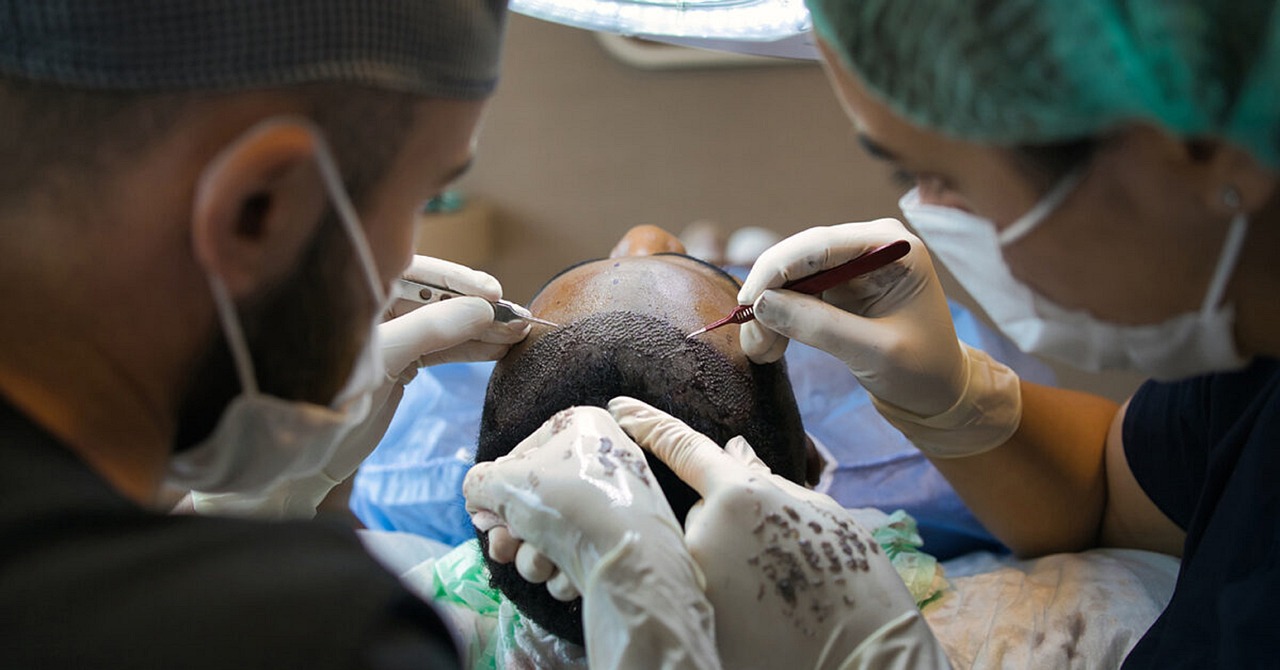
Expected results and timeline

The timeline for noticeable hair growth and desired results varies from person to person. It is important to have realistic expectations and understand that it takes time for the transplanted hair follicles to establish themselves and begin growing new hair. Generally, you can expect to see initial signs of new hair growth within a few months, with the full results becoming apparent between 9 to 12 months post-surgery.

Benefits of Hair Transplant

Hair transplant procedures offer numerous benefits for individuals seeking a long-term solution to their hair loss concerns. Some of the key benefits include:

Natural and permanent hair restoration

One of the most significant advantages of hair transplants is that they provide natural and permanent results. The transplanted hair follicles are resistant to the effects of DHT (dihydrotestosterone), a hormone responsible for hair loss. This means that the transplanted hair is more likely to last a lifetime, providing a lasting solution to hair loss.

Improved self-confidence

Hair loss can significantly impact an individual’s self-esteem and confidence. By restoring natural hair growth, hair transplants can improve self-confidence and enhance one’s overall quality of life. Having a full head of hair can make people feel more comfortable and secure in their appearance, allowing them to participate fully in social and professional settings.

Minimal scarring

Advancements in hair transplant techniques have significantly reduced the visibility of scars associated with the procedure. With FUE, small, circular scars are created, which are virtually undetectable when the hair is grown out. FUT does leave a linear scar, but skilled surgeons can ensure that it is well-hidden and easily concealed by surrounding hair.

No need for constant maintenance

Unlike other hair restoration methods, such as using topical treatments or wearing hairpieces, hair transplants do not require constant maintenance. Once the transplanted hair follicles have established themselves and begun growing new hair, they can be treated and styled just like natural hair, without any additional upkeep.

Cost-effectiveness

While the upfront cost of a hair transplant may seem significant, it is essential to consider the long-term financial benefits. Hair transplants provide a permanent solution to hair loss, eliminating the need for ongoing expenses associated with temporary solutions or maintenance. Over time, the cost-effectiveness of the procedure becomes apparent.

Hair Transplant Santa Clarita California

Risks and Side Effects

As with any surgical procedure, hair transplants come with certain risks and potential side effects. It is important to be aware of these risks before making a decision. Some of the possible risks and side effects include:

Infection

Infections can occur at the site of the incisions made during the hair transplant procedure. It is crucial to follow post-operative care instructions to minimize the risk of infection. Antibiotics may also be prescribed to further reduce the likelihood of infection.

Bleeding

Some degree of bleeding is expected during and immediately following the hair transplant procedure. However, excessive bleeding can occur in rare cases. Proper surgical techniques, such as administering local anesthesia and using precise incision methods, help minimize the risk of excessive bleeding.

Numbness or lack of sensation

Following a hair transplant, it is common to experience temporary numbness or lack of sensation in the donor and recipient areas. This is typically a result of nerve damage during the procedure and usually resolves within a few weeks or months.

Scarring

While advancements in hair transplant techniques have minimized scarring, there is still a possibility of scarring, particularly with FUT. The size and visibility of scars can vary depending on individual factors and the surgeon’s skill. Proper wound care and following post-operative instructions can help minimize scarring.

Dissatisfaction with results

The success of a hair transplant procedure depends on various factors, including the quality and quantity of donor hair, the surgeon’s skill, and the patient’s expectations. It is important to have realistic expectations and understand that not all transplanted hairs will survive and thrive. In some cases, additional sessions or touch-up procedures may be necessary to achieve the desired results.

Preparing for a Hair Transplant

Proper preparation is crucial for the success of a hair transplant procedure. Here are some key steps to take before undergoing the surgery:

Consultation with the surgeon

Schedule an initial consultation with a qualified hair transplant surgeon. During this consultation, the surgeon will evaluate your hair loss pattern, assess the donor area, and discuss your expectations and goals. This is an opportunity for you to ask any questions you may have and ensure that you have a clear understanding of the procedure.

Medical evaluation

Before proceeding with a hair transplant, the surgeon will conduct a medical evaluation to ensure that you are in good health and that there are no underlying medical conditions that could interfere with the procedure or your recovery.

Discuss expectations and goals

Be open and honest during your consultation about your expectations and goals for the hair transplant. This will allow the surgeon to provide a realistic assessment of what can be achieved and ensure that the procedure aligns with your objectives.

Avoiding blood-thinning medications

Certain medications and supplements may thin the blood and increase the risk of bleeding during the procedure. It is important to follow the instructions provided by your surgeon and avoid blood-thinning medications, such as aspirin, ibuprofen, and certain herbal supplements, in the weeks leading up to the surgery.

Quitting smoking

Smoking can impede the healing process and increase the risk of complications during surgery. If you are a smoker, it is highly recommended that you quit smoking or at least refrain from smoking for a specific period as advised by your surgeon before and after the hair transplant.

Choosing between FUE and FUT

The choice between FUE and FUT depends on several factors, including the extent of hair loss, the quality of donor hair, and personal preferences. Here is an overview of each technique and their advantages and disadvantages:

Overview of FUE

Follicular Unit Extraction (FUE) involves the extraction of individual hair follicles from the donor area using a specialized punch tool. This technique does not require the removal of a strip of scalp, resulting in minimal scarring. FUE is typically less invasive and allows for faster healing compared to FUT.

Advantages and disadvantages of FUE

The advantages of FUE include minimal scarring, a quicker recovery time, and the ability to harvest hair follicles from different areas of the body. However, FUE can be a more time-consuming procedure, and the cost may be higher due to the increased labor involved.

Overview of FUT

Follicular Unit Transplantation (FUT) involves removing a strip of scalp from the donor area, which is then dissected into individual hair grafts before being transplanted into the recipient area. FUT allows for the transplantation of a larger number of hair grafts in a single session.

Advantages and disadvantages of FUT

The main advantage of FUT is the ability to harvest a larger number of hair grafts, making it a suitable option for individuals with extensive hair loss. FUT also tends to be more cost-effective compared to FUE. However, FUT does leave a linear scar, and the recovery time may be slightly longer compared to FUE.

Determining the best technique for individual cases

The choice between FUE and FUT depends on individual factors and personal preferences. Consulting with a skilled hair transplant surgeon can help determine the most suitable technique for your specific case. The surgeon will evaluate the extent of your hair loss, the quality and quantity of donor hair, and any other relevant factors to recommend the best approach.

Recovery and Post-Operative Care

Proper recovery and post-operative care are essential for achieving optimal results and minimizing the risk of complications. Here are some key points to keep in mind during the recovery process:

Follow post-operative instructions

It is crucial to strictly follow the post-operative instructions provided by your surgeon. These instructions may include guidelines on washing the transplanted area, applying any prescribed medications or ointments, and avoiding certain activities or medications that can interfere with the healing process.

Managing discomfort and pain

Mild discomfort, swelling, and tenderness are common after hair transplant surgery. The surgeon may prescribe pain medications or recommend over-the-counter pain relievers to manage any discomfort. Applying ice packs to the scalp can also help alleviate swelling.

Protecting the transplanted area

During the initial recovery phase, it is important to protect the transplanted area from direct sunlight and avoid any activities that may cause trauma or injury to the scalp. Wearing loose-fitting hats or using sunscreen can help shield the scalp from harmful UV rays.

Shampooing and hair care

Your surgeon will provide specific instructions on when and how to shampoo your hair after the procedure. Follow these instructions carefully to ensure proper healing and minimize the risk of infection or damage to the transplanted hair follicles.

Avoiding strenuous activities

Engaging in strenuous activities, such as heavy lifting, intense exercise, or sports, should be avoided for a certain period as advised by your surgeon. These activities can increase blood flow to the scalp, potentially causing bleeding or dislodging the transplanted hair grafts.

Finding Affordable Hair Transplants in Santa Clarita

While cost should not be the sole determining factor in choosing a hair transplant clinic, finding an affordable option can be important for many individuals. Here are some considerations when seeking affordable hair transplants in Santa Clarita:

Insurance coverage

In most cases, hair transplant procedures are considered elective and not covered by insurance. However, it is worth checking with your insurance provider to determine if they offer any coverage for specific medical conditions or circumstances that contribute to hair loss.

Hair transplant financing options

Many clinics offer financing options to help make the procedure more affordable. These options may include payment plans, medical financing, or working with third-party providers that specialize in medical procedures. It is important to carefully review the terms and interest rates associated with these financing options before committing.

Comparing costs

Before making a decision, it is advisable to obtain quotes or estimates from multiple hair transplant clinics in Santa Clarita. Take into consideration the reputation and experience of the clinic, as well as the surgeon’s qualifications. Remember that the cost should be balanced with the quality of care and the likelihood of achieving satisfactory results.

Importance of balance between cost and quality

While it is understandable to seek affordable options, it is crucial to strike a balance between cost and quality when choosing a hair transplant clinic. Opting for the cheapest option may compromise the expertise and experience of the surgeon, the quality of the facilities, or the post-operative care provided. Investing in reputable and qualified professionals can significantly impact the success of the procedure and the overall satisfaction of the outcome.

Choosing the Right Hair Transplant Surgeon

Selecting the right hair transplant surgeon is crucial to ensuring a successful procedure and achieving the desired results. Here are some factors to consider when choosing a surgeon in Santa Clarita:

Research and background check

Take the time to research and gather information about different hair transplant surgeons in Santa Clarita. Look for qualifications, memberships in professional organizations, and any additional certifications or training that demonstrate expertise in the field of hair restoration.

Board certification and memberships

Ensure that the hair transplant surgeon is board-certified and has the necessary qualifications to perform the procedure safely and effectively. Membership in reputable organizations such as the ISHRS or ABHRS reflects a commitment to upholding high standards of practice.

Experience within the field

Consider the experience of the surgeon in performing hair transplant procedures. Find out how many procedures they have performed, their success rates, and whether they specialize in a particular technique. Review before-and-after photos of previous patients to assess the quality of their work.

Success rates and patient feedback

Take into account the success rates of the surgeon and their overall patient satisfaction. Read patient testimonials and reviews to gauge the experiences of previous patients and their level of satisfaction with the results. This feedback can provide valuable insights into the surgeon’s skill and the quality of care provided.

Communication and comfort

A good hair transplant surgeon should prioritize effective communication and ensure that you feel comfortable and well-informed throughout the entire process. They should take the time to answer your questions, explain the procedure in detail, and address any concerns you may have. Trust and open communication between you and the surgeon are crucial for a successful and satisfying experience.

In conclusion, a hair transplant can be a life-changing procedure for individuals experiencing hair loss or thinning. By understanding the different types of procedures, choosing the right clinic, and preparing for the surgery appropriately, you can increase the chances of achieving natural and long-lasting results. Remember to consider the benefits, risks, and post-operative care as you embark on your hair restoration journey. Finding an affordable yet reputable clinic and selecting a skilled hair transplant surgeon are key factors in obtaining the best possible outcome. With thorough research, appropriate preparation, and open communication with your surgeon, you can embark on the path to restoring your natural hair and regaining your confidence.

Hair Transplant Lakewood Colorado

Are you tired of living with hair loss and longing to regain your confidence? Look no further than Hair Transplant Lakewood Colorado! We understand the impact that thinning hair can have on your self-esteem, which is why our experienced team is dedicated to helping you achieve natural-looking results. With our state-of-the-art techniques and personalized approach, we ensure that each hair transplant procedure is tailored to your specific needs. Say goodbye to wigs and hats, and hello to a fuller, thicker head of hair. Get ready to love the reflection in the mirror once again with Hair Transplant Lakewood Colorado!

Hair Transplant Lakewood Colorado

Overview

Definition of hair transplant

A hair transplant is a surgical procedure that involves removing hair follicles from one part of the body, typically the back of the scalp, and grafting them onto areas where there is thinning or no hair. This procedure aims to restore hair growth and improve the overall appearance of the hair.

Why people choose hair transplant

People choose hair transplant for various reasons. One of the main reasons is to combat hair loss, whether it be due to genetics, aging, or medical conditions. Hair loss can significantly impact a person’s self-esteem and confidence, making a hair transplant an appealing option for those seeking to regain a fuller head of hair.

Moreover, hair transplant procedures have advanced significantly over the years, offering natural-looking results and a high success rate. This, coupled with the minimally invasive nature of modern techniques, makes hair transplant an attractive solution for many individuals.

Types of Hair Transplants

Follicular Unit Transplant (FUT)

FUT, also known as strip harvesting, involves the removal of a strip of skin from the donor area, typically the back of the scalp, where hair follicles are abundant. This strip is then dissected into individual follicular units, each containing one to four hairs, which are transplanted into the recipient site. FUT is a highly effective option for individuals with advanced hair loss who require a large number of grafts.

Follicular Unit Extraction (FUE)

FUE is a more recent technique that involves the extraction of individual hair follicles from the donor area using a microsurgical instrument. Unlike FUT, FUE does not require the removal of a strip of skin. Instead, each follicular unit is extracted one by one, leaving tiny circular scars that are virtually undetectable. FUE is preferred by many patients due to its minimal scarring and faster recovery time.

Robotic Hair Transplant

Robotic hair transplant, also known as ARTAS, is a cutting-edge procedure that utilizes advanced robotic technology to assist with the hair transplant process. The ARTAS system scans the patient’s scalp, identifies and selects the optimal hair follicles for extraction, and then guides the robotic arm to perform the harvesting. Robotic hair transplant offers precise and consistent results, reducing the chance of human error.

Choosing a Hair Transplant Clinic

Location and convenience

When choosing a hair transplant clinic, consider its location and convenience. It is ideal to find a clinic that is close to your home or workplace, as multiple visits may be required before and after the surgery. This will minimize travel time and ensure ease of access.

Expertise and qualifications

Ensure that the hair transplant clinic you choose has qualified and experienced surgeons who specialize in hair transplantation. Look for certifications, qualifications, and memberships in recognized professional organizations. This will give you confidence in their expertise and enhance the likelihood of a successful procedure.

Technology and equipment

A reputable hair transplant clinic should have state-of-the-art technology and equipment to perform the procedure effectively. Advanced equipment can help achieve better outcomes and minimize the risk of complications. Inquire about the clinic’s technology and ensure they are up-to-date with the latest advancements in hair transplant procedures.

Patient reviews and testimonials

Reading patient reviews and testimonials can provide valuable insights into the quality of service and outcomes offered by a hair transplant clinic. Look for testimonials from individuals who have undergone a similar procedure and assess their overall satisfaction with the clinic’s services. Positive reviews and success stories can help build trust and confidence in your decision.

Hair Transplant Lakewood Colorado

Cost of Hair Transplant

Factors affecting cost

The cost of a hair transplant procedure can vary based on several factors. These include the extent of hair loss, the number of grafts required, the technique used, and the location of the clinic. Additionally, the experience and reputation of the surgeon, as well as the clinic’s amenities, can also influence the cost. It is important to consult with the clinic and discuss the specific details of your case to get an accurate estimate of the cost involved.

Average prices in Lakewood, Colorado

In Lakewood, Colorado, the average cost of a hair transplant procedure can range from $4,000 to $15,000. This cost can vary based on the factors mentioned above. It is recommended to obtain quotes from multiple clinics to compare prices and ensure you are receiving a fair and competitive rate.

Financing options

Hair transplant procedures can be a significant financial investment. Many reputable clinics offer financing options to help make the procedure more affordable. These options may include payment plans or partnerships with financing companies that specialize in medical procedures. Discuss financing options with the clinic to determine the best solution for your specific circumstances.

Consultation and Preparations

Finding a qualified hair transplant surgeon

When seeking a hair transplant surgeon, it is crucial to find a qualified professional with experience in performing hair transplant procedures. Research different surgeons and clinics, read reviews, and ask for recommendations from trusted sources. Look for a surgeon who specializes in hair transplant surgery and has a track record of successful procedures.

Initial consultation

During the initial consultation, the surgeon will assess your hair loss, evaluate your suitability for the procedure, and discuss your goals and expectations. This is an opportunity for you to ask any questions you may have about the procedure, recovery process, and expected results. The surgeon will also provide you with an overview of the procedure and discuss any potential risks or complications.

Medical history evaluation

The hair transplant surgeon will thoroughly review your medical history during the consultation. This is essential to ensure that you are a suitable candidate for the procedure and that there are no underlying medical conditions that could affect the outcome. Be prepared to provide information about any medications you are currently taking, previous surgeries, and any known allergies.

Pre-operative instructions

Before the hair transplant procedure, the clinic will provide you with specific instructions to follow. These instructions may include avoiding certain medications that can thin the blood, abstaining from alcohol and smoking, and arranging transportation to and from the clinic on the day of the procedure. It is important to adhere to these instructions to ensure a smooth and successful surgery.

Procedure Day

Anesthesia administration

On the day of the procedure, anesthesia will be administered to ensure your comfort throughout the surgery. The type of anesthesia used will depend on the technique chosen and the preferences of the surgeon. Local anesthesia is commonly used, numbing the scalp and ensuring that you do not feel any pain during the procedure. Your surgeon will discuss the anesthesia options with you beforehand.

Donor area preparation

The donor area, usually the back of the scalp, will be prepared for the hair graft extraction. The surgeon will sterilize the area and trim the hair to facilitate the extraction process. The donor area is chosen because the hair follicles in this region are genetically resistant to the hormone that causes hair loss.

Hair graft extraction

In FUT, a strip of skin containing the hair follicles is removed from the donor area. The wound is then sutured, and the strip is handed over to a team of technicians who dissect it into individual grafts. In FUE, individual hair follicles are extracted using a microsurgical instrument. The extraction process is meticulous and requires skill and precision to ensure optimal graft quality.

Recipient site creation

Once the hair grafts have been extracted, the surgeon will make tiny incisions, known as recipient sites, in the areas where the hair will be transplanted. The size, angle, and distribution of these incisions play a crucial role in achieving a natural-looking result. The surgeon will strategize the placement of the grafts to achieve the desired density and hairline.

Transplantation process

Following the creation of the recipient sites, the extracted hair grafts are meticulously placed into these sites. This process can be time-consuming, as each graft must be inserted with precision. The surgeon and their team will work together to ensure that the transplanted hair follicles are placed at the correct angle and depth for optimal growth and a natural appearance.

Recovery and Post-Operative Care

Aftercare instructions

After the hair transplant procedure, the clinic will provide you with detailed aftercare instructions. These instructions will include information on how to care for the transplanted hair, how to manage discomfort and swelling, and any medication or products that should be used to facilitate healing. It is essential to follow these instructions closely to ensure a smooth recovery and optimal results.
Pain management

It is common to experience some discomfort after the hair transplant procedure. The clinic may prescribe pain medication to manage any post-operative discomfort. Follow the recommended dosage and consult with the clinic if you have any concerns or if the pain persists.

Swelling and bruising

Swelling and bruising around the recipient and donor areas are normal after a hair transplant. The clinic may recommend cold compresses or specialized ointments to help reduce swelling and minimize bruising. These symptoms typically subside within a few days to a week.

Shampooing and washing hair

Proper hair care after a hair transplant is crucial to facilitate healing and promote healthy growth. The clinic will provide instructions on when and how to shampoo and wash your hair. It is important to follow these instructions carefully to avoid dislodging the transplanted grafts and to keep the scalp clean and infection-free.

Avoiding strenuous activities

During the initial recovery period, it is important to avoid strenuous activities that may strain or injure the scalp. This includes activities such as heavy lifting, intense exercise, or any activities that may cause excessive sweating. Your surgeon will provide guidelines on when it is safe to resume normal activities based on your specific case.

Expected Results

Hair growth timeline

After a hair transplant procedure, it is important to manage your expectations regarding hair growth. Initially, the transplanted hairs will fall out within a few weeks. This is a normal part of the process and should not be a cause for alarm. New hair growth typically begins within 3-4 months, and significant improvements can be expected within 6-12 months after the procedure.

Follow-up appointments

Your hair transplant clinic will schedule follow-up appointments to monitor your progress and assess the results of the procedure. During these appointments, the surgeon will evaluate the growth of the transplanted hair and make any necessary adjustments or recommendations. It is important to attend these appointments to ensure the best possible outcome.

Maintenance and additional treatments

While a hair transplant can provide permanent results, it is important to note that hair loss can still occur in other areas of the scalp. To maintain the overall appearance and symmetry, some individuals may require additional treatments in the future. These may include further hair transplant sessions or non-surgical treatments such as PRP therapy or medications. Your surgeon will discuss the appropriate maintenance plan based on your individual needs.

Risks and Side Effects

Bleeding and infection

As with any surgical procedure, there is a risk of bleeding and infection during a hair transplant. However, these risks are relatively rare and can be minimized by adhering to proper pre-operative and post-operative care instructions and choosing a reputable and experienced hair transplant clinic.

Scarring and hair follicle damage

Both FUT and FUE procedures can cause scarring, although the size and visibility of the scars differ. FUT leaves a linear scar, which can typically be concealed by surrounding hair. FUE, on the other hand, creates tiny dot-like scars that are less noticeable. Hair follicle damage is possible during the extraction or transplantation process, but skilled surgeons minimize this risk through precise techniques.

Numbness and itching

Some individuals may experience temporary numbness or itching in the donor and recipient areas after a hair transplant. These sensations usually resolve on their own within a few weeks or months. If uncomfortable, the clinic may recommend medications or ointments to manage itching.

Unnatural-looking results

While most hair transplant procedures yield natural-looking results, there is a risk of an unnatural appearance if the grafts are not placed correctly or if the hairline design is not carefully considered. Choosing a skilled and experienced surgeon significantly reduces this risk, as they will have an artistic eye for creating a hairline that complements your facial features and looks natural.

Contact Information

Clinic address

Hair Transplant Clinic 123 Main Street Lakewood, Colorado USA

Phone number

(555) 123-4567

Email

info@hairtransplantlakewood.com

In conclusion, a hair transplant procedure can be a life-changing solution for individuals experiencing hair loss. It is important to thoroughly research and choose a reputable hair transplant clinic that offers the expertise, technology, and results you desire. By understanding the different types of transplants, the anticipated costs, and the recovery process, you can make an informed decision and take steps towards regaining your confidence and a fuller head of hair.

Hair Transplant Pomona California

If you’re looking for a reliable and effective solution to your hair loss woes, you’ve come to the right place. Say goodbye to thinning hair and hello to luscious locks with Hair Transplant Pomona California! Our team of skilled professionals is dedicated to restoring your confidence and helping you achieve the hair you’ve always dreamed of. With cutting-edge technology and a personalized approach, we deliver exceptional results that will leave you feeling rejuvenated and self-assured. Say hello to a new chapter of hair growth with Hair Transplant Pomona California!

Hair Transplant Pomona California

What is a hair transplant?

A hair transplant is a surgical procedure that involves the extraction and transplantation of hair follicles from one area of the body, known as the donor site, to another area where hair loss or thinning has occurred, known as the recipient site. The goal of a hair transplant is to restore natural hair growth and improve the appearance of thinning or balding areas.

Definition of a hair transplant

A hair transplant is a medical procedure that involves the removal of healthy hair follicles from one part of the body, usually the back or sides of the scalp, and transplanting them into areas of the scalp where hair loss has occurred. The extracted hair follicles are carefully placed in the recipient site, ensuring that they blend seamlessly with the existing hair and result in a natural-looking hairline.

Types of hair transplant procedures

There are two main types of hair transplant procedures: Follicular Unit Extraction (FUE) and Follicular Unit Transplantation (FUT).

Follicular Unit Extraction (FUE)

FUE is a hair transplant technique that involves individually extracting hair follicles from the donor site using a small punch tool. These extracted follicles are then transplanted into the recipient site using precise placement techniques. FUE is a popular choice for many patients due to its minimally invasive nature and absence of noticeable linear scars.

Follicular Unit Transplantation (FUT)

FUT, also known as strip harvesting, involves removing a strip of skin from the donor area, usually at the back of the head. This strip is then dissected into individual hair follicle units before being transplanted into the recipient site. FUT is often recommended for patients who require a larger number of grafts or have specific hair loss patterns that may benefit from this method.

Procedure overview

The hair transplant procedure typically begins with a consultation with a qualified hair transplant surgeon. During this consultation, the surgeon will assess your hair loss, discuss your desired outcomes, and determine the most suitable treatment plan for you. Once the treatment plan is established, the actual procedure can be scheduled.

On the day of the hair transplant, you will be administered local anesthesia to ensure a comfortable experience. The hair grafts will then be harvested from the donor site, either through FUE or FUT, depending on the agreed-upon technique. The recipient site will be prepared by creating small incisions or channels where the hair grafts will be placed.

The hair grafts will be carefully inserted into the recipient site, taking into consideration the natural direction and angle of your existing hair to create a seamless result. The number of sessions required for the hair transplant will depend on the extent of your hair loss and the desired outcome.

Choosing a hair transplant clinic in Pomona, California

When considering a hair transplant in Pomona, California, it is essential to choose the right hair transplant clinic that meets your needs and offers high-quality services. Here are some factors to consider when selecting a hair transplant clinic:

Researching hair transplant clinics

Start by conducting thorough research on different hair transplant clinics in Pomona. Look for clinics that specialize in hair transplants and have a proven track record of successful procedures. Take the time to review their websites, read testimonials from previous patients, and gather information about the surgeons and their qualifications.

Considering experience and expertise

It is crucial to choose a clinic that has a team of experienced and skilled surgeons. Look for clinics that have been operating for a significant amount of time and have a history of successful hair transplant procedures. Experienced surgeons will have the knowledge and expertise to handle complex cases and ensure optimal results.

Reading patient reviews and testimonials

Patient reviews and testimonials can provide valuable insights into the quality of service provided by a hair transplant clinic. Look for reviews from patients who have undergone hair transplant procedures at the clinics you are considering. Pay attention to their experiences, the results they achieved, and any potential issues or concerns they may have encountered.

Consultation process

The consultation process is an important step in determining which hair transplant clinic to choose. Schedule consultations with multiple clinics to meet with the surgeons and discuss your individual case. During the consultation, evaluate the surgeon’s communication style, their ability to understand your needs and expectations, and their willingness to answer any questions or address any concerns you may have.

Pricing and financing options

While the cost should not be the sole determining factor, it is essential to consider the pricing structure of various hair transplant clinics in Pomona. Request detailed pricing information from each clinic, including the cost of the procedure, any additional fees, and any financing options available. Remember to take into account the overall value and quality of service offered when comparing prices.

Preparing for a hair transplant

Preparing for a hair transplant procedure is essential to ensure optimal results and a smooth recovery process. Here are some key steps to take when preparing for a hair transplant:

Medical evaluation and consultation

Before undergoing a hair transplant procedure, it is crucial to undergo a medical evaluation and consultation with your chosen hair transplant clinic. During this evaluation, your surgeon will assess your overall health, taking into account any existing medical conditions, medications you are taking, and your medical history. This evaluation will help determine if you are a suitable candidate for a hair transplant and if any additional precautions need to be taken.

Discussing expectations and desired outcomes

It is important to have open and honest discussions with your surgeon about your expectations and desired outcomes from the hair transplant. Your surgeon will be able to provide a realistic assessment of what can be achieved based on your individual case. This discussion will help set appropriate expectations and ensure you are satisfied with the final results.

Following pre-operative instructions

Your hair transplant clinic will provide you with detailed pre-operative instructions to follow before the procedure. These instructions may include guidelines on medications to avoid, specific dietary restrictions, and instructions for cleaning and preparing your scalp. Following these instructions diligently will help minimize the risk of complications and ensure the best possible outcome.

Preparing for the recovery period

It is important to make necessary preparations for the recovery period following your hair transplant. This may include arranging for time off work, avoiding strenuous activities that may interfere with the healing process, and preparing your home environment for a comfortable recovery. Your hair transplant clinic will provide you with post-operative care instructions to follow during this period.

Hair transplant procedure

The hair transplant procedure itself involves several key steps, each aimed at ensuring optimal results and a natural-looking hairline.

Local anesthesia administration

To ensure a comfortable experience during the hair transplant procedure, local anesthesia will be administered to numb the donor and recipient areas. This prevents any pain or discomfort during the extraction and transplantation process.

Hair graft harvesting methods

The choice of hair graft harvesting method will depend on your individual case and the agreed-upon treatment plan. With FUE, individual hair follicles are extracted using a small punch tool. With FUT, a strip of skin containing hair grafts is surgically removed from the donor area. The hair grafts are carefully handled and prepared for transplantation.

Recipient site creation

To prepare the recipient site for the hair grafts, small incisions or channels are created with precision. The size, depth, and angle of these incisions or channels will be tailored to your desired hairline and the natural direction of your existing hair. This process ensures that the transplanted hair grafts will seamlessly integrate with your existing hair.

Hair graft placement

Once the recipient site is prepared, the hair grafts are meticulously placed into the created incisions or channels. The surgeon will carefully consider the density, angle, and placement of each graft to ensure a natural and aesthetically pleasing result. This step requires precision and expertise to achieve optimal coverage and a seamless hairline.

Number of sessions and duration

The number of sessions required for the hair transplant will depend on various factors, including the extent of hair loss, the desired outcome, and the availability of donor hair. Some patients may require multiple sessions to achieve their desired result. The duration of each session will vary, depending on the number of grafts being transplanted.

Choosing the right hair transplant technique

When considering a hair transplant, it is important to choose the right technique that suits your individual needs and provides the best possible results. The two main techniques commonly used are Follicular Unit Extraction (FUE) and Follicular Unit Transplantation (FUT).

Follicular Unit Extraction (FUE)

FUE is a minimally invasive technique that involves the extraction of individual hair follicles from the donor area using a small punch tool. The extracted follicles are then transplanted into the recipient area. FUE offers the advantage of leaving minimal scarring and allows for a quicker recovery compared to other techniques.

Follicular Unit Transplantation (FUT)

FUT, also known as strip harvesting, involves the removal of a strip of skin from the donor area. The strip is then dissected into individual follicular units, which are then transplanted into the recipient area. FUT is often recommended for patients requiring a larger number of grafts or those with specific hair loss patterns that would benefit from this technique.

Comparing FUE and FUT

Both FUE and FUT have their own advantages and considerations. FUE leaves minimal scarring and allows for flexibility in donor hair harvesting, making it suitable for patients who prefer shorter hairstyles or have limited donor hair availability. FUT, on the other hand, allows for the transplantation of a larger number of grafts in a single session, making it a suitable option for patients with extensive hair loss.

Considering suitability for individual cases

The choice between FUE and FUT will depend on various factors, including the extent of hair loss, the availability of donor hair, and the desired outcome. Your hair transplant surgeon will assess your individual case during the consultation process and recommend the most suitable technique for you. It is important to trust the expertise and experience of your surgeon in making this decision.

Recovery and aftercare

The recovery and aftercare process following a hair transplant is crucial in maintaining the success of the procedure and ensuring optimal results. Here are some key aspects of the recovery and aftercare process:

Post-operative instructions

Following the hair transplant procedure, your hair transplant clinic will provide you with detailed post-operative instructions. These instructions may include guidelines on washing your hair, avoiding certain activities or medications, and protecting the transplanted area. It is important to follow these instructions carefully to promote proper healing and minimize the risk of complications.

Managing pain and discomfort

Some degree of pain and discomfort is normal following a hair transplant procedure. Your surgeon may prescribe pain medications to help manage any discomfort you may experience. It is important to take these medications as directed and report any persistent or severe pain to your surgeon.

Protecting and cleaning the transplanted area

During the initial recovery period, it is important to protect the transplanted area from trauma, excessive rubbing, or scratching. Your hair transplant clinic will provide instructions on how to keep the area clean and may recommend specific products or techniques for washing your hair. It is important to follow these instructions and avoid any harsh or irritating products.

Understanding the healing process

The transplanted hair grafts may initially shed within the first few weeks following the procedure. This is a normal part of the healing process and does not indicate a failure of the transplant. New hair growth will begin to emerge within a few months, and the full results of the hair transplant can be seen within 9 to 12 months.

Follow-up appointments and monitoring

Your hair transplant clinic will schedule follow-up appointments to monitor your progress and evaluate the results of the transplant. These appointments are important for your surgeon to assess the healing process, address any concerns or questions you may have, and make any necessary adjustments to your aftercare routine. It is crucial to attend these appointments and maintain open communication with your surgeon throughout the recovery period.

Potential risks and complications

While hair transplant procedures are generally considered safe and have a high success rate, there are some potential risks and complications to be aware of. It is important to discuss these risks with your surgeon during the consultation process.

Infection and scarring

Infections can occur following a hair transplant procedure, although they are rare. Your surgeon will provide you with guidelines on how to care for the transplanted area to minimize the risk of infection. Scarring is also a possibility, especially with FUT, but the scars are typically well-hidden and can be further minimized with proper care and follow-up treatments.

Bleeding and swelling

Some degree of bleeding and swelling is normal following a hair transplant procedure and usually subsides within a few days. Your surgeon will provide guidelines on managing these symptoms and will monitor your progress to ensure they are resolving as expected.

Numbness and itching

Temporary numbness or loss of sensation in the donor and recipient areas may occur after a hair transplant. This is usually a temporary side effect and resolves on its own over time. Itching of the scalp may also occur during the healing process, but it is important to avoid scratching or rubbing the area to prevent any damage to the newly transplanted hair follicles.

Graft failure and poor growth

In some cases, graft failure or poor growth may occur, resulting in suboptimal results. This can be due to various factors, including inadequate blood supply to the transplanted grafts, improper handling of the grafts during the procedure, or the presence of underlying medical conditions. Your surgeon will assess your individual case and take the necessary precautions to minimize the risk of graft failure or poor growth.

Hair transplant results and timeline

The results of a hair transplant procedure can vary depending on various factors, including the technique used, the extent of hair loss, and individual healing processes. Here is a general timeline for the results of a hair transplant:

Initial post-operative period

Immediately following the hair transplant, some redness and swelling may be present in the donor and recipient areas. This is a normal part of the healing process and typically subsides within a few days. It is important to follow post-operative instructions and avoid any activities that may interfere with the healing process during this time.

Shedding and regrowth

Within the first few weeks after the procedure, the transplanted hair grafts may shed. This is a natural part of the healing process and does not indicate a failure of the transplant. New hair growth will begin to emerge within a few months as the transplanted follicles enter the growth phase.

Expected timeline for noticeable results

It typically takes around 6 to 9 months for noticeable hair growth to be seen following a hair transplant. The transplanted hair will continue to grow and thicken over time, gradually blending in with the existing hair. By the 9 to 12-month mark, the full results of the hair transplant should be evident, with improved hair density and a natural-looking hairline.

Full results and final outcome

It is important to remember that the full results of a hair transplant may take time to develop. Continued growth and improvement can be seen up to 18 months after the procedure. The final outcome of the hair transplant will depend on various factors, including the technique used, the quality of the donor hair, and individual healing processes.

Hair transplant cost in Pomona, California

The cost of a hair transplant in Pomona, California can vary depending on various factors, including the clinic, the surgeon’s experience and skill, the number of grafts required, and any additional services or treatments included. Here are some factors to consider when evaluating the cost of a hair transplant:

Factors influencing the cost

The number of grafts required is one of the main factors influencing the cost of a hair transplant. The extent of hair loss, the desired hair density, and the availability of donor hair will determine the number of grafts needed. Additional factors that may influence the cost include the clinic’s location, reputation, and the experience and skill of the surgeon performing the procedure.

Understanding pricing structures

Hair transplant clinics may employ various pricing structures, including cost per graft or package pricing. Cost per graft pricing is based on the number of grafts required for the procedure, while package pricing may include additional services or treatments, such as post-operative care or follow-up appointments. It is important to discuss the pricing structure with your chosen clinic and ensure you understand what is included in the quoted price.

Comparing costs among different clinics

When comparing the cost of a hair transplant among different clinics, it is important to consider the overall value and quality of service provided. While cost is a factor, it should not be the sole determining factor. Pay attention to the clinic’s reputation, the surgeon’s experience and expertise, and the clinic’s track record of successful procedures. It is also beneficial to read patient reviews and testimonials to gauge patient satisfaction and outcomes.

Insurance coverage and financing options

Hair transplant procedures are typically considered elective cosmetic procedures and may not be covered by insurance. However, it is advisable to check with your insurance provider to determine if there is any coverage available. Many hair transplant clinics offer financing options to help patients manage the cost of the procedure. These options may include payment plans, medical loans, or financing through third-party providers. Discussing financing options with your chosen clinic can help you make an informed decision.

Hair transplant success and patient satisfaction

Hair transplant procedures have a high success rate and can significantly improve the appearance of thinning or balding areas. However, it is important to have realistic expectations and understand that the outcome of a hair transplant will vary from person to person. Here are some factors to consider regarding success and patient satisfaction:

Factors contributing to successful outcomes

The success of a hair transplant procedure depends on various factors, including the surgeon’s expertise, the quality of the donor hair, and individual healing processes. Choosing a reputable clinic with experienced surgeons who specialize in hair transplants can greatly improve the chances of a successful outcome. Additionally, following pre-operative and post-operative instructions diligently and maintaining open communication with your surgeon throughout the process can contribute to a positive result.

Realistic expectations for hair transplant results

It is important to have realistic expectations for the results of a hair transplant. While the procedure can significantly improve the appearance of thinning or balding areas, it may not achieve the same density or coverage as natural, unaffected hair. Discussing your desired outcomes with your surgeon during the consultation process can help set realistic expectations and ensure you are satisfied with the final results.

Patient testimonials and satisfaction rates

Reading patient testimonials and reviewing the satisfaction rates of previous patients can provide valuable insights into the success and patient satisfaction rates of a hair transplant clinic. Look for testimonials from patients who have undergone hair transplant procedures at the clinics you are considering and take note of their experiences, the results they achieved, and their overall satisfaction with the procedure. This information can help you make an informed decision and choose a clinic that aligns with your expectations.